
Why Ferrari’s Austin qualifying collapse explained as Leclerc loses four tenths
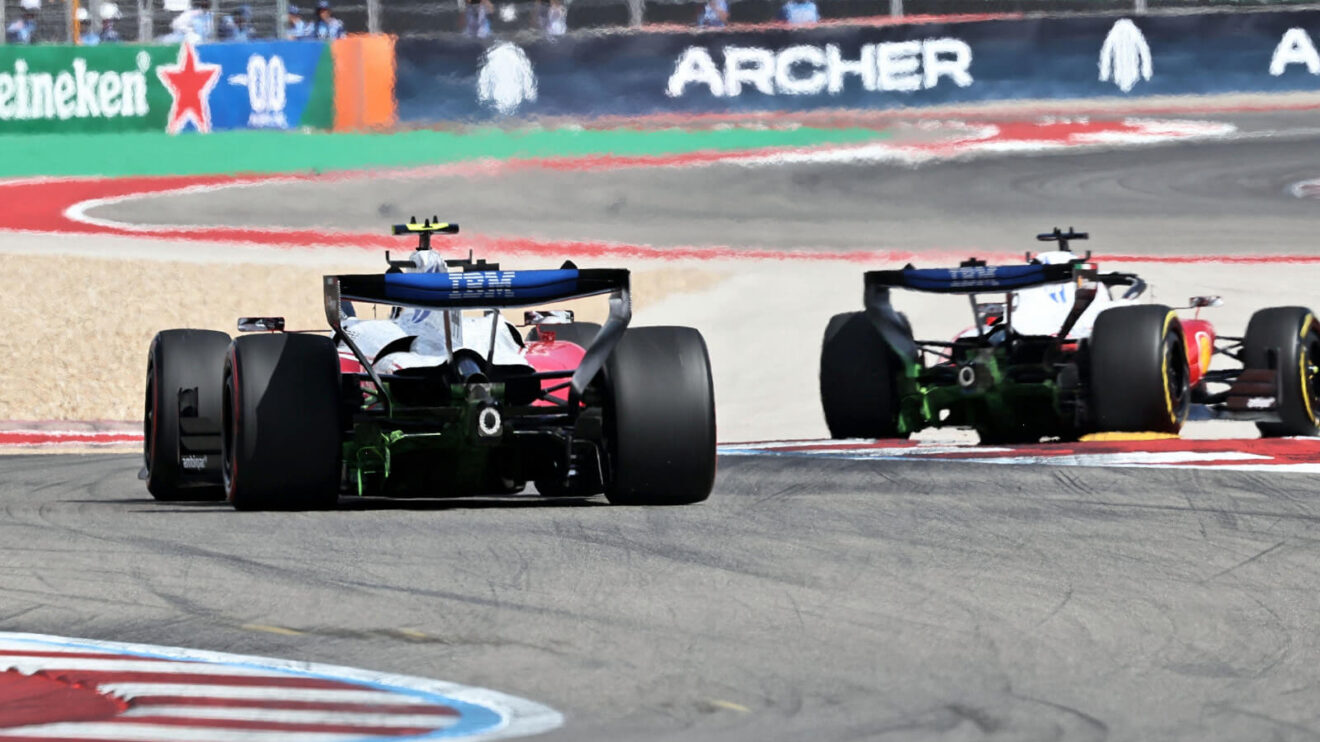
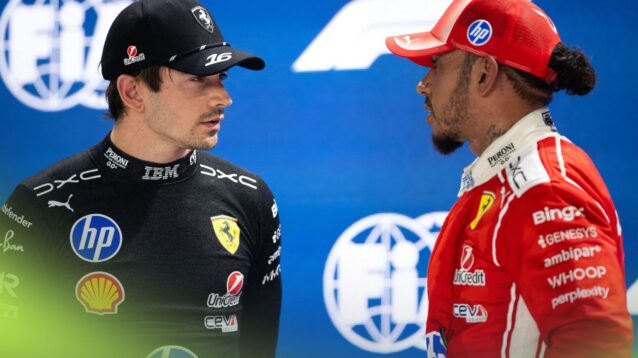
The Ferrari teammates on track
Fresh upgrades, benchmark times across FP1 and FP2, and every indicator suggested we were finally set for a potent Ferrari showing in qualifying and a genuine charge for pole. Yet once again the fight for pole went on without them.
So where did their pace vanish, and why were they off the pace when Q3 rolled around?
Did Ferrari drop off, or did others step up?
Qualifying on the second or third row of the grid has, unfortunately, become business as usual for Ferrari. On Sunday, they typically boast strong race pace that could see them fight at the very front – if only their qualifying execution were better.
The new upgrade package brought to Texas was meant to address that exact shortcoming. It is common knowledge by now that Ferrari suffer from power unit deployment deficits, bleeding far too much time along the straights. This time around, the team appeared fully committed to leaning into their core strength: cornering performance.
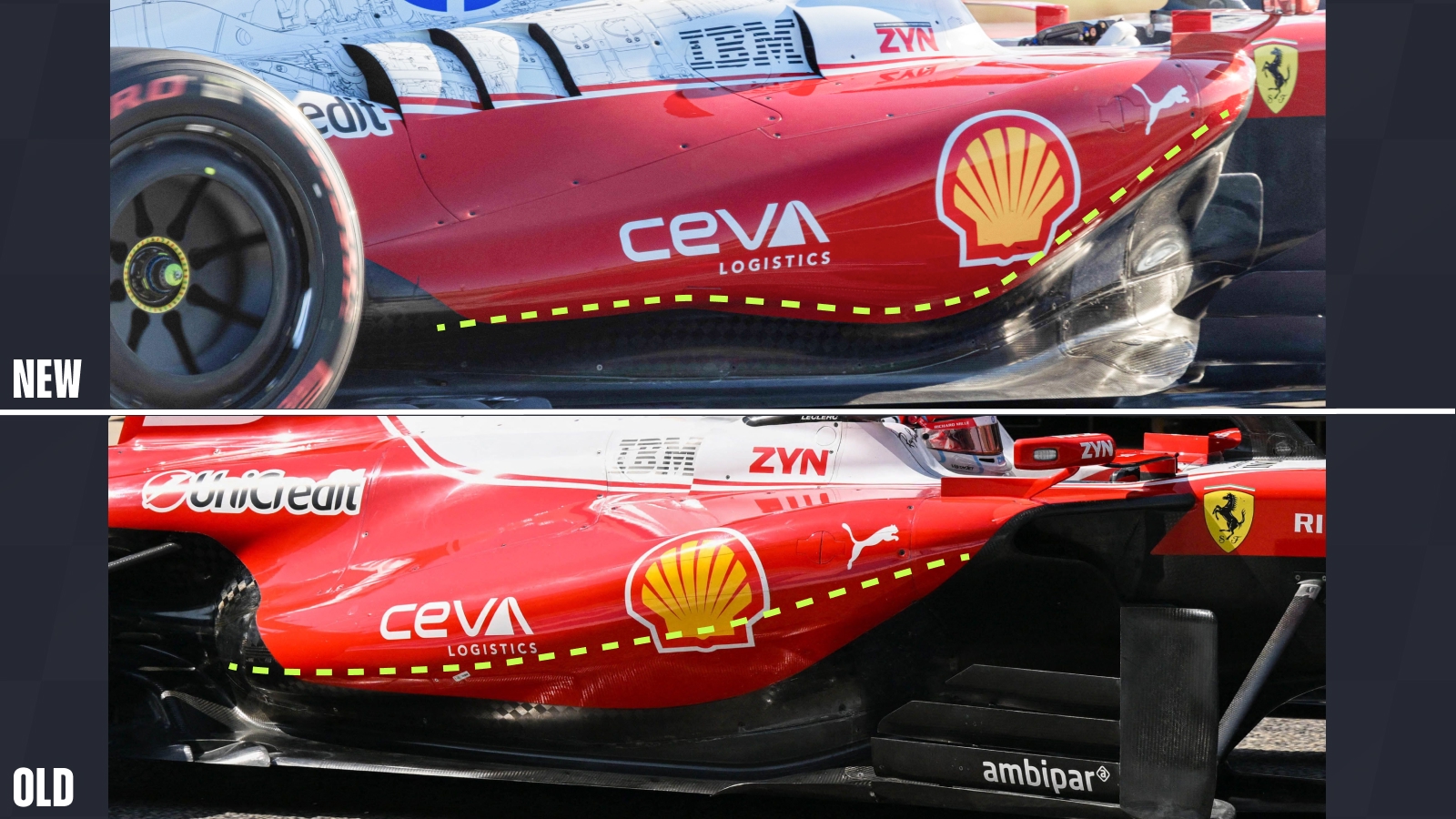
Revised sidepod geometry, alongside a redesigned diffuser and floorboard, boosted overall downforce levels, a gain clearly visible on track. The SF-26 proved exceptional through the turns, and up until FP2, that cornering advantage looked substantial enough to offset their straight-line losses.
In fact, during Saturday’s final practice, it appeared they had resolved the straight-line issue altogether. A comparison of Leclerc’s and Antonelli’s fastest laps in FP3 showed the two cars were virtually neck-and-neck down the main straight between Turn 11 and Turn 12.
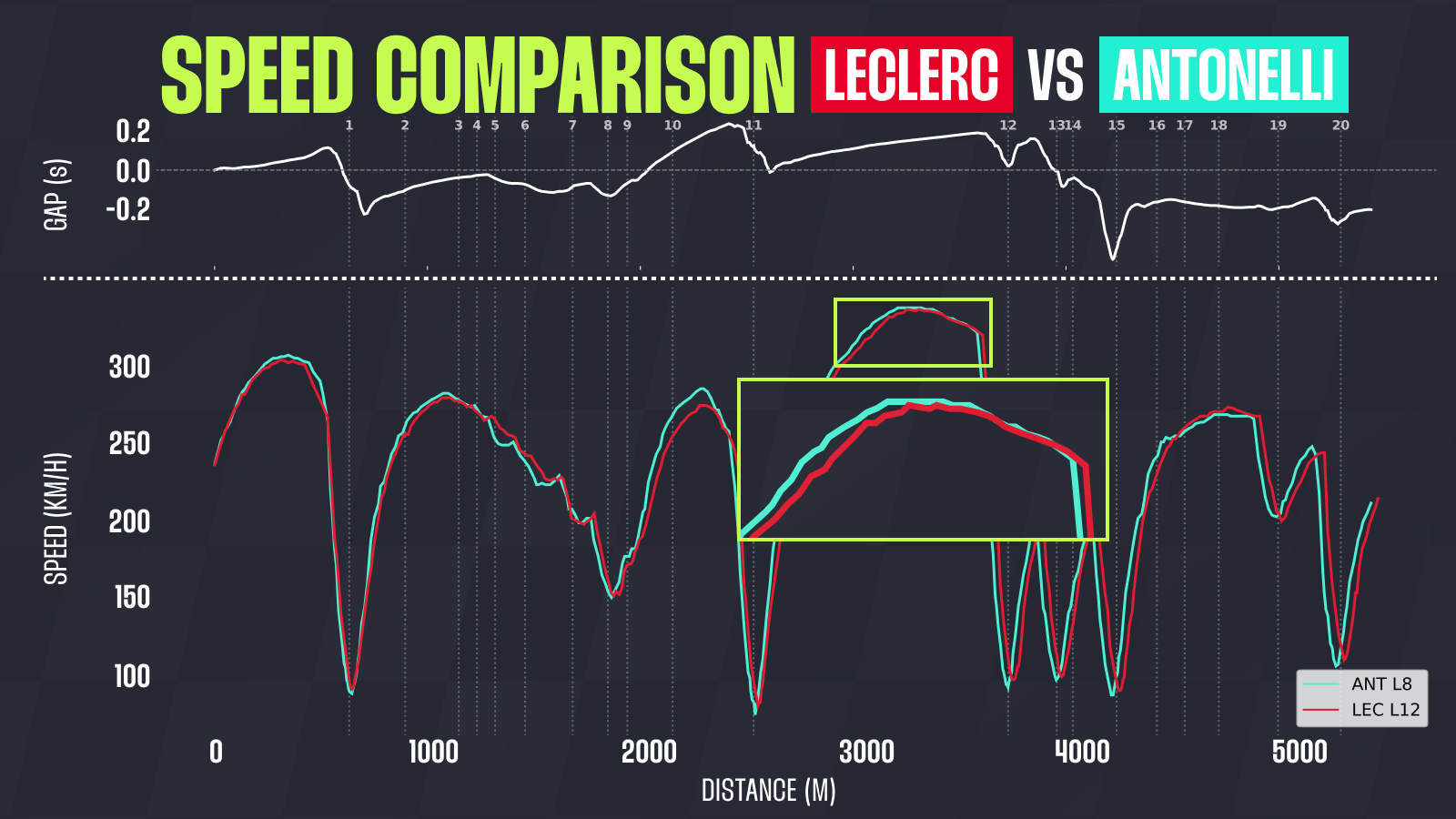
Kimi held a slight edge along the shorter burst between Turn 10 and Turn 11, but Leclerc responded through Turn 16. t was the final piece of the puzzle that suggested Ferrari could fight for pole position in Austin.
Yet as Q3 commenced, those hopes evaporated. The opening push laps immediately confirmed that the duel for pole would be fought exclusively between Max and Kimi, with Ferrari left out in the cold.
A Q3 telemetry overlay of Kimi and Charles highlights a staggering reversal compared to FP3. Consider the top-speed deficit along the main straight: between those two turns alone, Leclerc surrendered nearly four tenths of a second to the Italian. That is a massive loss.
What makes the metrics particularly baffling is that Mercedes turned up their top speeds for Q3 (as expected), whereas Ferrari’s straight-line speeds actually dropped.
Leclerc’s top speed fell by a full 10 km/h compared to his FP3 benchmark, while Antonelli’s rose by 4 km/h.
Dissecting the lap: Where the time was lost
Tracing the lap from the start, Leclerc ran toe-to-toe through Sector 1. Their contrasting approaches into Turn 1 were notable: Kimi ran slightly wider, whereas Leclerc maintained higher apex speed, aiding his traction up to Turn 2 before Kimi surged ahead through the next two sweeps of the esses.
Through Turn 6 and Turn 7, Leclerc maintained superior minimum speed, with data confirming he applied throttle earlier and cleaner.
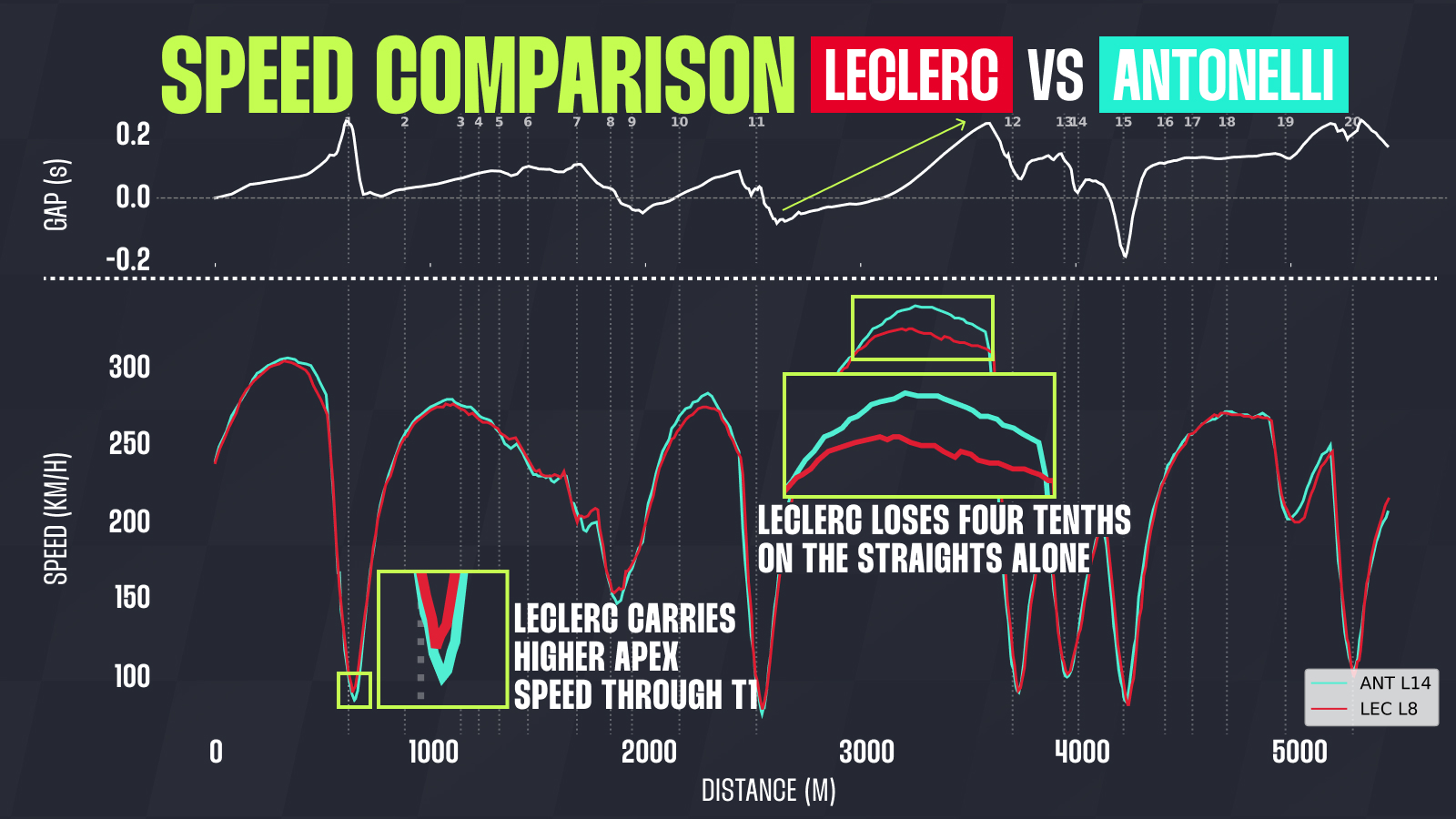
Despite stronger Mercedes deployment along the short chute to Turn 11, the Monegasque driver carried a 0.2-second lead right up until turning onto the circuit’s longest straight.
That two-tenth advantage for Leclerc rapidly turned into a two-tenth deficit to Antonelli down the straight. But then came the most baffling part of the lap.
Ferrari had been dominant through Sector 3 during practice. This technically demanding section – with frequent speed and cornering variations – demands excellent chassis stability and balance, traits the SF-26 possesses in abundance.
For context, Charles was nearly four tenths faster than Antonelli in Sector 3 during FP3. In qualifying, however, he was actually marginally slower.
The advantage he held through the technical sections completely vanished – and with it, Ferrari’s shot at pole position.
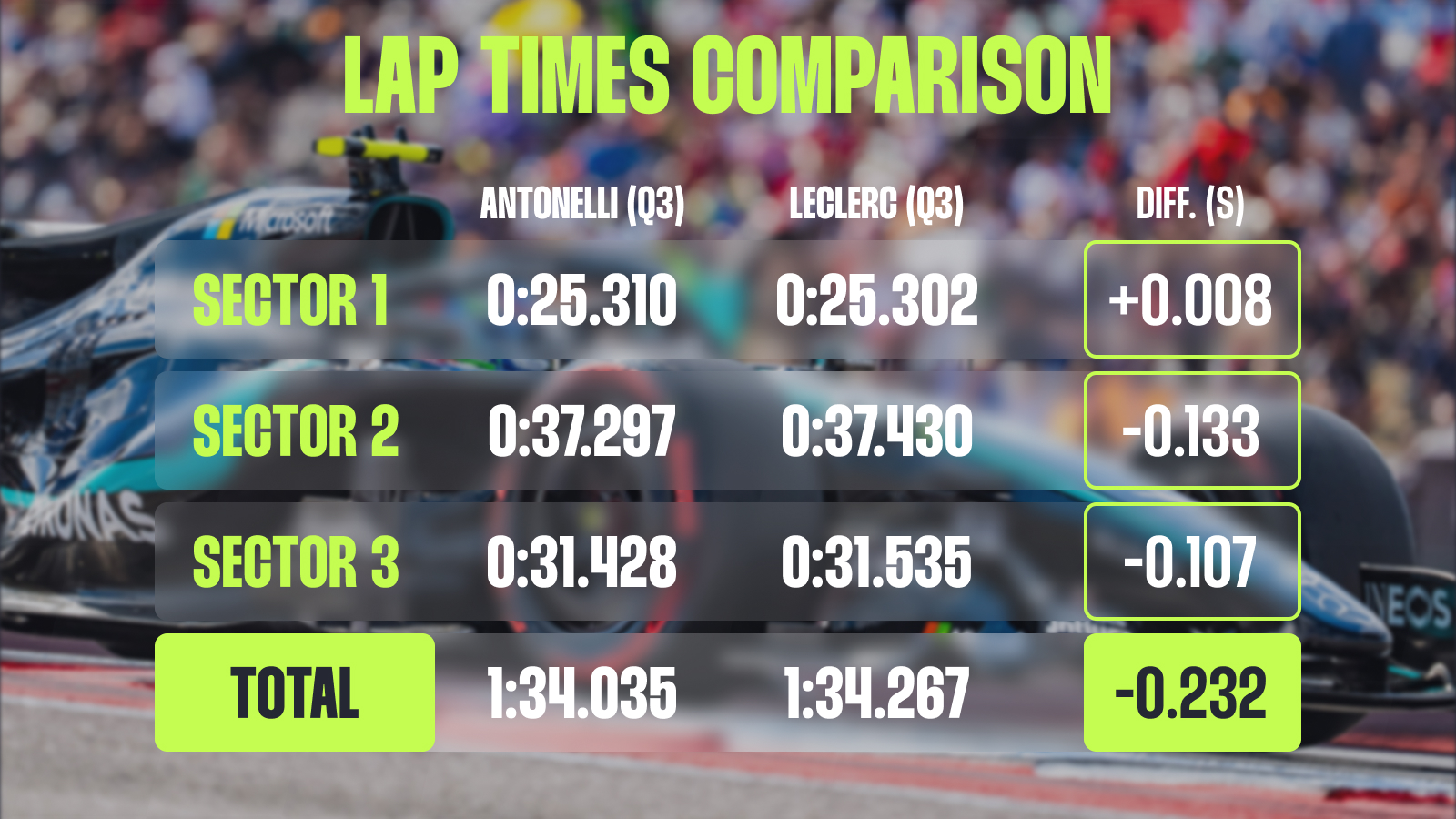
As Leclerc explained post-session, a drop of just a few degrees in ambient and track temperatures in Q3 proved catastrophic for their setup window. Their existing tyre warm-up struggles worsened, causing Leclerc to start the final sector on tyres not operating at their optimal thermal window.
The vehicle balance that had worked so well through that section vanished, taking their hopes of an American pole position with it.
However, if there is a circuit where qualifying mistakes can be rectified on Sunday, it is COTA. With a clean run through Turn 1, both Leclerc and Hamilton could well feature in the fight for the win.
The fact that the SF-26 does not switch its tyres on aggressively is actually a benefit over a full stint, meaning we should expect strong, consistent race pace from Ferrari. Furthermore, top speed carries slightly less weight over a full Grand Prix distance than it does on a single flying lap.
Just like on Saturday, however, their ultimate race pace on Sunday will hinge on track temperatures.
It remains to be seen whether conditions will play into the Italian squad’s hands and allow them to pull off a positive turnaround.
Read next: Leclerc’s untelevised furious Ferrari rant after qualifying disappointment in Austin