
Italian GP conclusions: Shameless Hamilton playing dangerous game, painful Russell defeat


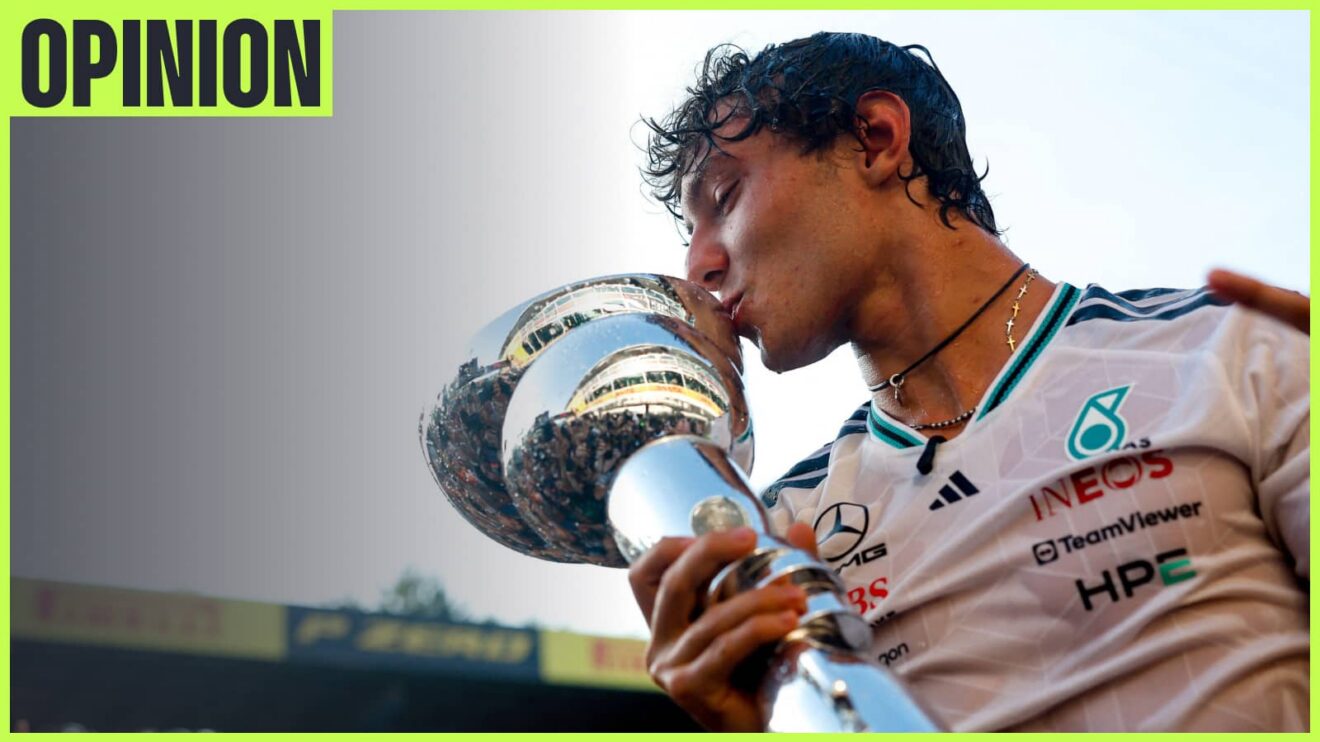
An instant classic of a victory: Kimi Antonelli won from 19th on the grid at Monza
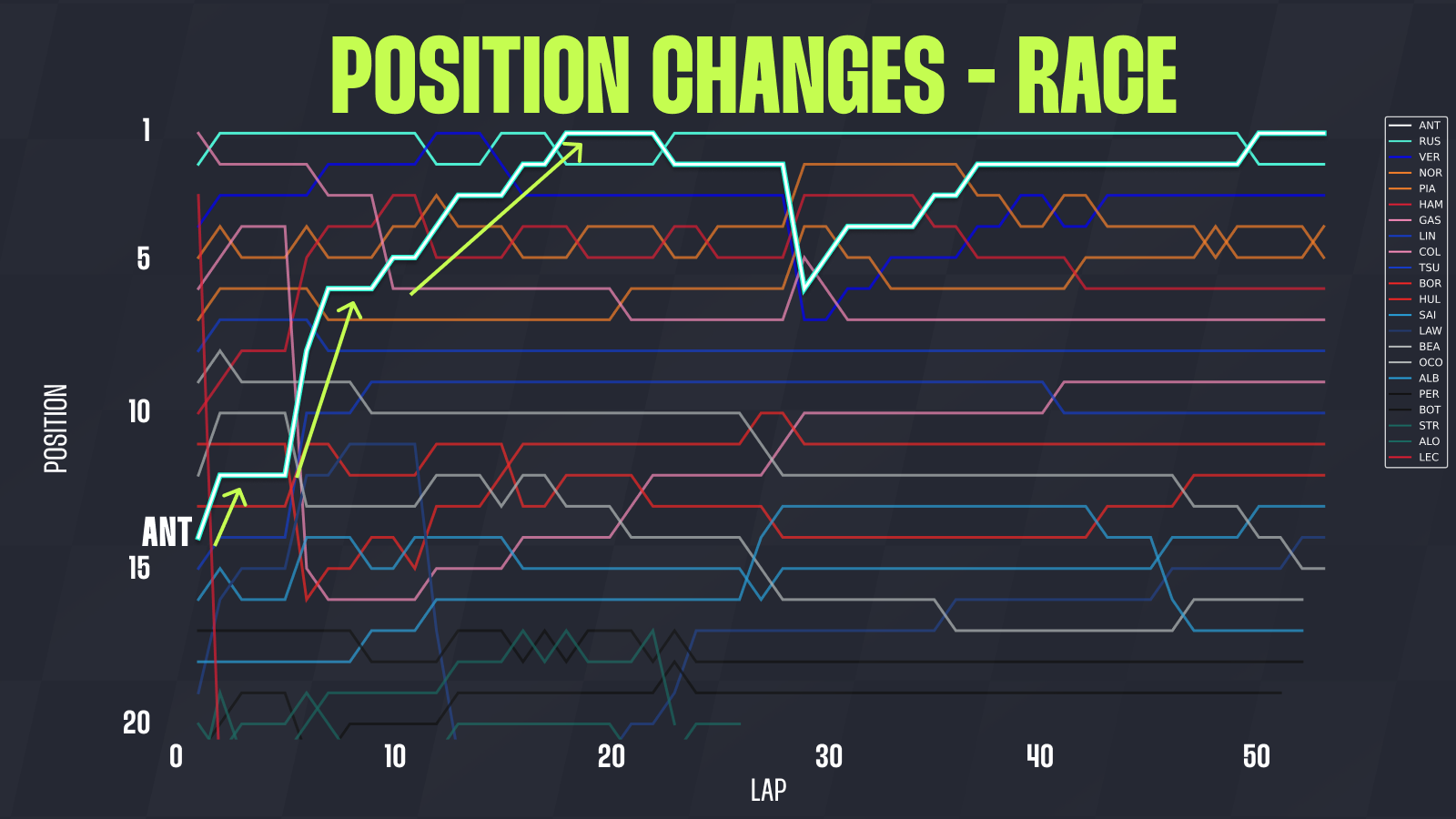
Mercedes driver Kimi Antonelli claimed his seventh win of the F1 2026 season in the Italian Grand Prix at Monza.
Antonelli recovered from 19th on the grid to take a giant step towards a maiden world championship, with Mercedes teammate George Russell second and Max Verstappen third for Red Bull. Here are our conclusions from Italy…
Kimi Antonelli’s first title-winning season now has a signature victory
Every great title-winning season needs a signature victory.
A summit. A defining moment that remains imprinted in the memories of all who witnessed it.
You could play an entertaining game of tennis with someone, taking turns naming the standout performances of the title-winning seasons of each driver throughout history.
Here are a couple from recent years for starters: Max Verstappen’s 2022? When he won from 14th on the grid at Spa.
2024? Brazil. Obviously.
See also Lewis Hamilton winning on three wheels at Silverstone in 2020. Dominating his home race in the rain in 2008. Ambushing the Ferraris at Monza in 2018.
These moments all add colour to the success; the memories of a great racing driver winning well are often even more valuable than the achievements themselves.
For all the success he has achieved this season, rising impeccably to every new challenge he has faced, Kimi Antonelli’s 2026 had lacked that standout victory.
One unfortunate consequence of him winning five races in a row earlier this season is that they all eventually blurred into one.
Monaco was highly impressive, of course, and you never forget your first time either.
But a signature win? No.
Not until now.
It was curious that Mercedes decided that Antonelli should serve his engine penalty at his home race.
The argument that Monza was the perfect place to mount a recovery was understandable, yet there seemed to be an element of mind management – of protecting Antonelli from himself – too.
Is there perhaps a lingering fear within the team that, as this season reaches its climax, the insecurities of Antonelli’s earlier days could resurface?
By sending him to the back, Mercedes effectively shifted his perspective for the weekend that means most to him, placing the emphasis on there being everything to gain and nothing to lose.
By his own admission, Antonelli – Andrea Kimi Antonelli, to use the Italian name he was born with – entered his home race feeling free. It showed.
Often it is said that world championships are won on a driver’s bad days.
Excluding mechanical retirements, Russell’s bad days this season have ended with him a penalised 12th in Monaco and in the gravel on the opening lap at Spa.
Antonelli’s supposed damage-limitation drives, by contrast? A third place in Hungary and a win at Monza. That’s the difference.
Conclusions recap: How the F1 2026 season has developed
Dutch GP conclusions: No tears for Zandvoort, Verstappen power play, Lawson makes his case
Hungarian GP conclusions: Norris afterglow, Piastri the nearly man, Newey insult
It was at his home race in 2021 that Verstappen began to have the look and feel of a world champion.
Five years on, the same was true of Antonelli – the most advanced F1 driver there has ever been for his age and experience – as he reeled in Russell and moved in for the kill.
When in the years to come people speak of Antonelli becoming the youngest-ever Formula 1 world champion in 2026, as surely he will in the coming months, Monza – 19th to first, the first Italian driver to win his home race in 60 years, tears rolling down his cheeks on the podium with his hand over his heart – will be the first thing to come to mind.
Here was F1 history written live and uncut. An instant classic of a victory.
How lucky we were to witness it.
The slow and painful death of George Russell’s title hopes
Oh, to be a fly inside George Russell’s helmet in those early laps after the restart at Monza, running in second place as the worst-case scenario began to dawn on him.
Straight ahead was Max Verstappen, his great nemesis, here to frustrate and hold him up and cost him time exactly when he didn’t need it.
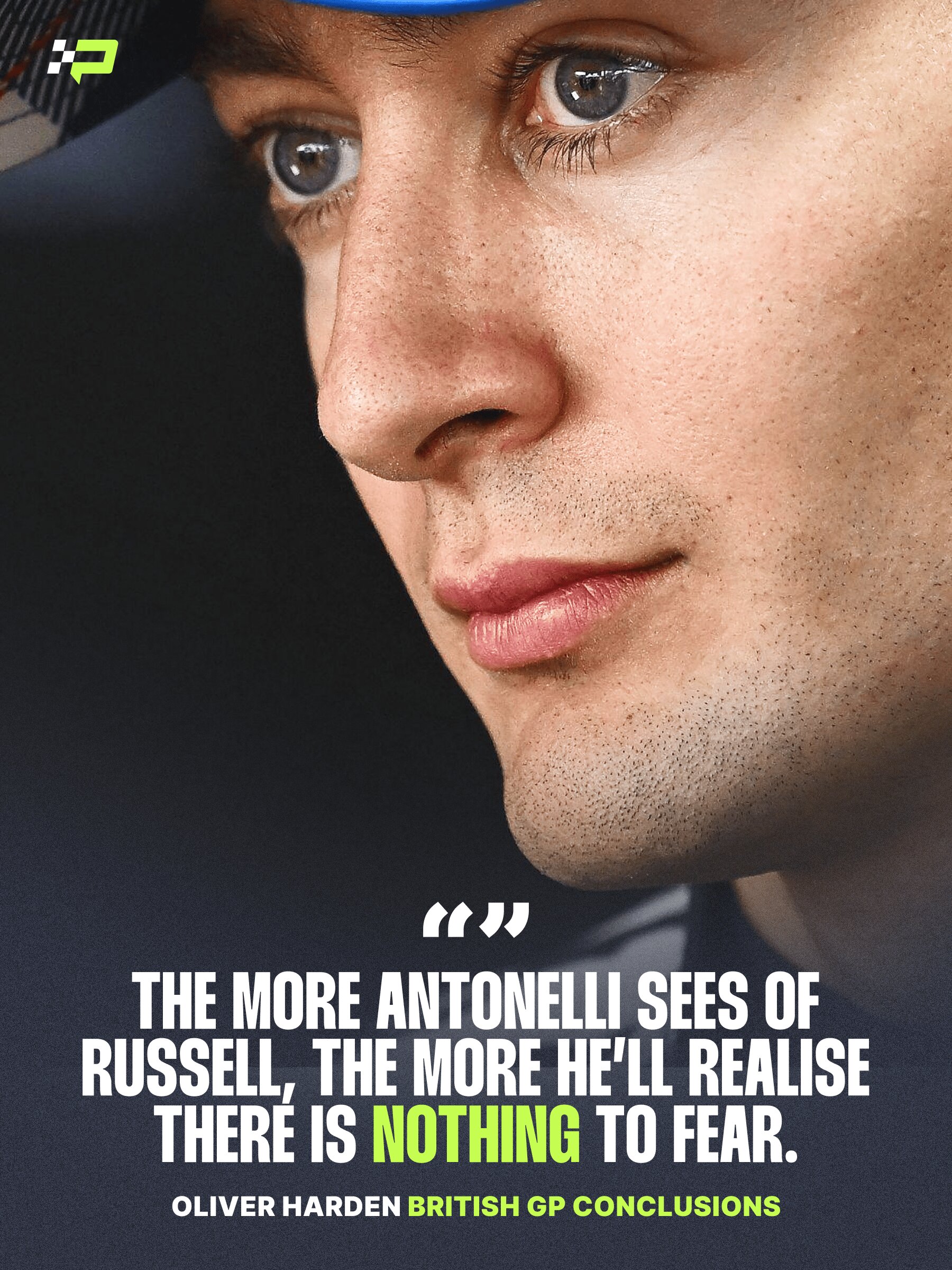
And right behind was Kimi Antonelli, 19th on the grid but growing larger, larger, larger in his mirrors as each corner passed.
What we were witnessing here, with every excruciating lap stuck behind Max, was the slow and painful death of Russell’s title hopes.
This, finally, was meant to be his moment. His weekend. His race.
Yet here was this golden opportunity slipping away from him, the advantage with which he’d started the afternoon somehow already wiped out in a matter of laps.
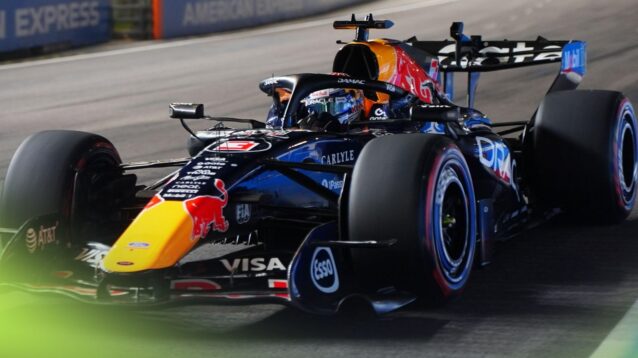
With Antonelli serving an engine penalty at Monza, it was almost universally assumed that this one would go to Russell, the coast clear for only his third victory of the season and his first since Austria at the end of June.
On a track almost perfectly suited to the Mercedes (any circuit where energy demands are high is pretty much guaranteed to be a Mercedes circuit in 2026), what was there to possibly stop him?
An omen that this weekend would not go entirely George’s way arrived when he was beaten by an Alpine – a humble Alpine! – to pole position.
Russell was invited to look ahead to Sunday in the post-qualifying press conference, telling PlanetF1.com and other media outlets: “I don’t really know where the fight is tomorrow…”
Maybe he should have known all along where the real threat would lie.
Having refused to let Russell rest since the opening race in Australia, perhaps in hindsight it was inevitable that Antonelli would be with him sooner than later, using the Mercedes’ inherent pace advantage to slice through the field in double-quick time.
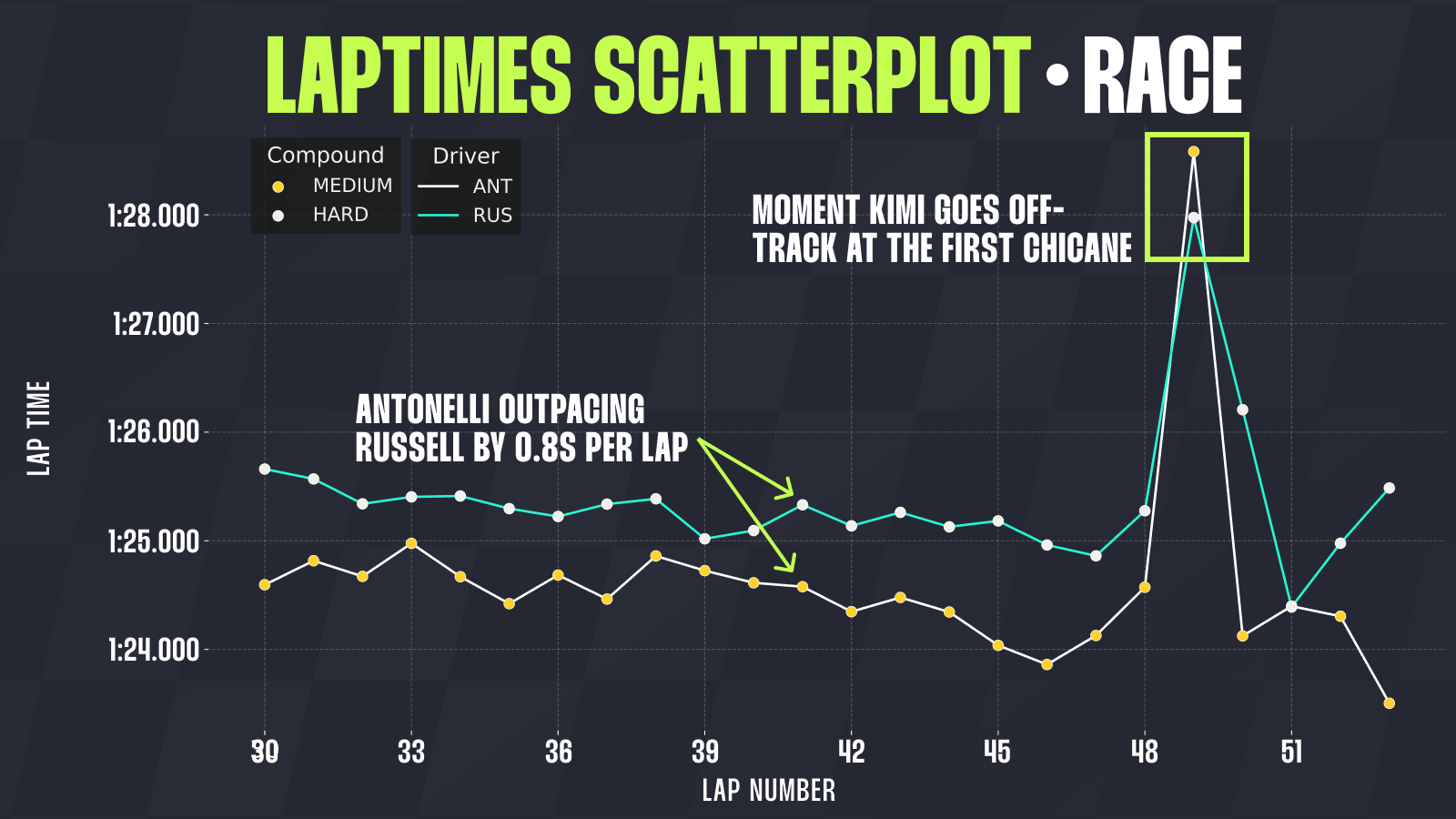
The climax of the race, as Antonelli made a mess of his first attempt at overtaking Russell before waltzing back up to him and completing the pass with minimal resistance, seemed to encapsulate the 2026 season of each Mercedes driver.
There was Antonelli, more agile, more confident, driving with an energy and a freedom that made anything seem possible.
And there was Russell, limping like a wounded animal on the same hard tyres he’d had since the restart and succumbing to what had somehow gone from a routine victory on paper to an imminent defeat.
This was the race Russell could not lose. Could not afford to lose.
He lost it.
Lewis Hamilton is playing a dangerous game by picking fights at Ferrari
The most amusing thing about Lewis Hamilton’s complaints about Charles Leclerc on the opening lap?
The complete and utter hypocrisy of it all. Lewis has pretty much built a career on the sort of move Charles made on him at the first chicane.
So often in the Mercedes days Nico Rosberg would try his luck hanging around the outside of Hamilton at the start of a race, giving his teammate an open invitation to ease him off the circuit.
And every single time – Japan/Austin 2015 and Canada 2016 immediately spring to mind – Lewis would graciously accept.
There was a genius to it – no different, really, to how a team might push the technical regulations to the absolute limit.
Hamilton would do just enough to compromise Rosberg, costing him a bundle of positions, but crucially without ever falling foul of the rules.
Indeed, never have the racing rules been played so cleverly (slyly?) and discreetly by a driver.
Nico would always whine about being forced off track, of course, but ultimately the fault lay with him for repeatedly and naively leaving himself exposed to the machinations of the sister Mercedes.
So to hear Hamilton, now in the Rosberg role, take issue with Leclerc’s robust approach to the start on Sunday was especially shameless.
Like Nico back in the day, Lewis – breathtakingly aggressive against Charles into Turn 1, as if trying to plant his flag and impose a kind of inter-team superiority at Ferrari’s home race – should have seen what was coming and adjusted accordingly before it got to that stage.
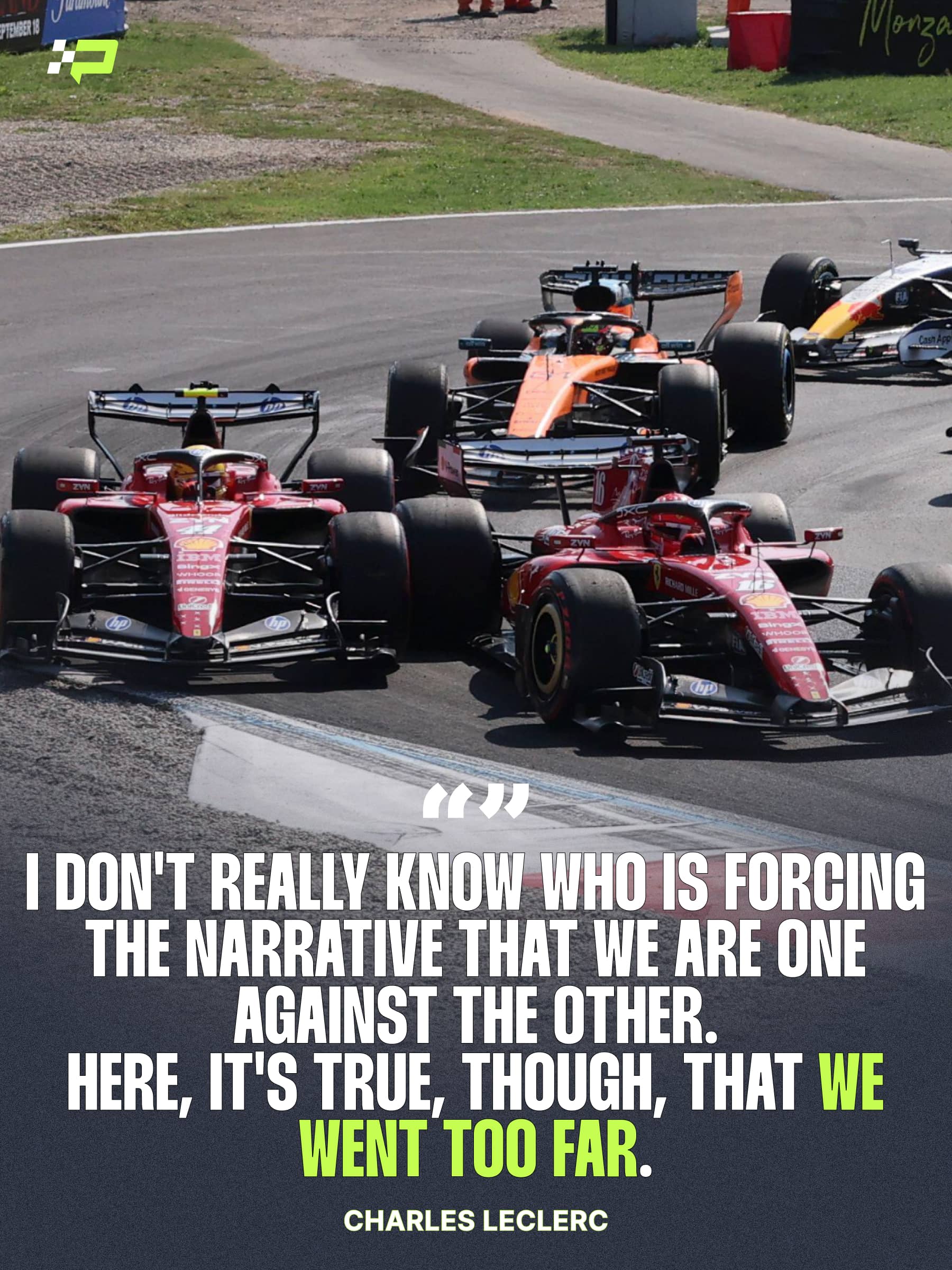
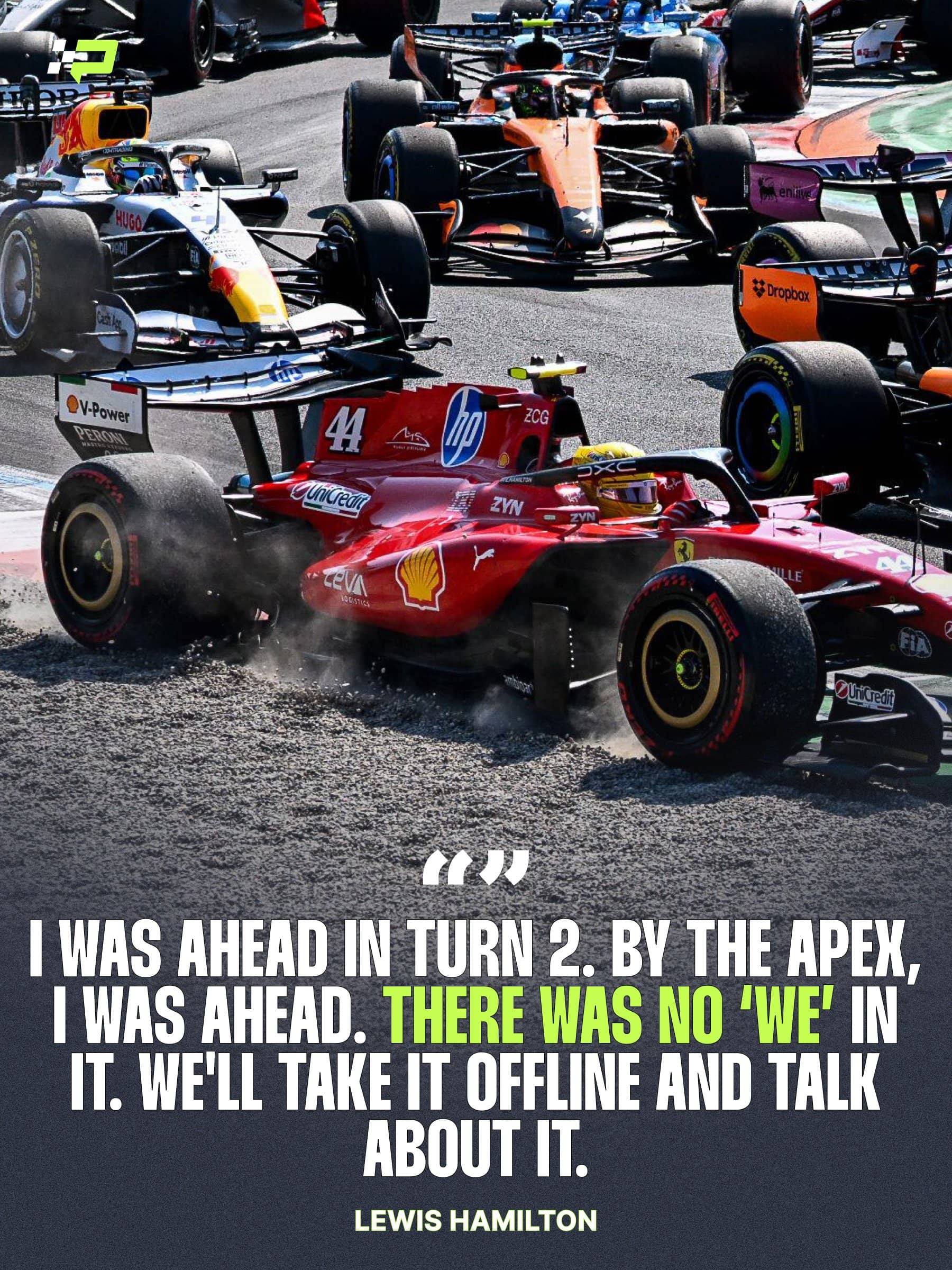
Yet his reaction to the incident was merely in keeping with Hamilton’s general demeanour since around the time of the summer break.
He has been particularly irascible over recent races, reverting to his 2025 mode of seeing only the bad at Ferrari now the afterglow of his Barcelona victory has worn off.
In almost everything he has found fault: his teammate’s racecraft, the pit wall’s execution and communication, team orders both in-race and in the context of the championship (“it’s far too late,” he said on Sunday evening on whether Ferrari should favour him from here).
And in most cases, he has a point: Ferrari continues to fall frustratingly short in a number of areas.
Yet by expressing his complaints so forcefully and so publicly – constantly pointing out how poorly Ferrari operates compared to Mercedes will only irritate everyone at Maranello – he risks falling into the classic Fernando Alonso trap of alienating the team around him.
Too often lately the overriding tone of Hamilton’s comments has been: ‘Seriously, what am I meant to do with this lot?’
Historically, Ferrari drivers tend not to fare too well when a split develops down the middle and the dynamic between team and driver stops being ‘we’ and instead becomes ‘you and me’.
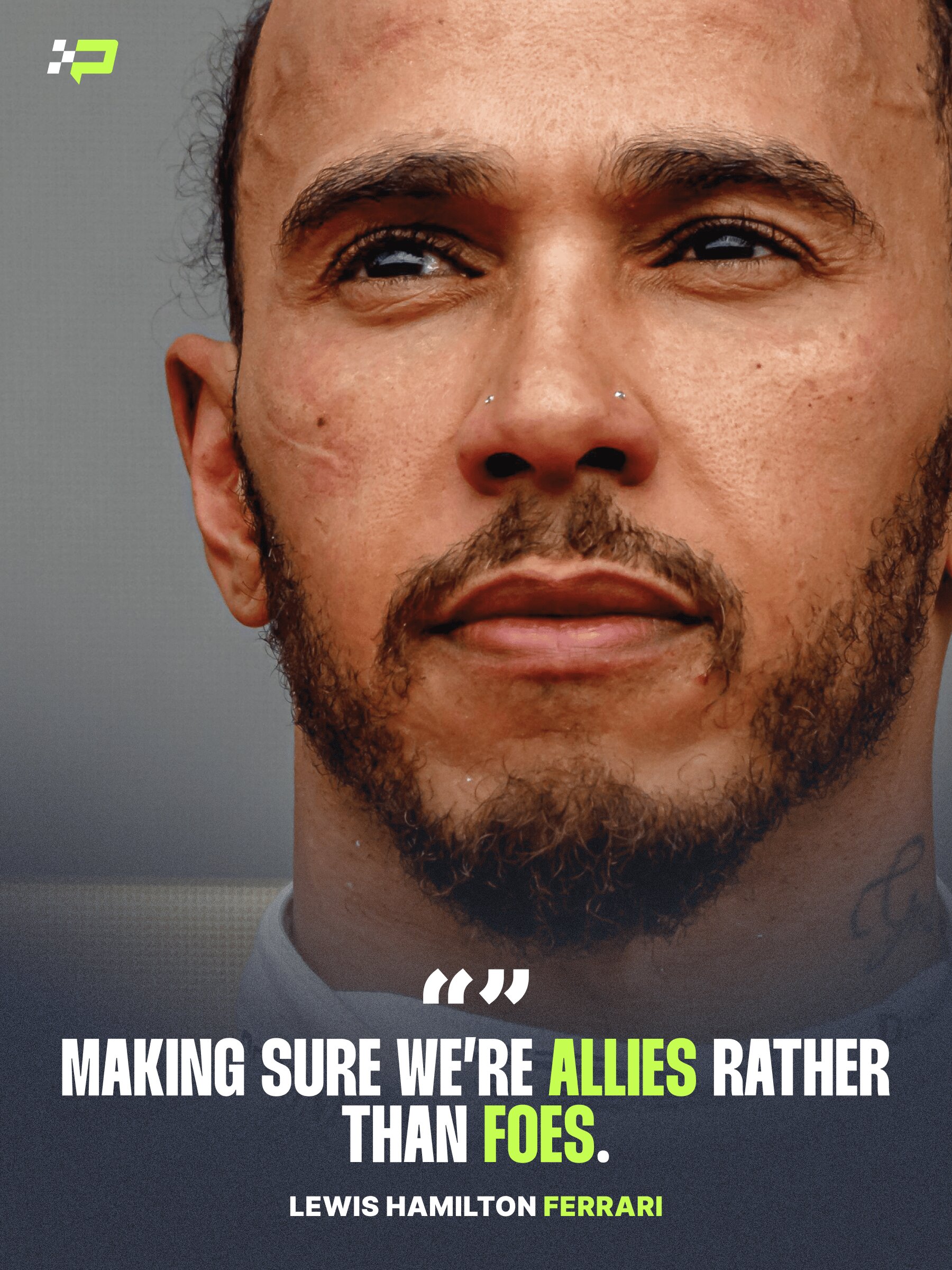
Indeed, note the firm reaction by the likes of Jean Alesi to Hamilton’s various comments at Zandvoort, for which Lewis later apologised, and there is always a Ferrari figure – be it a former driver, team principal or executive – ready and waiting to defend the team’s honour.
Call it a culture clash if you must, but the sort of remarks Hamilton has made over recent weeks do not go down at all well in these parts.
This is precisely why Hamilton’s famous ‘documents’ – a running joke in the second half of 2025 – were met with resistance in some quarters last year. Why should we listen to him? An outsider? What has he done for us lately?
For all the good he believes he is doing by highlighting these areas of weakness, there will always be those who interpret his list of suggestions as a basic lack of trust in Ferrari. Especially so when he airs them via the media.
He is playing a dangerous game by picking so many fights.
And that afternoon in Barcelona? It is starting to feel a long time ago now.
This will not end well.
Pierre Gasly is the most underrated driver on the grid
When he returned to Formula 1 with Alpine in 2024, Flavio Briatore was said to have been pleasantly surprised by what he found in Pierre Gasly.
In a sport and media landscape obsessed with what Max and Lewis did next (guilty, your honour), sometimes it is easy for those watching from the outside to fall into the trap of thinking that the supposed lesser teams and drivers exist purely to make up the numbers.
The reality, as ever, is very different.
Even the drivers in the midfield and at the back are operating at an exceptionally high level.
Even the driver you consider to be the worst on the grid – yes, even the very driver you are probably thinking of right now (let us guess: rich father, wears a lot of green, loves nothing more than a good press conference) – is supremely talented by normal standards.
Among F1’s unlikely lads, none have performed to such a consistently high standard in recent years as Gasly.
“I consider Pierre one of the best drivers in Formula 1,” Briatore said last year. “I think he’s one of the top six drivers in Formula 1.”
Perhaps the biggest compliment you could pay Gasly is that, in his fourth season with Alpine, it feels as though the team now belongs to him.
In much the same way Red Bull’s world revolves around Verstappen. Or how McLaren is increasingly becoming Lando Norris’s kingdom.
It is common for teams at the front to gravitate towards a single driver over time; rare for one in the midfield, which has to fight for every point it gets, to be so dependent on one man.
Yet this is the situation Gasly’s leadership and performances have created for him ever since he strolled into Enstone and ran Esteban Ocon out of town.
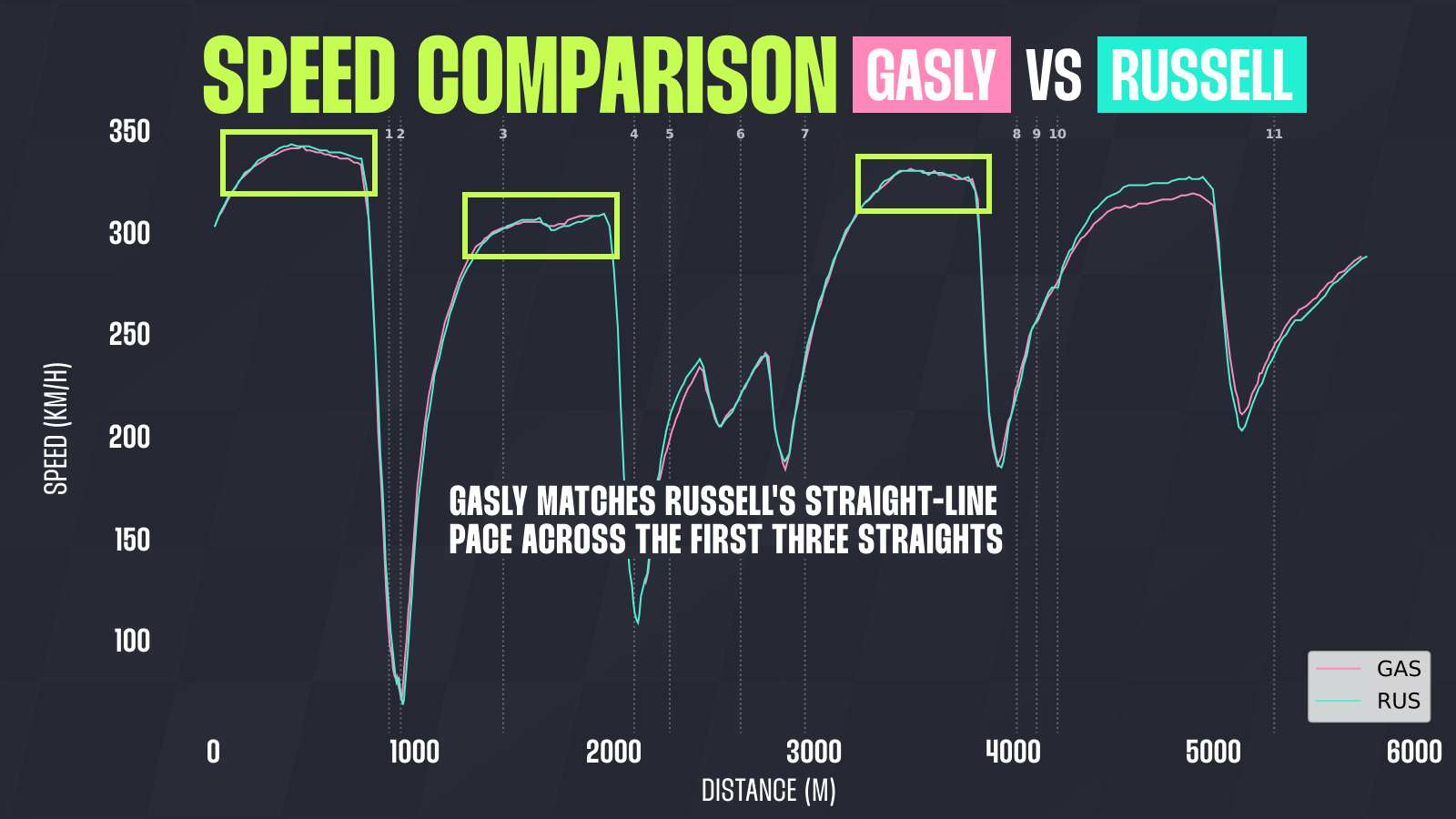
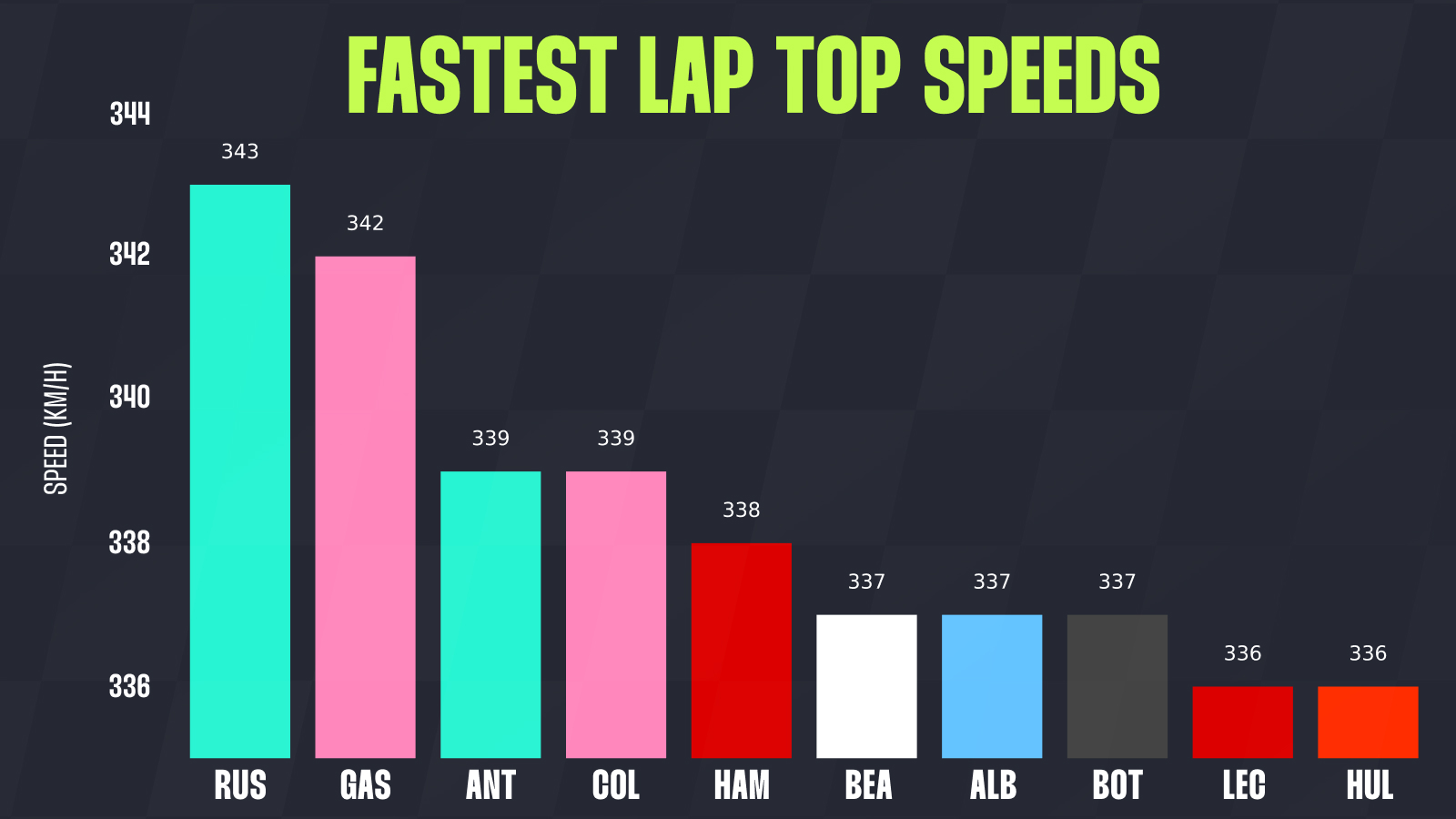
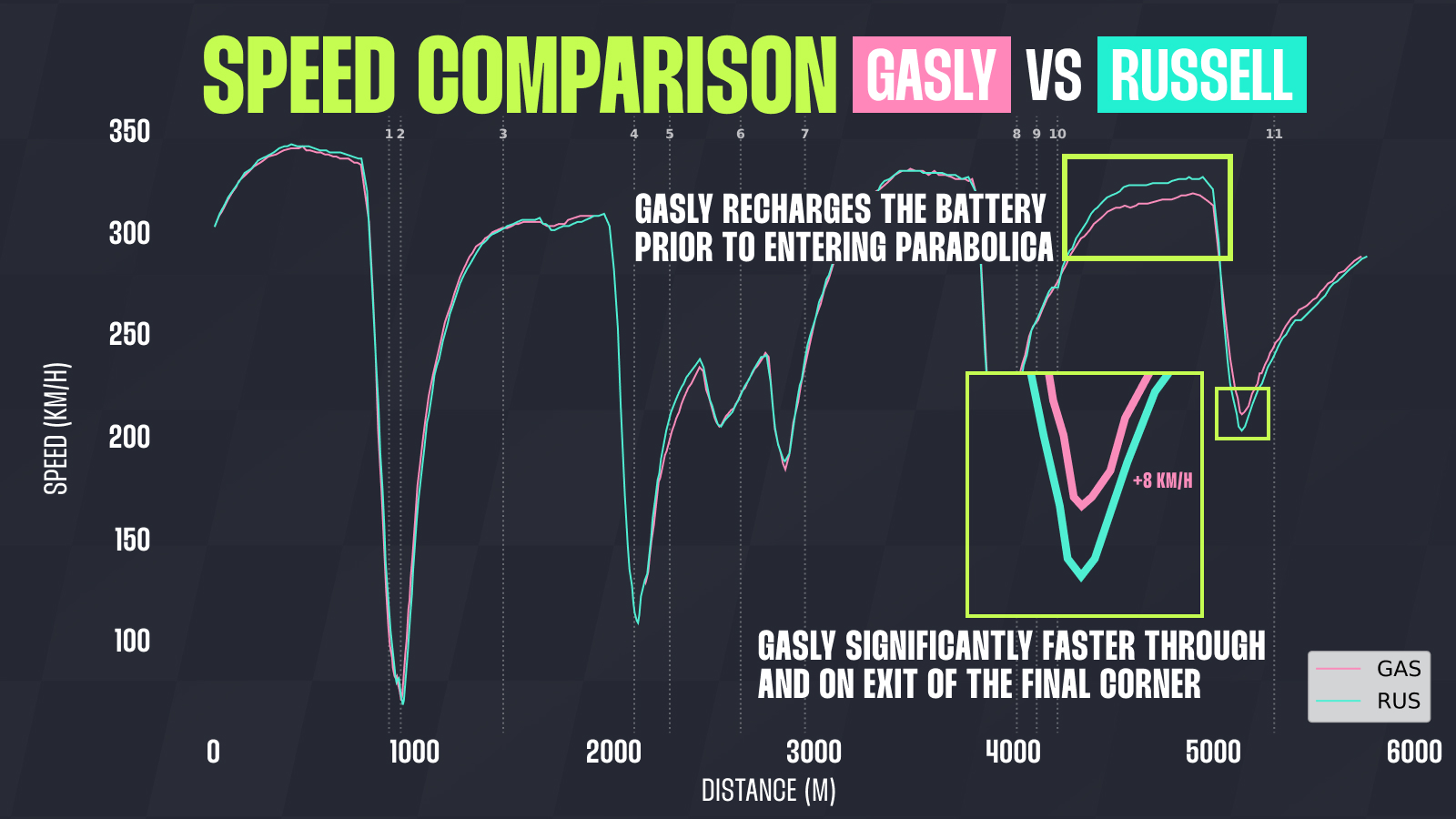
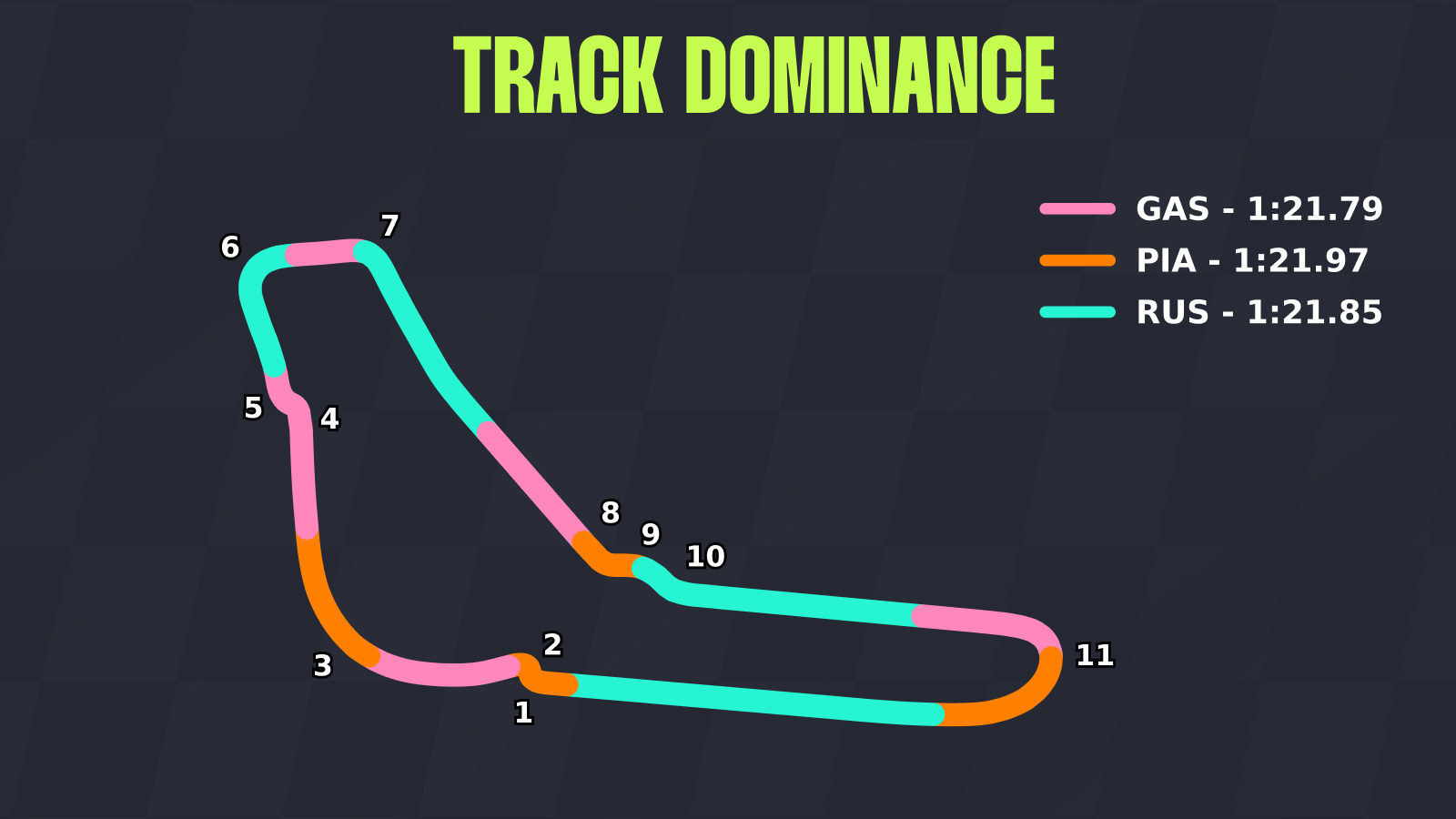
Briatore’s own role in Gasly’s pole position at Monza should not be overlooked either.
It has been plain over the years that Flav’s brain works differently to most people in Formula 1.
It has landed him in trouble once or twice – the latest example being his performance in Friday’s press conference – but has also brought him considerable success.
As recently as last year, Alpine would have dreaded a trip to Monza, a circuit that for 12 long years exposed Renault’s painful power shortfall compared to rival engine manufacturers.
Briatore took that problem away overnight by swapping Renault for Mercedes – and to hell with all those underachievers in Viry who didn’t like it – all while assembling a team of trusty FIA types with motor racing in their bones like Steve Nielsen and Jason Somerville.
There is a simplicity to his approach – equip the team with whatever it needs to succeed, no matter what it takes – that others in the paddock could learn from. Formula 1 is only ever as complicated as you choose to make it.
In one of those glorious coincidences sport throws up from time to time, Gasly led the field away from pole on Sunday six years to the day since he secured his only F1 victory at the same circuit.
The image of Gasly, a hero just for one day, crouching to sit on the top step of the podium and take it all in back in 2020 remains a symbol of hope for all who exist on life’s fringes.
He was still bruised back then by the experiences of the previous 12 months.
Still not comfortable in his own skin. Still struggling to find his way in Formula 1.
Rest assured that he has found his way now.
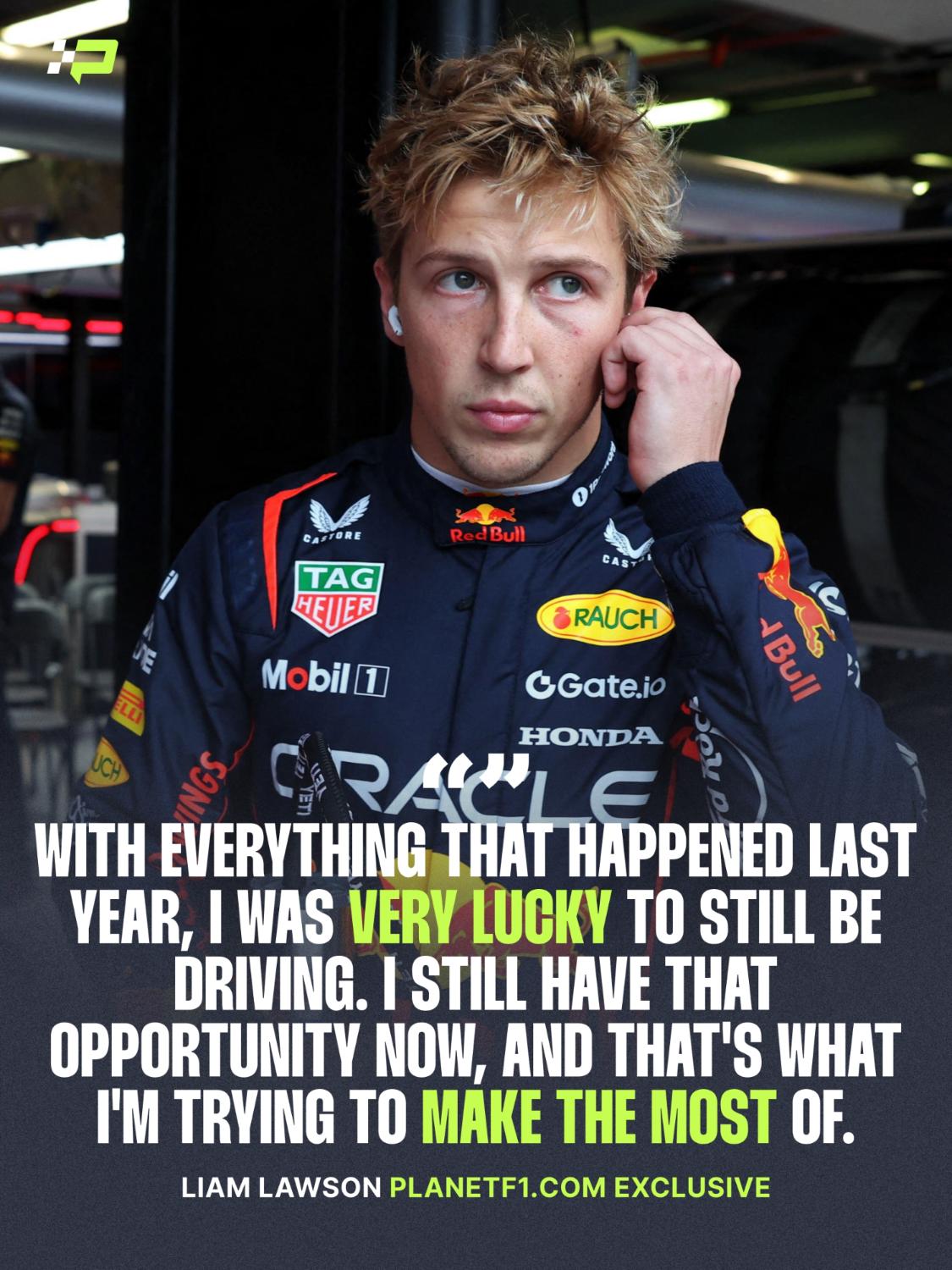
A team radio message Liam Lawson may live to regret
Liam Lawson came away from his first race back at Red Bull at Zandvoort with a lot of credit.
Less so at Monza.
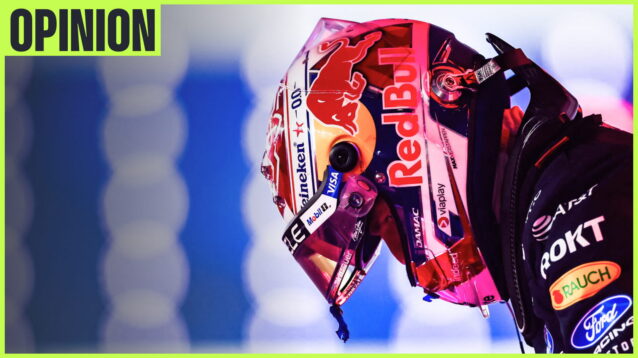
With an engine penalty to serve, his Q2 exit was no disaster even if it had the unfortunate effect of denying Max Verstappen a tow buddy for Q3.
And with Oscar Piastri getting in his way at the first chicane, Lawson had an obvious target for his frustration.
Yet inexplicably, he turned on his own team in the heat of the moment instead.
“Bro, that’s actually appalling,” Lawson said over team radio. “I can’t believe how bad you just f**king left me out to dry.”
PlanetF1.com understands that Lawson, who has recovered his poise well since the horror of his first stint at Red Bull, is likely to be retained by the Racing Bulls team for 2027, with F2 championship leader Nikola Tsolov in line for a reserve role next season.
But let’s assume that the same thinking at Red Bull that ultimately spelled the end for Daniel Ricciardo in 2024 – a determination for Racing Bulls to return to its roots as a team to develop young talent – remains in place today.
If so, Lawson (24) will be on borrowed time the moment Tsolov (19) becomes eligible for an F1 race seat.
It is in Lawson’s own interests to make himself attractive to potential suitors outside the Red Bull family in the medium-to-long term.
His emotional outburst on Saturday afternoon will not help and did little to change perceptions that Lawson has a little too much to say for himself.
Not so smart.
Want to be the first to know exclusive information from the F1 paddock? Join our broadcast channel on WhatsApp to get the scoop on the latest developments from our team of accredited journalists.
You can also subscribe to the PlanetF1 YouTube channel for exclusive features, hear from our paddock journalists with stories from the heart of Formula 1 and much more!
Read next: Antonelli and Russell telemetry data settles Mercedes Monza strategy debate