
Singapore GP conclusions: Lewis Hamilton misconception, Norris ego, final Russell humiliation
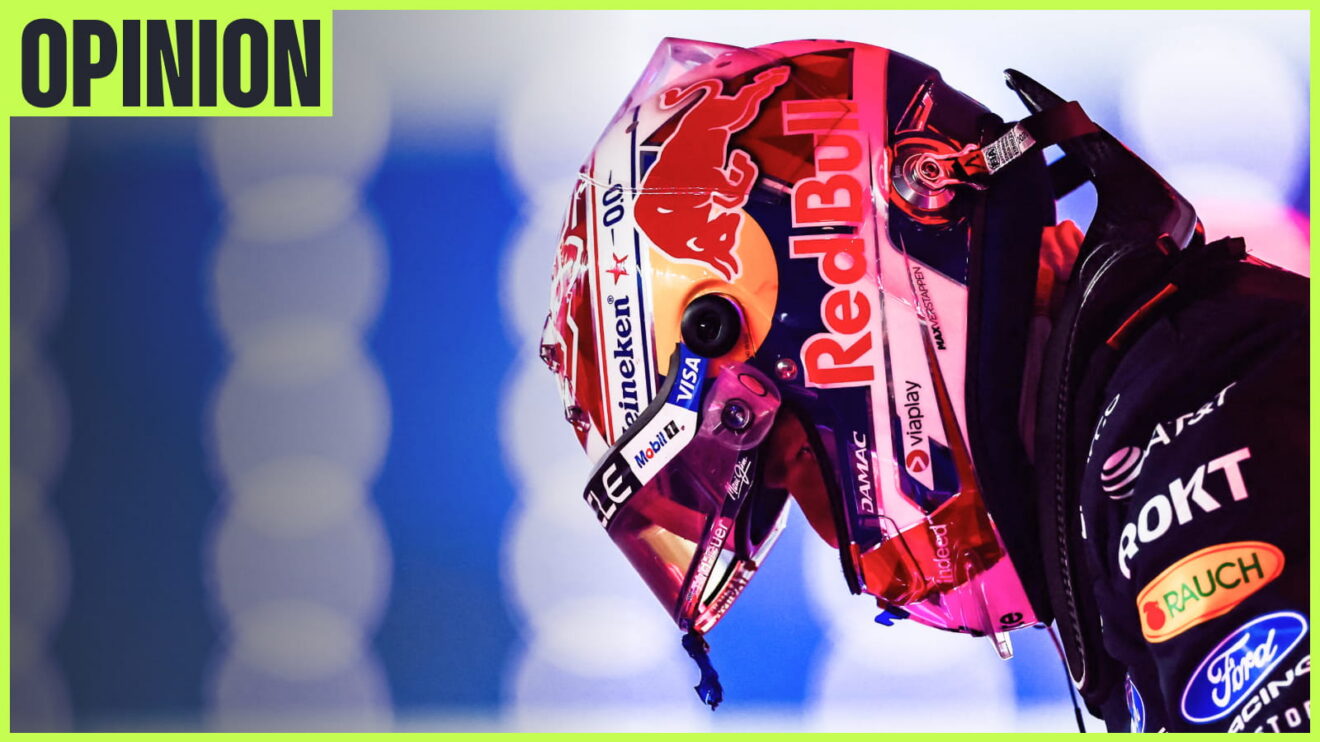
Max Verstappen claimed a second straight win in Singapore
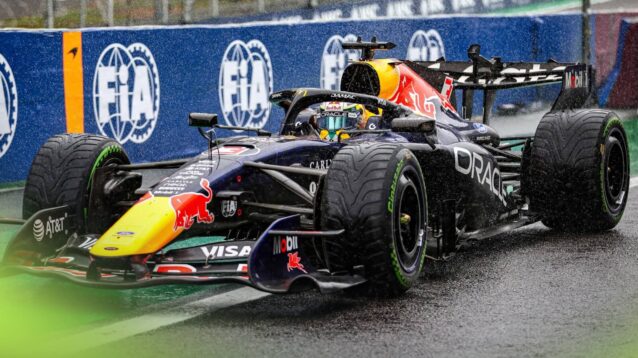
Red Bull driver Max Verstappen claimed his second win of the F1 2026 season in the Singapore Grand Prix at the Marina Bay street circuit.
Verstappen converted pole into a second consecutive victory after his triumph in Malaysia last weekend, with Charles Leclerc second for Ferrari and Kimi Antonelli third for Mercedes. Here are our conclusions from Singapore…
The relentlessness of Red Bull and Max Verstappen
You might remember the joke that circulated for a little while when Red Bull’s first period of dominance with Sebastian Vettel came to a shuddering stop in 2014.
The car that year was called the Red Bull RB10. Say it quickly and what do you have?
Red Bull are bea-ten. Geddit?
But Red Bull never was truly beaten.
It was down, sure – the magic deserted Milton Keynes in that dark age between Vettel’s departure and the arrival of Max Verstappen – but it was never out.
A few months after the Red Bull era was declared over, in fact, Red Bull was already back to winning races.
It was a mark of the enduring quality and resilience of the team that just as it was being written off, Red Bull began to rise again.
In truth, there wasn’t the same faith that Red Bull would – could – bounce back this time. How could there be?
How could there be after all the high-profile departures of recent years, with so many unknowns hanging in the air?
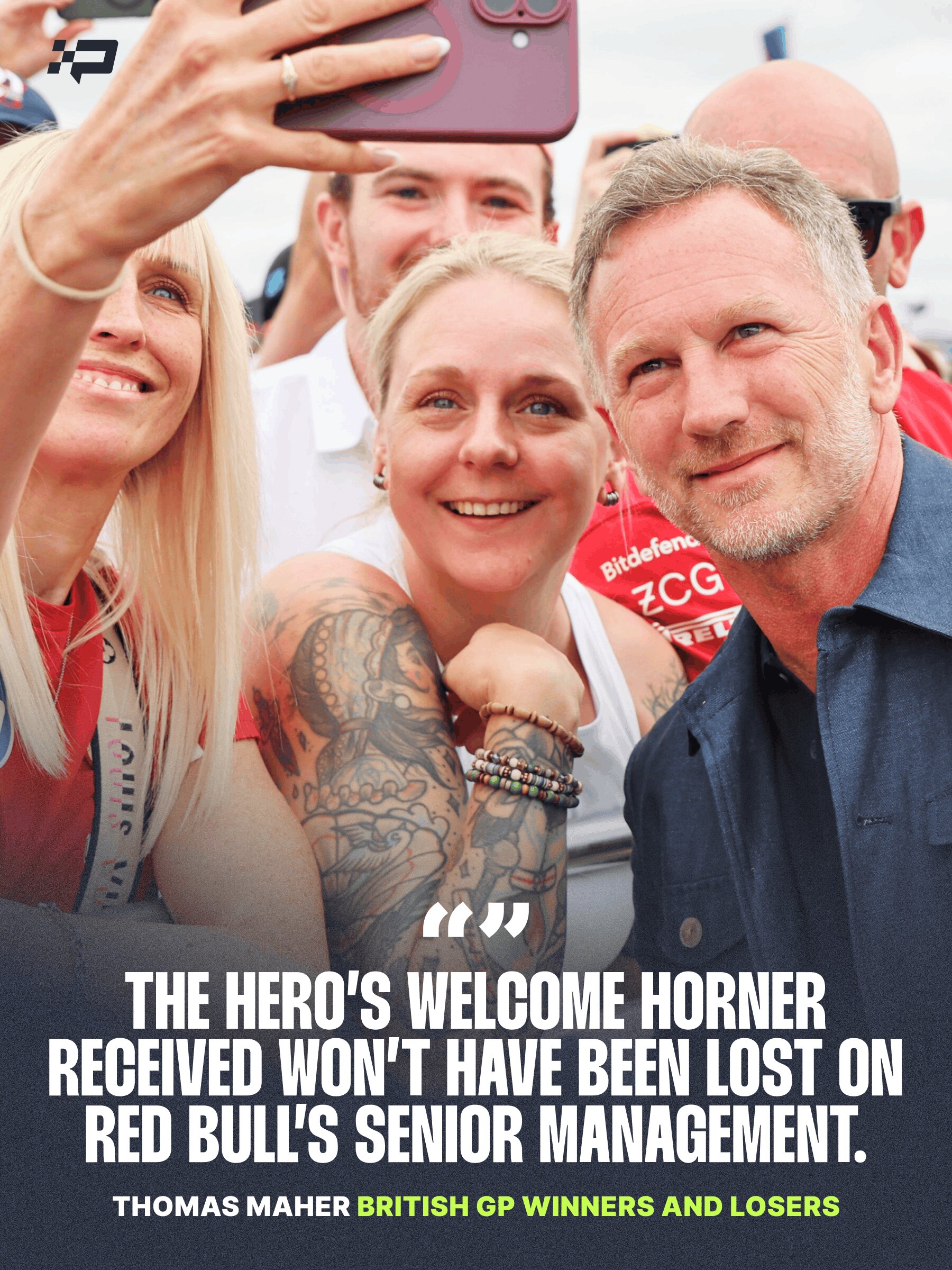
What exactly is Red Bull without Christian Horner overseeing everything? Without Adrian Newey there to design the car?
Without Jonathan Wheatley licking his finger, holding it in the air and knowing instinctively which tyres to choose for any given situation?
The events at Red Bull over recent years have ticked all the classic boxes of a crumbling empire, of a team in terminal decline. Last one out, turn off the lights.
And yet still.
Still Red Bull is never quite beaten. Never quite down and out. Never quite ready to be written off completely.
Nor is the driver.
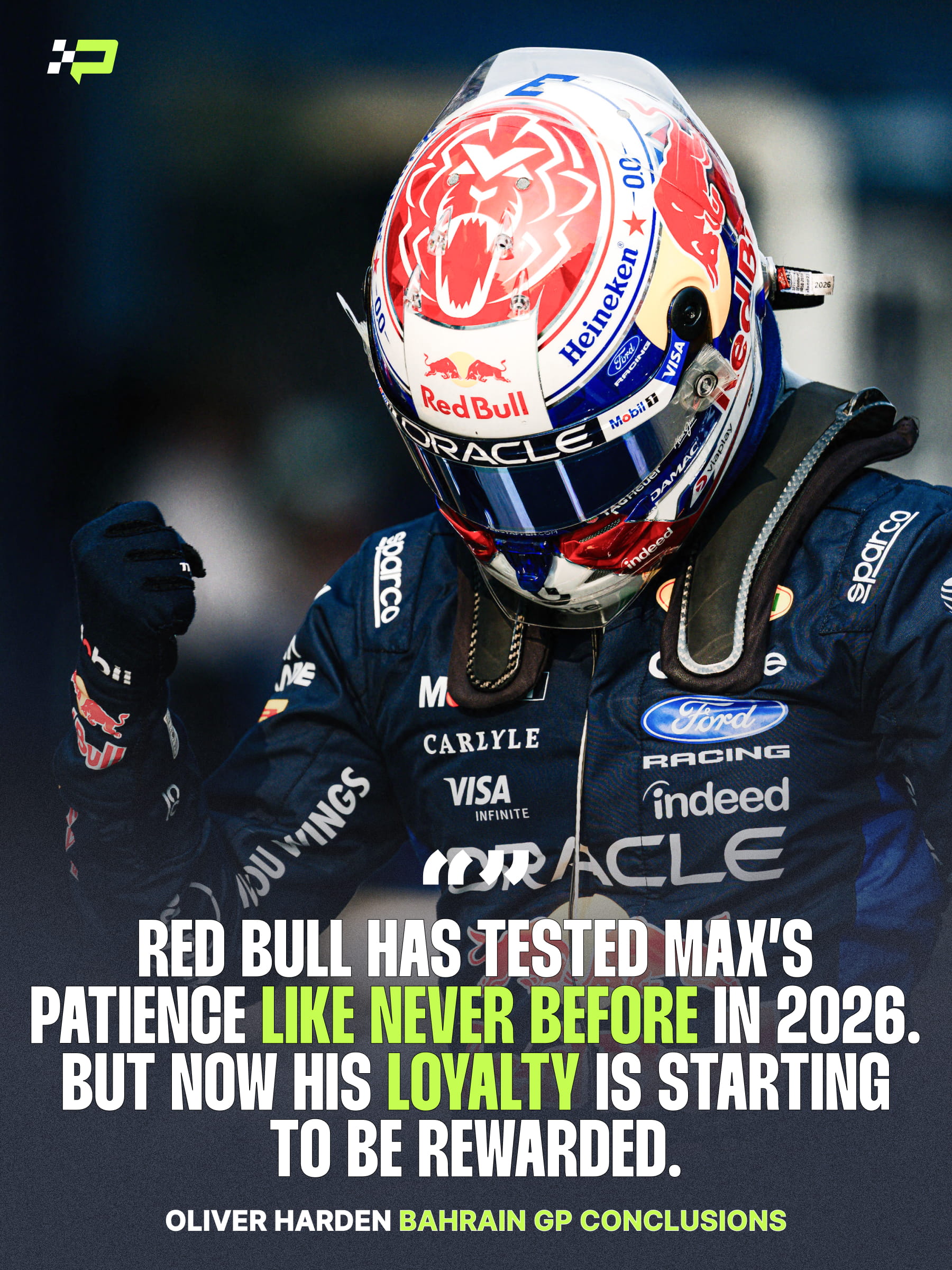
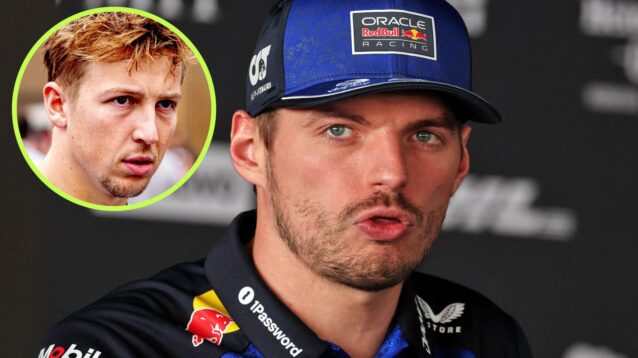
Why is it that some already regard Max Verstappen as the greatest driver in the sport’s history despite his comparative lack of world championships?
The guy never has a day off. Never leaves anything on the table. Never performs below the level of the car.
That doesn’t mean that he doesn’t make mistakes, but it does mean that the car is driven to its absolute physical limit every single time he lowers himself into the cockpit.
Whatever Max gets out of the car is everything the car has to offer on that particular day in the good times and the bad.
No other driver has ever hit such a consistently high standard.
That relentlessness – combined with his highly attuned feel for detecting things within the car that barely show up in the data – makes Verstappen a dream for the technical team behind the driver.
Like all great drivers, Max’s talent effectively acts as the guiding light for the team’s development.
Having struggled to prove himself since he was thrust into the lead role in 2024, the last two races have seen Pierre Waché finally begin to step out of Newey’s shadow.
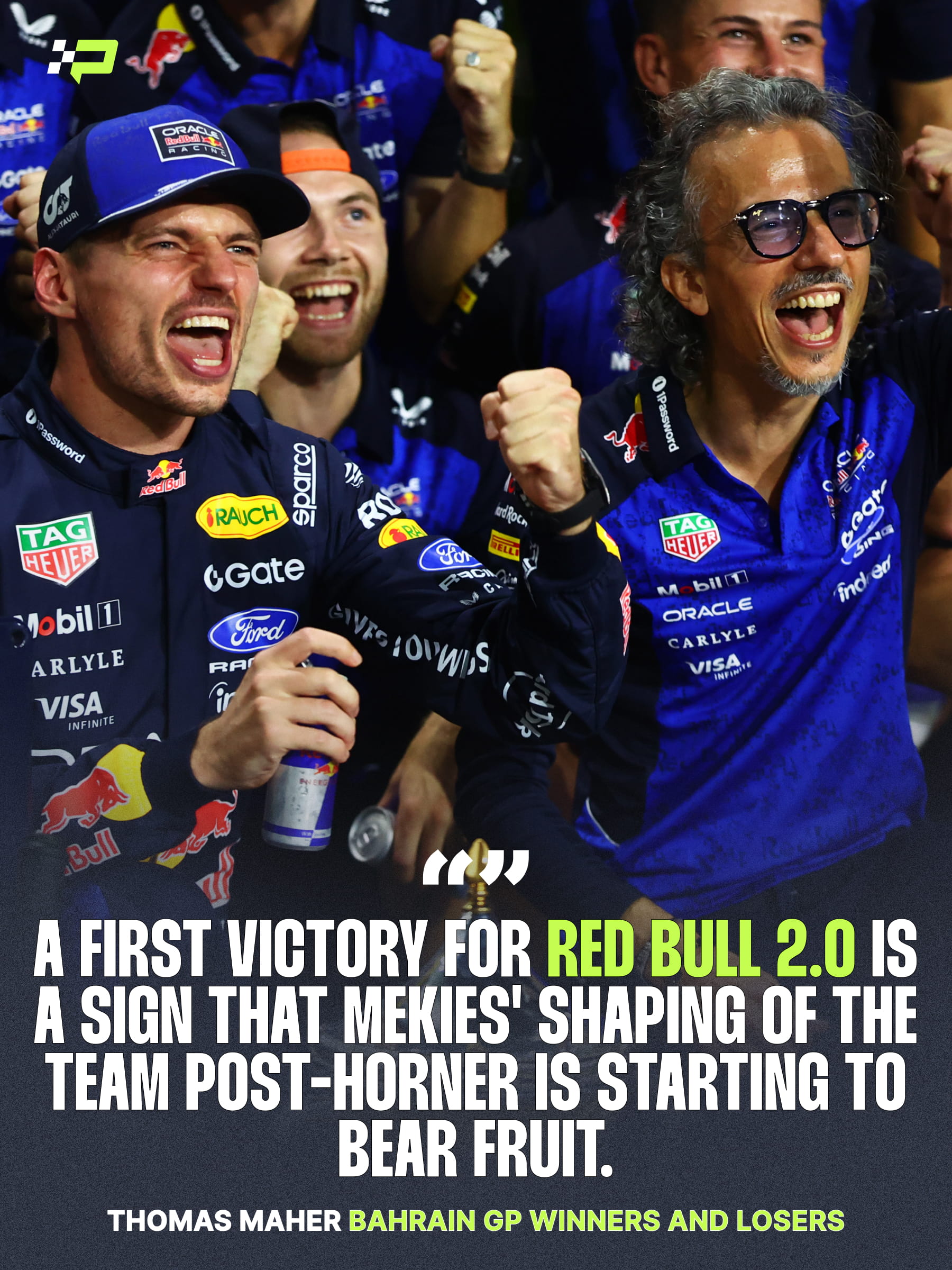
The transformation of the RB22 from the worst car Red Bull has produced since 2015 into a winner at two very different circuits has completed the team’s latest resurrection.
And suddenly, having looked like its best days were long gone a matter of months ago, everything is starting to come together again ahead of 2027.
Verstappen and Red Bull, it seems, are back.
Not that they ever went away, of course.
One hell of a driver. One hell of a team.
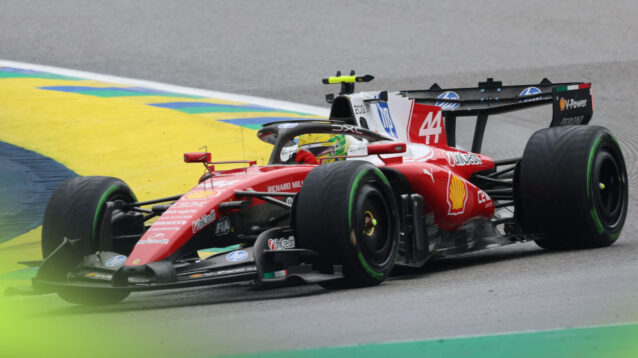
Memo to Lewis Hamilton: Not all great drivers make great team leaders
Ever since Lewis Hamilton joined Ferrari at the start of 2025, a widespread misconception has taken hold and come to be treated as fact.
You see it all the time on social media and the comment sections and it goes something like this.
Because Lewis Hamilton has won seven world championships, and Ferrari hasn’t won any for the last two decades, the team simply must listen to him.
For if there is anyone in Formula 1 who knows how to win the title, it’s Lewis.
And to some extent, there is merit to that argument.
But only to an extent.
Because if you’re looking for advice on how to manage a set of tyres across the final 25 laps on a hot afternoon in Barcelona, Hamilton is your man.
And if the track is drying and you need someone with the touch and feel to make the transition from wets to slicks, with no need for a middle stop for intermediates, look no further than Lewis.
Nobody does it better.
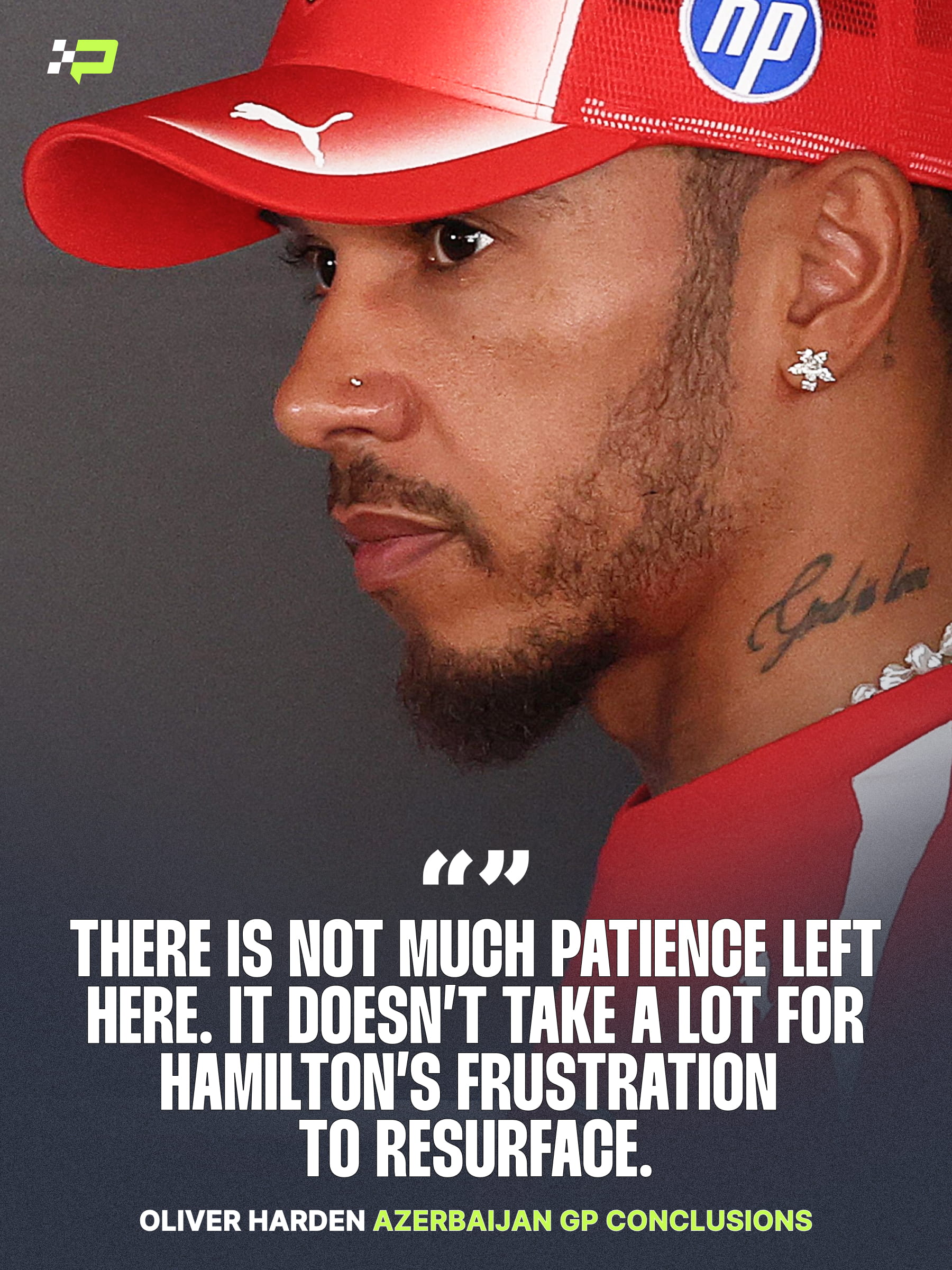
But when it comes to the fundamentals of building a team? Of being an organiser?
Of having the personality, the people skills, the charisma to grab a team by the scruff of the neck and drag it up to standard?
Let’s be real: this is not Michael Schumacher or Jackie Stewart we’re talking about here.
Just because Hamilton is an enormously skilled driver – in many eyes the finest to ever grace a racing car – it does not automatically make him an effective team builder.
That was never within his remit at McLaren and Mercedes, where he was effectively the prized cog in an exceptionally well-oiled machine.
True, Ferrari in 2026 is not up to that level. Nowhere close. Which has perhaps inspired Hamilton to take on a role that does not come naturally to him.
Yet there is a distinction between being a key part of a successful team and being responsible for shaping one.
For all he has achieved in F1, the hands-on leadership role he has tried to embrace since joining Ferrari has been a new experience for him.
Often he seems merely to be playing the part of what he thinks – or, perhaps more to the point, has been led to believe – a successful Ferrari driver should be.
Little wonder, then, that the relationship between team and driver has been so uneasy at times.
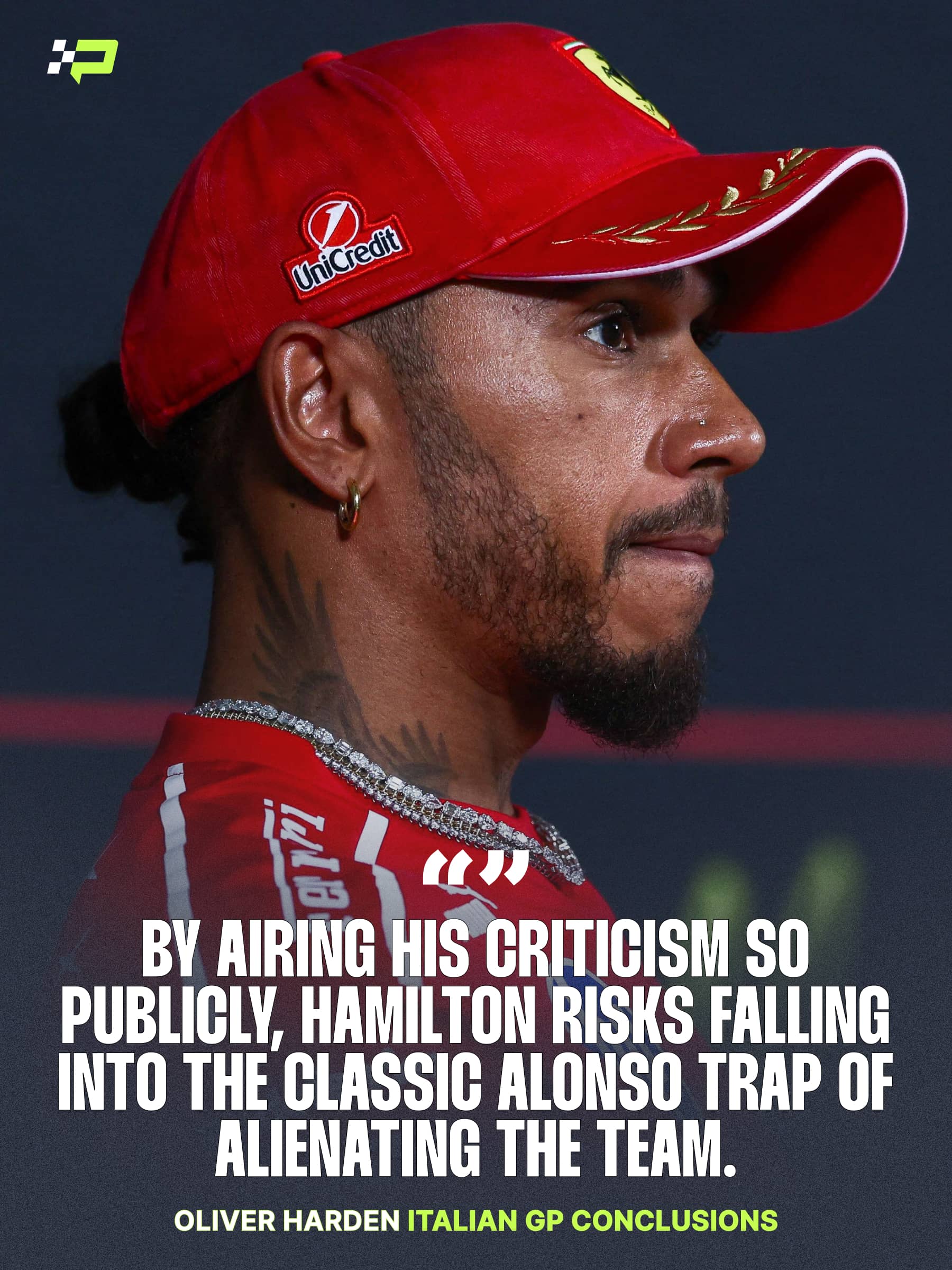
Anyone else detect the lingering influence of that great busybody Sebastian Vettel here?
A regular source of advice to Hamilton before his move from Mercedes, Seb too tried to mould Ferrari in his image with limited success and without the means – or even the authority – to do so.
It is easy enough to point out the problems – and Hamilton has been very good at that over recent weeks – but offering the solutions?
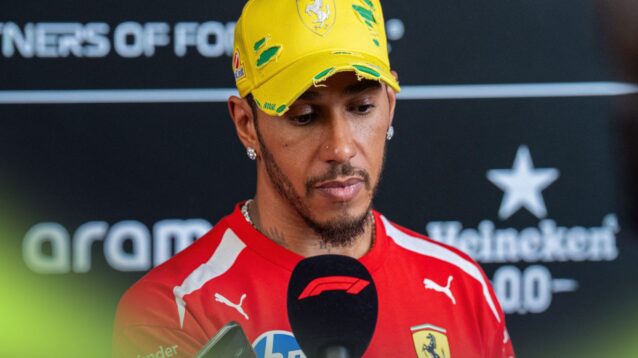
Having criticised Ferrari’s decisions remorselessly since the summer break, it was almost refreshing to hear Hamilton hold up his hands – twice – on a weekend that fell short of its potential in Singapore.
First came his admission after sprint qualifying on Friday that his choice of run plan was the wrong one.
Then, after the chequered flag on Sunday, came an apology over team radio for a strategy that ultimately backfired.
“Sorry, boys,” he said. “I let you down today with that strategy. My call.”
It is true that Ferrari does not have all the answers.
But neither does he.
McLaren needs to keep Lando Norris’s ballooning ego in check
There is a danger of hypocrisy in the commentary surrounding Lando Norris.
In all good faith, one cannot spend years questioning his lack of self-confidence – highlighting it as the one character fault that could prevent him from realising his potential – only to lambast him when he starts liking what he sees in the mirror.
Having spent so long unable to see what others could see in him, there can be no doubt that Lando now sees it too.
Transformed by the achievement of winning his first world championship last year, now he knows just how good he really is.
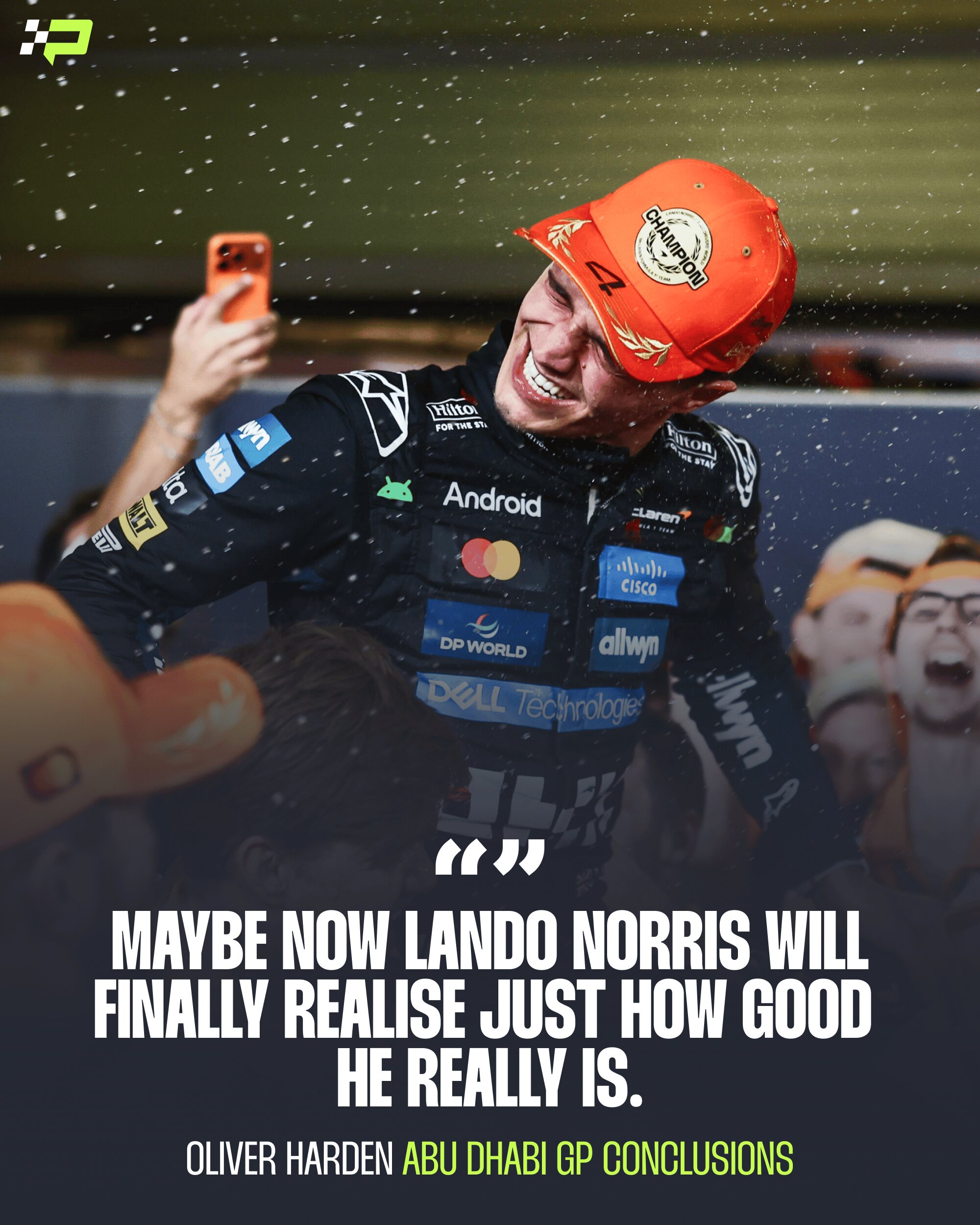
Many have detected a change in Norris over recent months, especially this side of his first win of 2026 in Hungary.
Where once he would be remorselessly self-critical, now he is ready and willing to draw attention to the things he does well.
“For once, I would like to give myself a little bit of credit,” he told PlanetF1.com and other media outlets after his win at Zandvoort in what previously would have seemed like the most un-Lando-like comment imaginable. “I feel like I’m doing a better job than everyone.”
In an era in which the overall talent level in sport is so high, increasingly it is the psychological side where races, matches, championships are won and lost.
So to condemn Norris now would be a classic case of ‘criticising me for what I am, criticising me for what I am not.’
Yet there comes a point where confidence strays dangerously into the territory of arrogance.
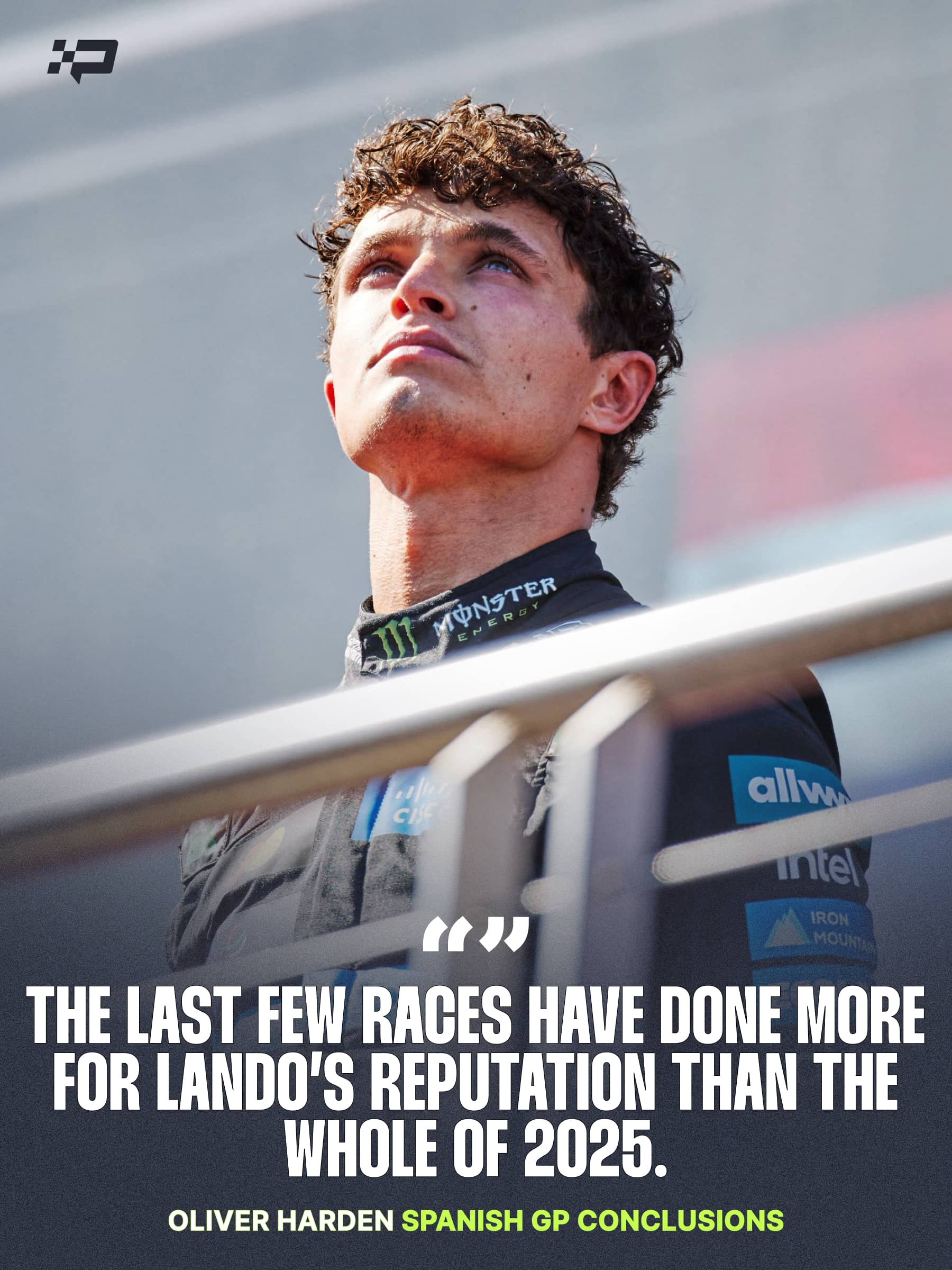
This is where we find Norris – and his flippant, unedifying reaction to his collision with Oscar Piastri in the sprint race – in Singapore.
Even if it only took place in a poxy sprint race, it was striking that the magnitude of a collision – initiated by him – between the two McLarens initially seemed rather lost on Norris.
Certainly, the remorse of Canada 2025 was nowhere to be seen in his spiky post-race interviews as he repeatedly insisted that Piastri had left an inviting gap on the inside.
Perhaps a moment like this had been coming.
The race between them in Hungary felt unusually personal and ultimately had the air of a final battle in the three-year struggle for supremacy at McLaren.
Norris’s victory cemented his status as lead driver on the day Piastri’s fingertips were finally peeled from any pretence that he could still be considered Lando’s equal.
Maybe Norris could sense it too, that McLaren was now his team.
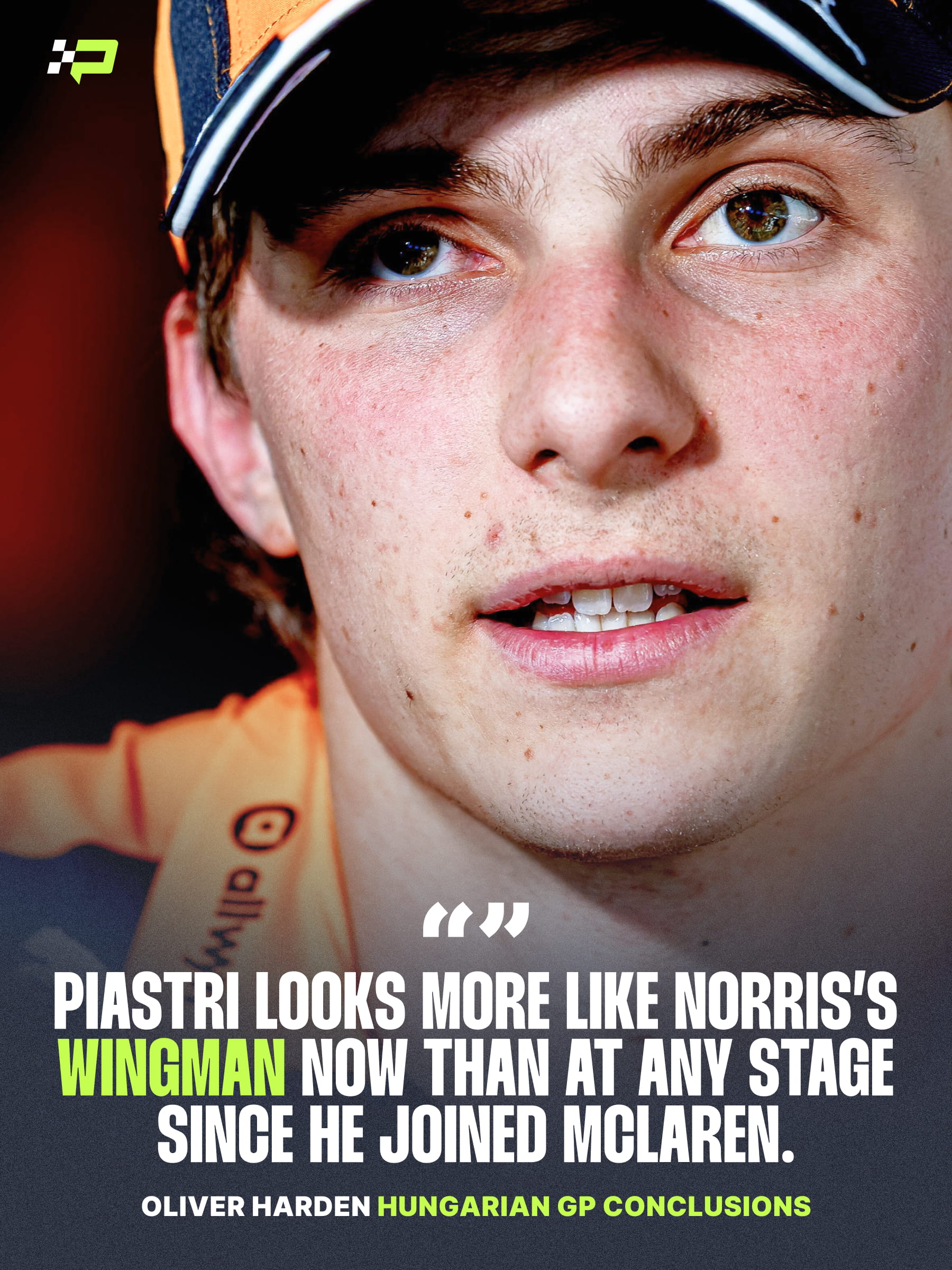
And given the cosy nature of his relationship with McLaren, his status as world champion and his widening performance advantage over Piastri, you can see why Lando might feel emboldened to throw a move up the inside of Oscar on the final lap and see what happens without fully grasping the consequences if it goes wrong.
Let this, then, be a lesson.
A reminder that no driver – no, not even the world champion – is bigger than the team.
The great irony of the new Norris is that it is precisely his self-critical nature that fuelled his rise in the first place.
The finest drivers are marked by a willingness to learn and improve, to keep questioning themselves and working on the weaknesses even when surrounded by people telling them how brilliant they are.
Even the great Michael Schumacher at his dominant best would still occasionally ask Ferrari to arrange a test purely to reassure himself that he could still do it.
History tells us that once a driver allows himself to think that he is beyond reproach, or convinces himself that he has cracked it and that there is no more self-development to be done, he is on the road to ruin.
McLaren owes it to itself – and Lando – to keep that ballooning ego of his in check.
George Russell’s sprint mistake was the final humiliation
It has reached the stage with George Russell where it is more polite to look away.
Faced with an engine penalty, the sprint in Singapore took on an extra significance to him, if only to demonstrate what he might have achieved without a grid drop.
The result? Wide at the last corner… on to the white line… around, brace for impact and – bang! – into the wall at the end of the first lap.
Game over.
George would not have been the only driver to touch a white line – that very white line – over the course of the rain-affected sprint.
Yet such are the limitations of his technique – on the more abrupt, spiky side of the F1 driving style spectrum – that he has less margin for error than most in those situations.
It has been a recurring theme of his 2026 season as Kimi Antonelli has exposed Russell as not being quite at the level he – and many others – previously thought he was.
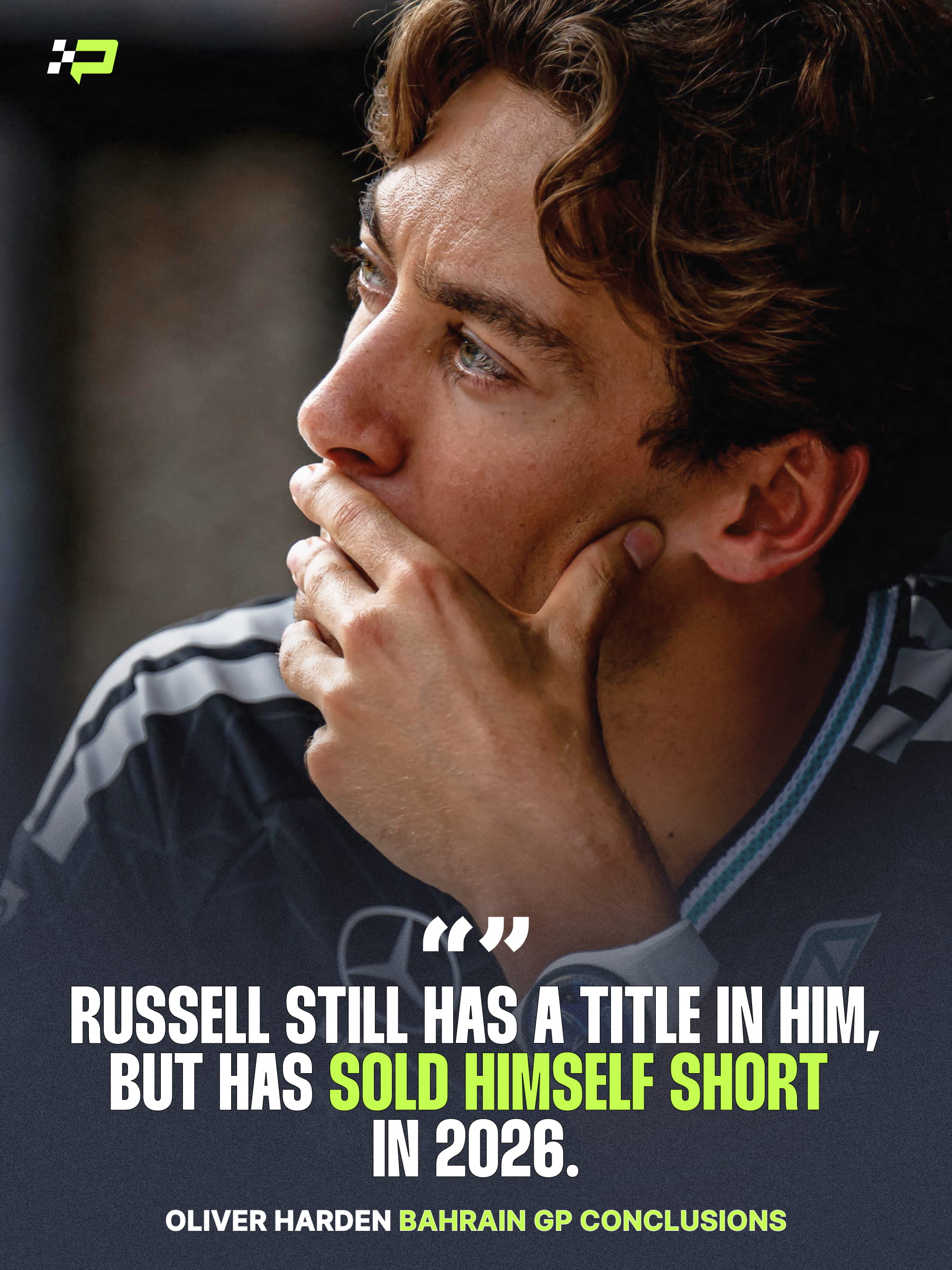
A month after losing the Italian Grand Prix to a driver who started 19th in the same car, Russell’s unforced error in the sprint was the final humiliation.
Having started the season as the overwhelming favourite for the 2026 title, George now finds himself staring at defeat with five races remaining.
Match point, Antonelli. How did it ever come to this?
For some months this column has stressed the point that world championships are won and lost on the driver’s bad days.
Russell’s bad days since the summer break read 20th in Malaysia and ninth from the back of the grid in Singapore.
Antonelli’s? Fifth from the back of the grid in Baku and third on Sunday. That’s the difference.
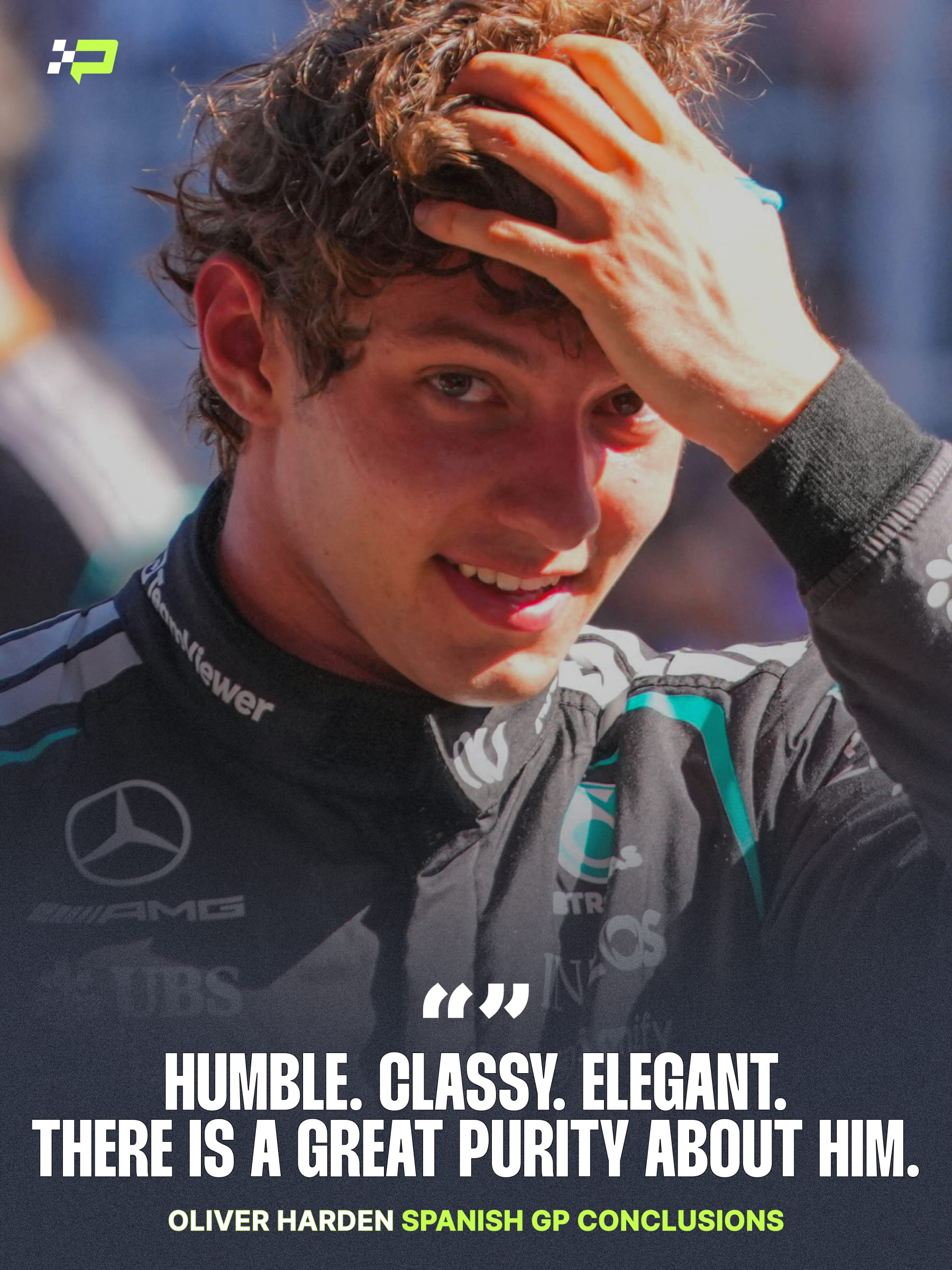
Antonelli had been on course for fifth in the closing stages in Singapore before he intruded on the battle between Lando Norris and Lewis Hamilton to gain two positions in quick succession.
There have been more than a few occasions this season – think the timely safety car in Japan, the even more timely VSC in Madrid – when these things have fallen in his favour.
Yet Antonelli has always put himself in the position of maximum opportunity to capitalise on all those lucky breaks.
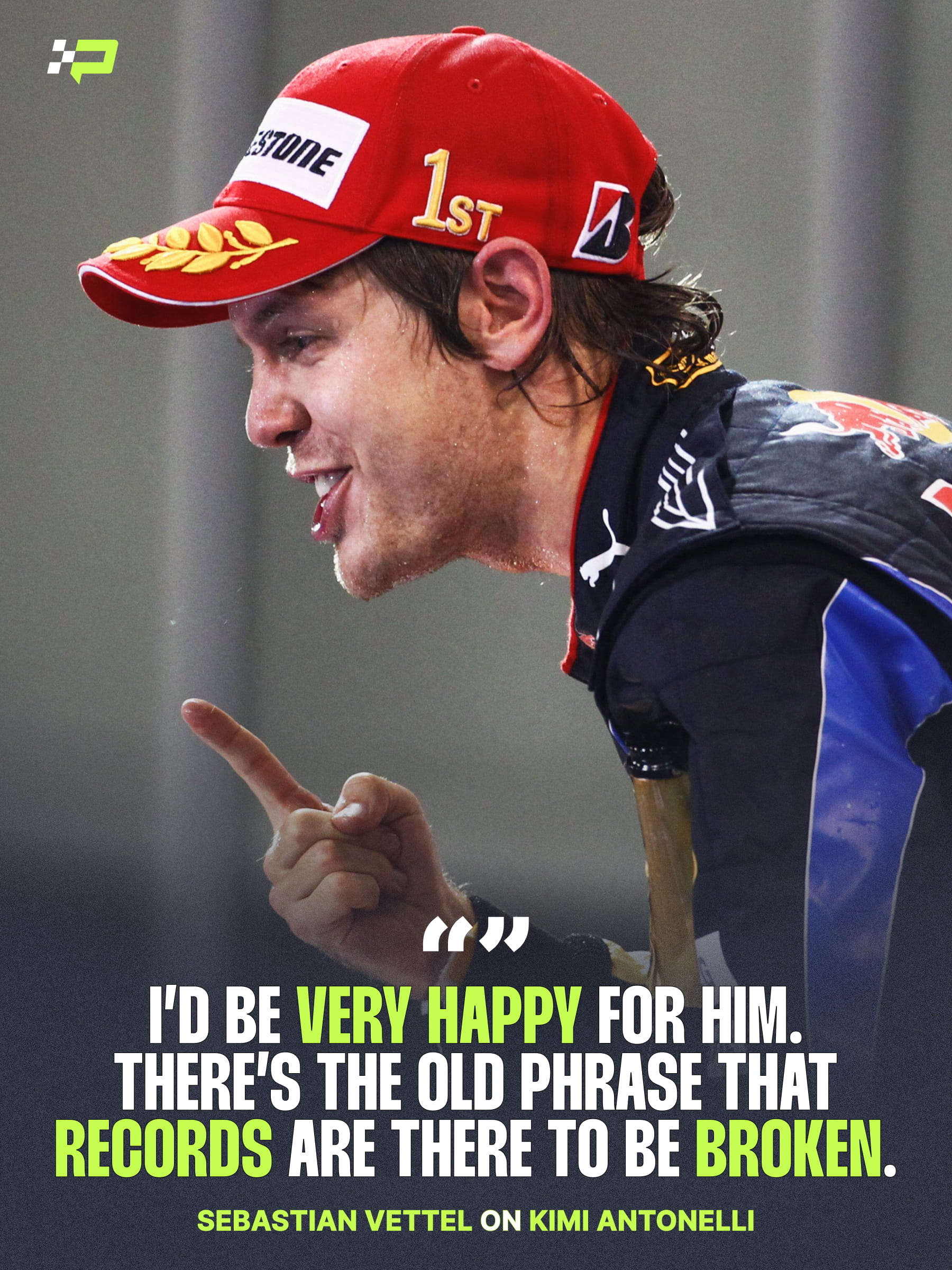
So now to Austin, where he will have a first shot at breaking – no, shattering – Sebastian Vettel’s long-standing record as F1’s youngest-ever world champion.
History awaits.
And George?
A long, hard look in the mirror for him.
The stakes need to be higher to justify more sprints
So how to sum up sprint racing in the Year of Our Lord 2026?
Same as the previous three years, really.
The same flaws in the format are still present and incorrect, as they have been ever since the change to the original system for 2023.
For the millionth time, the sprint format was never better than in the first two years when the result of the sprint race set the grid for the main event.
That, you’ll recall, was at the heart of Daniel Ricciardo’s victory at Monza in 2021, Daniel taking advantage of two standing starts to gradually edge forward from fifth on the original sprint grid to the lead out of Turn 1 on Sunday.
This is exactly the kind of randomising effect – an extra shuffle of the pieces on the chessboard, a tightrope for the drivers to walk between qualifying and the grand prix – the sprint should bring to the table.
Ever since the sprint was effectively made parallel to the main race, however, it has occupied a very odd place on a grand prix weekend.
Worse, it has become eminently missable – presumably the opposite of what Stefano Domenicali and Co. were angling for.
The tales of two McLaren drivers, 12 months apart, capture the meaninglessness of the current format.
Had the collision between Lando Norris and Oscar Piastri in Austin last year occurred under the original 2021/22 sprint system, it is quite likely that Max Verstappen, not Norris, would have been crowned world champion in 2025.
Norris and Piastri would have been forced to start Sunday’s race from the back of the grid as a result of their retirements in the sprint, freeing Verstappen to take a large bite out of their points advantage.
As it was, though, Lando and Oscar simply dusted themselves down and qualified second and fifth for the main race a couple of hours later as if their clash in the sprint – a season-defining moment in any other era – had never even happened.
Conclusions recap: How the F1 2026 season has unfolded
Bahrain GP conclusions: Verstappen reward, Hamilton breaks rank, formation lap farce
Was the general irrelevance of the sprint, perhaps, a factor behind Norris’s blasé attitude to his latest incident with Piastri in Singapore on Saturday?
After all, it was only the sprint; only a few points lost. What’s the big deal?
Domenicali might regard the outbreak of friendly fire at McLaren as perfect validation of the current sprint format, liberating drivers to take risks they wouldn’t normally commit to on a Sunday afternoon.
To the rest of us? It smacks of a lack of jeopardy. And seriousness.
It is well established in the world of behavioural science that people become more receptive to an idea they initially resist if they are gradually exposed to it in small doses.
Having started small (three sprints per year, six sprints per year) to warm fans to the concept, Stefano’s masterplan is moving to the next level with 10 sprint weekends in 2027.
Few doubt that this will end with every race on the calendar becoming a sprint weekend, potentially before the decade is out.
All very well. Better than a practice session, as the television pundits constantly like to remind us.
But if the increased number of sprints is to be justified, the stakes must be higher.
The sprint needs to matter more.
Want to be the first to know exclusive information from the F1 paddock? Join our broadcast channel on WhatsApp to get the scoop on the latest developments from our team of accredited journalists.
You can also subscribe to the PlanetF1 YouTube channel for exclusive features, hear from our paddock journalists with stories from the heart of Formula 1 and much more!
Read next: When can Kimi Antonelli win the F1 2026 World Championship?