
Why the FIA has announced it is banning a hidden F1 development war in 2027
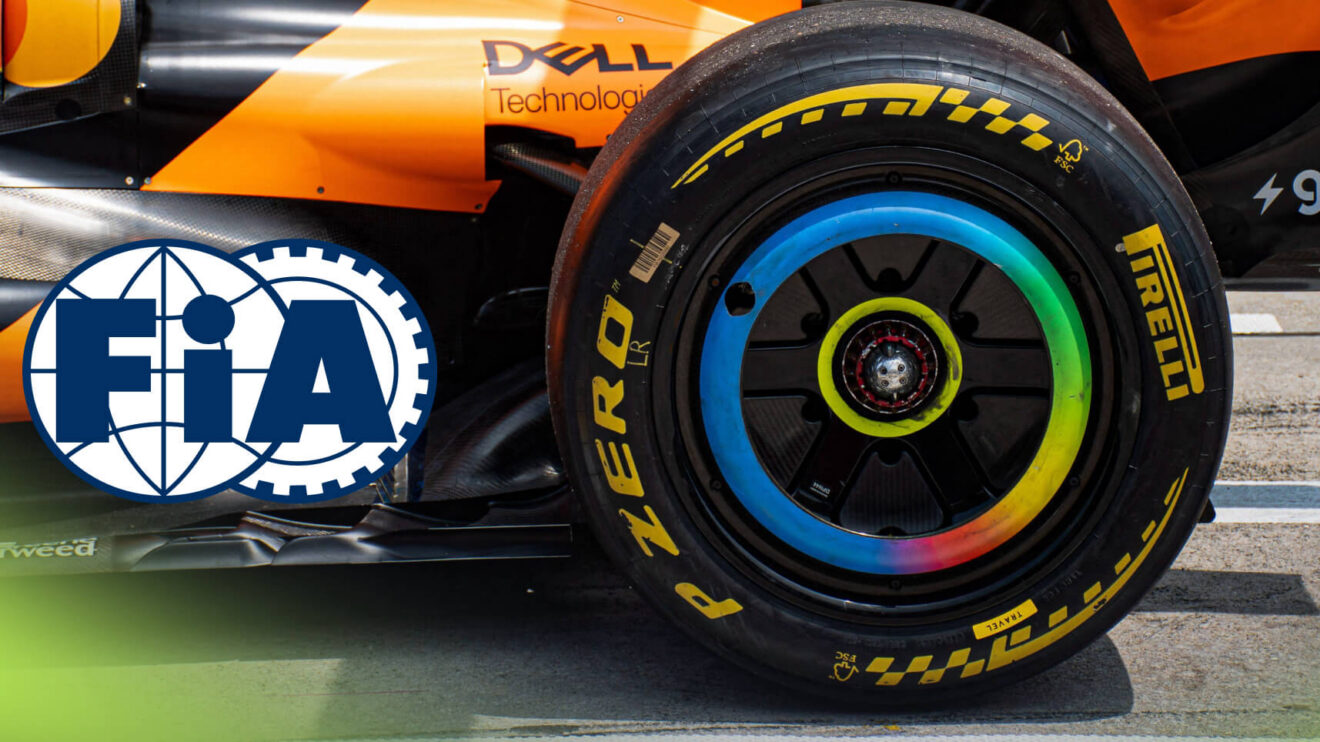
The FIA has banned teams changing wheel rims from 2027
The FIA has announced a new regulation banning teams from using different wheel rim designs over the course of a single race weekend, with the rule set to take effect next season.
So why is this hidden development war more significant than it appears, and why has the FIA stepped in with a restriction during the cost cap era?
The invisible battle between teams
You have almost certainly noticed that as the 2026 season has progressed – particularly over the second half – teams have become exceptionally good at managing their tyres. Hard tyres are far less common on Sundays now, with teams on certain circuits showing the kind of pace that made it look as though they could easily complete the entire Grand Prix distance on just a set of the soft or medium compound.
And without doubt, the ability of teams to design their own wheel rims this season plays a vital role here.
Wheel rims were standardised components up until 2026, when teams were granted the freedom to design their own to suit the specific needs of their chassis. However, they couldn’t just do whatever they pleased.
First off, material choices were strictly limited – the rim itself must be manufactured from a magnesium alloy, which is exceptionally light and ideal for this application. More importantly, the FIA explicitly prohibited any aerodynamic or thermal elements designed to directly manipulate tyre temperatures.
Even so, teams still had plenty of leeway to use convection, heat dissipation and the structural rigidity of the rim to influence tyre behaviour in qualifying and the race.
Also, every team has a partner helping them along the way.
None of this is new – teams have always tried to use heat from the brakes to warm up their tyres faster. Remember last year’s alleged story about water in McLaren’s tyres. However, the ability to develop your own wheel rim has opened up possibilities that teams simply did not have before.
And the data backs this up.
For example, during last year’s Spanish Grand Prix in Barcelona, tyre pressures rose by roughly 2.5 to 3 psi from the start of a stint to their stabilized level. This year at the very same track, that figure dropped to around 1.5 psi. In other words, teams are managing tyre temperatures far better now, a trend that has been noticeable all season.
Speaking of Barcelona, it was there that Ferrari – working alongside BBS – introduced a revised rear rim design aimed at improving tyre cooling and dumping excess heat out of the rim. The Italian squad has been very active in this area this season, and there is no doubt this detail played a part in Lewis Hamilton’s victory.
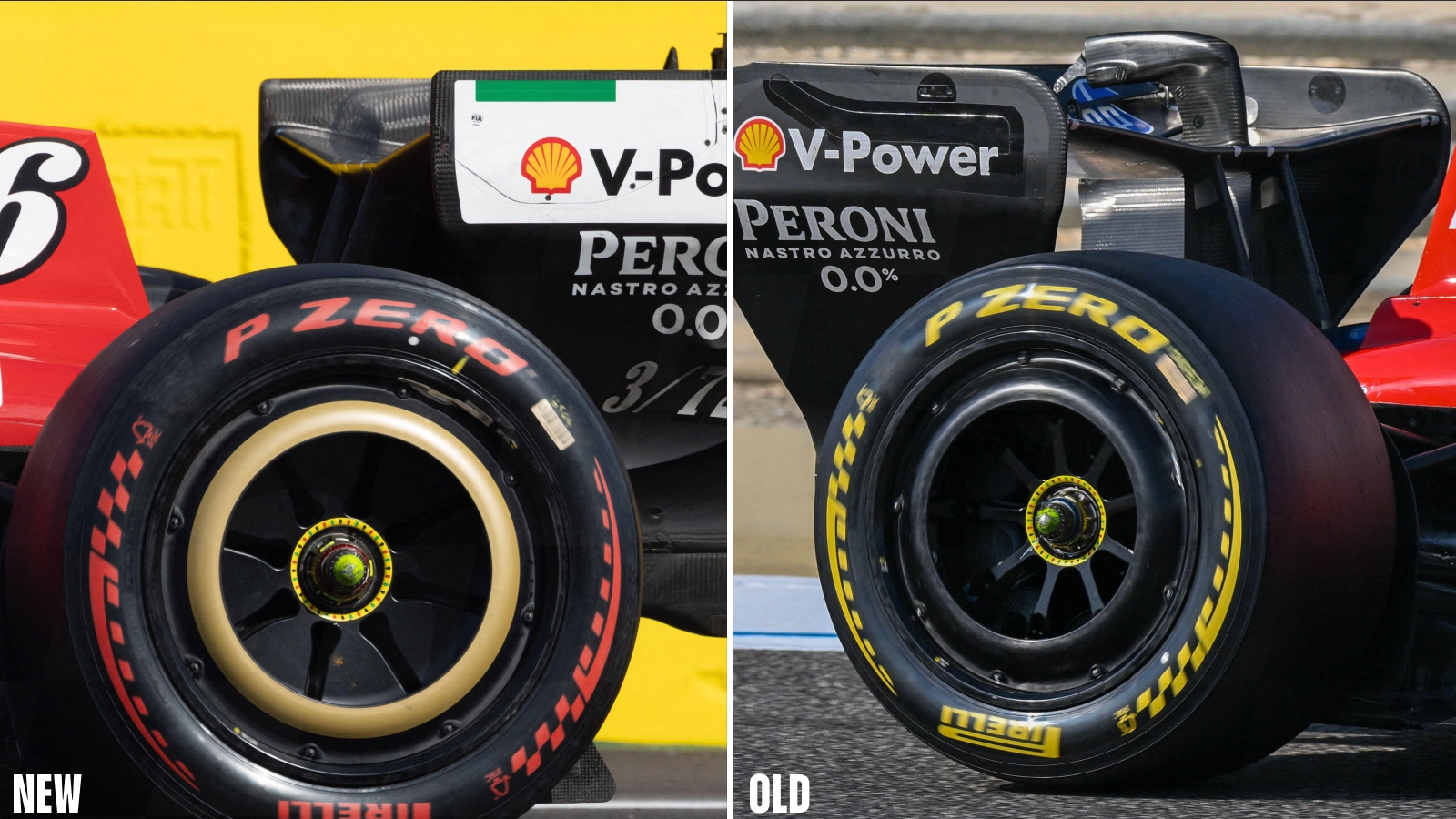
They weren’t alone either; McLaren took the opposite approach. In Zandvoort, they updated only their front rims, opting for a more closed wheel cover. The goal was to solve front-tyre warm-up issues, which are particularly acute on low-energy circuits and can prove especially problematic during qualifying. Their rear wheel rims remained untouched, as rear tyre degradation was already an issue.
So why did the FIA step in?
Beyond these examples, there is no question that other teams have been engaged in this development war. Wheel rims remain largely hidden from view, making it difficult to catch the finest details.
As time goes on and teams discover even more effective ways to manipulate tyre temperatures, this war will only escalate and become more extreme. So why curb it when teams are already bound by a budget cap?
Being able to run one design for qualifying and a different one for the race grants immense freedom. Given time, teams would exploit this to the absolute limit, leading to even better tyre management on Sundays.
The fear was that “qualifying rims” would be designed to fire up the tyres as quickly as possible, while “race rims” would focus strictly on maximum cooling. Over time, a bespoke qualifying rim would become an absolute necessity just to stay competitive.
As we have seen this season, better tyre management during races usually translates to less exciting racing, as strategic variation between teams shrinks.
Additionally, the new regulation for 2027 dictates that front and rear rim designs must match, shutting down the asymmetrical approaches used by Ferrari and McLaren.
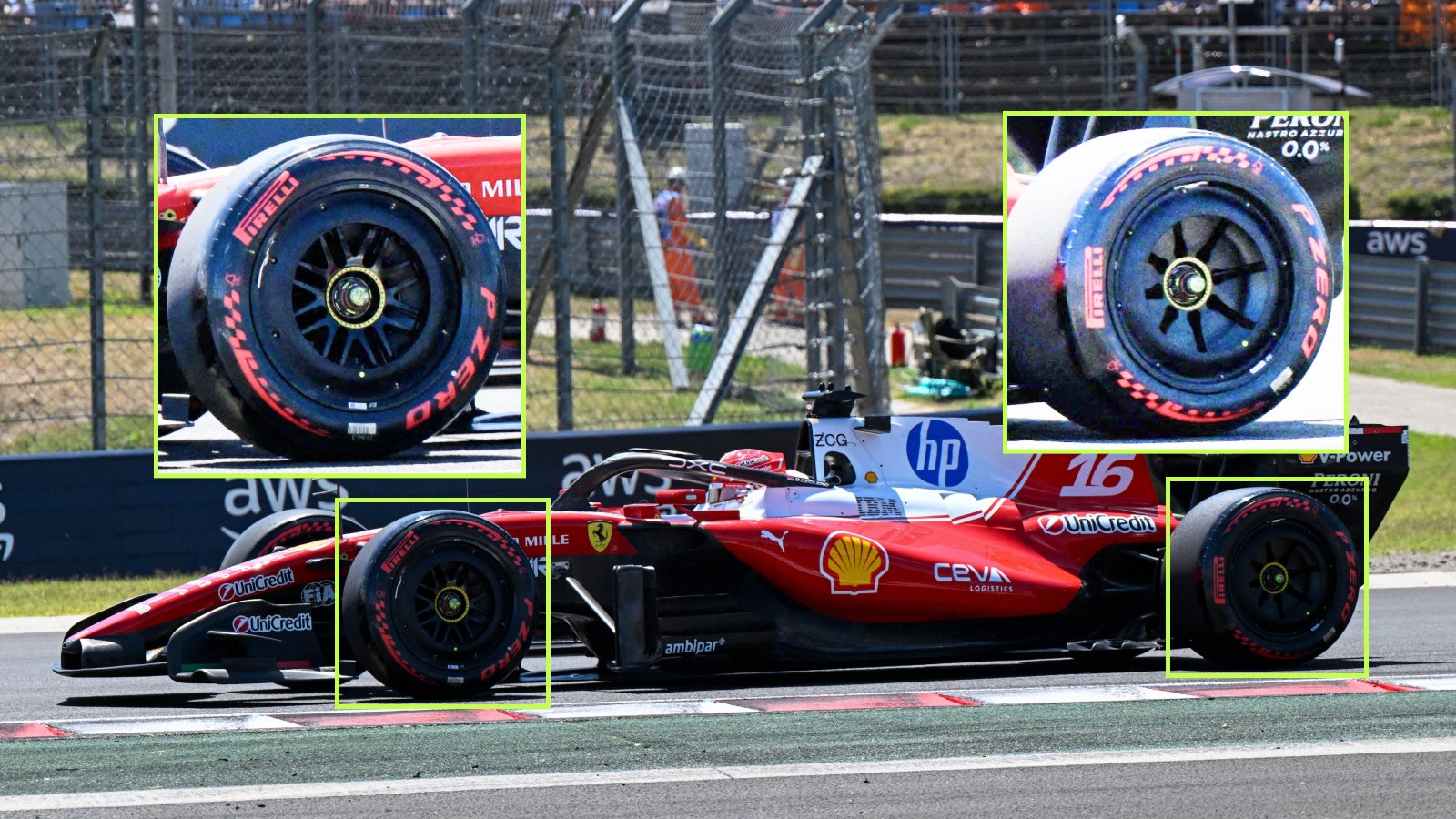
Ultimately, the primary goal of this rule change is to nip a full-scale development war in the bud before it truly takes off, meaning it won’t drastically alter what we currently see on track.
Unfortunately, it also means the issue of fewer strategy battles this season remains largely unaddressed, raising further questions about how to fix it and bring back races where clever strategy can yield a genuine advantage on track.
Read next: Lance Stroll myth debunked in the midst of DNF-laden F1 2026