
Red Bull identifies Max Verstappen Monaco retirement cause after engine failure


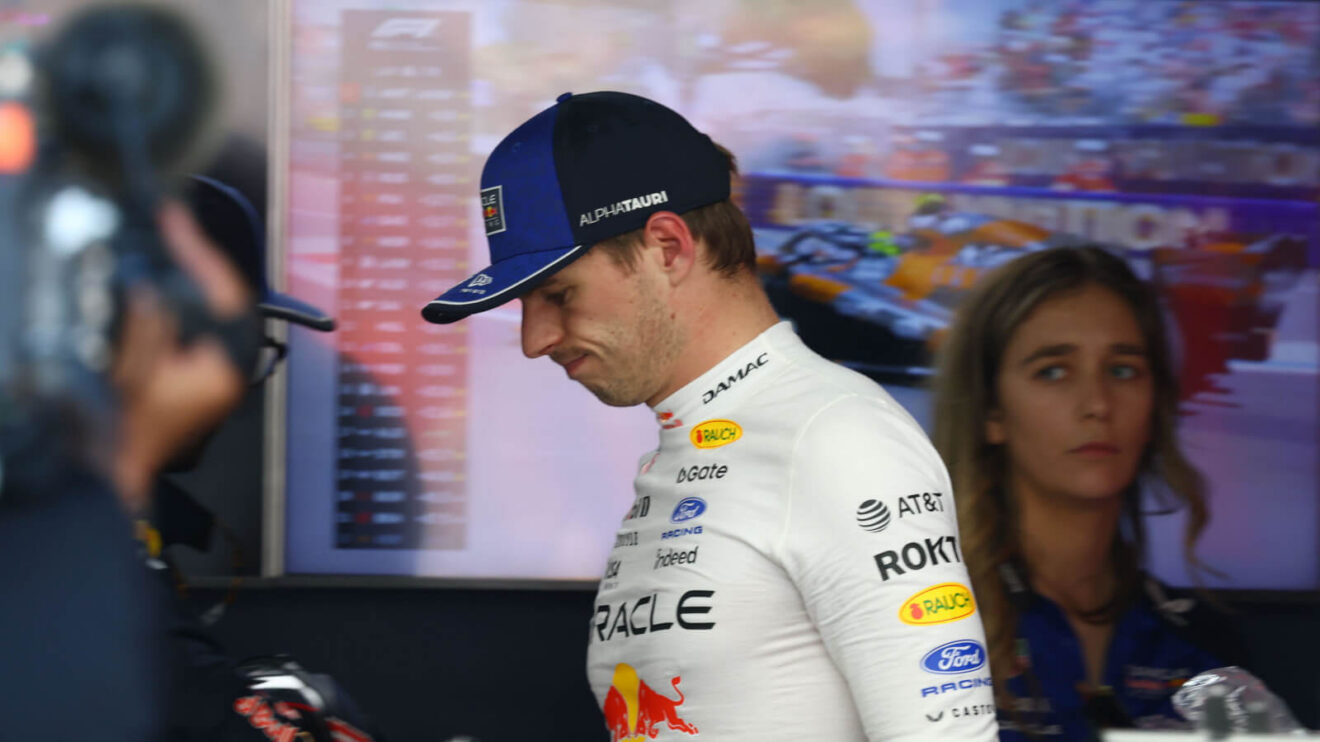
Max Verstappen didn't complete a lap of the Monaco GP
Red Bull has identified the cause of Max Verstappen’s retirement in Monaco, confirming it was engine-related and that the plan was always for Verstappen to take a new power unit in Spain.
Verstappen lined up second on the Monaco Grand Prix grid, and looked set to challenge for a podium finish as he was never lower than P5 in any of the preceding sessions.
Max Verstappen Monaco retirement traced to engine issue
Want more PlanetF1.com coverage? Add us as a preferred source on Google to your favourites list for news you can trust
However, it all came to naught on the opening lap.
Dropping the clutch, Verstappen completely lost power and had just enough momentum to pull to the side of the track to avoid a huge collision with those launching from behind him.
“As soon as I dropped the clutch, that was it. The engine bogged down completely, and after that, the noise that I heard from the engine, once I got some power back out of Turn One, was very bad,” he explained.
“So I immediately just lifted it off and brought it home.”
Red Bull has confirmed it was an engine issue, but team principal Laurent Mekies wouldn’t reveal anything more aside from that Monaco was always going to be Verstappen’s last race with that specific power unit.
“It is an engine. We have identified what the issue is,” Mekies told PlanetF1.com and other media.
“It developed on the formation lap, and it gave him or us no chance. So that’s what it is.
“As you may be aware, it was also the very first PU of Max this season, which was planned to be changed after Monaco.
Go deeper into the Monaco GP: Conclusions, Ratings, Winners \& Losers
Monaco GP conclusions: Mini Max, no Russell sympathy, Hamilton mystery
Monaco Grand Prix driver ratings: Antonelli masterclass, Russell in turmoil
Antonelli flawless, Russell left shocked: Monaco Grand Prix winners and losers
Red Bull has yet to find a solution to the exact issue that put Verstappen out of the race, but Mekies reiterated that the team does believe it knows the cause.
“It’s not what we wanted,” Mekies added.
“Obviously, we can only apologise to Max because the job he had done with the team to get to that level of pace around Monaco was outstanding.
“Probably early days to discuss what the fix is, but we think we have identified what the issue is.”
It was a disappointing end to a strong weekend for Red Bull and Verstappen.
Mekies, though, admits that had Verstappen been able to compete, that doesn’t mean he could have taken the fight to pole-sitter Antonelli.
The Mercedes driver was in a league of his own in Monaco and, prior to Lance Stroll’s Safety Car, he had lapped the entire field except the two Ferraris in second and third places.
“Whether or not Max would have been able to challenge that pace, we will never know,” admitted the Frenchman, “but certainly the level at which Max has been running in qualifying, not just one lap, you know Q2 and Q3 was very impressive, and we know that every time you manage to get Max comfortable with the car, you get that extra Max effect.
“So I would have liked to see what it could have done in the race.”
Verstappen remains seventh in the Drivers’ Championship on 43 points, 113 behind championship leader Kimi Antonelli. That’s a bigger deficit than the 102 he pulled back against Oscar Piastri last season to finish second in the Drivers’ standings.
Additional reporting by Thomas Maher
Want to be the first to know exclusive information from the F1 paddock? Join our broadcast channel on WhatsApp to get the scoop on the latest developments from our team of accredited journalists.
You can also subscribe to the PlanetF1 YouTube channel for exclusive features, hear from our paddock journalists with stories from the heart of Formula 1 and much more!
Read next: ‘These f***ing brakes’ – Ferrari brake supplier disputes Leclerc’s ‘premature’ conclusion