

Alpine get inventive with new rear wing active aero pod winglet


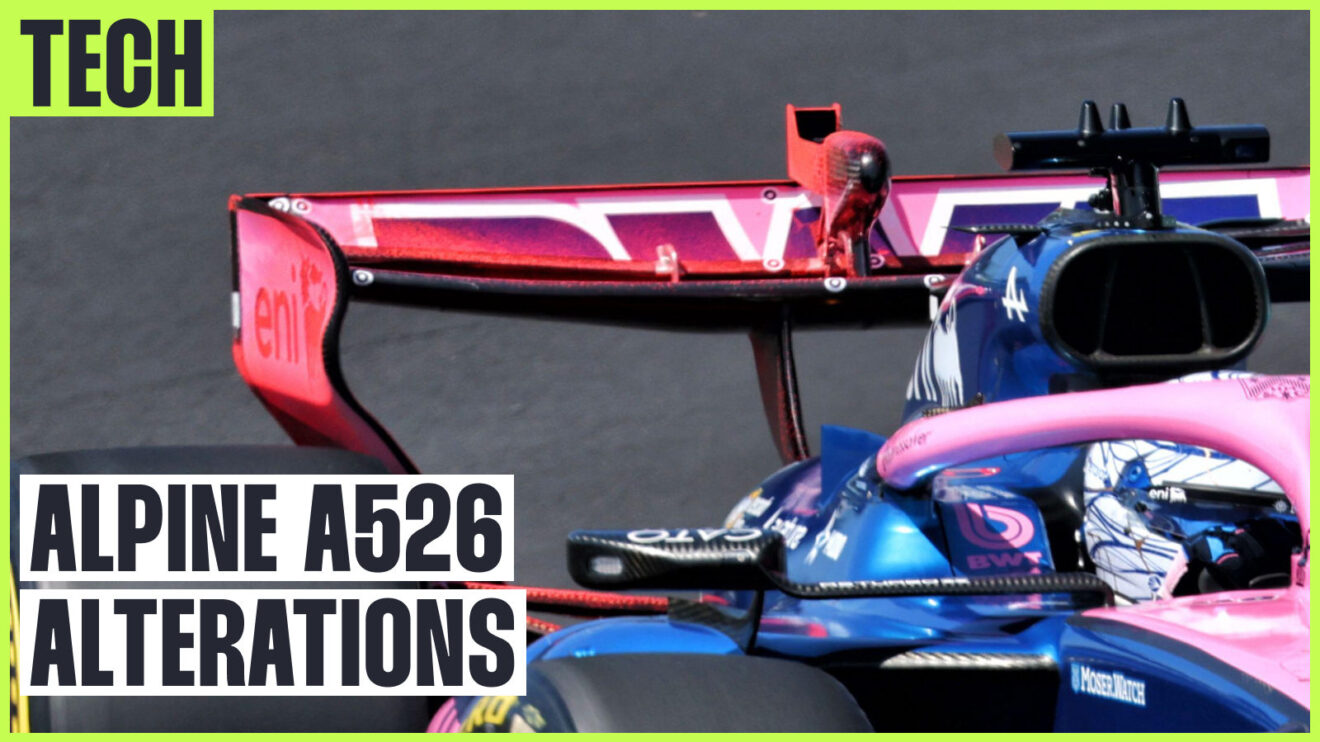
Alpine arrived at the Japanese Grand Prix with a handful of new parts for the A526.
The most intriguing of which is a modification to their active aero rear wing pod fairing.
Know no bounds
If you leave a space in the regulations, you can pretty much guarantee that a Formula 1 designer is going to look for a way to fill it.
Full-length shark fins and T-Wings are just a couple of examples of how teams have filled space in the past to generate performance, even though the box region they sat within seemed innocuous initially.
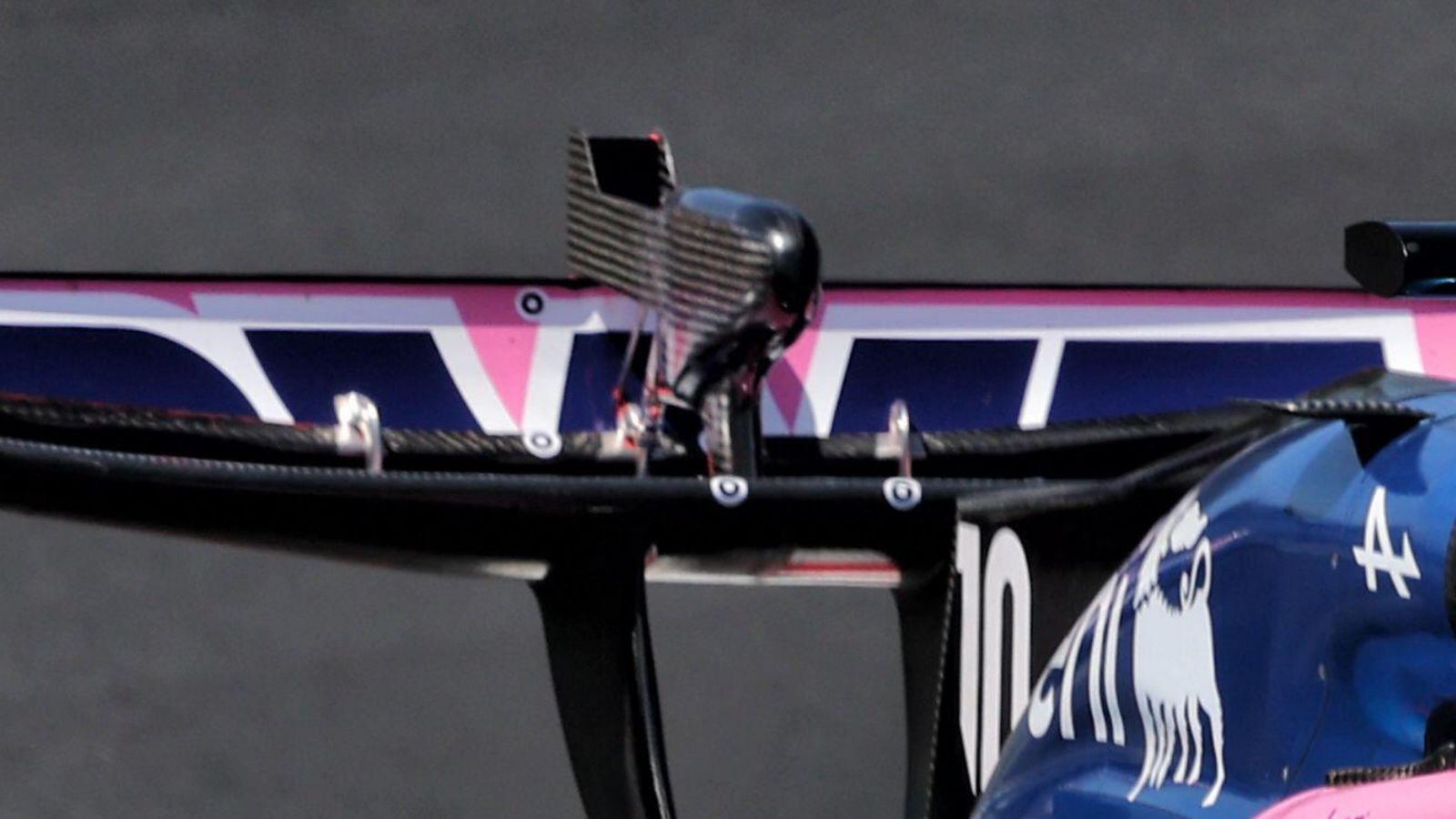
In this instance, Alpine have looked at the space behind the rear wing actuator and its fairing and found a way to use it.
And, whilst that region isn’t going to support a significant performance jump, there’s clearly enough of a benefit to warrant the development it has cost.
The new solution, which features a pair of elongated endplates that reach forward to the main body of the pod fairing, has an air of the long-lost ‘Monkey Seat’ to it, a solution that teams used in the V8 era.
The seat section is a steeply inclined winglet with a Gurney flap sat atop, both of which are boxed in by the endplate section.
This new mini-monkey seat will help to work the centre section of the wing harder when the rear wing is in a closed state and may offer some re-attachment assistance in the transient conditions as straight-line mode is deactivated.
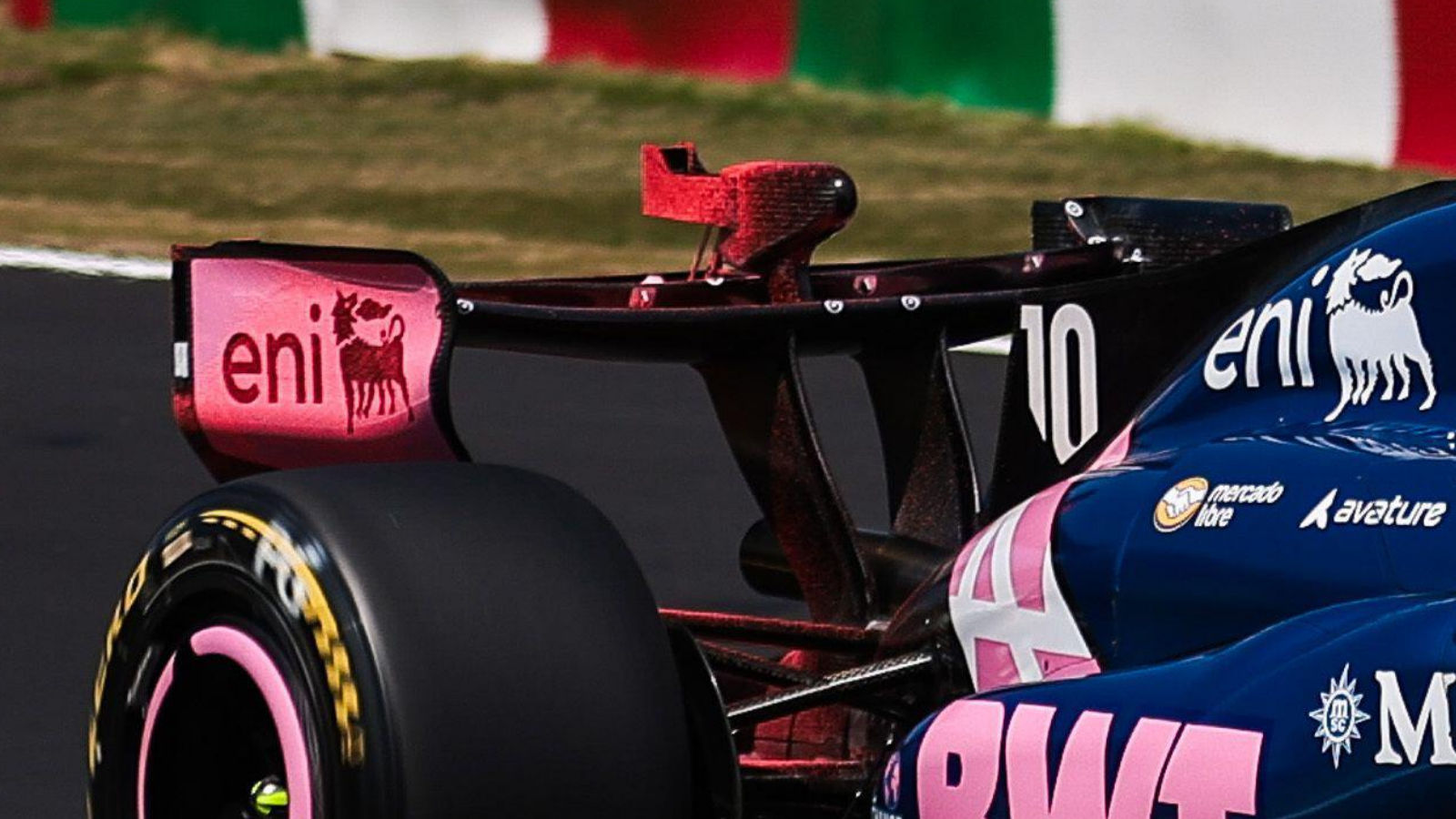
In that respect, it’s worth remembering that Alpine have taken a different approach with their rear wing active aero, opting for a reclining arrangement, rather than the traditional DRS-style solution.
Therefore, the winglet might also be acting as a means to improve flow stability around their mechanism, which will clearly be different to the rest of the field.
In addition to the arrival of this new winglet, Alpine have announced changes to the design of the rear wing endplate and front brake duct deflector.
The former is a redesign of the lower part of the endplate, whilst the modifications made to the deflector are to ‘ensure a consistent delivery of performance throughout the entire operating range’, as noted in the car presentation document.
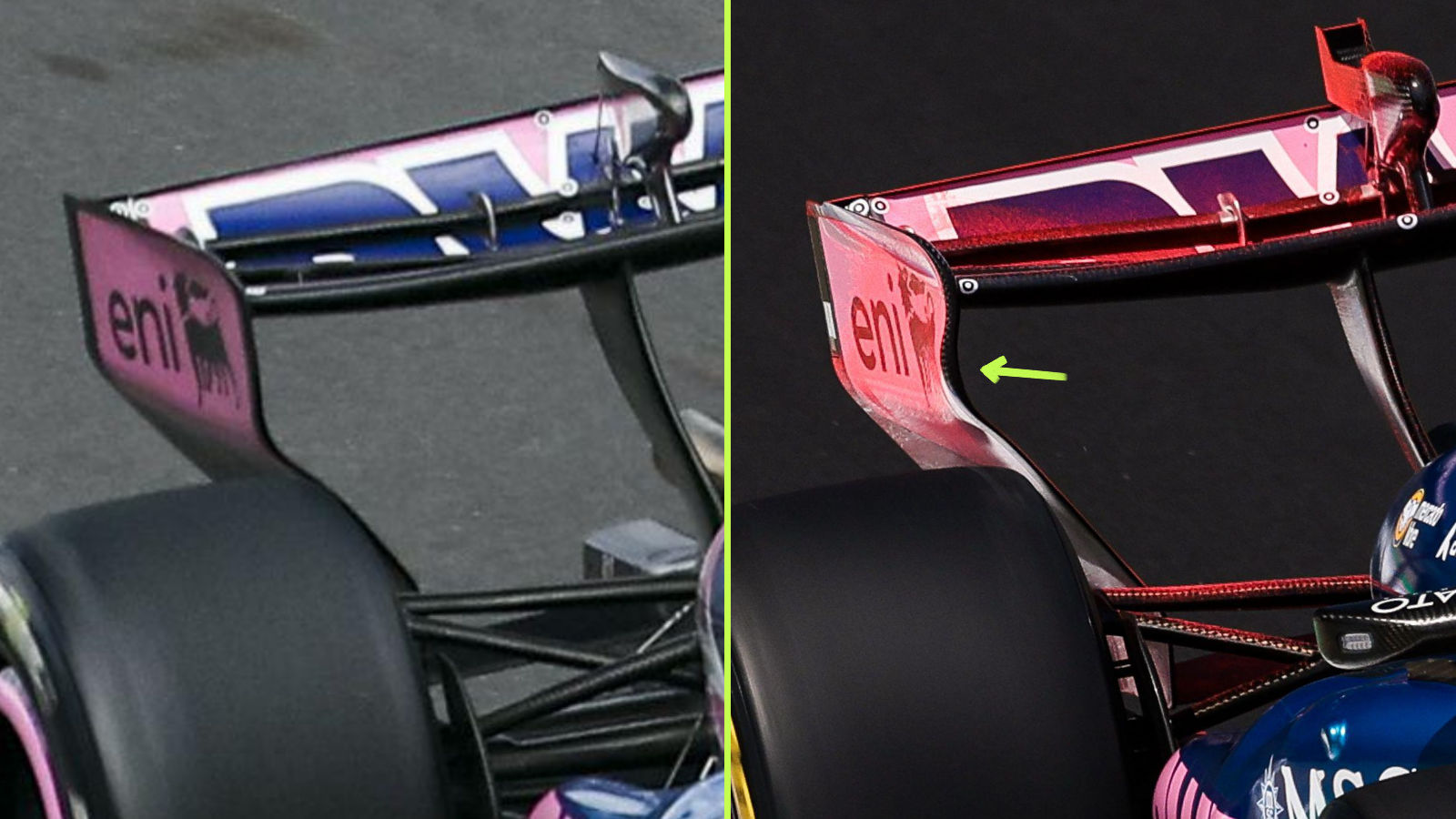
The new endplate (right) now has a much more sculpted profile below the wing elements (green arrow), which is a continuation of the foundations that the team have already laid in the upper corner of the assembly, as it folds over away from the wing section.
Alpine’s aerodynamacists are seeking to improve the operating envelope of the wing, not only by increasing how much of the wing’s span is functionally available to the airflow but also in altering how the tip vortex propagates thereafter.
Read next: Oscar Piastri shocks as he beats Mercedes pair in Suzuka FP2 as McLaren starts strong