
Ferrari biggest strategy blunder emerges after Hamilton Dutch GP frustration


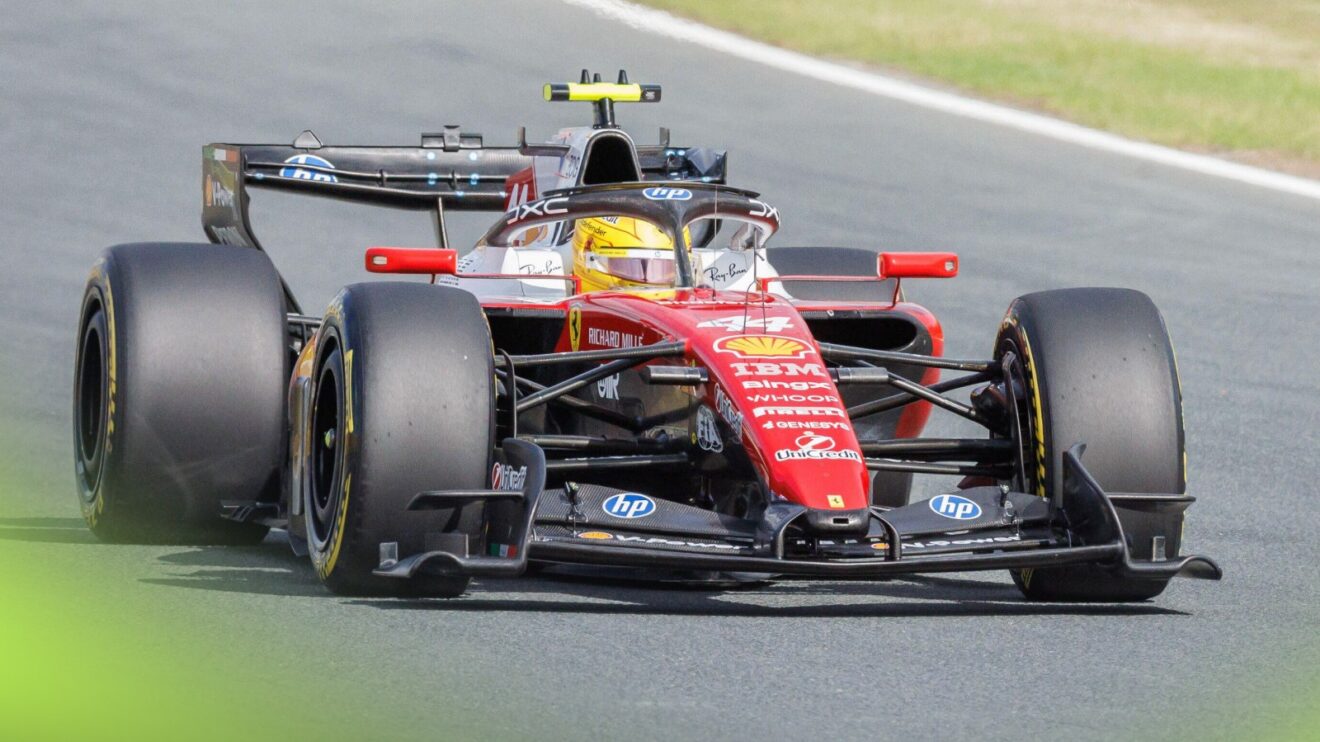
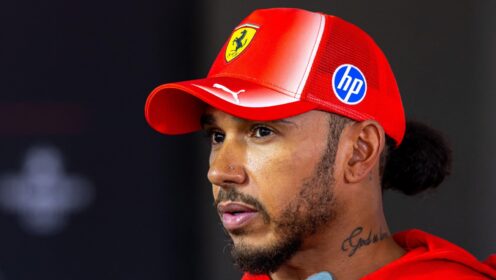
Lewis Hamilton in action for Ferrari
Ferrari failed to exploit the full potential of their car during the Dutch Grand Prix. Through a sequence of errors, they squandered a clear opportunity to secure a podium finish with at least one driver.
How Ferrari shot themselves in the foot, we analyse with the help of telemetry data.
Ferrari strategy raises eyebrows at Dutch Grand Prix
The Maranello squad took a turn towards a poor result as early as Saturday, when they should have secured better grid positions. The other teams simply did a better job when it came to car setup and track adaptation – and if you want to fight for top positions at Zandvoort, you simply have to perform in qualifying.
However, Ferrari managed to make their path to the podium even harder during the race itself.
Starting the race on soft tyres seemed like a logical and right choice, considering they were the only front-runners alongside Max Verstappen with a fresh set of softs. Charles Leclerc managed to capitalise on this at the initial launch, but threw it all away during the second standing start.
That was when he lost position to Oscar Piastri, who was running on brand-new hard tyres, proving just how unpredictable Zandvoort can be regarding tyres, where compound freshness mattered more than the compound type itself at that moment.
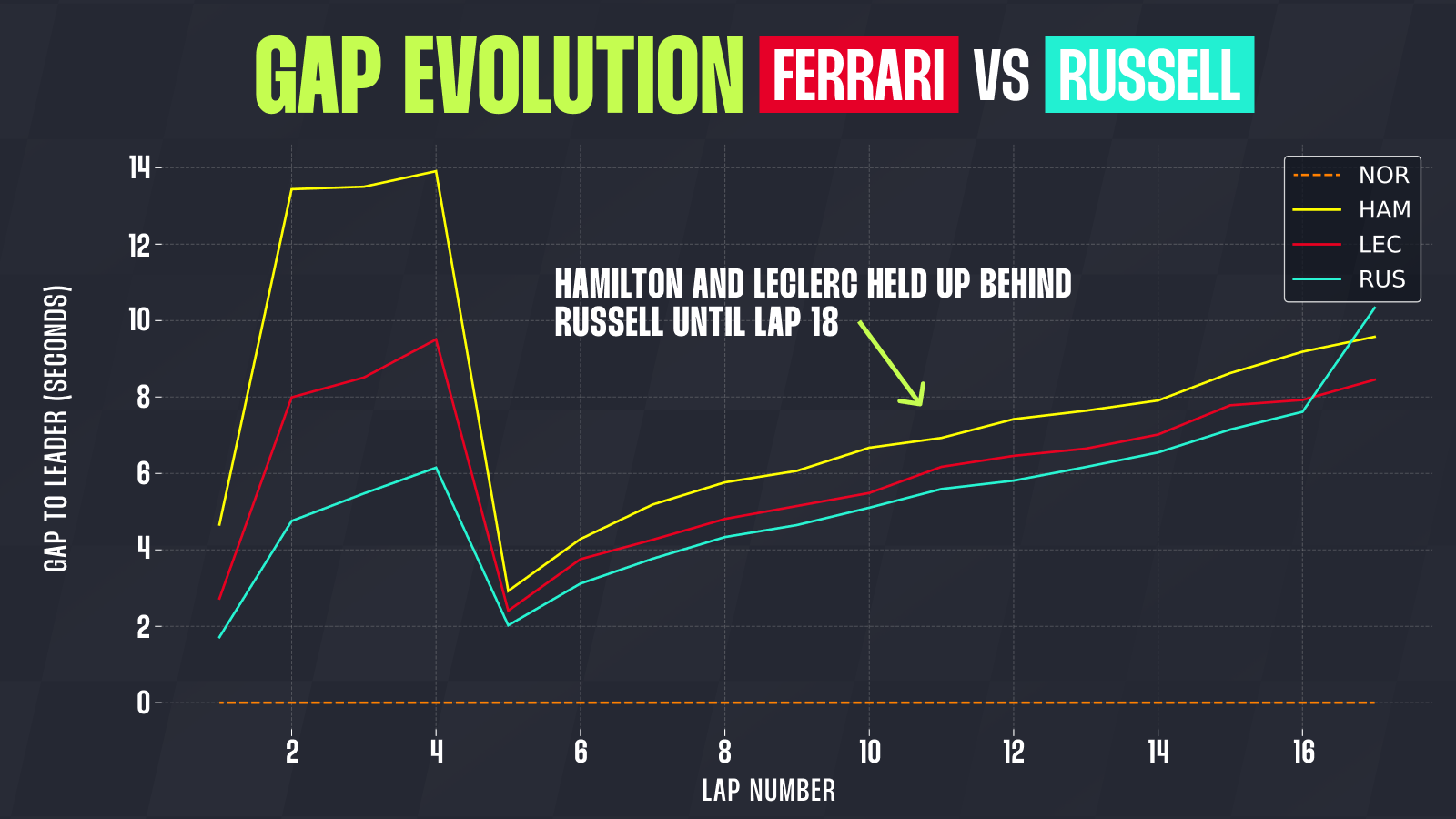
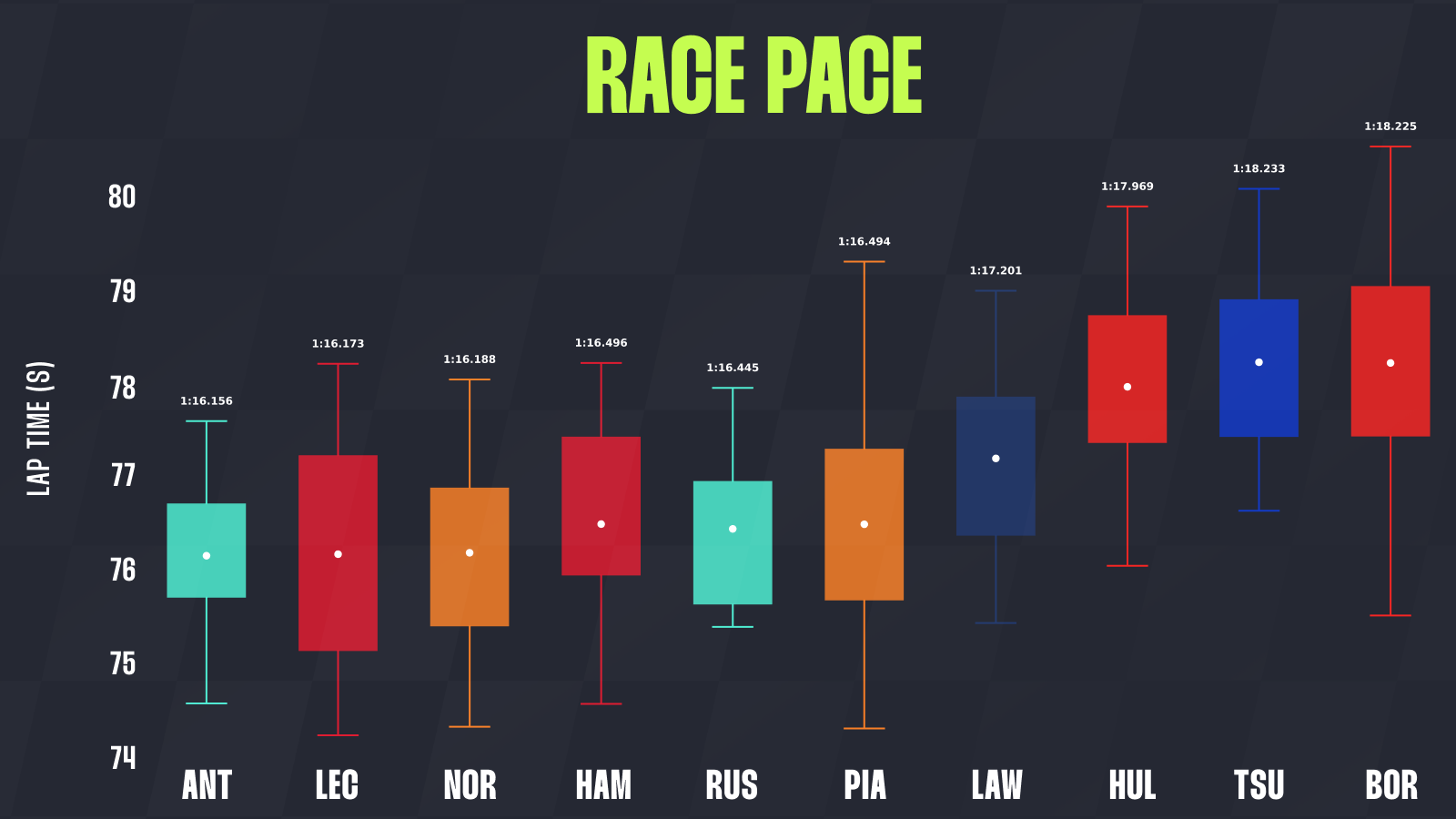
With this loss, Ferrari found themselves stuck behind George Russell and Piastri, who were waging a strategic battle in the first stint. They remained trapped behind Russell, despite having superior pace, until Lap 18, while staying pinned behind Piastri until Lap 35. Consequently, they bled significant time to the leaders despite displaying excellent race pace.
Among their missteps we can add the decision to put Leclerc on medium tyres for the second stint, but it must be admitted that at that point this was very hard to predict. He lacked pace and gained practically nothing from the move, other than leaving his teammate noticeably faster towards the end of the stint.
Which brings us to their biggest blunder of the weekend.
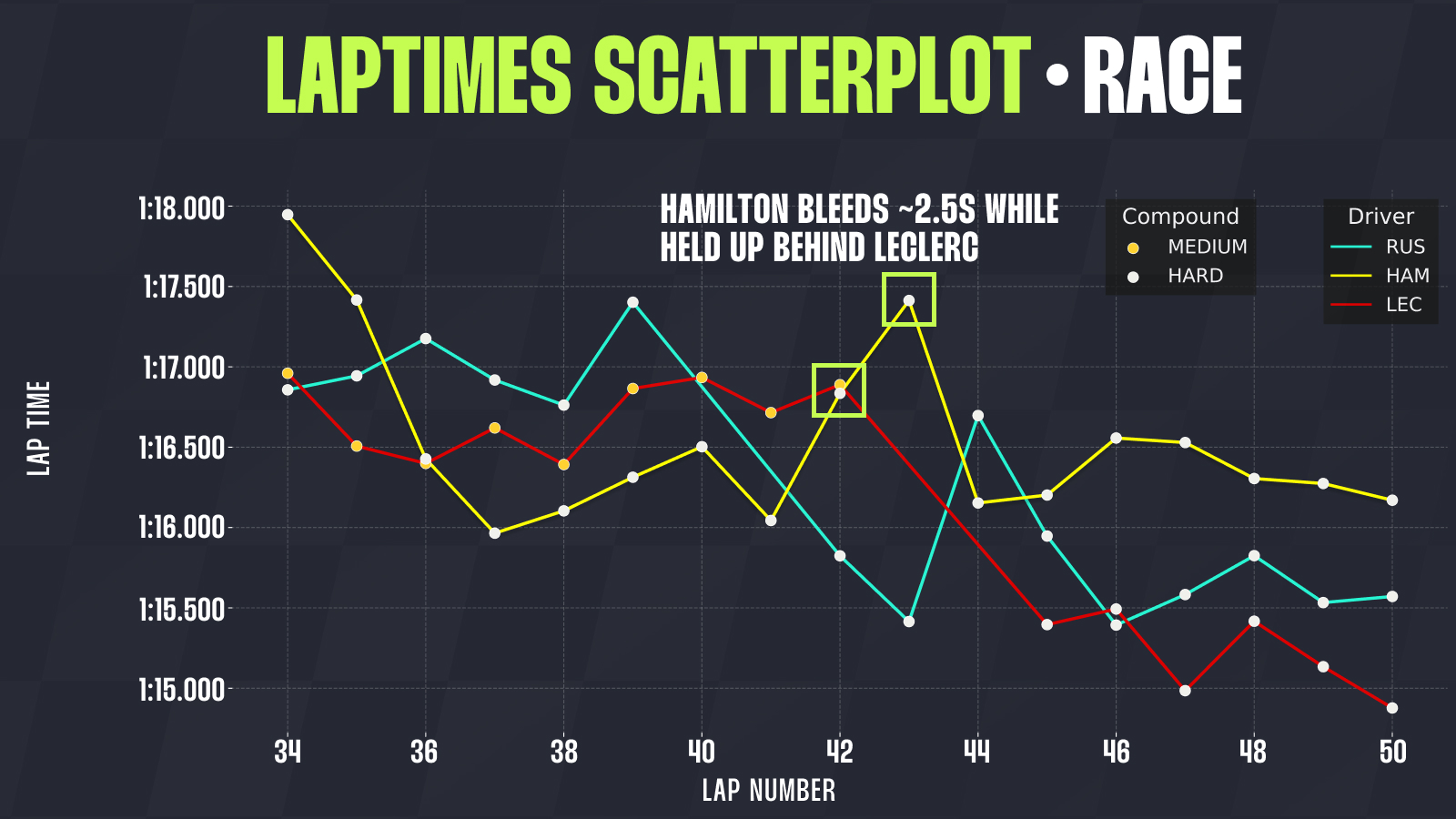
Namely, with Leclerc losing time on the mediums, Hamilton, running on hard tyres that were three laps younger and possessing clearly superior pace, caught up to him. Instead of swapping the drivers immediately, given they were on diverging strategies, Ferrari hesitated.
Hamilton remained stuck behind Leclerc for the next three laps (until Leclerc’s pit stop on Lap 44), squandering roughly 2.5 seconds. This exact time deficit would prove crucial just a few laps later.
Following Kimi Antonelli’s and Lando Norris’s pit stops, Hamilton inherited the lead, but more importantly, enjoyed clean air with a good enough pace, making the decision to extend his stint a logical one. He held the lead until Lap 54, when he lost position to Norris and Antonelli, before a Virtual Safety Car was deployed on Lap 55.
Had he possessed those extra 2.5 seconds mentioned earlier, Hamilton would have reached the VSC in the lead and avoided losing further time defending position to Norris and Antonelli.
In other words, that unnecessary 2.5-second loss compounded into a roughly 4.5-second deficit. Without that loss, Hamilton almost certainly would have claimed third place from Russell to secure a podium finish.
But to make matters even more intriguing, Hamilton wasn’t the only Ferrari driver who lost the opportunity to battle Russell.
Latest Dutch GP talking points via PlanetF1.com
Dutch GP Conclusions: No tears for Zandvoort, Verstappen power play, Lawson makes his case
Wolff declares ‘silly season cancelled’ after Max Verstappen Red Bull contract extension
During the first VSC at Lap 55, the team pitted both Hamilton (who hadn’t made a second stop) and Leclerc, who was actively chasing George down and on the verge of entering overtake mode. By pitting, Leclerc not only dropped further behind Russell but also lost position to his teammate, rendering the advantage of fresher rubber against Russell completely redundant.
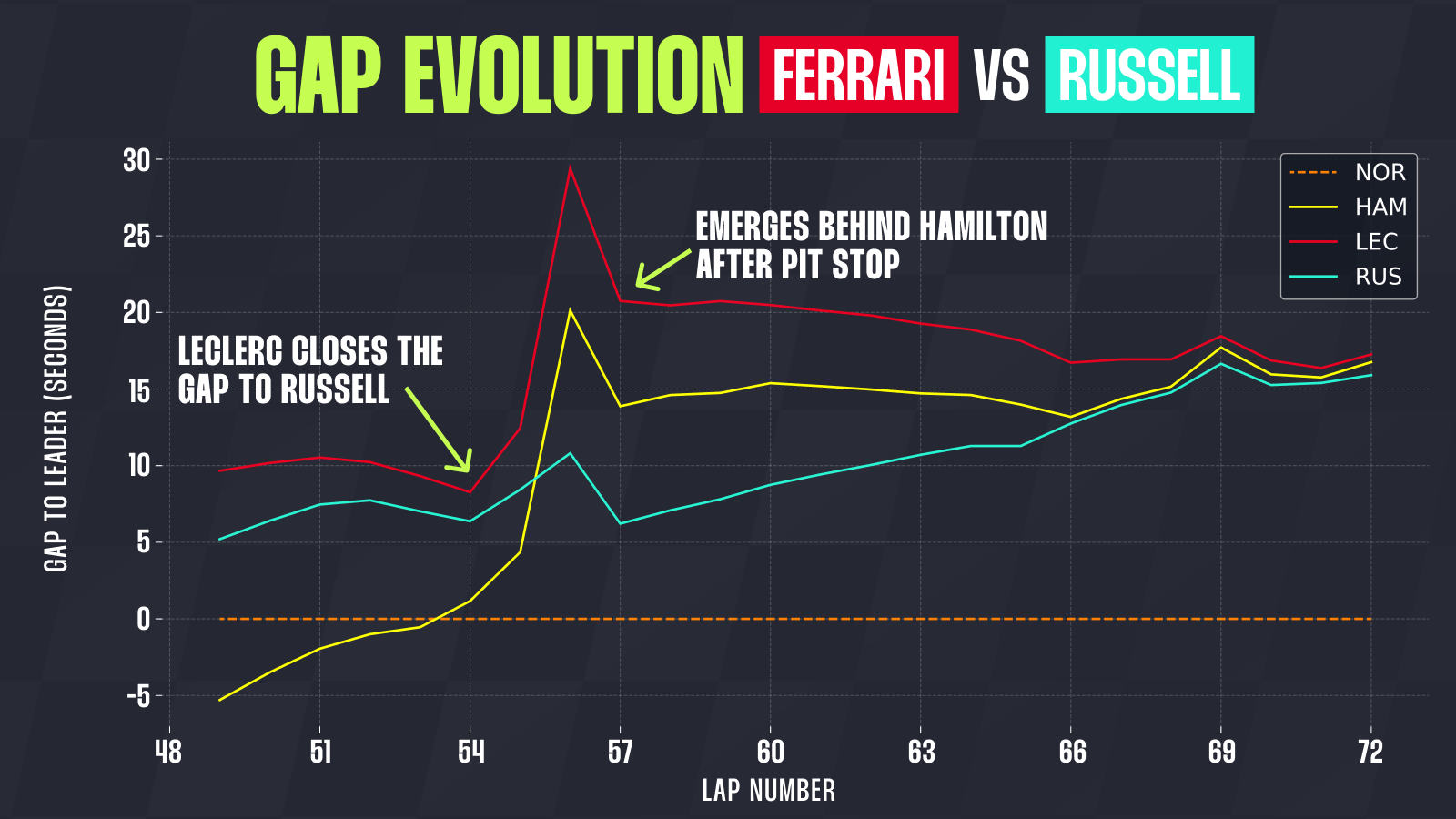
The end result is that neither driver managed to step onto the podium – a dismal outcome considering the raw race pace they possessed.
Read next: Lewis Hamilton points to Mercedes example after Ferrari strategy frustration