

F1 agrees major 2027 engine change with further 2028 revision


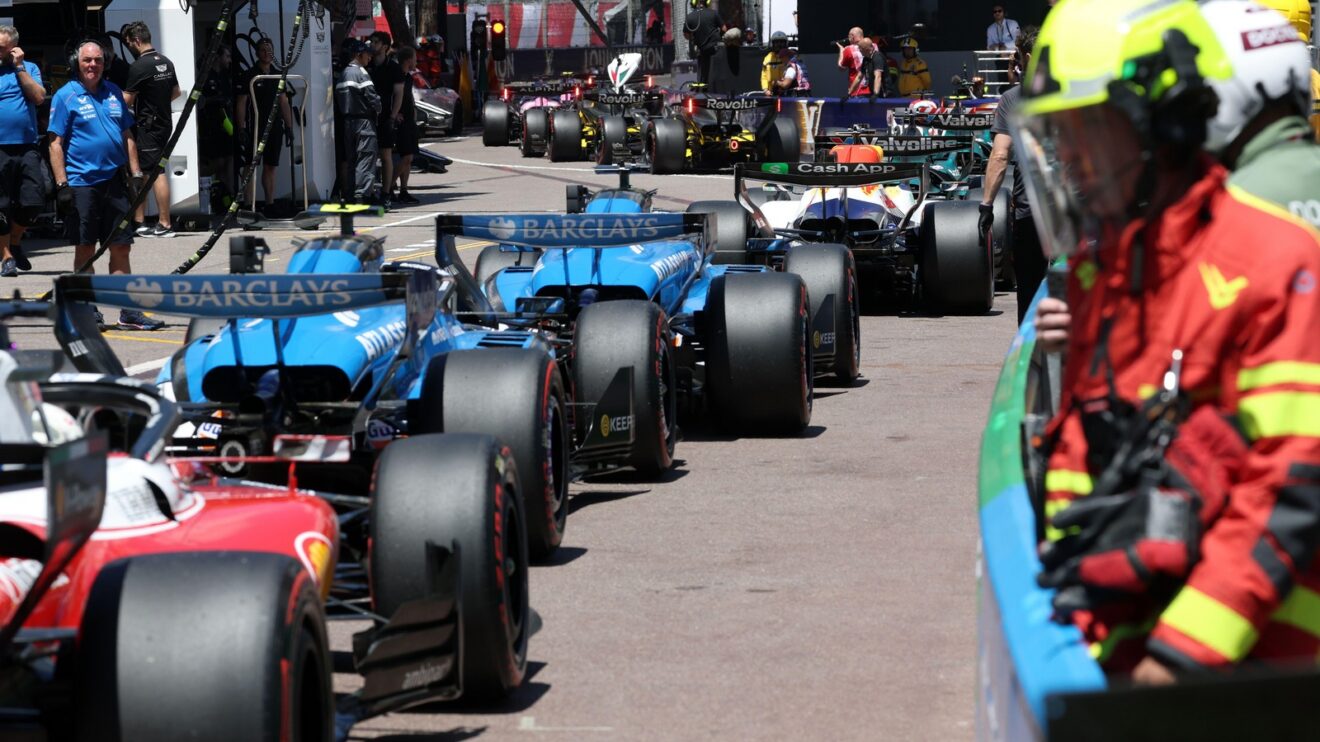
The complete F1 starting grid for the 2026 Monaco Grand Prix.
A power unit change has been agreed for 2027, as well as a further change for 2028, following a meeting ahead of the Barcelona Grand Prix.
F1 will race with a revised power unit ratio in 2027, followed by a further ratio change the following season.
F1 confirms 2027 and 2028 power unit changes
Want more PlanetF1.com coverage? Add us as a preferred source on Google to your favourites list for news you can trust.
- F1 has approved revised power unit ratios for both 2027 and 2028.
- The internal combustion engine contribution will increase over the two seasons.
- The changes are designed to improve energy management and make qualifying more flat-out.
The power unit ratio between the internal combustion engine and the electrical output has been agreed for 2027, following on from the ‘agreement in principle’ revealed by the FIA in recent weeks.
As written by PlanetF1.com at the time, the realities of making the agreed 60/40 split evolve from an agreement into hard and fast regulatory change has seen some stumbling blocks, with initial proposals said to have been shot down when tabled at a recent Power Unit Advisory Committee [PUAC] meeting at the Canadian Grand Prix.
While another formal meeting of the PUAC, which was initially set for this week, was cancelled, a meeting of the members of the F1 Commission this week has resulted in the required supermajority vote needed to introduce regulatory change for 2027. It is not yet clear which party voted against the changes.
For next season, the PU ratio will be 58/42 between the ICE and the MGUK, brought about by a rise from 400kW to 420kW on the combustion engine. To allow for this, a fuel flow rate increase of 5 percent has also been agreed.
For 2028, the ratio will move to 60/40 by way of a move to 450kW on the ICE, along with a 13 percent increase on the fuel flow limit from the current figures.
The fuel flow limit was a major sticking factory in the negotiations to get the changes agreed, due to the extent of the impact on teams in terms of component carryover and chassis use into the next season.
On the electrical side, the max output of the MGUK will be reduced from 350kW to 300kW in 2027, which will remain static in ’28.
Maximum harvesting power, which is currently capped at 350kW, will increase to 375kW in 2027, and up to 400kW in 2028.
“The proposed changes are intended to address issues related to energy management and fuel energy flow characteristics and make Qualifying more flat-out while not impacting the positive and exciting racing generated by the new regulations,” said an FIA statement.
“The package introduces a staged rebalancing of Internal Combustion Engine and Energy Recovery System contribution across the 2027 and 2028 seasons. It includes targeted adjustments to internal combustion engine output, fuel energy flow and energy recovery system deployment, together with increased flexibility in energy management.
“Supporting measures relating to power unit supply conditions, race operations and the relevant financial regulations are also included.”
On the race operations side, it’s understood some of the supporting measures introduced to facilitate the changes include a reduction in race distance at certain circuits, as well as a maximum limit of reconnaissance laps.
The regulation changes will now be submitted to the FIA World Motor Sport Council for formal ratification at its next meeting, in Macau, on June 23.
Welcoming the spirit of cooperation between the respective shareholders to make the changes happen, FIA President Mohammed Ben Sulayem said, “Formula 1 has always evolved to meet new challenges and seize new opportunities. These proposed changes reflect the collaborative work taking place across the sport to ensure the regulations continue to support exciting racing, technological innovation and long-term sustainability.
“The FIA has a responsibility to protect the future of the Championship, and these refinements are part of that commitment. It is through working together that we will shape the future of our sport and deliver for fans across the world, and I would like to thank the FIA staff, the teams, Formula One Group, and the power unit manufacturers for this constructive approach.”
Want to be the first to know exclusive information from the F1 paddock? Join our broadcast channel on WhatsApp to get the scoop on the latest developments from our team of accredited journalists.
You can also subscribe to the PlanetF1 YouTube channel for exclusive features, hear from our paddock journalists with stories from the heart of Formula 1 and much more!
Read Next: Aron joins Audi for Barcelona FP1 as host of driver changes confirmed