
Damon Hill issues ‘brake testing’ warning after terrifying Oliver Bearman Suzuka crash


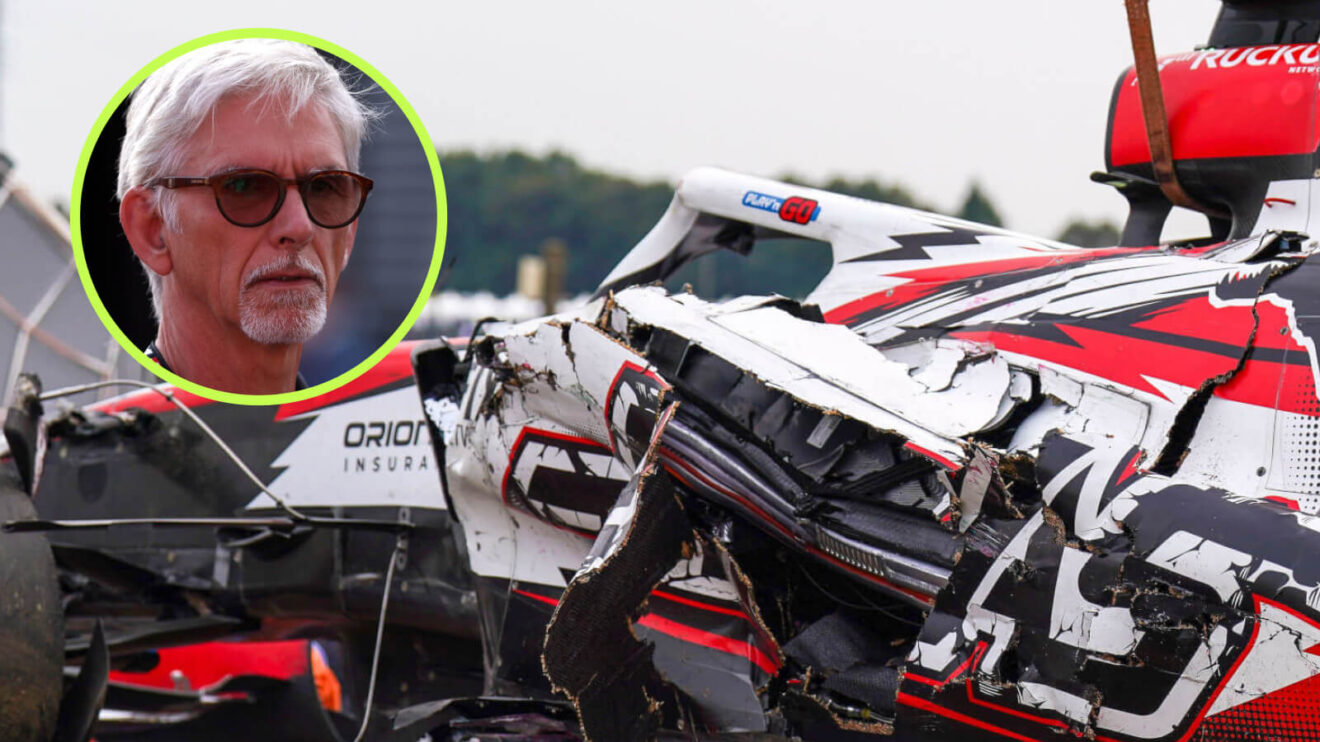
Damon Hill weighs in on drivers' concerns after Bearman crash
Damon Hill believes Carlos Sainz is right to be worried that Oliver Bearman’s Suzuka crash won’t be the last triggered by dramatic speed differentials unless the regulations are changed.
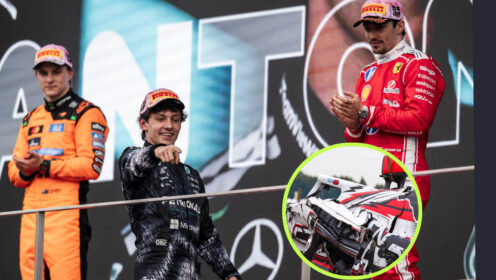
Bearman was fortunate to limp away with nothing more than a bruised right knee after he suffered a terrifying crash at Spoon corner midway through the Japanese Grand Prix.
Damon Hill supports Carlos Sainz concerns over Suzuka crash
Want more PlanetF1.com coverage? Add us as a preferred source on Google to your favourites list for news you can trust
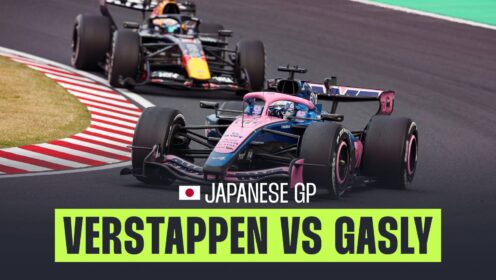
Fighting Franco Colapinto for position, Bearman came flying up behind the Alpine driver into Spoon corner.
His closing speed was some 50kph faster than what Colapinto was travelling at.
PlanetF1’s data expert Uros Radovanovic clocked Bearman at 308 km/h while Colapinto maintained a near identical speed to that from the previous lap.
The difference therefore appears to be on Bearman’s part, with the young Brit caught unaware by the closing speed and had to take evasive action.
As he dived to the left of the Alpine he found himself on the grass, and lost control of his Haas VF-26 and went shooting across the track in front of Colapinto before slamming into the barrier sideways.
Bearman collided with the barrier with the impact recorded at 50G.
More on Oliver Bearman’s huge Japanese GP crash
Oliver Bearman opens up on terrifying 50G Suzuka crash
Franco Colapinto explains ‘really dangerous’ Bearman crash speed difference
Carlos Sainz, who had previously warned that a big crash was inevitable with the new regulations, doubled down on his call for the FIA to do something about the power unit rules.
“I am hopeful that we will come up with something a bit better for Miami, given the fact that the accident with Ollie today, we’ve been warning them about this happening with these kinds of closing speeds,” he told Sky F1.
“These kinds of accidents were always going to happen, and I’m not very happy with what we’ve had up until now.
“Hopefully, we come up with a better solution that doesn’t create these massive closing speeds and a safer way of racing.”
1996 world champion Hill has backed Sainz, as he says a car suddenly slowing is as dangerous as drivers braking testing one another.
“I think he is right to be concerned,” he wrote on social media. “Cars unexpectedly slowing on the fastest parts of any circuit is tantamount to being ‘brake tested’.
“Lights are slightly too late to give enough warning.”
The FIA had already scheduled a meeting with the teams to discuss the new regulations, that set to take place on 9 April.
“A number of meetings are therefore scheduled in April to assess the operation of the new regulations and to determine whether any refinements are required,” read a statement from motorsport’s governing body in the wake of Bearman’s crash.
“Any potential adjustments, particularly those related to energy management, require careful simulation and detailed analysis.
“The FIA will continue to work in close and constructive collaboration with all stakeholders to ensure the best possible outcome for the sport and safety will always remain a core element of the FIA’s mission.
“At this stage, any speculation regarding the nature of potential changes would be premature.”
Want to be the first to know exclusive information from the F1 paddock? Join our broadcast channel on WhatsApp to get the scoop on the latest developments from our team of accredited journalists.
You can also subscribe to the PlanetF1 YouTube channel for exclusive features, hear from our paddock journalists with stories from the heart of Formula 1 and much more!
Read next: Data shows how Oliver Bearman lost control at Suzuka, exposing F1’s electrical risks