

Australian GP track map replaces DRS with Straight Mode zones
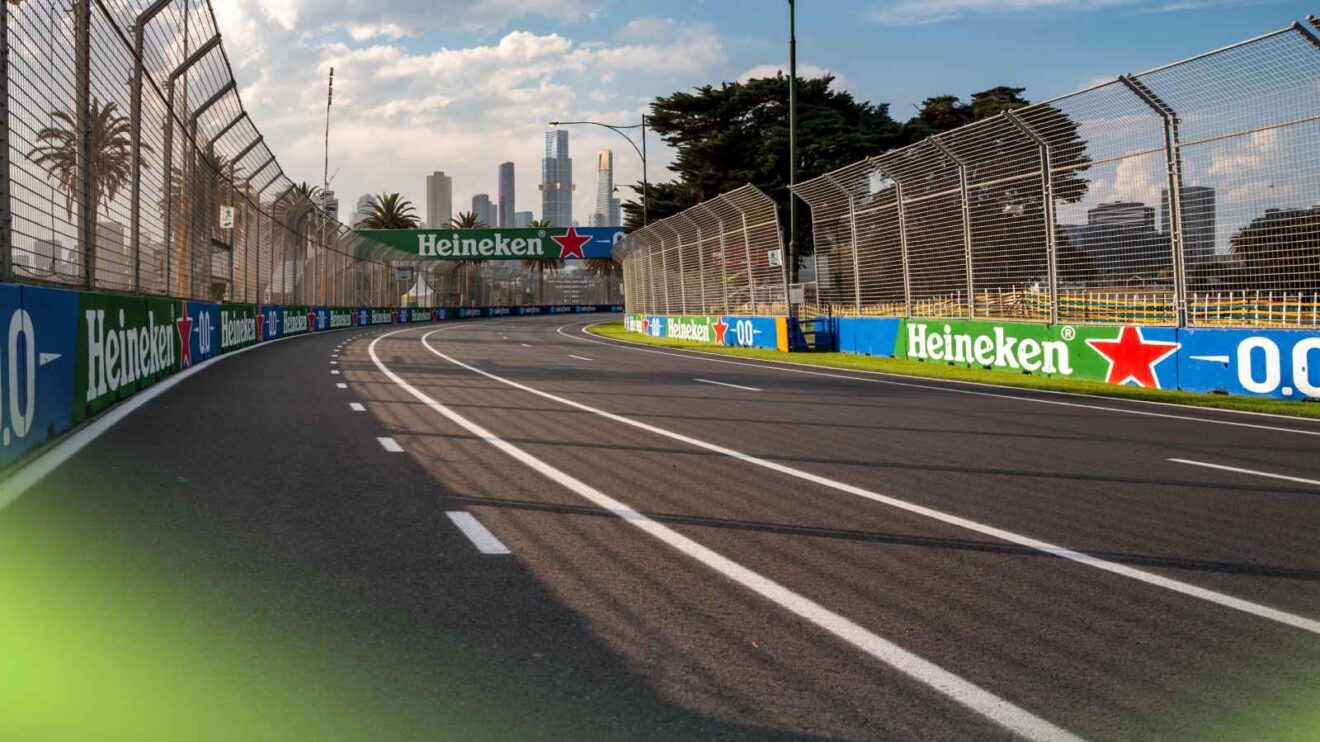
New 'Straight Mode Zones' have been revealed at the Australian Grand Prix.
The Australian Grand Prix sees the beginning of a new Formula 1 era, and the track map at Albert Park has been updated to reveal ‘Straight Mode Zones’.
The effective replacement for DRS as active aerodynamics take hold, five different zones have been identified for when the cars’ front and rear wings will be able to flex, along with one activation point for ‘Overtake Mode’.
Australian Grand Prix Straight Mode zones revealed as DRS officially replaced
Want more PlanetF1.com coverage? Add us as a preferred source on Google to your favourites list for news you can trust
Formula 1’s official website has updated the Albert Park track layout to remove the four previous DRS zones, and instead placed five Straight Mode Zones.
The first will be on the pit straight – where drivers will also be able to make use of Overtake Mode, as the detection and activation points come between the final corners, Turns 13 and 14.
Like DRS, Overtake Mode [also shortened to ‘OM’], will be able to be used by drivers who are within one second of the car in front, and while the electrical output available to drivers begins to dip as their speed increases past 290km/h [180mph], Overtake Mode allows drivers to keep their full complement of electrical capabilities [350 kilowatts] up to 340kph [211mph], offering a top speed advantage for chasing drivers.
More key terms to learn for the F1 2026 season
MOM is out and Boost Mode in as key F1 2026 terms defined
Explained: How F1’s new ‘overtaking mode’ will work in 2026
After the pit straight, it has been revealed that Straight Mode Zones will be in place on the shorter straights between Turns 2 and 3, then in the short burst between the right-handers of Turns 5 and 6.
Albert Park represents a much higher-speed challenge since it was reprofiled in 2021, and the long left-handed run along Lakeside Drive between Turns 8 and 9 will also be available as a Straight Mode Zone.
After the swooping chicane of Turns 9 and 10, drivers will be able to activate Straight Mode on the run down to Turn 11.
In the moments following the sharp left-hander at Turn 13, the Overtake Mode detection point comes and, in a change to DRS zones, which often allowed the moveable rear wing to open after a corner, OM will be available to chasing drivers from before Turn 14.
At time of publishing, track maps for the upcoming rounds at the Shanghai International Circuit and Suzuka have not yet been updated on Formula 1’s official website, though as the host of pre-season testing, the relevant zones have already been identified for the Bahrain International Circuit.
Drivers have voiced differing opinions on how the changes to this year’s cars will have an impact on overtaking, with Ferrari’s Charles Leclerc among those to believe that passing cars will be trickier this season.
“I find it at the moment extremely difficult to get any overtakes, but it might improve with time in how we manage these kind of situations,” Leclerc told PlanetF1.com and other outlets.
“But it always comes with a price whenever you’ve got to overtake, and the price is a lot more costly than it was in the past. So that’s why I think it’s very, very difficult to make an overtake and then pull away like it was the case last year. That’s tricky.”
The F1 2026 curtain-raiser will take place in Australia from 6-8 March.
Additional reporting by Thomas Maher.
Want to be the first to know exclusive information from the F1 paddock? Join our broadcast channel on WhatsApp to get the scoop on the latest developments from our team of accredited journalists.
You can also subscribe to the PlanetF1 YouTube channel for exclusive features, hear from our paddock journalists with stories from the heart of Formula 1 and much more!
Read next: Ferrari boss Fred Vasseur warns Melbourne form won’t define 2026 season