
FIA insists F1 ‘cannot be hostage’ to manufacturers in next-gen engine debate


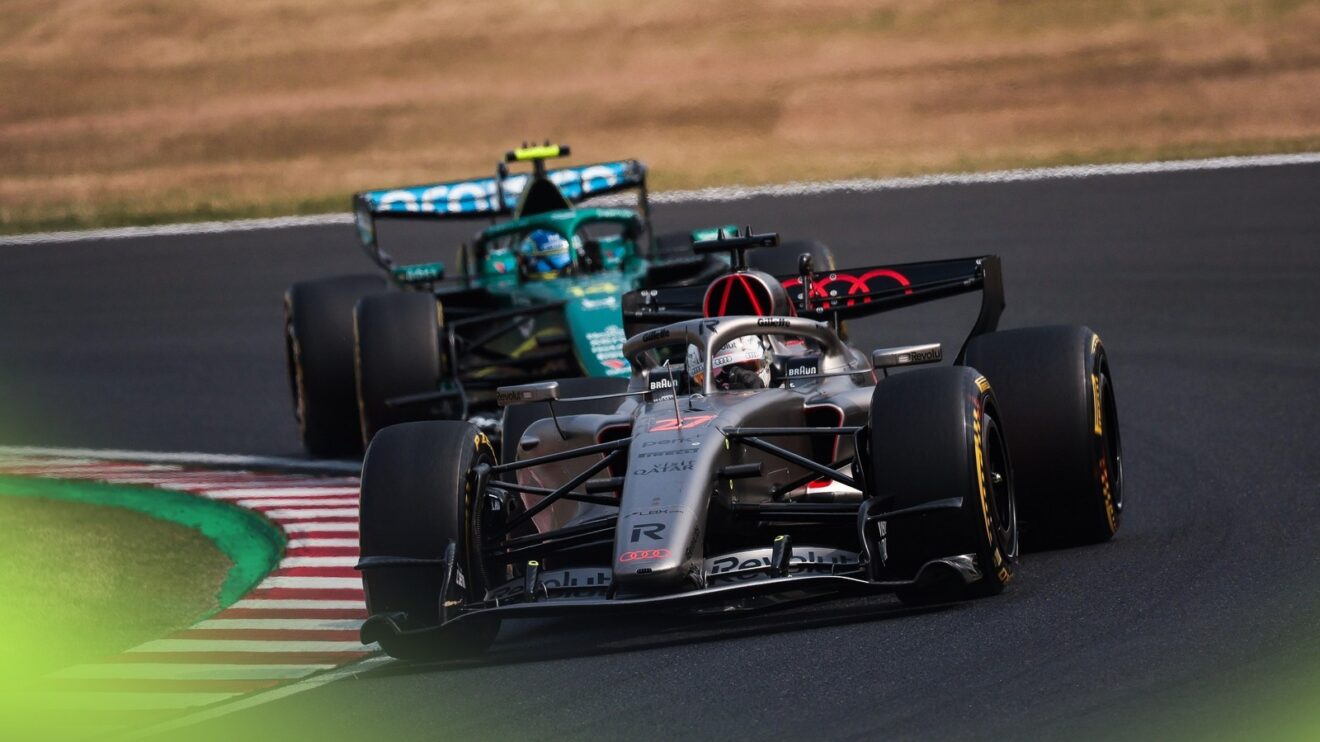
Nikolas Tombazis has warned that F1 'cannot be hostage' to car manufacturers when it comes to the next generation of engine rules.
FIA single-seater boss Nikolas Tombazis has declared that F1’s future “cannot be held hostage” by trying to appease the automotive sector.
Discussions surrounding the next generation of engine regulations are already on the horizon and come against an unpopular F1 2026 ruleset aimed at luring more car makers onto the grid.
Nikolas Tombazis says F1 cannot be held hostage by manufacturers
Want more PlanetF1.com coverage? Add us as a preferred source on Google for news you can trust.
First discussed in 2021 with the framework approved in August 2022, the current power unit regulations are a result of heavy consultation with both existing and (at the time) prospective manufacturers.
That led to a compromised ruleset which maintained the same fundamental combustion engine configuration while ramping up the electrical elements.
It was a choice made to appease an automotive sector that, at the time, was moving increasingly away from combustion-engined cars.
At the time, F1 was yet to experience its explosive growth, leaving teams in a far more vulnerable position than they are today.
Attracting new manufacturers into F1 was therefore seen as a prudent move; not only could they afford to compete, but their presence served as a halo that enhanced the overall appeal (and value) of the sport.
Since then, a combination of the cost cap limiting teams’ spending, a redistribution of prize money, strong fan growth and the subsequent arrival of a bevy of new commercial partners has done much to shore up the financial foundations for the entire sport.
Coupled with a changed automotive landscape, it affords rule makers an opportunity to take a more holistic view of the sport, and the direction it will go in future.
“The political landscape has changed,” Tombazis said in reference to the automotive sector.
“Back when we discussed the current regulations, the automotive companies, who were very involved, told us they’re never going to make another internal combustion engine again, a new one; that they were going to phase out, and by whatever year they were going to be fully electrical.
“Obviously that hasn’t happened.
“That’s not to underestimate the importance of electrification globally, but it didn’t happen as much [as was predicted].”
Alongside the increase in hybrid power for F1 2026, fully sustainable fuels have been introduced.
A drop-in solution, it opens the door for a potential return to combustion power while offering a unique selling point.
Despite the push to electric vehicles in recent years, it’s estimated that the global fleet of combustion engined cars is 1.5 billion, many of which will remain on the road for many years to come.
A drop-in sustainable fuel supports that market while addressing environmental considerations, a point which could offer F1 an alternative to the continued use of hybrid power.
The risk is such a move could take F1 in a direction that doesn’t marry with the ambitions of the automotive sector.
However, with manufacturer’s having proven fickle throughout F1’s history, a play to safeguard the sport from their potential withdrawal is prudent, and one shared by Tombazis.
“In terms of where we want to be in the future, we do need to protect the sport from the world macro-economic situation,” he reasoned.
“We cannot be hostage to automotive companies deciding to be part of our sport or not.
“We want them to be part of our sport, absolutely, that’s why we’ve worked so hard to secure new ones to participate.
“But we can also not be in a position where, if they decide they don’t want to be, we’re suddenly left vulnerable.”
The FIA and Formula One Management may want manufacturer involvement, but the risk is the sport becoming dependant on their participation.
While there are no publicly available figures for the development cost of the current generation of power unit, it’s reasonable to suggest manufacturers have spent in the realms of $450 million.
That figure moves the production of a power unit beyond the reach of independent powertrain engineering firms, limiting F1’s options when it comes to potential manufacturers.
However, a return to combustion power, with sustainable fuel, is low cost and, without the need for heavy hybrid systems, would bring the overall car weight down too.
It’s a concept flagged by FIA president Mohammed Ben Sulayem, and one endorsed by several paddock figures including Red Bull’s Christian Horner despite the investment he’d made into Red Bull Powertrains.
More on F1 engines
Bring back V10s? The F1 2026 rules are a step too far
F1 2026 rules at centre of shock axe claim in favour of V10s – report
“Personally, from a sporting perspective, looking at what the future engine of Formula 1 should be beyond this next generation, particularly with the way that sustainable fuel is going, it does open up all kinds of opportunities,” Horner said in early 2025.
“Inadvertently, we’ve ended up with a very, very expensive, very complex engine from ’26 onwards.
“The purist in me would love to go back to a V10 that was done responsibly with sustainable fuel that reintroduced the sounds of grand prix racing,” he added.
“It’s an interesting concept and one to certainly look for after this current set of regulations.”
A byproduct of such a move would herald a return of screaming F1 engines, whose absence is a common complaint among fans.
“It’s always easy, if possible, to reduce noise if you have too much,” Tombazis noted.
“The opposite is more of a tricky one to increase if you have too little.
“When we have previous cars running occasionally in Grands Prix on Sunday morning, early or whatever, they do provide a certain level of feeling amongst a lot of people.”
Want to be the first to know exclusive information from the F1 paddock? Join our broadcast channel on WhatsApp to get the scoop on the latest developments from our team of accredited journalists.
You can also subscribe to the PlanetF1 YouTube channel for exclusive features, hear from our paddock journalists with stories from the heart of Formula 1 and much more!