

First on-track images of Racing Bulls 2026 car emerge as team conducts Imola demo
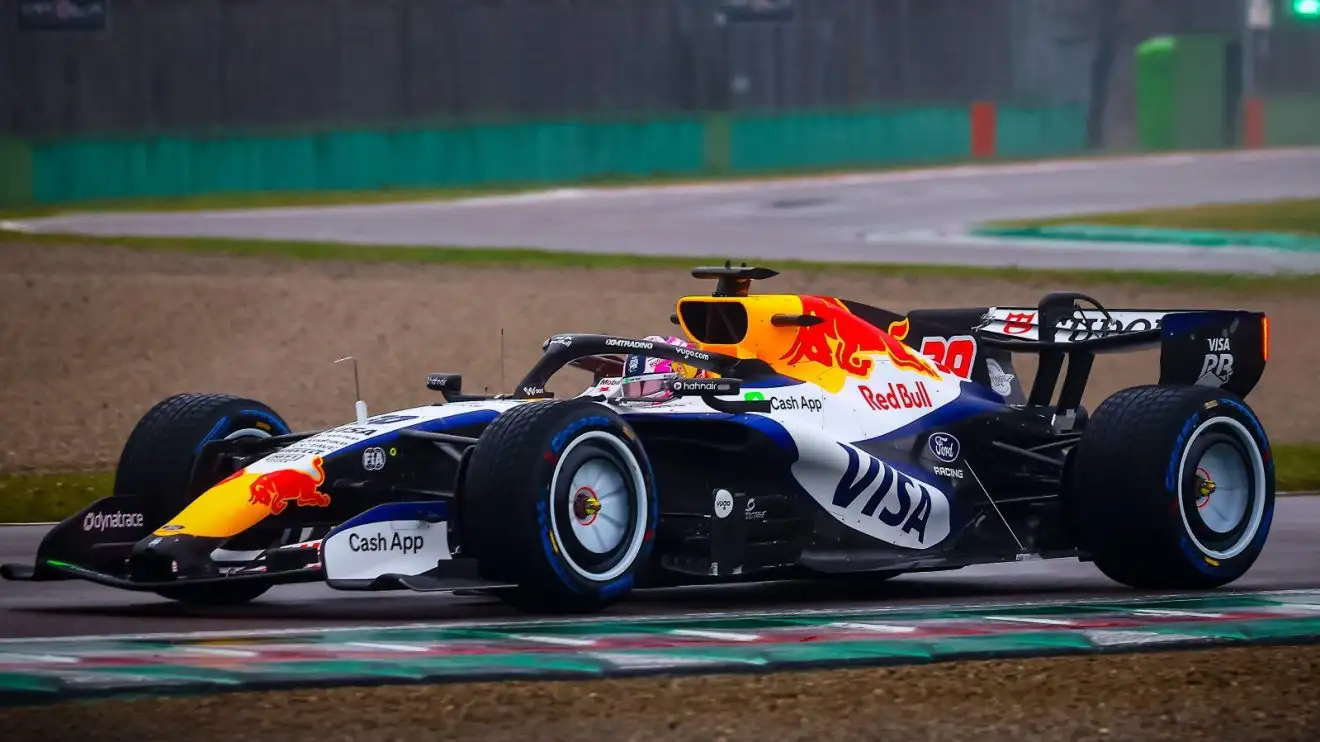
Racing Bulls are at Imola for two days as a pre-season shakedown.
The 2026 Racing Bulls car has headed out onto the track for the first time this season as the team conducts a demonstration event at Imola.
Teams are allowed two demonstration events a year and often opt to use one of those in pre-season for a shakedown of its new car.
Racing Bulls test VCARB03 at Imola
Racing Bulls used the first of its two ‘demonstration’ opportunities on Tuesday as the VCARB03 took to Imola.
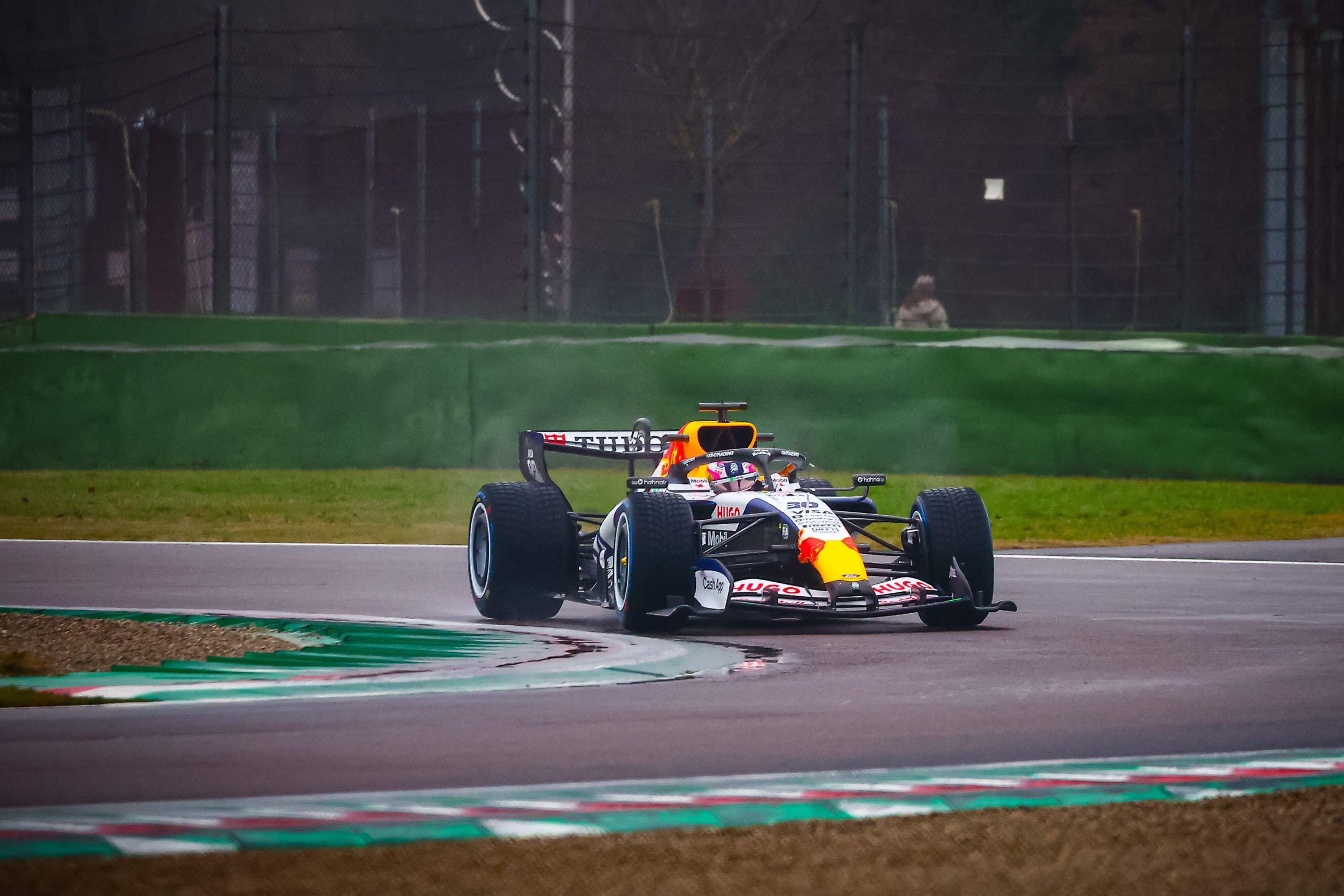
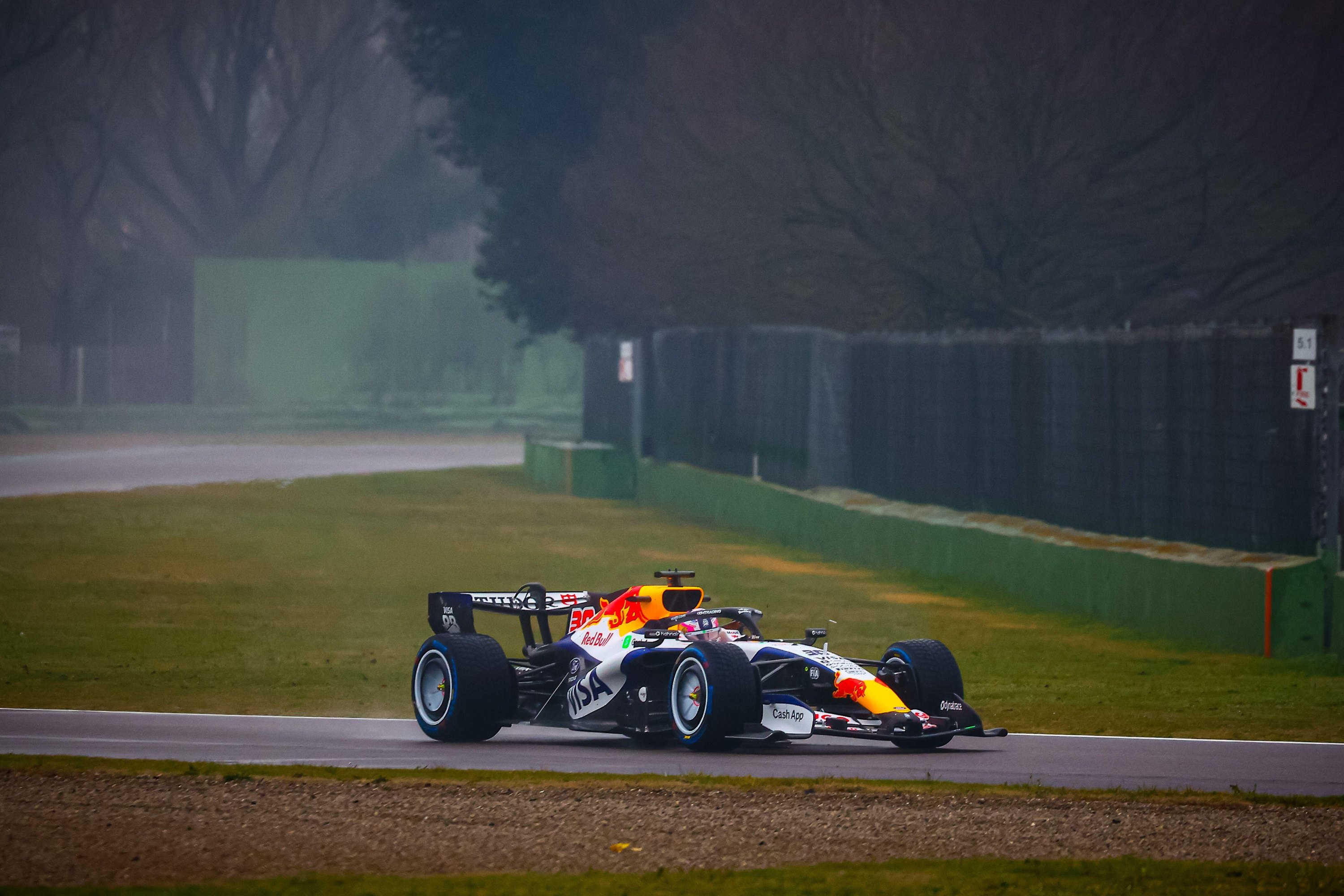
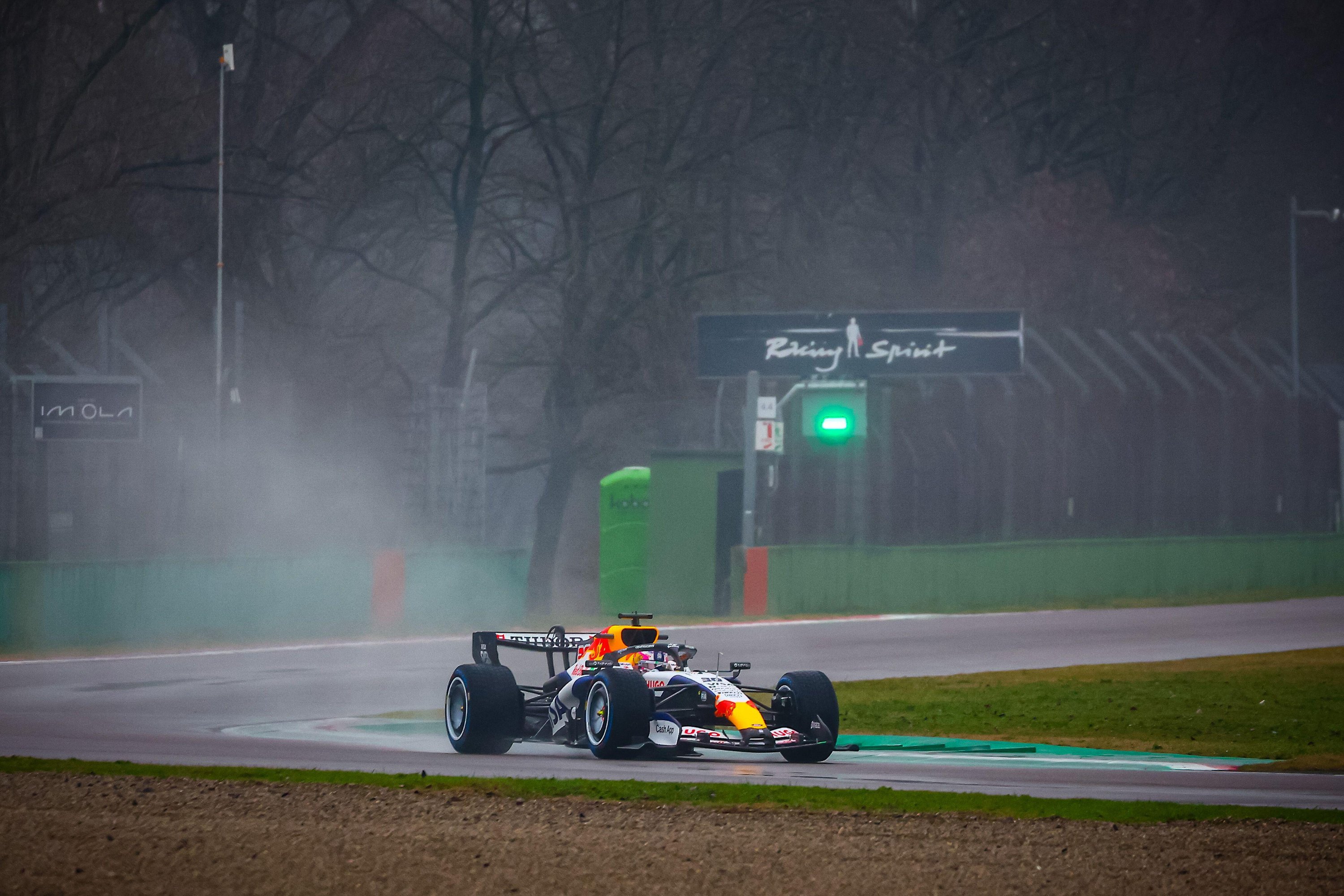
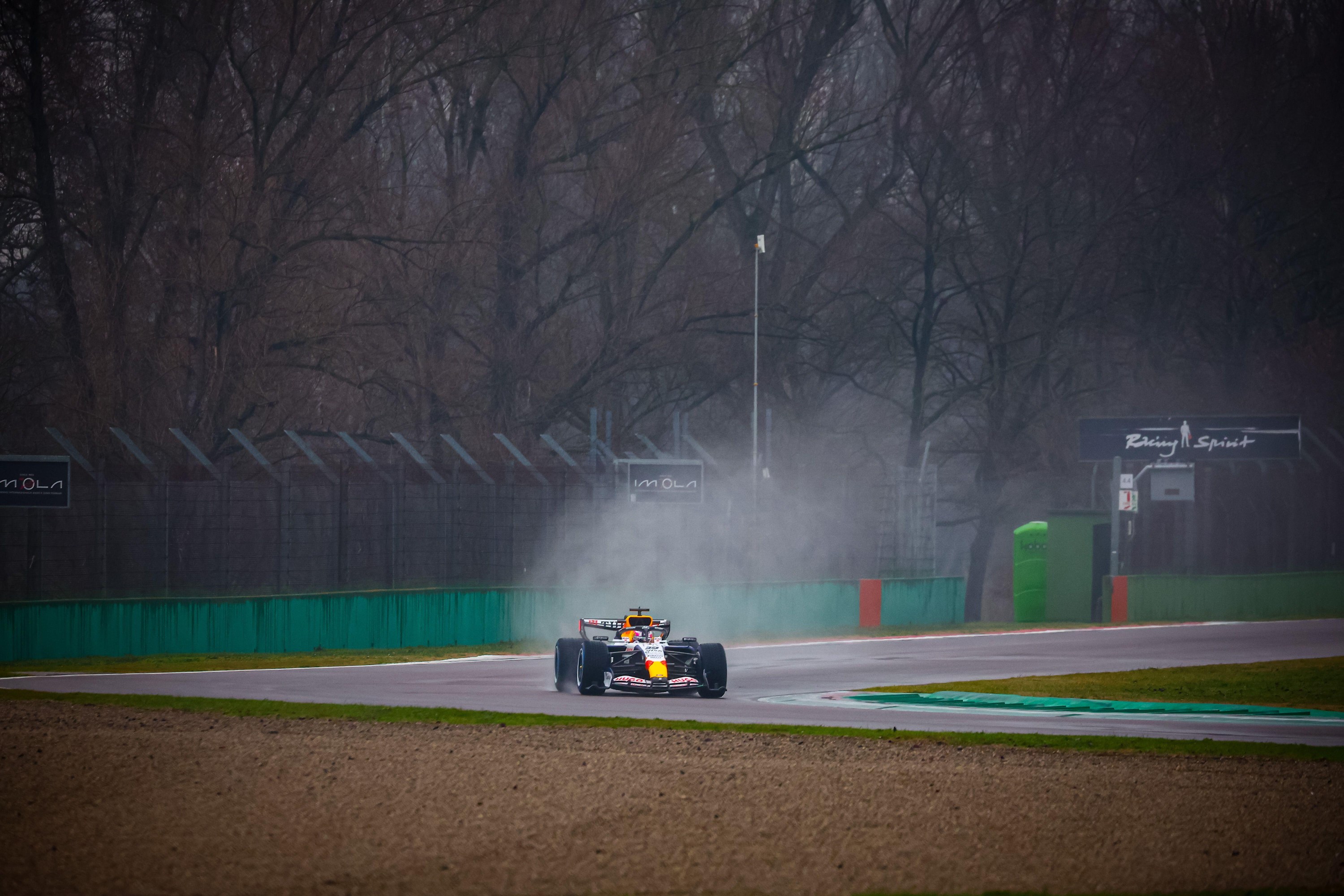
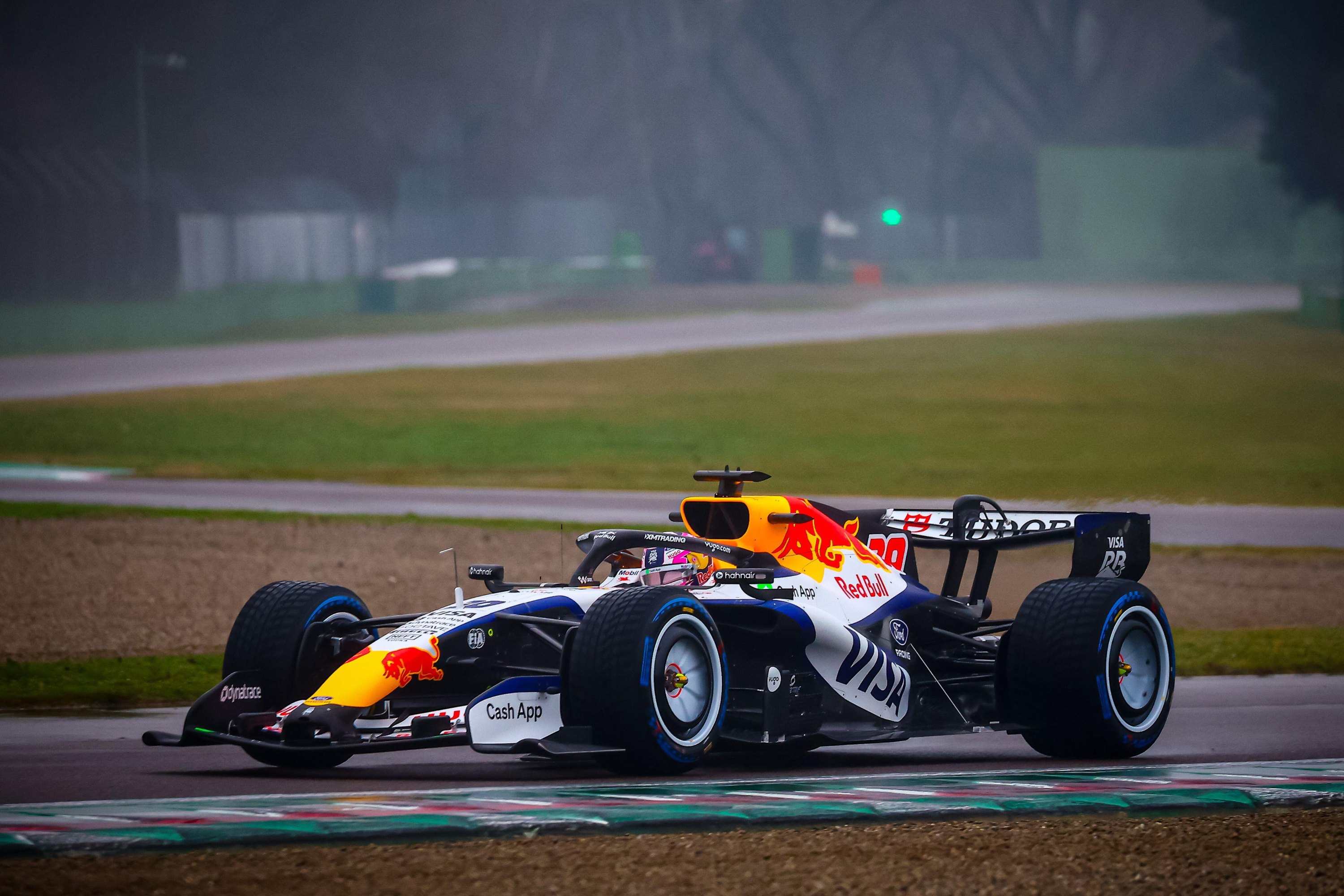
Details are scarce at the moment but the helmet suggests Liam Lawson was behind the wheel for the test.
Racing Bulls will be back at Imola on Wednesday for some more laps, this time as part of one of two filming days teams are allowed per year.
A filming day permits a team to carry out a maximum of 200 kilometres of track time, with a recent regulatory change doubling this allowance from 100 kilometres.
As is usual, any team carrying out a demonstration or filming day must use specifically-provided Pirelli compounds for the purposes of its on-track running.
Filming days not only provide teams with an opportunity to record promotional and marketing material for their own use but, if cashed in during the pre-season, also serve as an accepted way for teams to blow off the cobwebs from the winter break.
Following the Imola test, the VCARB03 takes to the track in earnest to begin the official testing programme, which commences with a five-day event in Barcelona between January 26th and 30th.
Team boss Alan Permane said he expects development to be frenetic in the early stages of the new rules cycle, with updates even for the first race of the year in Melbourne.
“I’m pretty sure most people, us included, will [bring] an update [to Australia],” he told PlanetF1.com in an exclusive interview at the end of 2025.
“The car we test with in Barcelona won’t be the car we take to Melbourne. I’m sure there’ll be a significant update.
“We’ve known the regs for a while. We’ve been able to work on the car in the wind tunnel since January 1 [2025].
“Now, we’re all faced with exactly the same problem.
“The later you develop your car, the faster it will be, in simple terms.
“You want to keep it in the wind tunnel as long as you can. You want to finalise the mechanical designs as late as you can.
“The installation of the engine, with the radiator installation, all that has an effect on the sidepod installation, which has an effect on the floor, which has an effect on the downforce.
“Everything, everything you do is geared up for performance, so you kind of define that [timeline] yourselves.”
Read next: Aston Martin set ‘tough targets’ for first Adrian Newey-designed Honda car ahead of F1 2026