

Revealed: Major McLaren MCL40 upgrade signals new development path


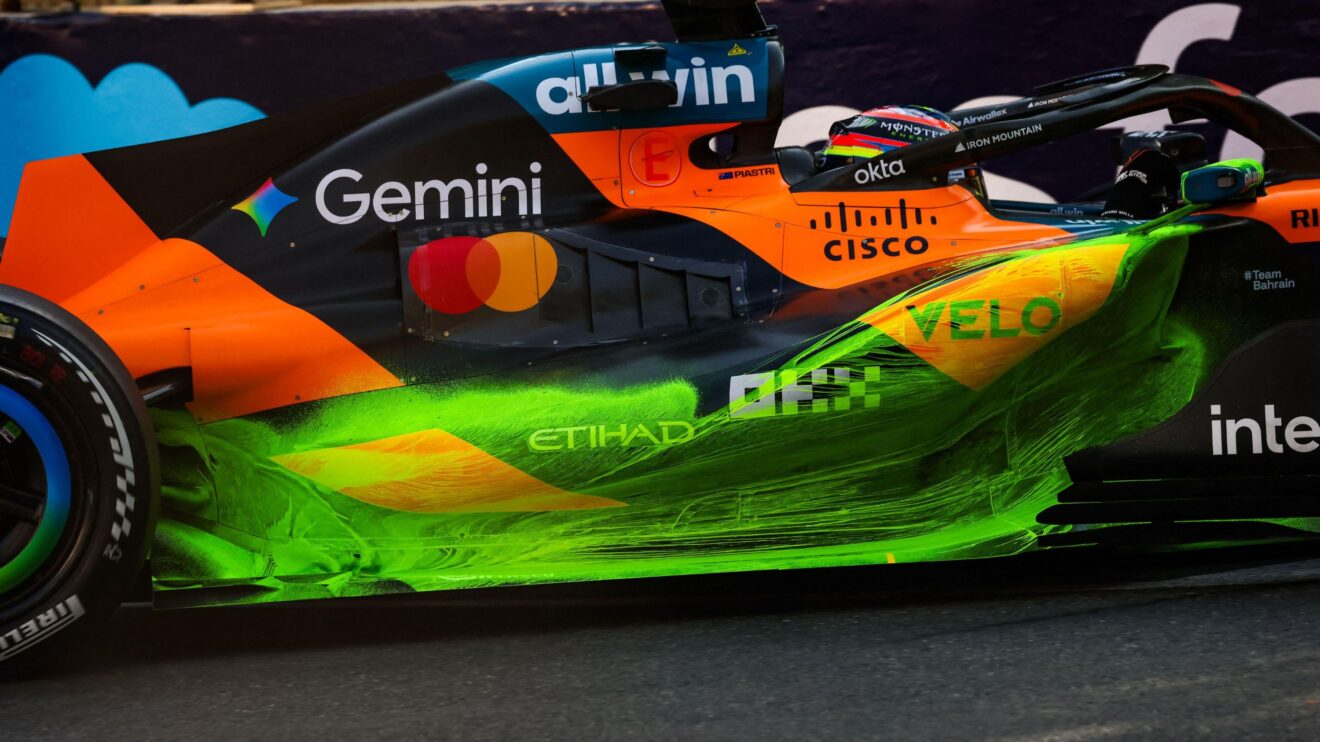
McLaren introduced a significant upgrade package in Azerbaijan.
Let’s take a detailed look at the extensive aerodynamic update package McLaren introduced at last weekend’s Azerbaijan Grand Prix.
The Baku race did not go to plan for the reigning constructors’ champions as Lando Norris retired and Oscar Piastri finished a lowly 13th. Yet the arrival of the latest MCL40 is a silver lining, offering fresh hope that McLaren can reclaim its spot at the front of the field.
A new sidepod philosophy for the McLaren MCL40
With the most striking modifications visible on the car’s sidepods, we can see precisely what the factory engineers are striving to achieve.
Among others, the most eye-catching change on the MCL40 is undoubtedly the sidepod geometry – and for us, the most intriguing, as the team has completely shifted philosophy in this region.
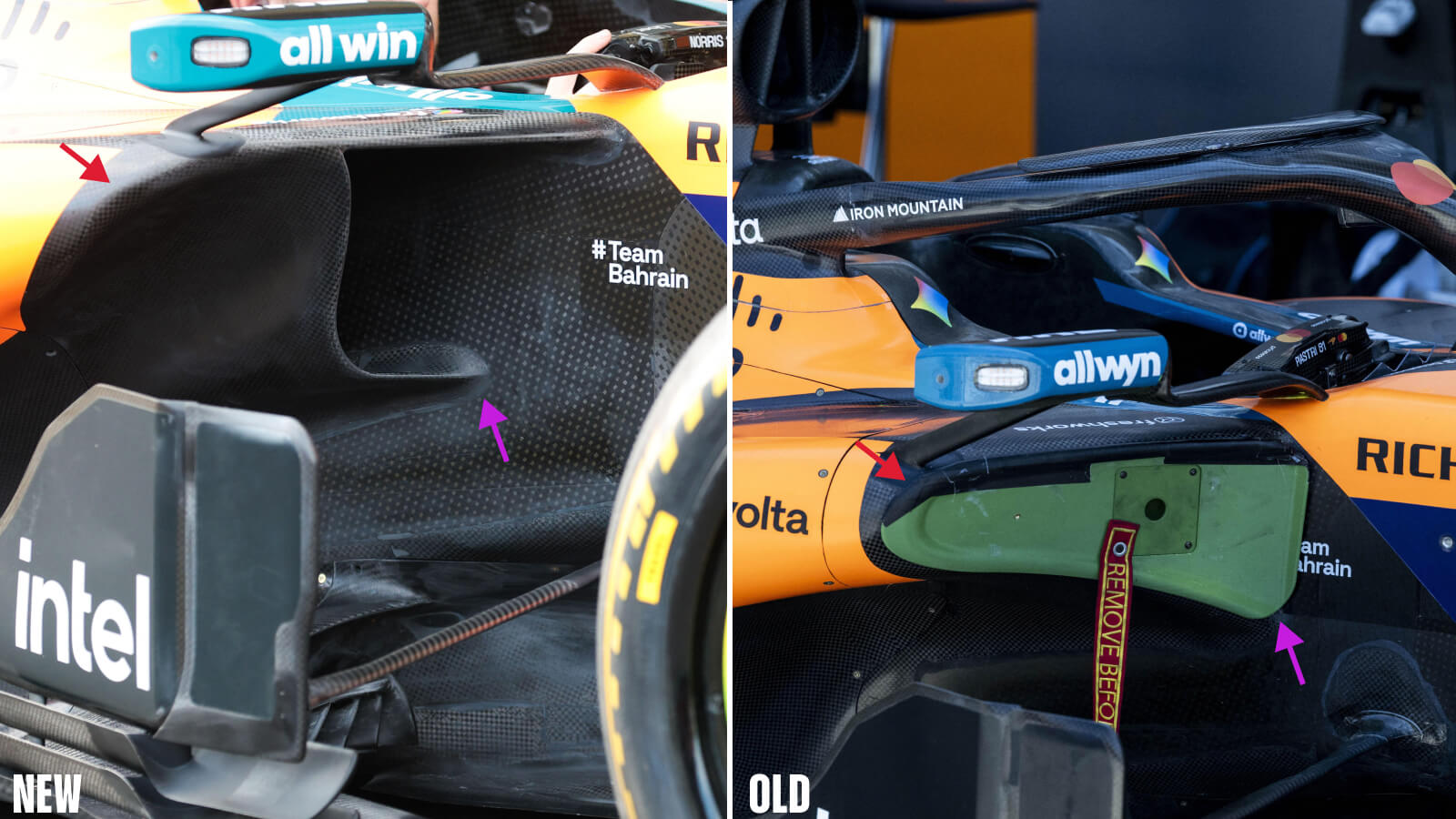
What immediately catches the eye is the altered inlet profile, which has adopted a squarer shape. Although it has drawn numerous comparisons to Audi’s solution, it is important to remember that while they may appear similar at first glance, these are two very different designs following distinct aerodynamic principles.
So, what was McLaren trying to achieve here?
Naturally, a structural change of this nature impacts multiple downstream aerodynamic features – most notably the floor, diffuser and rear wing.
What warrants close attention is that, alongside the modified inlet, the upper surface of the sidepod has retained its width.
Analysis: Azerbaijan Grand Prix
Azerbaijan GP 2026 Driver Ratings: Near perfection and the ultimate motorsport sin
This creates an additional recessed channel (red arrow) – which could be described as a “dimple” – forming some kind of double undercut profile.
Furthermore, the lower lip of the inlet has been moved significantly further back compared to the previous specification (purple arrow).
This dimple, positioned outboard of the inlet, creates a high-pressure zone that essentially forces oncoming airflow to route around it.
Consequently, the airflow is biased either into the sidepod inlet itself (a clear benefit for cooling efficiency) or outward, which proves exceptionally effective at preventing front tyre wake from spilling over the upper sidepod deck.
In short, we can deduce that McLaren aimed to maintain or even enhance cooling efficiency while improving their ability to keep dirty air generated by the front tyres away from the bodywork.
Managing front tyre wake has always been one of the most vital, and challenging, tasks for Formula 1 aerodynamicists.
With the new regulations making that task even more arduous, teams are forced to devise increasingly creative solutions.
Overhang geometry and airflow management
Yet this is only the beginning.
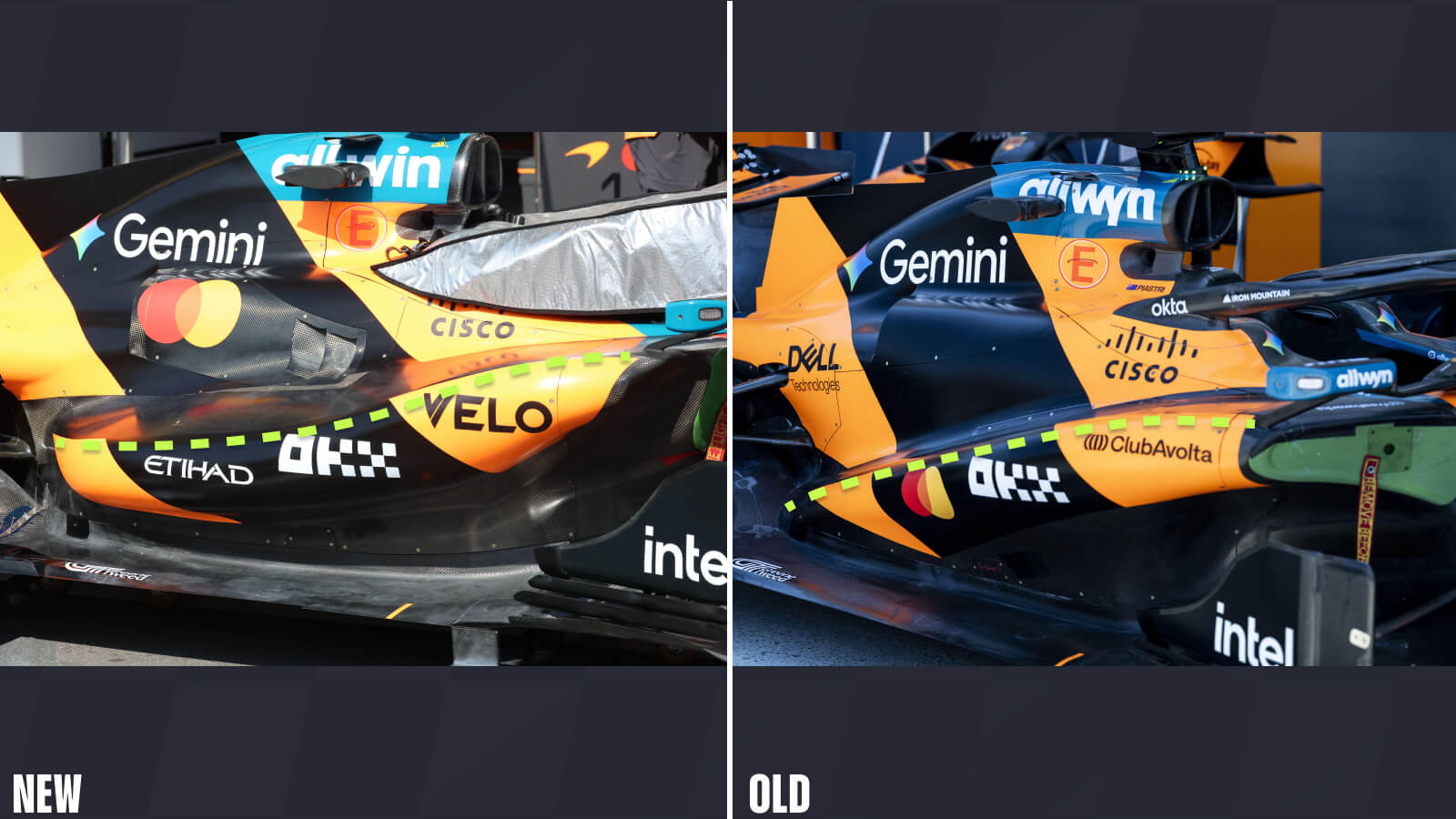
Taking in the overall sidepod geometry offers a clear picture of just how substantial this design shift really is.
Replacing their previous downwash profile that merged smoothly into the floor, McLaren have transitioned to a so-called overhang-style solution, similar to concepts adopted by several rivals.
This creates a larger undercut region and exposes significantly more of the floor’s upper surface.
Evidently, all these modifications aim to maximise the delivery of clean, high-energy airflow into the region between the rear wheel and the diffuser – a zone that has become paramount in this generation of cars.
All of these elements must operate as a cohesive system.
When analysing aerodynamic components, we must always evaluate the complete package rather than isolated parts.
This was neatly illustrated during the first free practice session in Baku, where the team applied flow-visualization (flow-vis) paint, allowing us to trace air movement across the car’s bodywork.
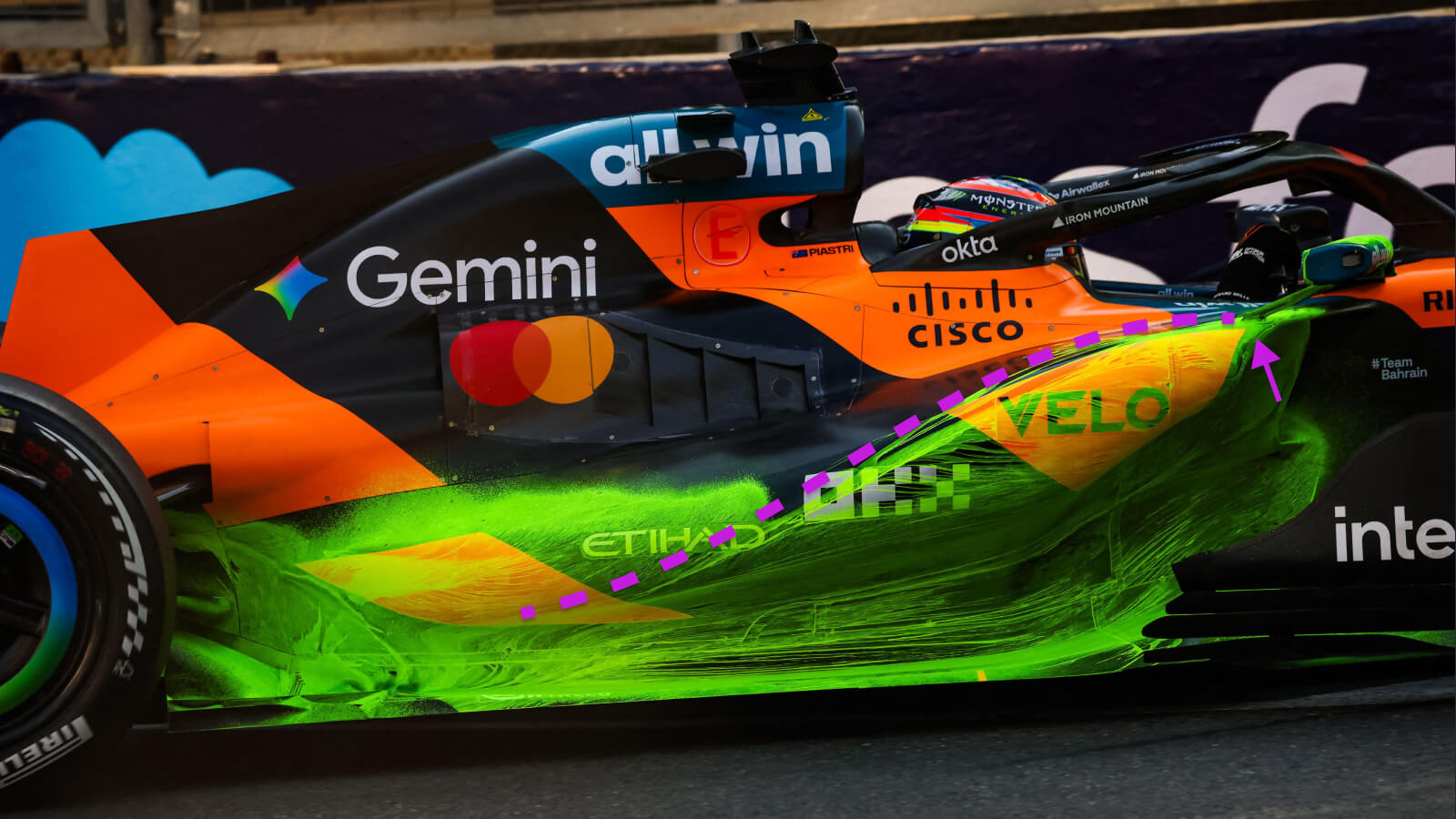
Notice the vortex forming on the upper surface of the sidepod near the dimple mentioned earlier (purple arrow).
This vortex effectively acts as an aerodynamic barrier, preventing turbulent wake from the front tyre from spilling over the edge and contaminating the clean airflow traveling across the top surface of the sidepod.
As flow moves rearward, this vortex gradually cascades into the undercut region, where, alongside the undercut stream, it feeds the rear section of the floor – which is now wider and capable of handling greater volumetric mass flow.
Airspeed sensors (pitot rakes) mounted in this critical area confirm that engineers were actively validating whether real-world track data aligned with CFD simulations and wind tunnel models.
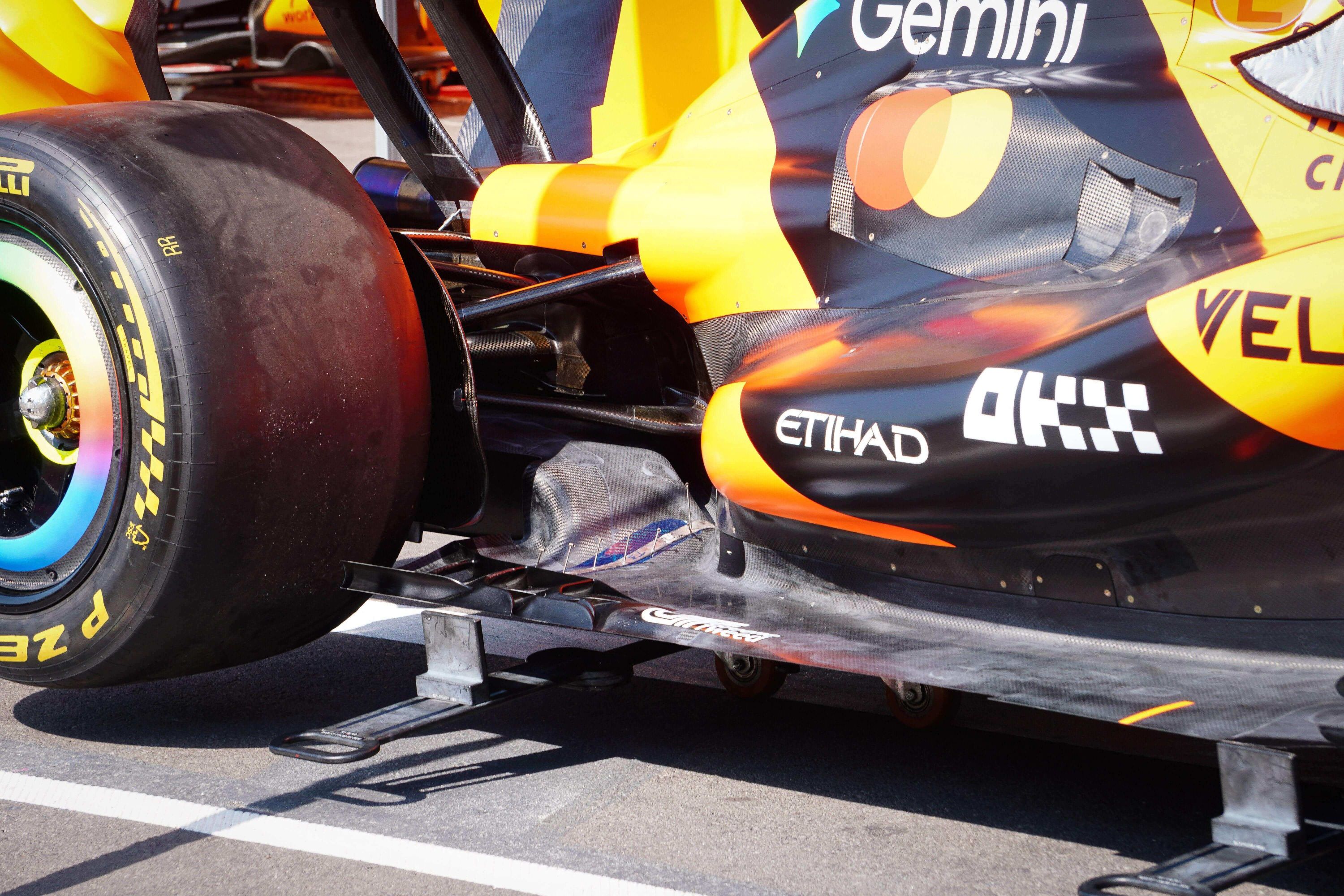
In conjunction with these sidepod revisions, the MCL40 features a updated rear corner assembly, playing its part within this revised aerodynamic structure.
Additionally, McLaren revised the airbox inlet geometry, which now sports a somewhat triangular profile.
This modification is almost certainly linked to the new sidepod inlets, adjusted to balance internal cooling requirements.
The diffuser has also undergone geometric tweaks; however, the precise rationale behind these changes remains concealed, as they are directly tied to underbody floor modifications hidden from view.
All in all, this is a comprehensive upgrade package that impacts virtually every component on the car. How much potential this concept conceals remains to be seen once the team unlocks its sweet spot on track.
Want to be the first to know exclusive information from the F1 paddock? Join our broadcast channel on WhatsApp to get the scoop on the latest developments from our team of accredited journalists.
You can also subscribe to the PlanetF1 YouTube channel for exclusive features, hear from our paddock journalists with stories from the heart of Formula 1 and much more!
Read next: How Azerbaijan GP exposed a problem F1 simply cannot fix