Haas made some significant changes to the VF-25 during the course of 2025, as they looked to extract more performance from their current machine, whilst being mindful of the balance in resources required to design next year’s challenger in parallel.
Let’s dive into some of the changes they made and also take a look at some of the design aspects that are often hidden away.
More to it than meets the eye
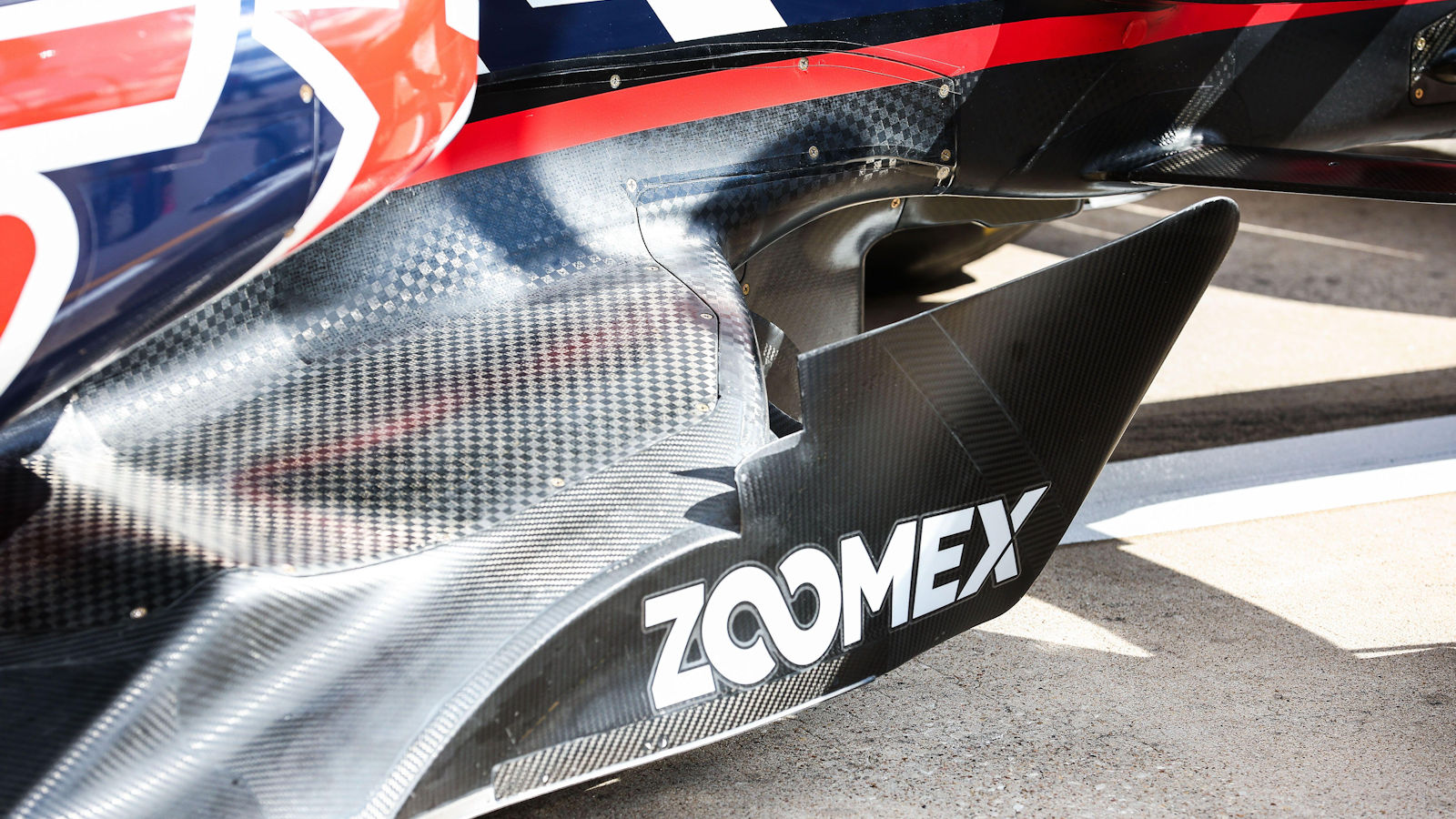
A rare glimpse of the underfloor of this generation of car, giving insight into the shape of the central boat section and floor fences.
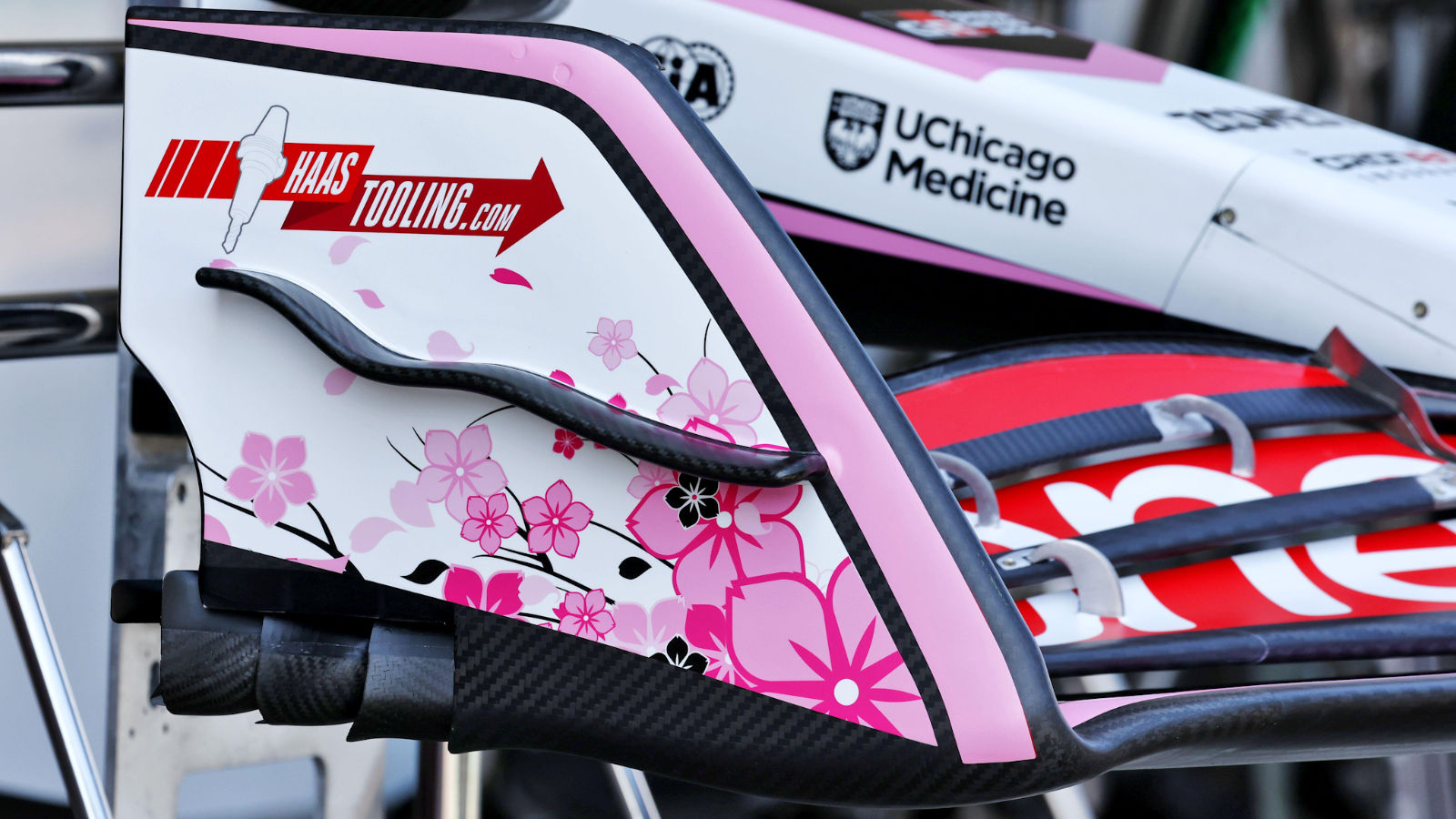
The endplate and its associated components have numerous interesting design aspects on the VF-25. There’s the wave-like diveplane and the double cutout at the base and rear of the endplate, which opens the space needed for the semi-detached flap design to aid in creating outwash.
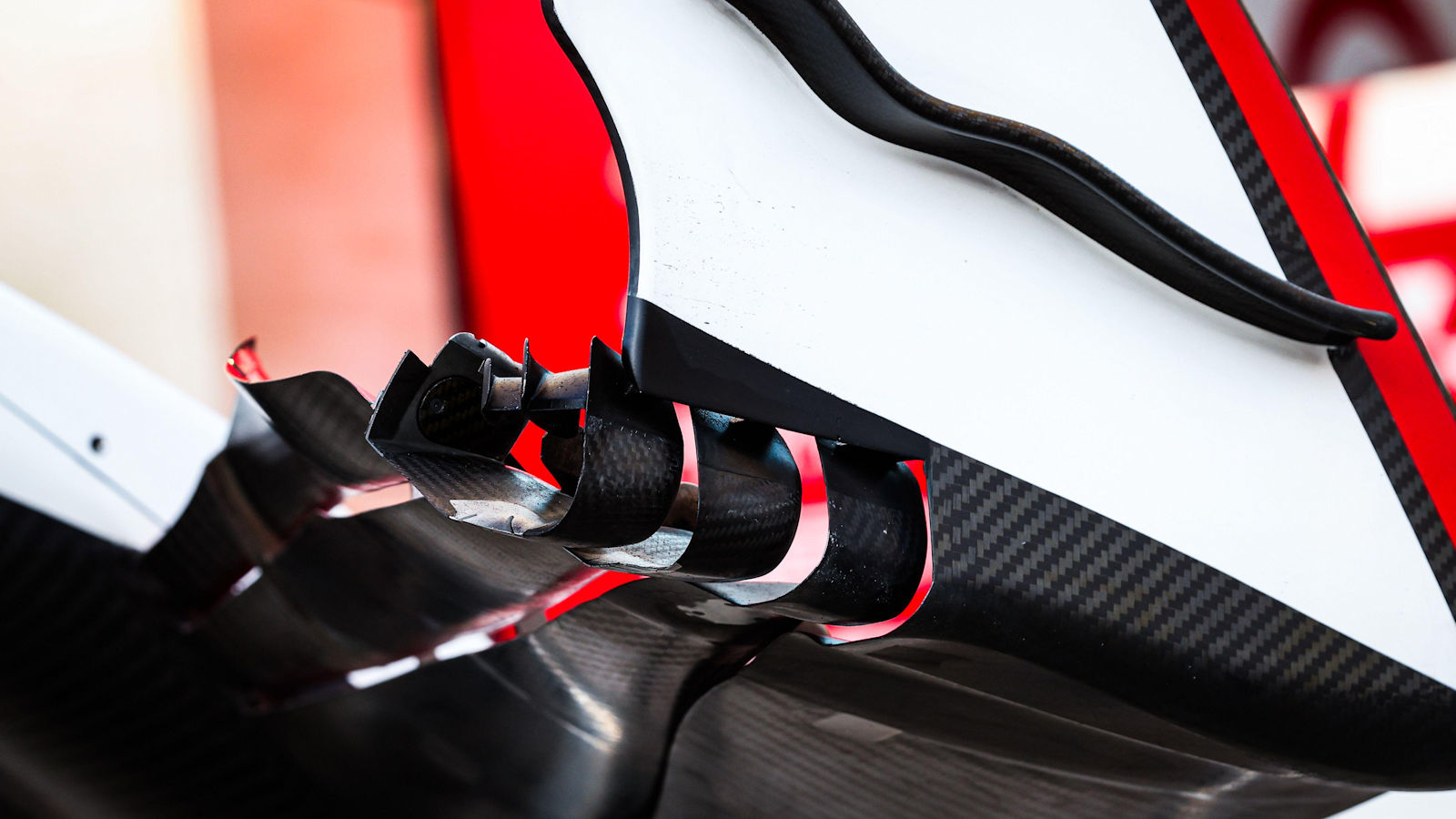
A lower view of the endplate and flap tip juncture on the VF-25’s front wing gives an idea of how the air behaves in that region to help generate outwash.
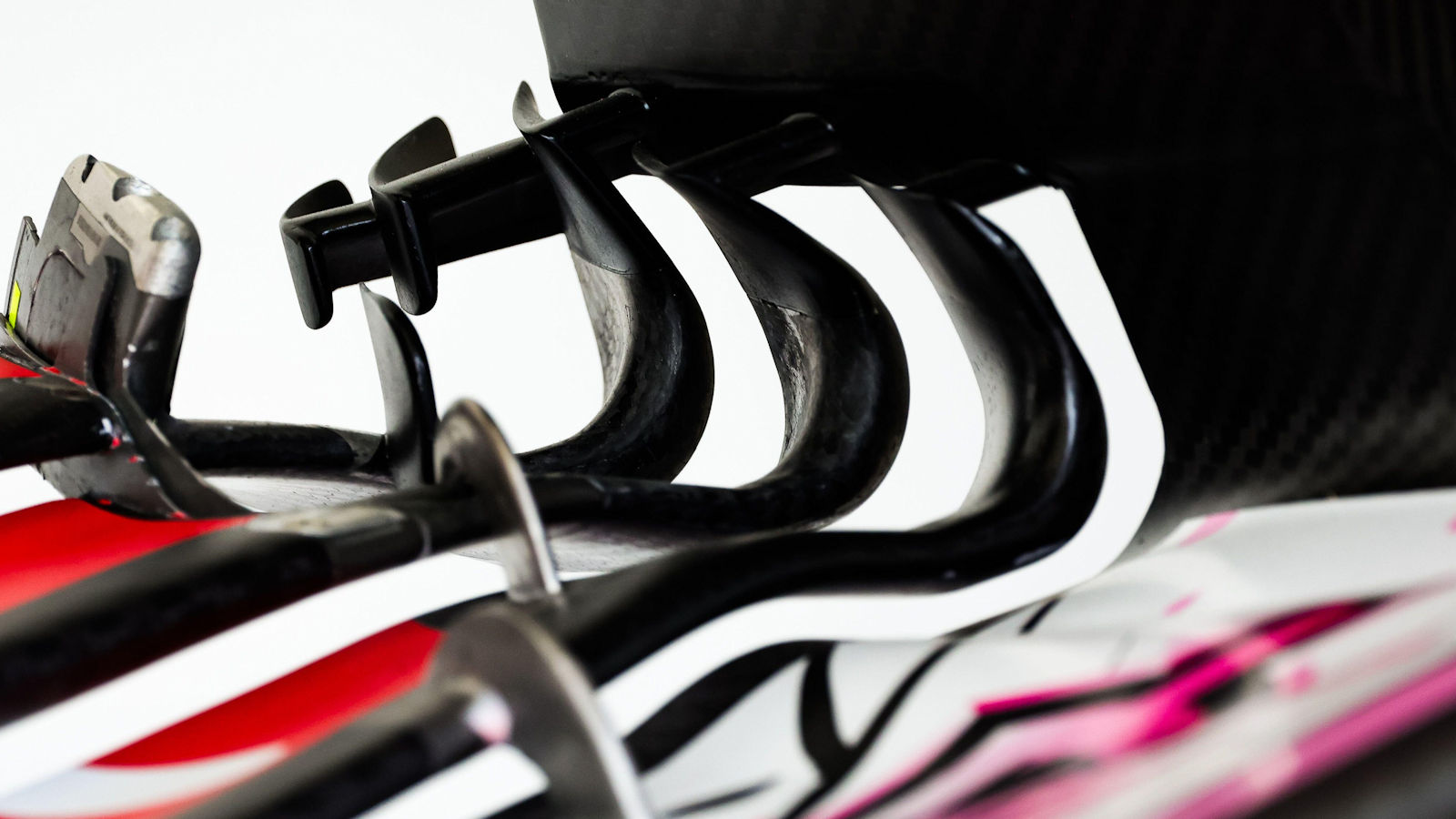
This angle of the endplate and flap juncture, from the Japanese Grand Prix, shows the flap tips and the winglet stack mounted on the rear flap, all help to drive the air outward.
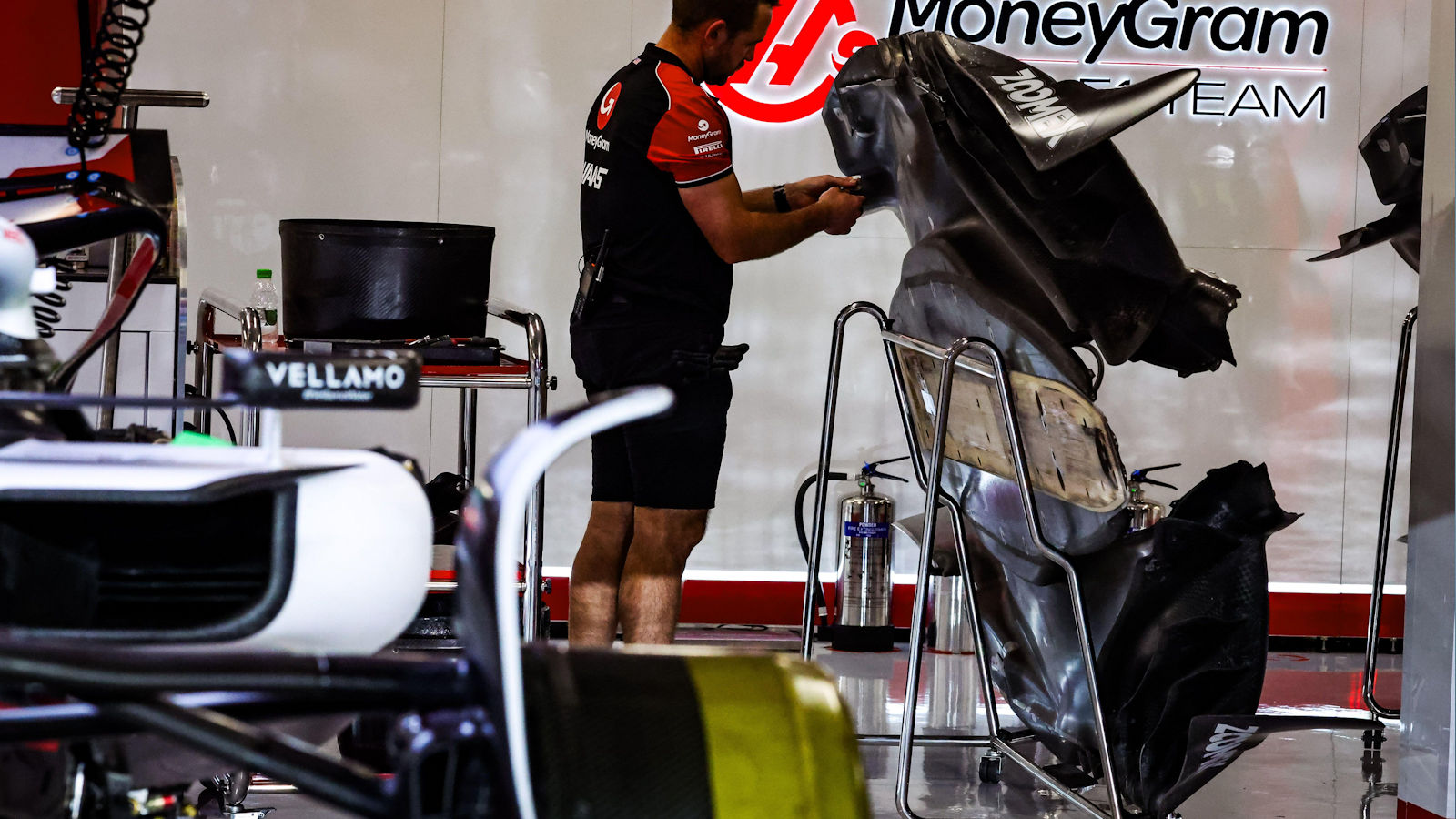
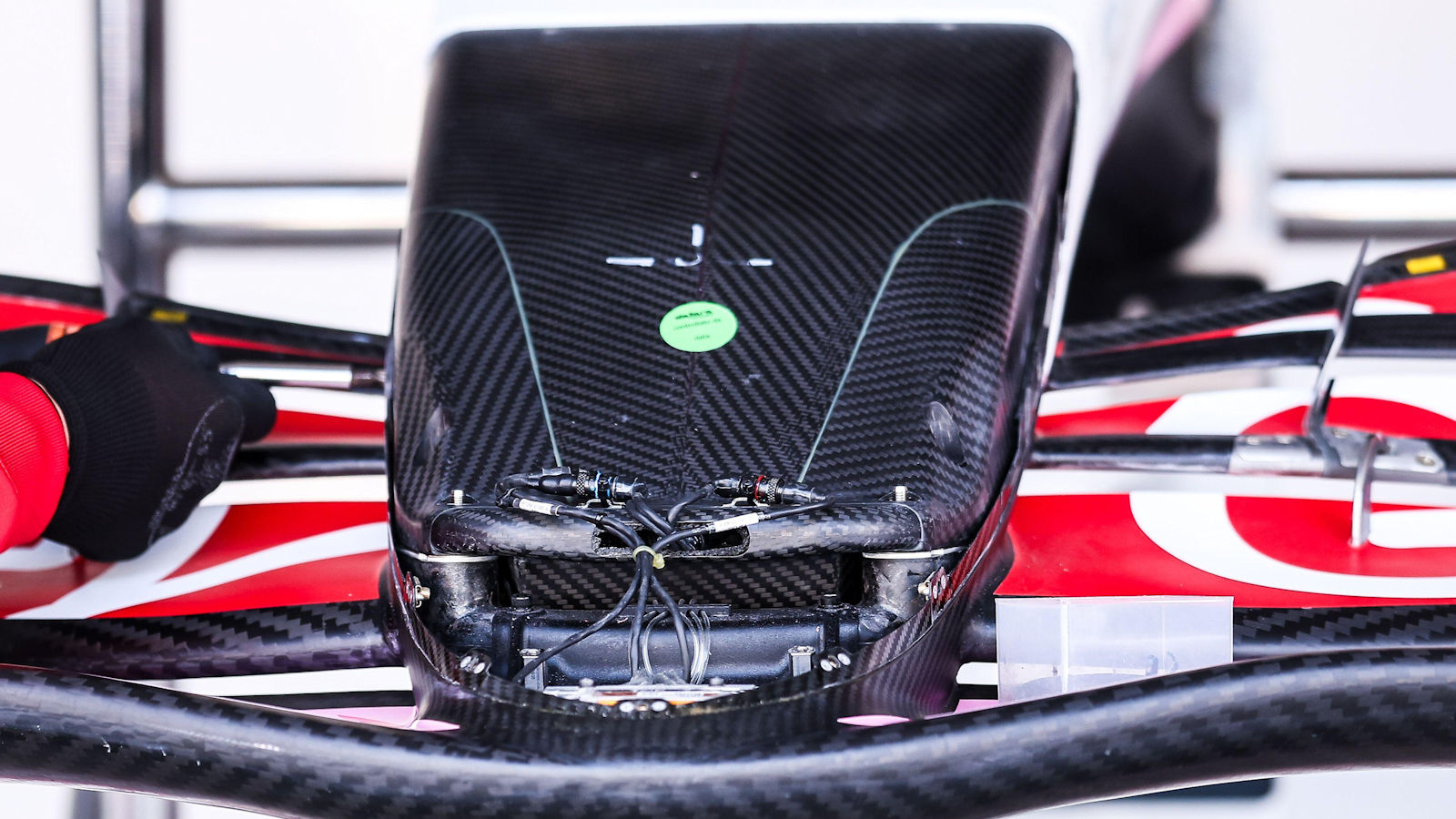
A look inside the VF-25’s nose, as it’s being prepared and the vanity panel has yet to be attached.
The VF-25’s plank, with the various holes drilled into its surface in order that it can be measured for compliance after a session.
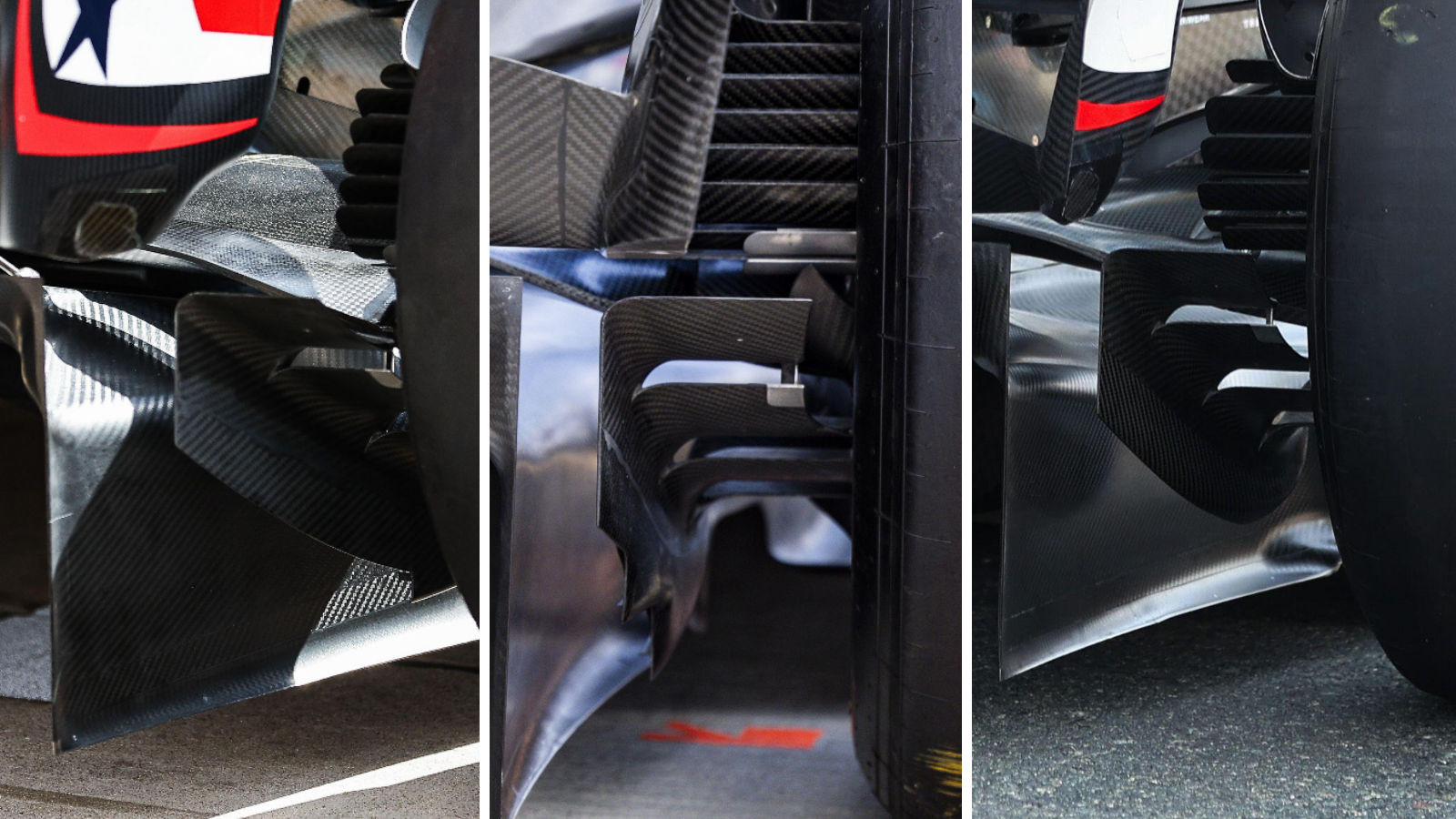
The design of the brake duct winglets end fence went through an iterative design process throughout the season.
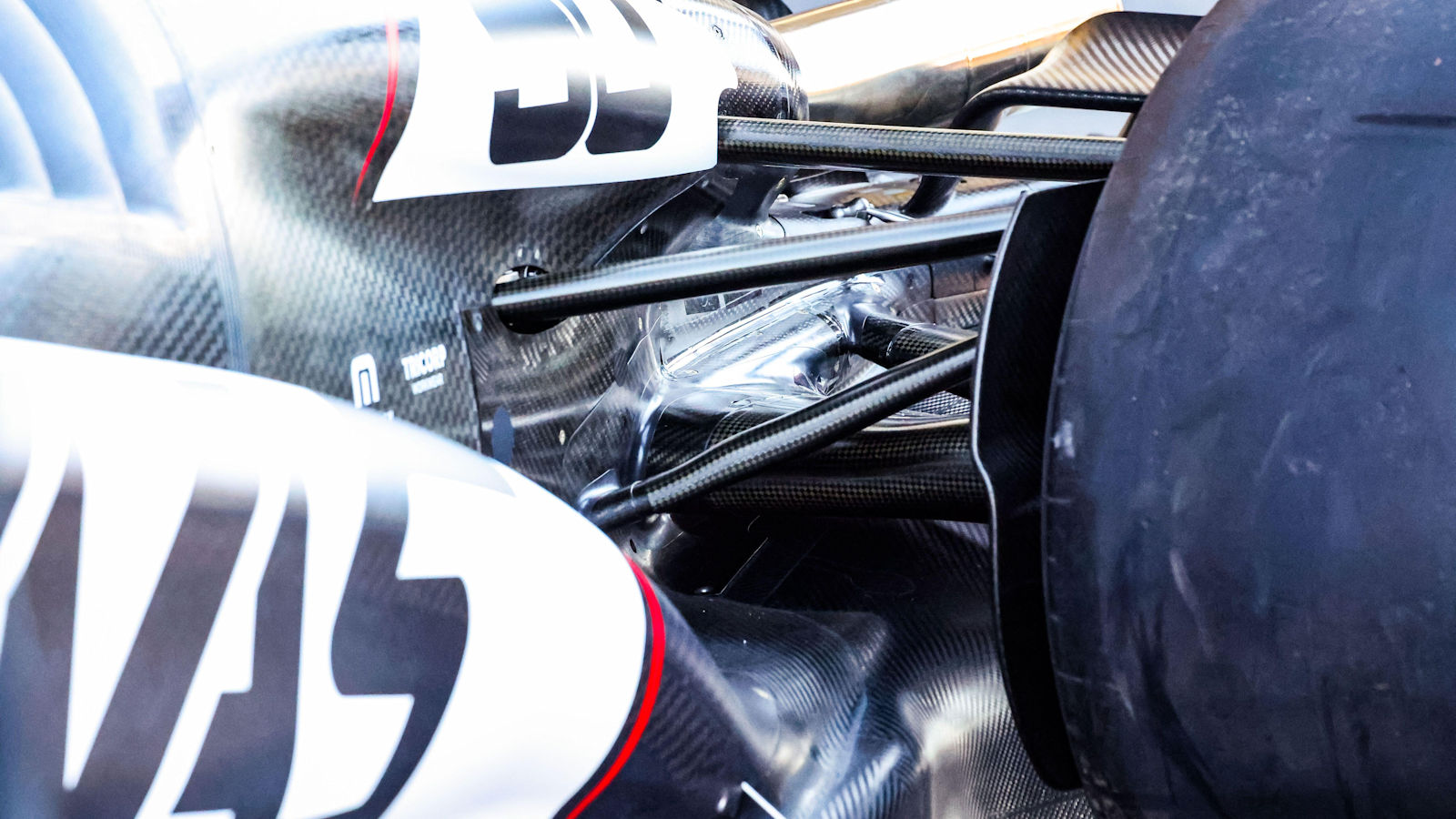
An overview of the suspension fairings and coke bottle region at the rear of the VF-25.
Haas made changes to their sidepod layout at the British Grand Prix, switching to an overbite-style inlet solution as many of their rivals had already done.
The Haas VF-25 spare and bare chassis, which was left out in front of their garage in order that the marshals could use it for extraction practice.
The wishbone-style clutch paddle on the rear of the VF-25’s steering wheel, which incorporates a novel socket design to enable better modulation of the clutch.
A close up of the floor fence arrangement on the Haas VF-25 reveals the contouring of the surfaces.
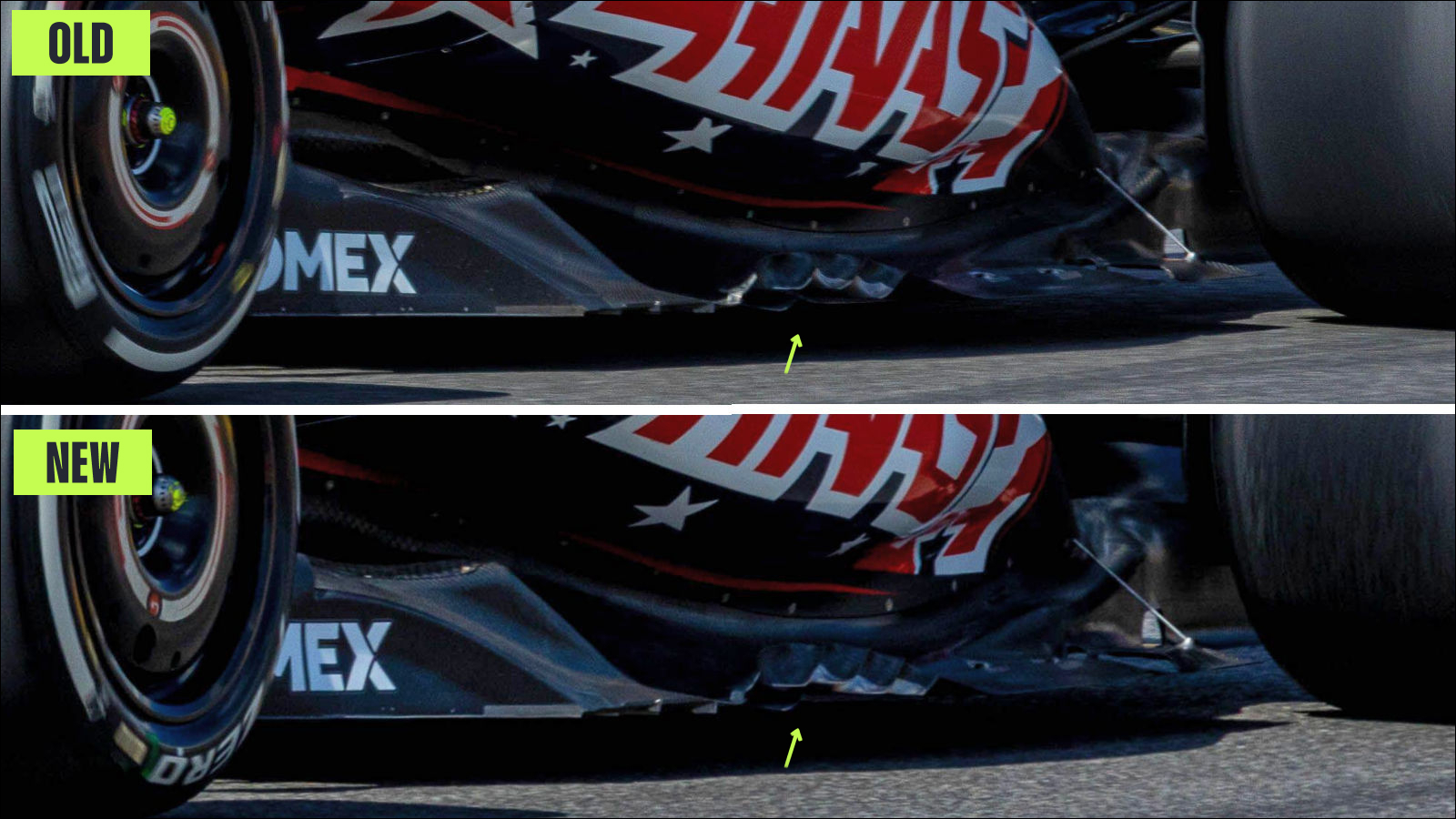
The forward section of the floor’s edge wing was modified at the US Grand Prix, with the number of strakes mounted in the forward, upswept section increased from three to four.
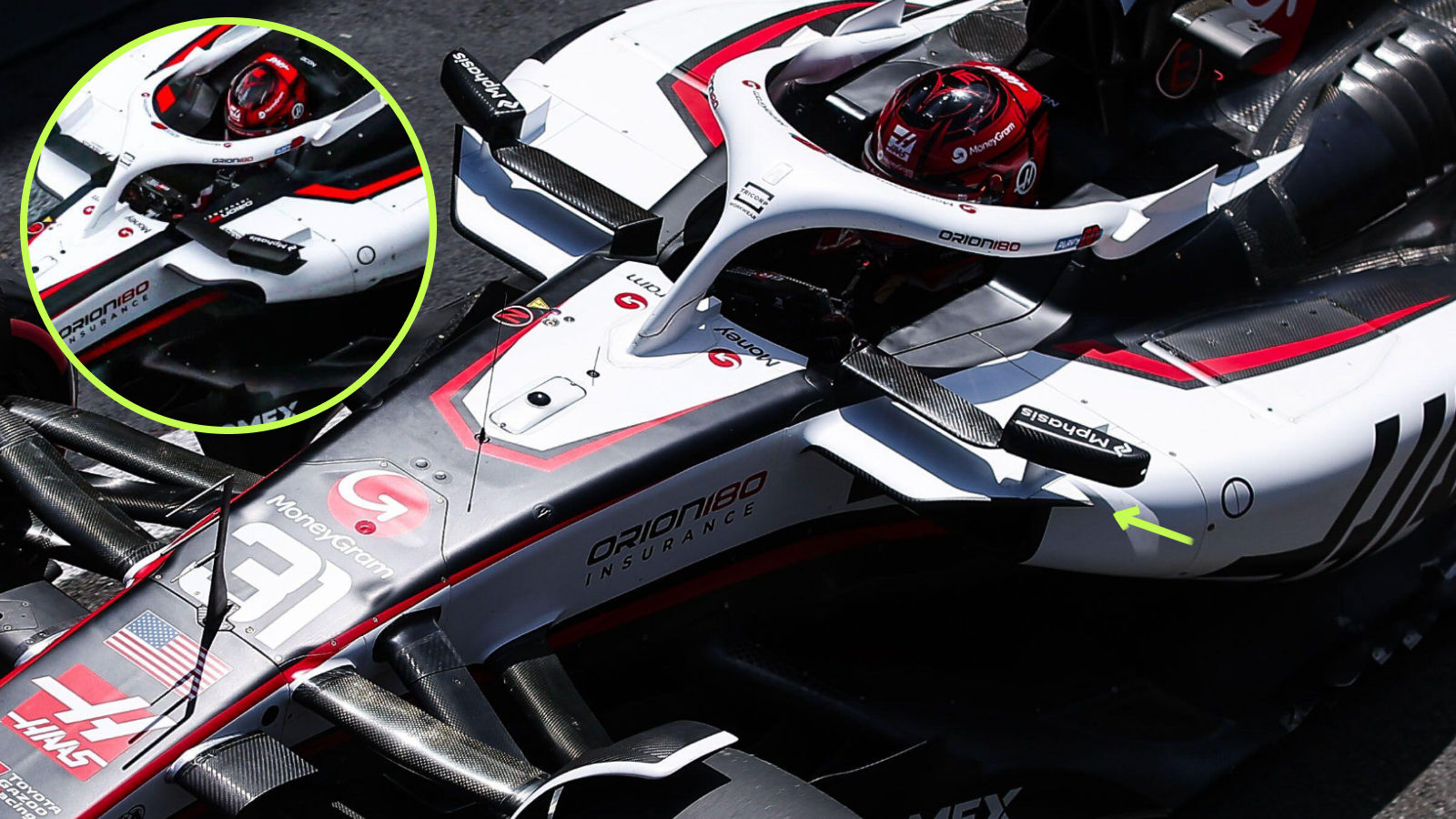
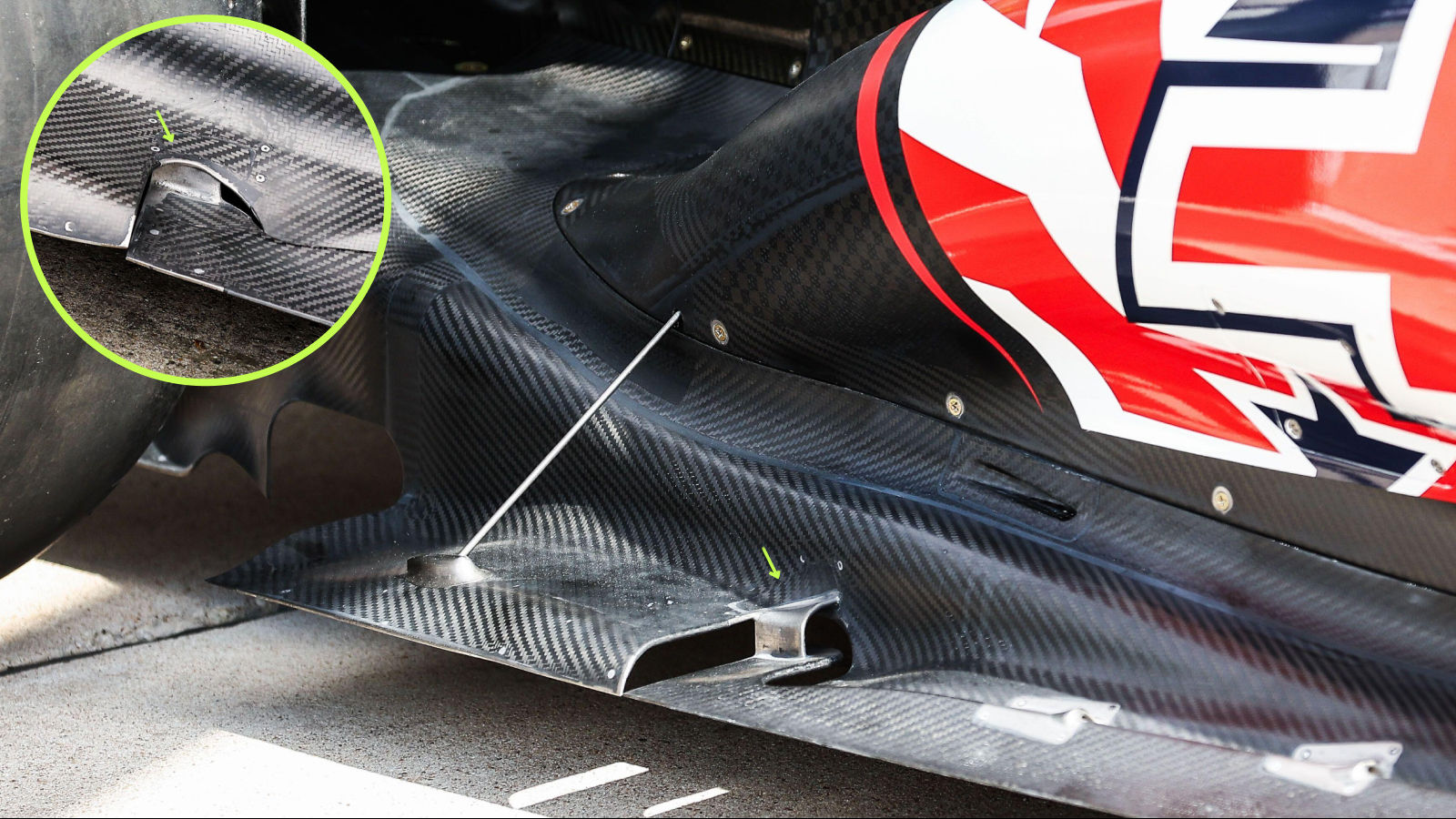
Haas made changes to the floor and edge wing design of the VF-25 at the United States Grand Prix, with the support bracket for the L-shaped section at the rear of the assembly repositioned (arrow, old spec inset).
Want to be the first to know exclusive information from the F1 paddock? Join our broadcast channel on WhatsApp to get the scoop on the latest developments from our team of accredited journalists. You can also subscribe to the PlanetF1 YouTube channel for exclusive features, hear from our paddock journalists with stories from the heart of Formula 1 and much more!