
How F1 2026 aero rules aim to beat dirty air — and where teams can still innovate


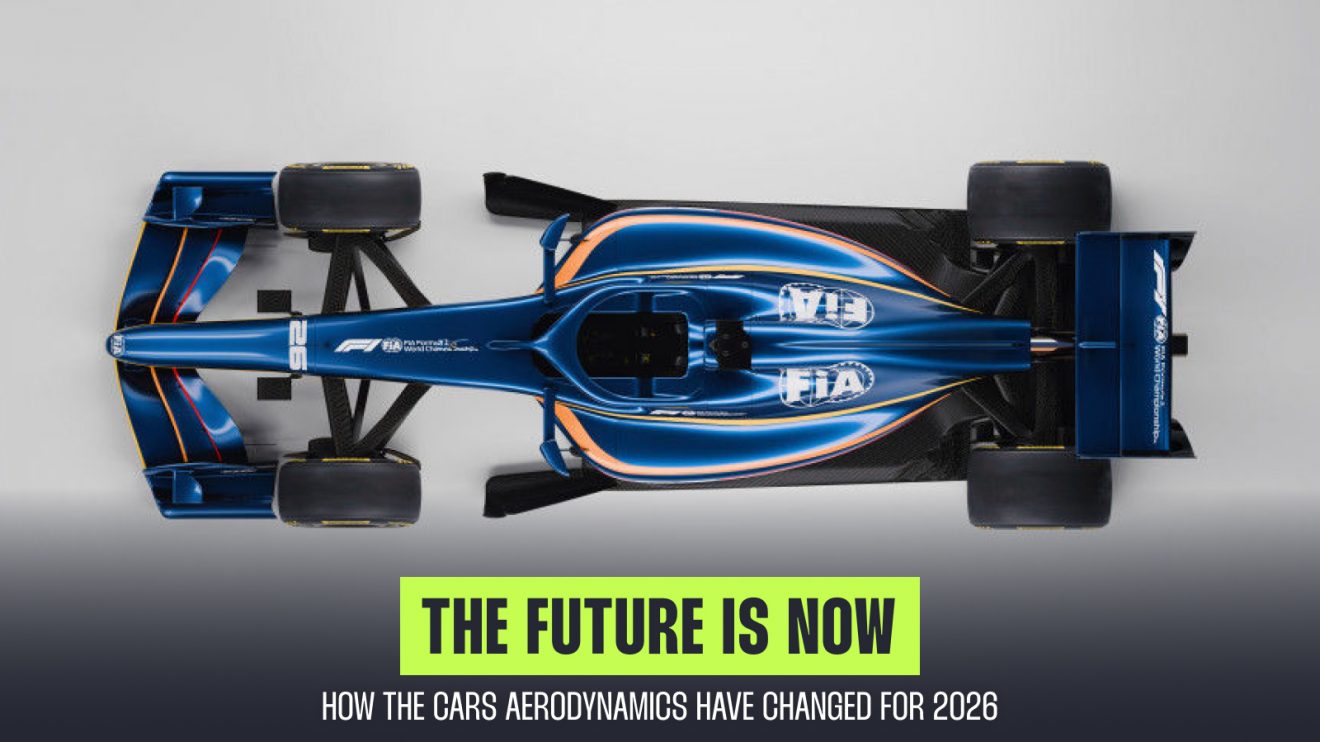
Formula 1’s battle against dirty air enters a new phase in 2026. New aerodynamic rules have been designed to minimise the impact of turbulent wake, with a view to increasing the on-track action.
No sooner is a rule changed than engineers set about finding ways to achieve the best possible performance within those limitations. Here, we examine the all-new regulations in terms of airflow to understand what they are designed to achieve, and how teams are applying their engineering ingenuity.
Front-end airflow: limiting outwash, inviting creativity
Want more PlanetF1.com coverage? Add us as a preferred source on Google for news you can trust.
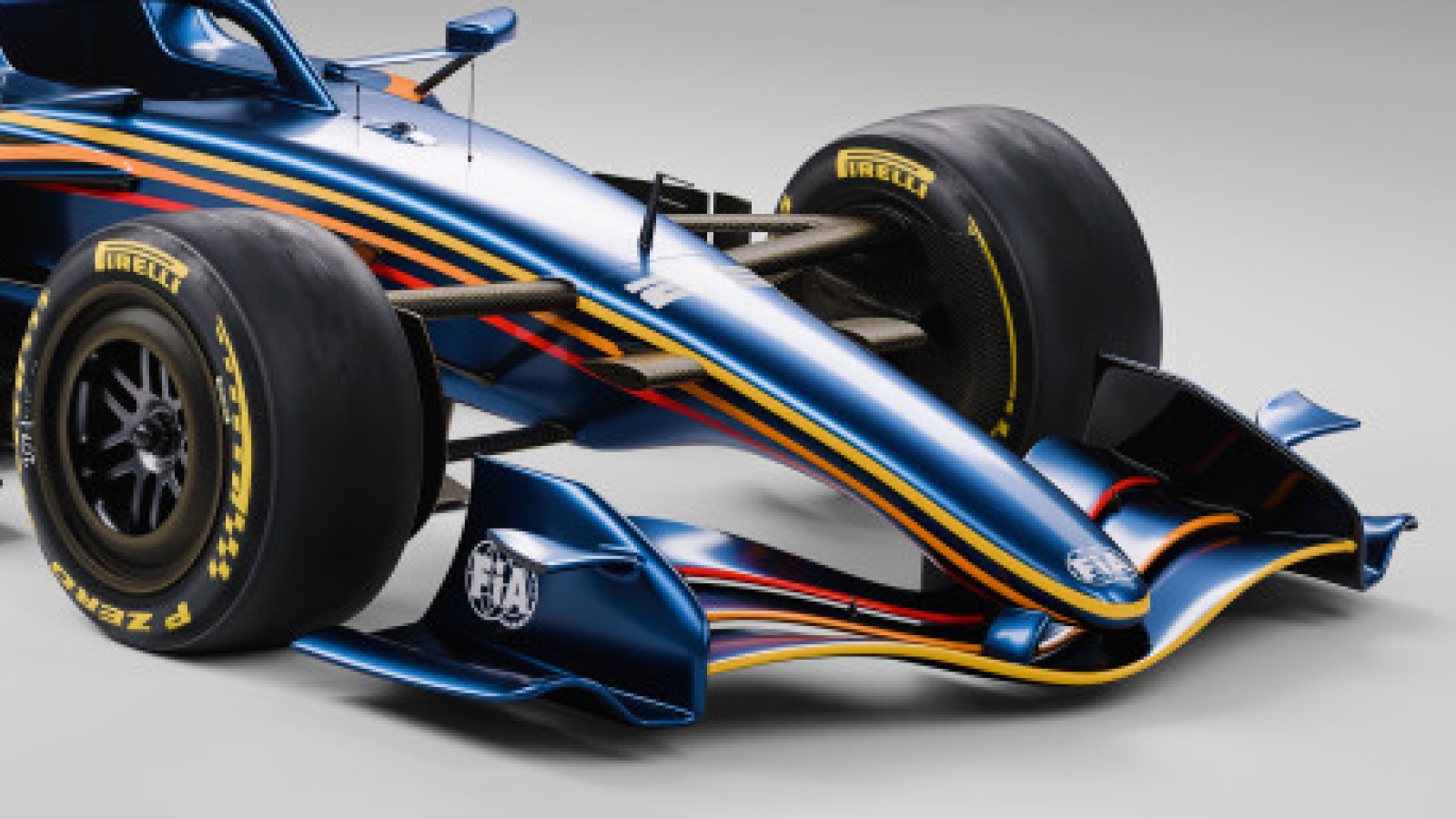
The overall design of the front wing from this generation of car has been about limiting the amount of outwash. With a narrower span, and the endplate placed much further inboard, the intent is that the airflow is forced to the inside of the front wheel.
A return to a footplate design for the endplate, it adds to the overall span of the front wing. With the footplate and a diveplane on the endplate, there’s still scope for designers to alter the trajectory of the airflow across and around the front tyre.
Downstream, things have been simplified. The deflector connected to the front brake fence, which sat above the front wheel with the last generation of cars, has been deleted. That has entirely removed the effect it had on the airstream.
The wheel covers used with the last generation of machinery remain. However, teams have more autonomy over their design, with each expected to come up with subtle differences in order to challenge the aerodynamic interaction created by the brake and wheel assembly within the flow stream.
More centrally, the length and width of the nose are determined by the teams. This will lead to some distinctive designs across the grid, albeit within some regulatory constraints.
The same can be said for the chassis too, albeit there are some further freedoms afforded here, allowing for divergent design solutions.
The suspension fairings became an intense development battleground with the previous generation of cars. They play an important role in the flow stream and how that feeds into the crucial downforce contributing portions of the car, something which will remain in the toolbox of the designers going forward.
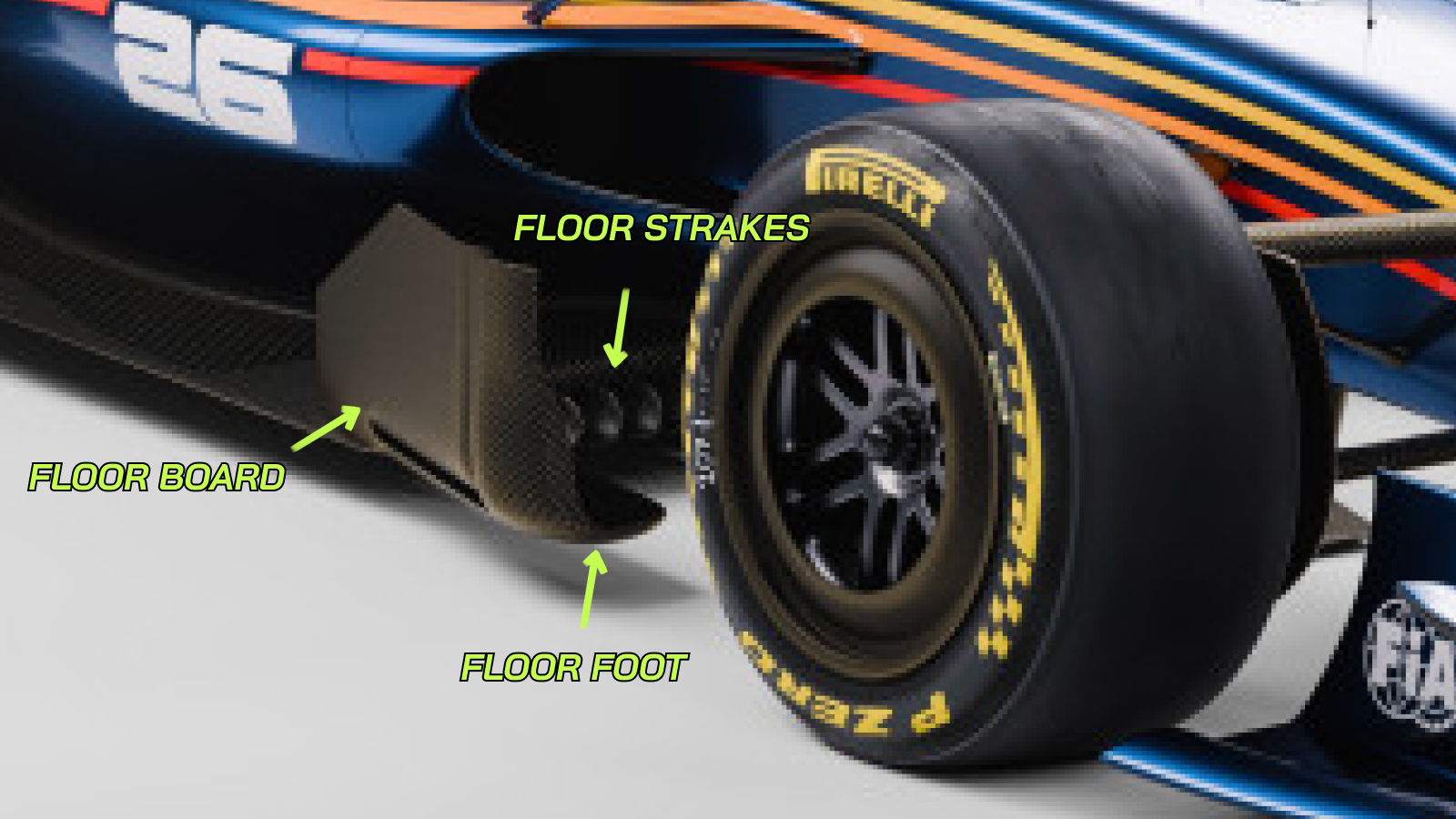
With an entirely new set of criteria for the floor and associated components, namely the floor foot and floor board, we’ll see some variation here.
The floor foot, sits ahead of the front corner of the floor and has been referred to in the past as an axehead, owing to its shape. There are constraints within the regulations regarding its shape and size.
Above this is a surface, or collection of surfaces, termed the floor board. This can be comprised of up to three sections that can be made up of vertical, horizontal or diagonal surfaces, or a combination of these design solutions.
Like the foot below, there are a number of constraints placed on the size, shape and radii that can be applied to the surfaces.
The intent is to create inwashing flow structures. But while that’s the intent, there is some scope to alter their behaviour to better suit the broader aerodynamic package, should the designers see fit.
A ‘floor board brace’ is also available to the teams, with the rules defining a substantial box section that it can occupy. However, the surface itself can only be 40mm in diameter. Even still, it may provide designers with scope to use the surface for aerodynamic gains.
As was the case with the front section of the floor previously (though not during the ground effect era), teams are able to turn up the leading edge and have strakes protrude from the surface to help control flow direction and generate vortices.
The FIA has done away with the edge wing used with the previous generation of machinery but that’s not to say that teams won’t focus their attention here. However, they do have fewer design tools at their disposal.
Scrolled edges can still be employed in the front section of the floor, with the designers using these to power up some of the aerodynamic structures created ahead.
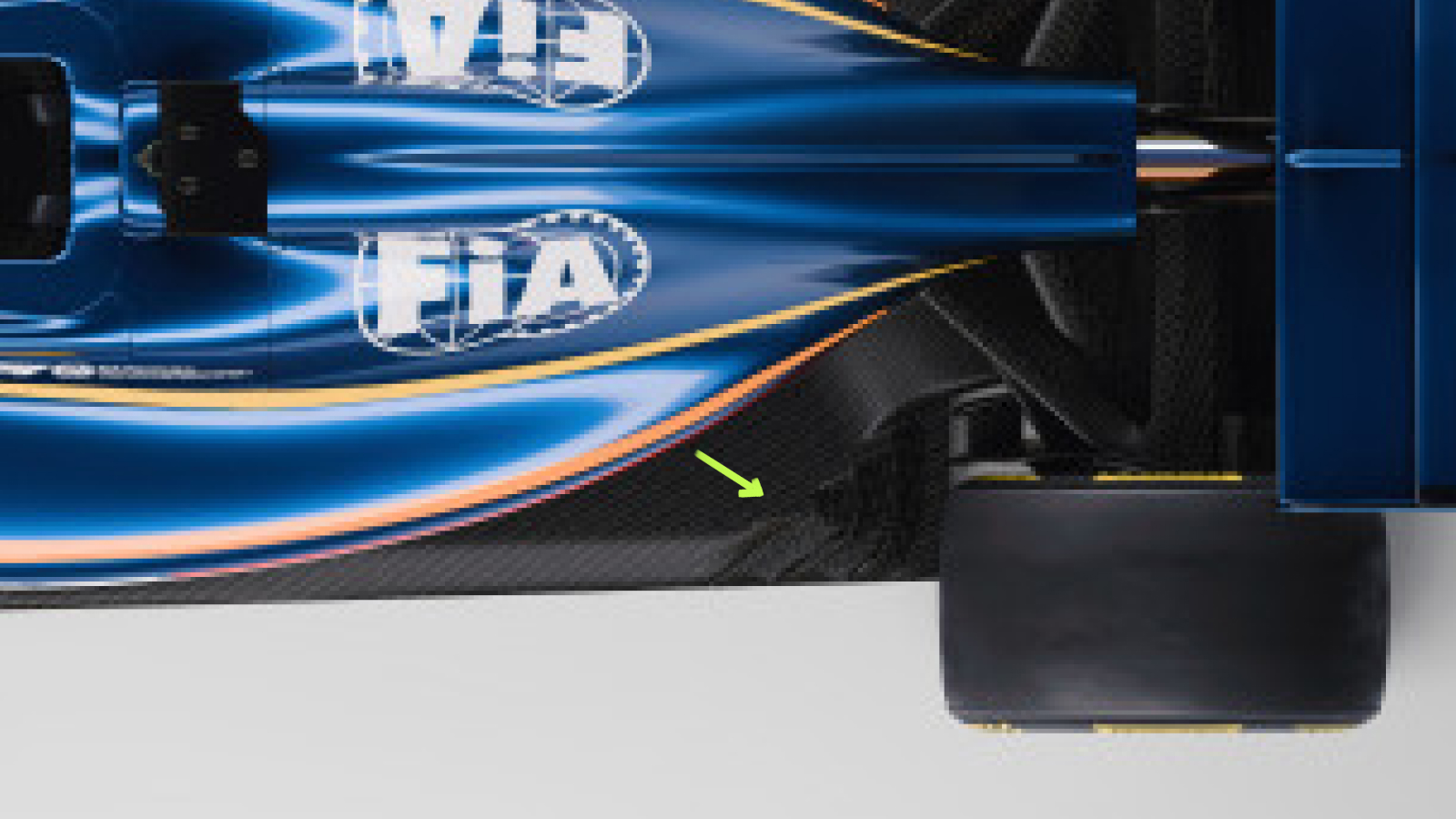
Another returning feature of these regulations lies in the tyre spat region, just ahead of the rear tyre. In years gone by, we have seen designs ranging from simple slotted cuts to much more complex winglet arrangements, all of which are used to tame the lateral wake created by the rear tyre that impinges on diffuser performance.
This will almost certainly be a hotbed for development, as teams develop their own solutions – not to mention monitoring their rivals for features to add to their own arsenal.
In the next and final part in this series, we’ll take a look at the decisions teams might take when designing their sidepod and engine cover bodywork for 2026 and beyond, whilst also getting into more detail about the changes that will impact the rest of the car’s rear end.
Want to be the first to know exclusive information from the F1 paddock? Join our broadcast channel on WhatsApp to get the scoop on the latest developments from our team of accredited journalists.
You can also subscribe to the PlanetF1 YouTube channel for exclusive features, hear from our paddock journalists with stories from the heart of Formula 1 and much more!
Read Next: Push-rod vs Pull-rod: How F1 teams are shaping 2026 suspension strategies