
Austrian GP heatwave could trigger FIA heat hazard protocol


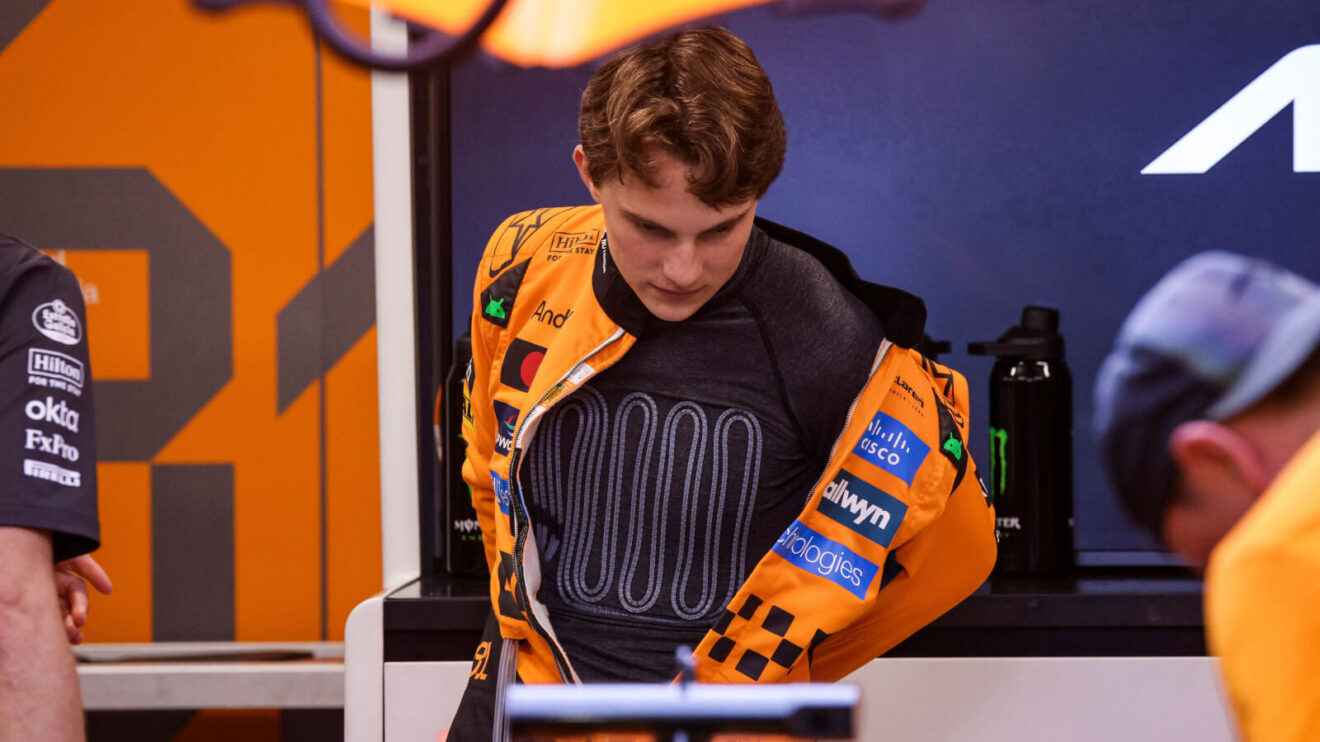
F1's heat hazard protocol could come into play at the Austrian GP.
Formula 1’s heat hazard protocol could come into play at the Austrian Grand Prix, with the air temperature peaking in the mid-30s°C and the track temperature forecast to exceed 50°C.
Formula 1 introduced a heat hazard regulation in 2025 in response to the scorching temperatures at the 2023 Qatar GP, where several drivers required medical attention after suffering heat exhaustion.
Austrian GP temperatures forecast above the 31°C heat hazard criteria
Want more PlanetF1.com coverage? Add us as a preferred source on Google to your favourites list for news you can trust
A heat hazard, which can be declared if temperatures rise above 31°C, signals that the conditions are not just uncomfortable for the drivers, but potentially harmful.
The protocol was first used at the 2025 Singapore Grand Prix, where Formula 1 race director Rui Marques announced: “In accordance with Article 26.19 of the Sporting Regulations, having received a forecast from the Official Weather Service predicting that the Heat Index will be greater than 31.0 °C at some time during the race at this event, a Heat Hazard is declared.”
Once a heat hazard is declared, regulations come into play, requiring teams to equip cars with advanced driver cooling systems, and increasing the minimum car weight to accommodate this additional equipment.
Drivers still have the choice, however, of whether or not to wear a cooling vest. Should they opt out, the car is then fitted with extra ballast to ensure weight parity, and that drivers are not penalised for wearing the vests.
“Any driver may elect not to wear any items of personal equipment that form part of the Driver Cooling System,” reads Article 26.19 of the FIA F1 Sporting Regulations. “In such circumstance, all other components, including any cooling medium, of the Driver Cooling System must be fitted.
“In addition, the difference in mass between the driver’s personal equipment normally used and any items of a driver’s personal equipment that form part of the system must be compensated by the fitting of 0.5kg of ballast in the cockpit.”
Europe is in the midst of a heatwave with scorching temperatures caused by a ‘heat dome’. That is a weather phenomenon where the atmosphere traps hot air as if capped by a lid, offering no relief from the heat.
More ahead of the Austrian GP
The five most dramatic Austrian Grand Prix moments: Title rivals collide and more
Austrian Grand Prix weather: What is the risk of rain this weekend?
FIA tweaks heat hazard protocol for Sprint weekends
Coincidentally, given Austria is not a Sprint weekend, the FIA tweaked the heat hazard regulations on Tuesday.
While the protocol initially stated that the heat hazard status would be enforced for the remainder of a race weekend after being declared, the FIA announced a change to the regulation on Tuesday.
It does, however, only relate to Sprint weekends.
The FIA’s World Motor Sport Council ratified a change that states, “The declaration of a Heat Hazard may now be split between Sprint and Race.
“A Heat Hazard will still be declared, for Sprint, Race or both, 24 hours prior to the start of the Competition.”
Want to be the first to know exclusive information from the F1 paddock? Join our broadcast channel on WhatsApp to get the scoop on the latest developments from our team of accredited journalists.
You can also subscribe to the PlanetF1 YouTube channel for exclusive features, hear from our paddock journalists with stories from the heart of Formula 1 and much more!
Read next: Ferrari insider claims Lewis Hamilton could write ‘Michael story’