
‘Cars looked alive again’ – Brundle backs Miami changes after early-season backlash


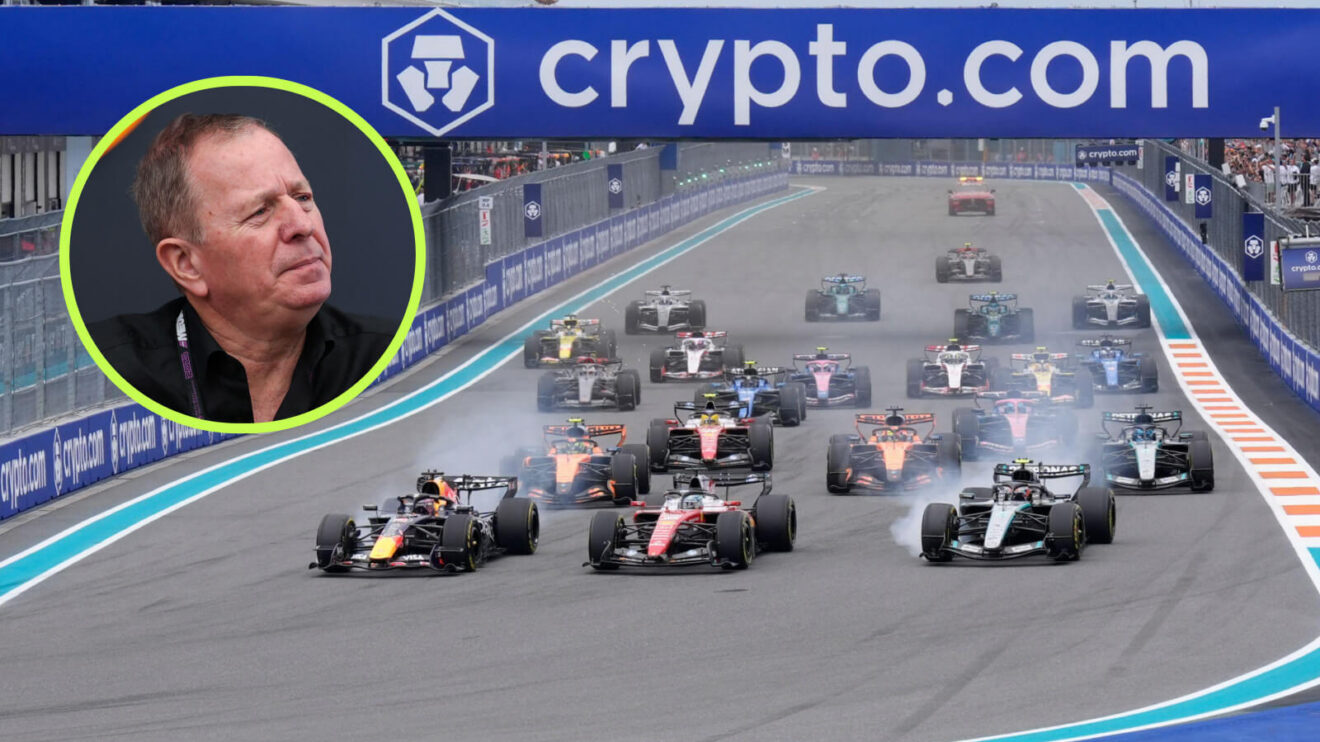
Martin Brundle: We were spared much of the labouring of engines
Martin Brundle believes Formula 1 finally got on top of its energy management issues in Miami, hailing changes that eliminated much of the ‘labouring’ seen earlier this season.
Formula 1’s new engine regulations have dominated headlines this season, with drivers, pundits and fans complaining about the 50/50 split between combustion and electrical power.
Martin Brundle praises Formula 1 Miami energy rule fixes
Want more PlanetF1.com coverage? Add us as a preferred source on Google to your favourites list for news you can trust
Anti-racing, Mario Kart with a mushroom boost and artificial overtakes.
Those have been the biggest complaints as the drivers have either lost pace on the straights through harvesting and super clipping, or have experienced extreme closing speeds as they activate the boost mode.
The new regulations not only dampened qualifying as the drivers couldn’t go flat-out, but they also posed a safety risk, with Oliver Bearman fortunate to walk away with only a bruised knee in his 50G impact into the barrier at the Japanese Grand Prix.
The FIA, FOM, the team principals and engine manufacturers met during the April break to discuss the regulations and agreed on several changes.
The FIA announced that for qualifying, the maximum permitted recharge would be reduced from 8 MJ to 7 MJ, which would lessen the need for battery harvesting. In addition, super clips would be increased from 250kW to 350kW in an effort to reduce their duration.
For the grands prix, the maximum power available during boost mode was capped at 150kW, while MGU-K deployment was limited to 250kW in some parts of the lap.
Although the changes came into effect at the Miami Grand Prix, the FIA didn’t impose the reduction in recharge during qualifying as there was only around two seconds of super clipping over the course of a lap at the Miami Autodrome. Motorsport’s governing body did, however, implement the 250kW deployment in some zones.
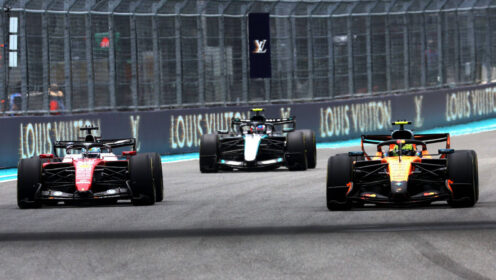
According to Brundle, it did the trick as not only were the drivers happier, spectators weren’t subjected to cars slowing before they reached the end of the straights.
Analysis from Miami: Conclusions and Ratings
Miami GP conclusions: Antonelli insecurity, Verstappen impatience, F1’s TV fail
Miami Grand Prix driver ratings: Kimi Antonelli leads chaotic race weekend
Writing in his post-Miami Sky Sports column, Brundle said: “The 2026 Miami Grand Prix was an extremely important event for Formula 1.
“The opening three races of the season in Australia, China, and Japan were interesting and engaging in places and uncomfortably controversial in others, as the dramatically altered new cars struggled to gel.
“Key drivers and other observers were remarkably ready to trash the show.
“The enforced break due to the Middle East conflicts couldn’t have come at a worse time, always remembering we are a sport and pale into insignificance compared with the loss of lives and livelihoods.
“The downtime was used to fine-tune the complex power delivery of the latest machines, basically to share the combined engine and battery power out more evenly around any given lap, and also reduce the potential and considerable closing speeds of cars and drivers on different power strategies.
“Miami was always going to be easier than some circuits in terms of recharging the all-important but barely adequate battery storage, however the technical rule finessing was clearly in the right direction.
“Drivers seemed much happier generally, and the cars looked fast and alive, and with a decent surplus of power over grip on corner exits.
“And we were spared much of the labouring of engines losing the battle to a kinetic motor busy charging the battery well before the end of the straights.”
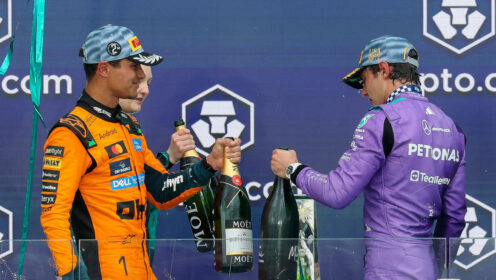
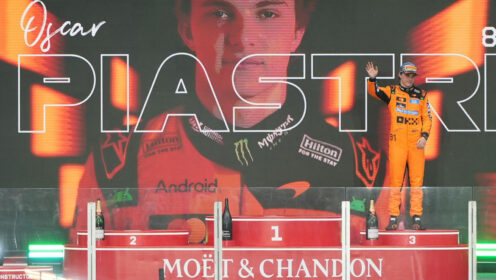
Mercedes’ Kimi Antonelli won the grand prix ahead of Lando Norris and Oscar Piastri.
It marked the first weekend that Mercedes was outscored by a rival as the team dropped three points to McLaren. Mercedes left Miami on 180 points, 70 ahead of Ferrari, with McLaren now just 16 behind the Scuderia.
Want to be the first to know exclusive information from the F1 paddock? Join our broadcast channel on WhatsApp to get the scoop on the latest developments from our team of accredited journalists.
You can also subscribe to the PlanetF1 YouTube channel for exclusive features, hear from our paddock journalists with stories from the heart of Formula 1 and much more!
Read next: McLaren’s ‘sneaky’ trick as Ferrari breaks the ‘number one’ rule – James Hinchcliffe