

Mexico City Grand Prix weather: What is the risk of rain this weekend?
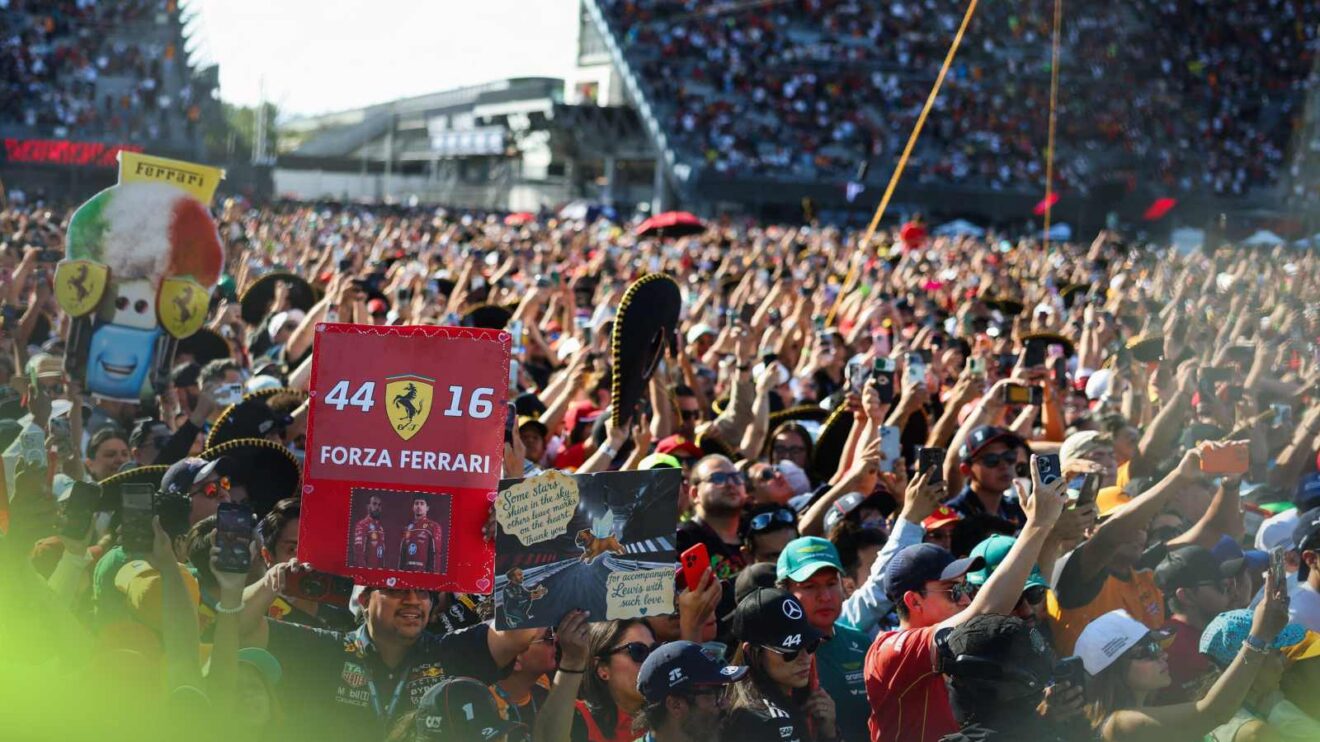
What kind of weather should fans in Mexico City look out for this weekend?
MEXICO CITY – F1 heads to the Autodromo Hermanos Rodriguez with a significant chance of a new World Champion being crowned, but how will the weather be this weekend?
As we’ll explain later, the weather is not normally the main hurdle for drivers to face in Mexico City, but where the circuit is – here’s a closer look at the forecast for the weekend.
F1 Mexico weather: What is the forecast for the weekend in Mexico City?
Friday 30 October [FP1, FP2]
An overcast morning in Mexico City is set to give way to a portion of lunchtime sun, with air temperatures around 22°C for FP1 with a light breeze.
Early forecasts suggest there could be rain showers in time for FP2, however, with a 25-35% chance of rain listed for during the second practice hour in Mexico City.
Saturday 31 October [FP3, qualifying]
The chance of rain for free practice is as likely to be as high as it gets for the weekend, as sunny spells are due to take over on Saturday.
Temperatures are set to be around 23°C in FP3, rising to around 25°C for qualifying, with the longer spells of sun set to increase track temperatures later in the day.
This is complemented with a light southerly breeze.
Sunday 1 November [Mexico City Grand Prix]
Like Saturday, sunny spells are forecasted for throughout the day in Mexico City, with a high chance of a dry race predicted.
Air temperatures of 25°C are predicted for when the race begins, with the chance of rain next to nil and a slight breeze.
Looking ahead to the Mexico City Grand Prix
Valtteri Bottas admits ‘anything can happen in F1’ amid Cadillac rumours
F1 2026: Head-to-head race statistics between teammates
How has the weather been at previous Mexico City Grands Prix?
The Mexican Grand Prix or, latterly, the Mexico City Grand Prix, has been held largely in dry conditions throughout its lengthy association with Formula 1.
What drivers and teams have to navigate first and foremost, though, is the altitude.
Set at 7,343ft above sea level, the thinner air makes it just that bit physically tougher to complete a race – meaning drivers have to rely on their fitness and preparation to ensure they are race-ready.
Alongside that, thinner air means less air resistance, meaning Formula 1 cars can reach even higher top speeds than usual, with Valtteri Bottas having recorded a huge top-end speed of 372.5km/h [231.4mph] in 2016.
Read next: The F1 2026 Drivers’ and Constructors’ Championship standings