

Ferrari tests wet-active aero on SF-26 as FIA technical guidance resurfaces
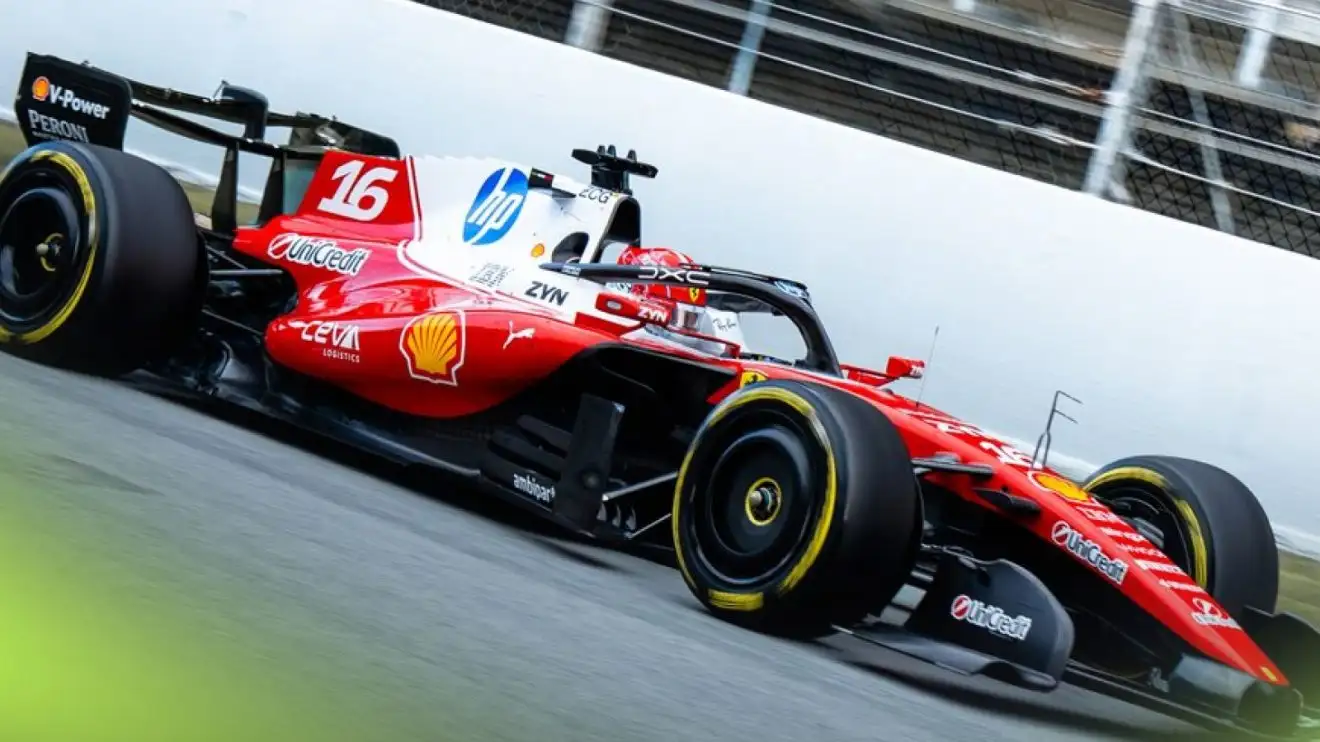
Charles Leclerc driving the Ferrari SF-26
One of the most intriguing aspects of the F1 2026 regulatory revamp is the introduction of active aerodynamics on both wings.
However, after rain arrived on Day 2 of the Barcelona shakedown – with further precipitation a threat throughout the remainder of the closed-doors event – it posed the question of how the active aero would work in the wet. Ferrari provided potential answers, as Charles Leclerc and Lewis Hamilton ran with the front wing only opening. The FIA’s single seater director Nikolas Tombazis previously said “a few different options” had been on the table.
Active aerodynamics in the wet solution spotted on Ferrari SF-26
Want more PlanetF1.com coverage? Add us as a preferred source on Google to your favourites list for news you can trust.
The F1 2026 pre-season action is unofficially underway. A five-day shakedown run is being held at the Circuit de Barcelona-Catalunya, with each team allowed to run on three of those five days.
On Day 2, the rain arrived by mid-morning, ahead of schedule. With such sweeping changes introduced on the chassis and power unit fronts, it posed the question of how these new moveable front and rear wings would be used when the track was wet.
In Formula 1’s previous era, the Drag Reduction System [DRS] would be disabled on a wet track.
Back at the Las Vegas Grand Prix, the FIA’s single seater director Nikolas Tombazis had been quizzed on that subject.
“I’m afraid I won’t give you too much detail there,” he said.
“There’s been a lot of discussion on this topic with a few different options. There were some final discussions on this topic at the technical meeting a few weeks ago, and there are a few different ways to solve it. But I’m afraid I’m not familiar with the very last change on that particular topic.”
Ferrari showed on Day 2 in Barcelona that a solution had potentially been found.
While the media has been shut out from this shakedown, updates and footage has been emerging via unofficial sources. Pictures appeared on social media, showing Leclerc’s Ferrari SF-26 with its front wing only open on the wet track, while the rear wing remained closed.
Lewis Hamilton also sampled this ‘wet active aero’ solution when he got behind the wheel of the SF-26 in the afternoon.
More from the Barcelona shakedown via PlanetF1.com
Is Barcelona testing blackout doing F1’s engineering excellence a disservice?
Red Bull RB22 first look: conventional layout with subtle aero innovations
It truly is all change for F1 2026, this new generation of cars smaller and lighter, while they are powered by 50-50 electric and biofuel engines.
With the revised aerodynamic philosophy, Tombazis expects the racing action to benefit, with following another car having become increasingly difficult once more towards the end of the ground effect era.
“Clearly with new regulations one expects initially a slightly bigger spread of the grid, but we do expect from an aerodynamic point of view, cars to be able to follow each other much closer than now,” said Tombazis.
“The wake characteristics are much improved and we feel we’ve learned a lot from the 2022 cars to implement a lot of these learnings for the aerodynamic regulations this year. That’s all going to change the nature and make it more unpredictable. That, together with the different aerodynamics, I think are going to make racing ultimately more exciting.”
Want to be the first to know exclusive information from the F1 paddock? Join our broadcast channel on WhatsApp to get the scoop on the latest developments from our team of accredited journalists.
You can also subscribe to the PlanetF1 YouTube channel for exclusive features, hear from our paddock journalists with stories from the heart of Formula 1 and much more!
Read next: Red Bull boss Laurent Mekies delivers first RB22 verdict after ‘unfortunate’ Hadjar crash


