
FIA makes late Boost Mode rule change amid Miami GP safety concerns


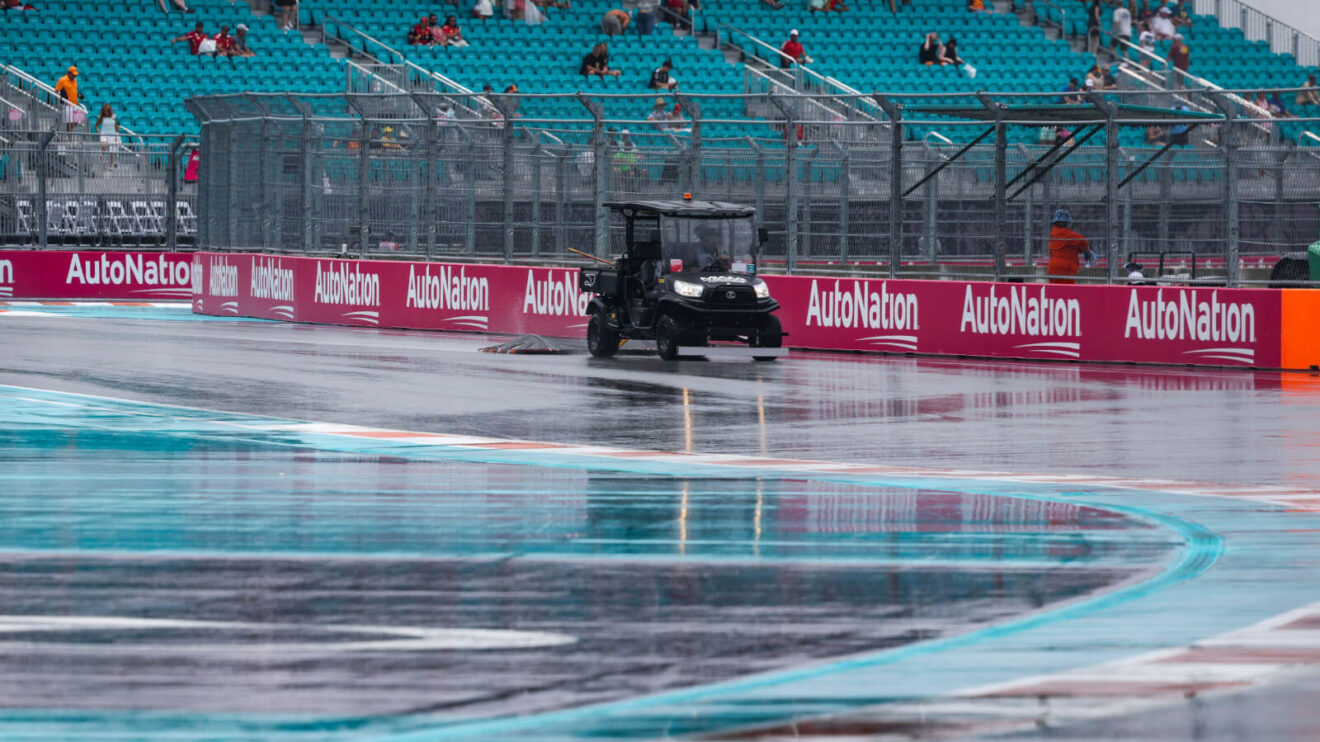
Heavy rain is forecast for the Miami Grand Prix
Formula 1 drivers will be banned from using Boost Mode for overtaking if heavy rain hits the Miami Grand Prix this weekend.
The threat of thunderstorms during Sunday’s Miami Grand Prix has increased to 68 per cent, prompting a tweak to the regulations, similar to how DRS wasn’t allowed to be activated in the wet.
Formula 1 drivers banned from Boost Mode overtaking in wet Miami GP
Want more PlanetF1.com coverage? Add us as a preferred source on Google to your favourites list for news you can trust
The Miami Grand Prix is facing the increased possibility of disruption due to heavy thunderstorms.
While some forecasts suggest the rain could be over before the Grand Prix, which could lead to a situation such as in 2025’s Sprint when the shortened race got off to a delayed start, there are other extreme warnings in place for the race.
In response to reported concerns from drivers about using Boost Mode to overtake in the wet, the FIA has amended the regulations for this weekend’s event.
Should it rain, the drivers will not be allowed to use Boost Mode to overtake amid concerns the instant torque from the new engines could lead to oversteer on the concrete-lined circuit.
That’s despite regulation changes made during April which has reduced Boost Mode’s impact to 150kW.
More as F1 2026 rule changes come into force in Miami
FIA confirms changes to F1 2026 rules for Miami Grand Prix
Your F1 questions answered: Mat Coch tackles engines, rules and race cancellations
The FIA has expanded on the revised technical regulation from April’s meeting between the FIA, FOM, the team bosses and power unit manufacturers that stated that the “maximum ERS deployment will be reduced, limiting torque and improving car control in low-grip conditions”.
It has now been announced that in “low grip conditions the use of Boost Mode, as defined in the document FIA-F1-DOC-058, will be inhibited and is not allowed”, while Straight Line Mode will also be adjusted.
“In low grip conditions, only partial activation of the Driver Adjustable Bodywork in the associated Low Grip Activation Zones is allowed,” read the revised regulation.
The teams will be permitted to increase the temperature of the tyre blankets for the intermediate tyres “following driver feedback in order to improve initial grip and tyre performance in wet conditions.”
As the changes were made in the interest of safety, the FIA does not need to follow the usual governance process via the F1 Commission or Power Unit Advisory Committee.
The FIA announced several energy management changes after April’s crunch meeting.
For qualifying, the maximum permitted recharge has been reduced from 8MJ to 7MJ, while the maximum Boost power during a grand prix will be capped at +150 kW going forward. That should reduce the need to harvest battery power and super clip.
The sport’s bosses also agreed on a change to the race starts, with a new ‘low power start detection’ system developed, which will trigger an automatic MGU-K deployment to mitigate start-related risks.
Want to be the first to know exclusive information from the F1 paddock? Join our broadcast channel on WhatsApp to get the scoop on the latest developments from our team of accredited journalists.
You can also subscribe to the PlanetF1 YouTube channel for exclusive features, hear from our paddock journalists with stories from the heart of Formula 1 and much more!
Read next: Miami Grand Prix predictions split PlanetF1 writers as upgrades shake pecking order