

Honda admits Aston Martin playing catch-up after troubled Bahrain test
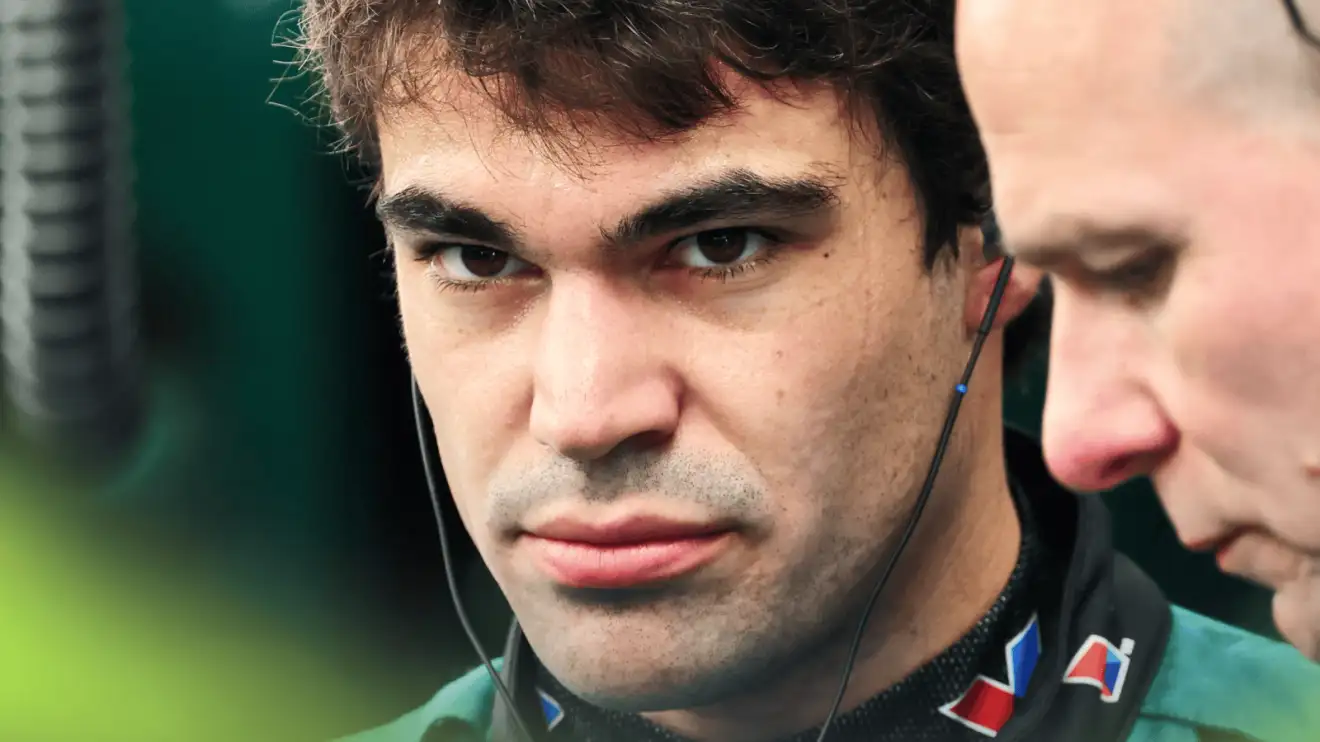
Aston Martin driver Lance Stroll looks on during testing in Bahrain
Aston Martin F1 engine partner Honda says it made key learnings during last week’s second pre-season test of F1 2026 in Bahrain.
It comes after Lance Stroll claimed the AMR26 car is more than “four seconds” per lap off the pace at this stage of proceedings.
Honda admits to ‘playing catch-up’ with Aston Martin in F1 2026
Want more PlanetF1.com coverage? Add us as a preferred source on Google to your favourites list for news you can trust
The F1 2026 season marks the first year of Aston Martin’s technical partnership with Honda, which arrives following a highly successful stint with Red Bull.
Honda’s alliance with Aston Martin technically marks a return to F1 for the Japanese manufacturer, which withdrew from the sport at the end of 2021 before reversing the decision 18 months later.
Aston Martin has had a troubled start to pre-season in 2026, arriving late to last month’s shakedown in Barcelona where it carried out just two of its permitted three days of running.
The AMR26 also completed the fewest number of laps in Bahrain last week, recording just 206 in total.
Analysis: Bahrain F1 2026 testing
Winners and losers from the first Bahrain test
Bahrain telemetry suggests Red Bull engine edge after Wolff claim
Stroll aired his frustration with Aston Martin’s muted start during the test in Sakhir, telling PlanetF1.com and other media outlets that the team “need to try and find four seconds of performance” to stand a chance of being competitive.
Asked to find some positives from Aston Martin’s test, Stroll referenced the weather and the car’s livery.
In a statement issued to PlanetF1.com by Honda, trackside general manager and chief engineer Shintaro Orihara acknowledged that the manufacturer has “more work to do” and is “playing catch-up” at this stage of the season.
Yet he claimed that Honda has come away from the test with “key learnings” after collecting “a significant amount of data.”
Orihara said: “Testing in Bahrain over the last three days was really beneficial for us and for our partnership with Aston Martin Aramco Formula One Team as we ran 206 laps overall.
“It was a good opportunity to learn a lot from the power unit package itself and its integration in the chassis.
“New regulations are a big change, not only for the way you drive the car, but also how you charge and deploy your energy over one lap.
“We worked on new ways of how to deal with energy management together with the team and drivers.
“Of course, we would have wanted to run more laps, but we have to remember this is our first official test together with the team, so we all had lots to learn from our new on-track collaboration.
“It is certain that we have more work to do back at our F1 R&D centre in HRC Sakura and here at the track.
We know where to improve together with the team and, believe me, we are pushing!
“For sure, we are playing catch-up on overall test programme, but we have just acquired a significant amount of data and key learnings from the last week.
“Looking forward, we have three more days of testing next week and we will be prepared to make the most out of it.”
Despite the excitement surrounding the AMR26 following its on-track debut in Barcelona, Aston Martin’s muted start to the season has not come as the biggest surprise.
Koji Watanabe, the president of the Honda Racing Corporation, told PlanetF1.com and other media outlets at the 2025 Daytona 24 Hours that the Japanese manufacturer was “struggling” with the development of its 2026 engine.
In a further update last month, Watanabe added: “To be honest, not everything is going well, so there are many areas where we are struggling, but nothing fatal has happened that we cannot overcome.”
He went on to add that Honda will do “whatever it takes” to increase its competitiveness and meet the demands of Adrian Newey, the Aston Martin team principal.
In a recent interview with the official website of the Aston Martin F1 team, meanwhile, Newey himself admitted that the Silverstone outfit was four months behind the opposition with its 2026 car.
Newey said: “2026 is probably the first time in the history of F1 that the power unit regulations and chassis regulations have changed at the same time.
“It’s a completely new set of rules, which is a big challenge for all the teams, but perhaps more so for us.
“The AMR Technology Campus is still evolving, the CoreWeave Wind Tunnel wasn’t on song until April and I only joined the team last March, so we’ve started from behind, in truth.
“It’s been a very compressed timescale and an extremely busy 10 months.
“The reality is that we didn’t get a model of the ’26 car into the wind tunnel until mid-April, whereas most, if not all of our rivals would have had a model in the wind tunnel from the moment the 2026 aero testing ban ended at the beginning of January last year.
“That put us on the back foot by about four months, which has meant a very, very compressed research and design cycle.
“The car only came together at the last minute, which is why we were fighting to make it to the Barcelona Shakedown.”
Want to be the first to know exclusive information from the F1 paddock? Join our broadcast channel on WhatsApp to get the scoop on the latest developments from our team of accredited journalists.
You can also subscribe to the PlanetF1 YouTube channel for exclusive features, hear from our paddock journalists with stories from the heart of Formula 1 and much more!
Read next: Adrian Newey masterclass revealed as Aston Martin AMR26 dissected


