

Adrian Newey masterclass revealed as Aston Martin AMR26 dissected
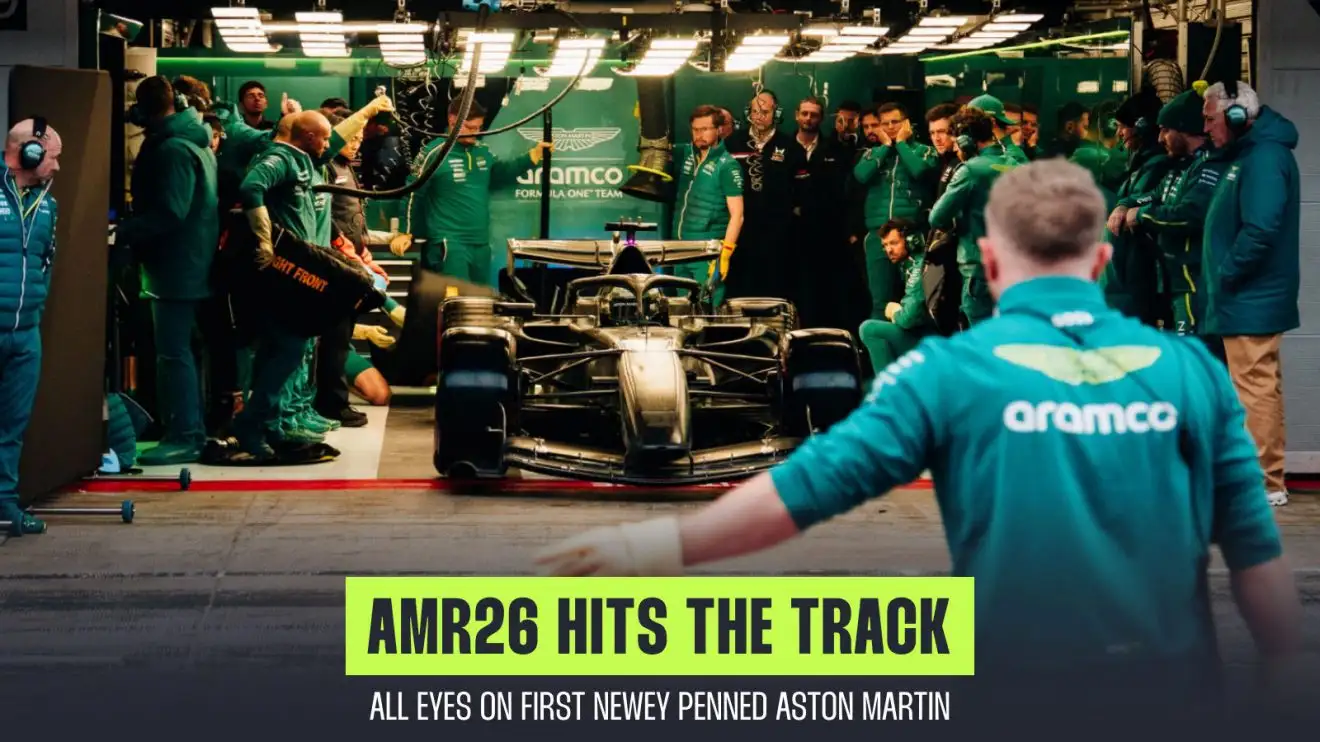
Aston Martin turned up late to the party, but it quickly made up for lost time by unveiling a car that’s chock-full of detail.
There are several design features on the AMR26 that appear to have Adrian Newey’s design DNA all over them, so let’s explore what makes the Aston Martin stand out.
Aston Martin’s AMR26 reveals Newey-inspired design cues and aerodynamic tricks
Want more PlanetF1.com coverage? Add us as a preferred source on Google for news you can trust.
First up I’ll caveat what follows with the usual statement: while the AMR26 looks radically different to most of the cars we’ve seen so far, there’s plenty more to come from everyone before we get to Australia.
However, the level of detail present on the AMR26 does suggest that what we’re looking at is closer to the package it will run in Albert Park than some of its rivals.
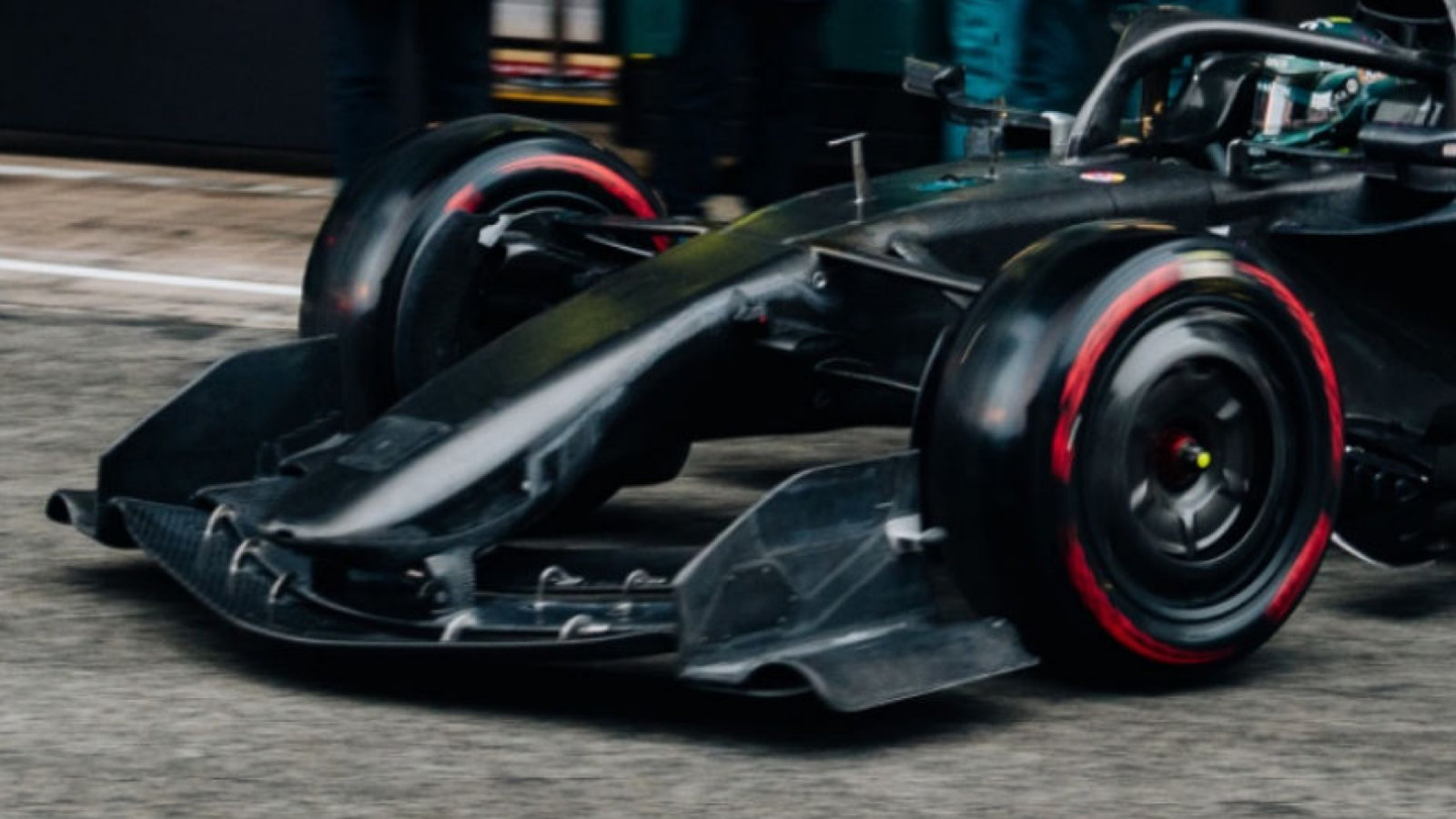
Aston Martin is the second team to present a nose and front wing solution where the connecting pillars are mounted on the second element, rather than the mainplane. Mercedes has a similar layout.
This means that only the upper flap will rotate when active aero is deployed on the straights, with the design team perhaps opting for a more balanced approach between the wing’s two states.
This falls into the trade-off category of Formula 1 design, and shows that there are currently several schools of thought about which solution works best overall. Aston Martin is taking the design advantage this affords when designing the nose and wing together, rather than just seeking out-and-out performance from the active aero.
And, while that’s interesting in its own right, the shape of the nosecone appears to be a callback to a design solution used during Adrian Newey’s most successful period with Red Bull.
During that championship winning era (2010-2013) Red Bull often used a wider nose shape to its rivals. It also utilised a ‘Pelican-style’ underbelly – a bulge beneath the nose gave way to a more slender outline – creating space beneath the centreline of the car for the airflow to rush into.
The challenge of creating such a design with these new regulations should not be understated either, given the new load and test criteria the nose is subjected to.
There may still be more to uncover in the nose design, as the combination of completely blacked-out, low-res images of the car doesn’t reveal all the details.
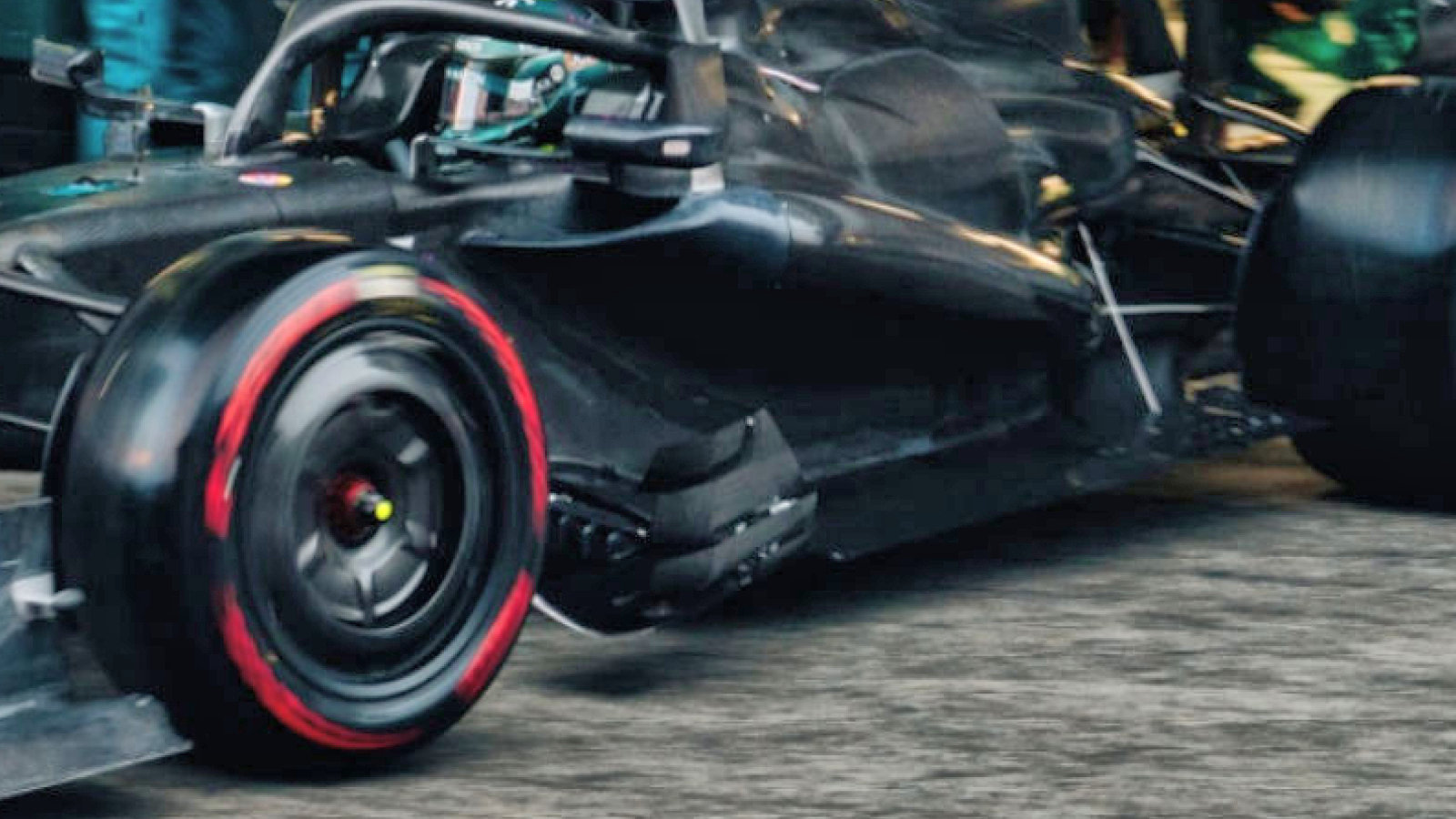
The sidepods are something to behold on the AMR26, perhaps in the realms of the ‘zeropod’ in terms of shock factor when viewed for the first time.
However, they appear to be the continuation of a concept already known to the team. The inlet is similar to one used in 2024 and also familiar to Adrian Newey, as Red Bull presented cars with a similar design too.
The underbite solution seen here is narrower still, with the shoulder of the bodywork folded inward to better manage the flow around its corner.
And, rather than having an undercut that feeds into a midline that droops down toward the floor, the designers have found a way to raise everything to leave a cavernous gap between it and the floor.
This brings to mind the ‘double floor’ concept that several teams have tried in the past, including John Barnard with the Ferrari F92A and Giorgio Ascanelli more recently with the Toro Rosso STR6.
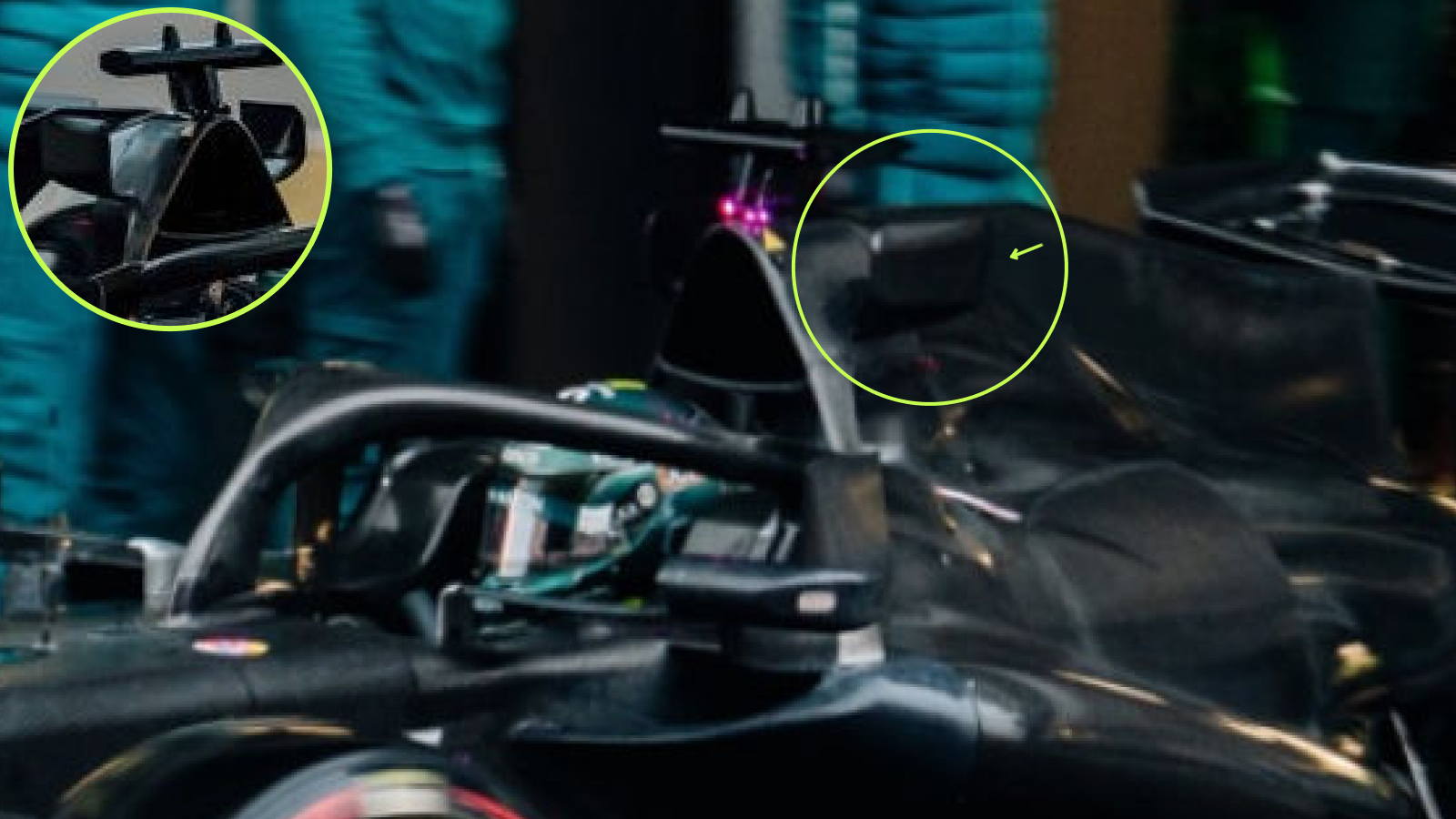
Aston Martin, having switched to Honda power for 2026, has also altered its airbox design. For F1 2026 it has opted for a triangular arrangement, rather than the oval solution it used when powered by Mercedes.
And, while this is interesting in its own right, especially given the increase in the load requirements for the roll hoop housed within, there’s another Newey-ism mounted on the side of the airbox.
The AMR26 has a pair of horns attached to the side of the airbox to help manage flow downstream, similar to the ones found on Newey’s McLaren MP4-20 from 2005.
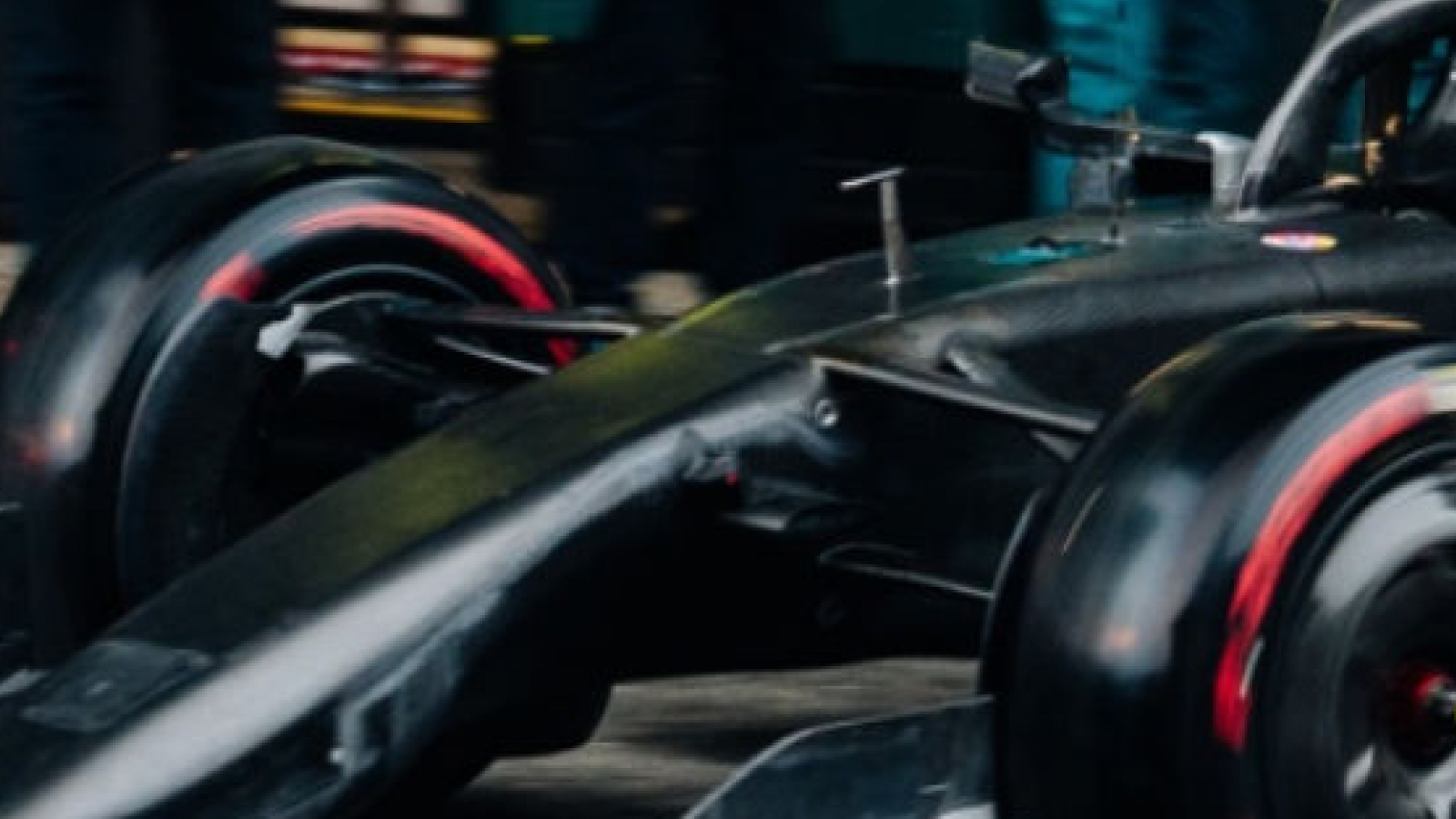
Aston Martin did not follow the crowd and switch to a pullrod front suspension layout at the tail end of the ‘ground effect’ era and has remained steadfast in that approach for 2026, too.
However, it has carried across some of the more complex wishbone geometry that has become commonplace over the last few seasons.
This manifests itself in a multi-link wishbone arrangement that has the upper rear leg of the assembly placed lower and further back on the chassis than we’ve ever seen before.
Though this will clearly have a bearing on the suspension’s kinematics, the primary reason for the switch will be aerodynamic, with the entire suspension arranged to better manage the passage of airflow to the surfaces downstream.
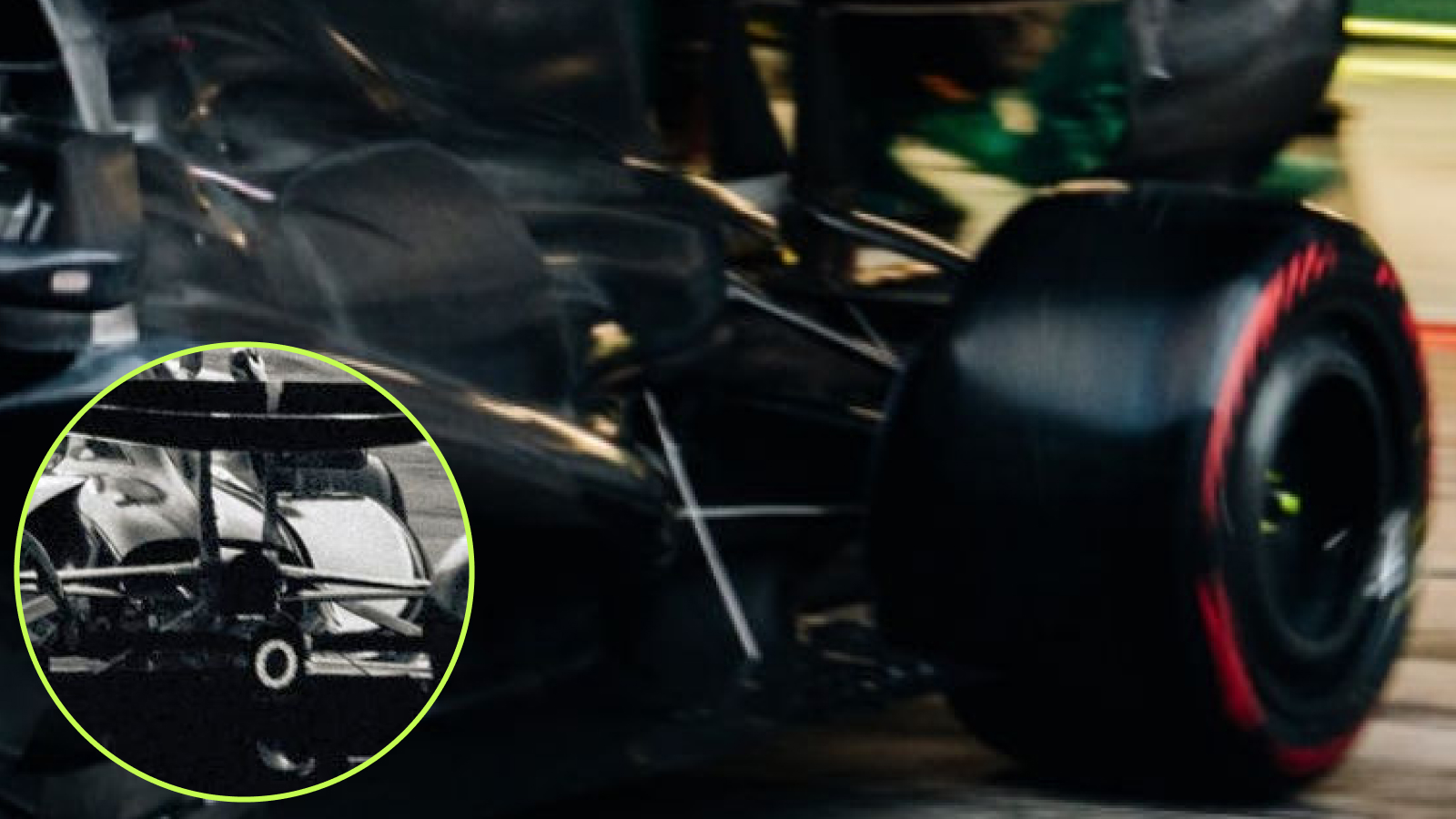
The rear suspension is also a source of intrigue owing to the high mounting position of the upper wishbone. It seems extreme, but there have been similar configurations pop up in the past, namely, and once again, at Red Bull.
In this instance, the wishbone is mounted alongside the exhaust, forming the structure at the base of the rear wing pillars, which suggests there’s a substantial load placed in that region.
The rear wing pillars, while we’re at it, also have an air of McLaren MP4-24 (from 2009) about them. They feature a thicker profile at the base of the assembly that tapers beneath the rear wing mainplane. Of course, this isn’t a Newey machine but, it doesn’t mean that the sketch from his notebook hasn’t been laying in wait all this time.
The upshot of this suspension layout is clearly going to be leveraging the aerodynamic benefit on offer, as there’s clearly no need to design such a radical layout from a kinematic sense. It suggests Aston Martin might have a solution that others might covet.
However, bold and different is always a recipe for success, just look at McLaren’s rear suspension ‘blockers’ from 2014 as an example.
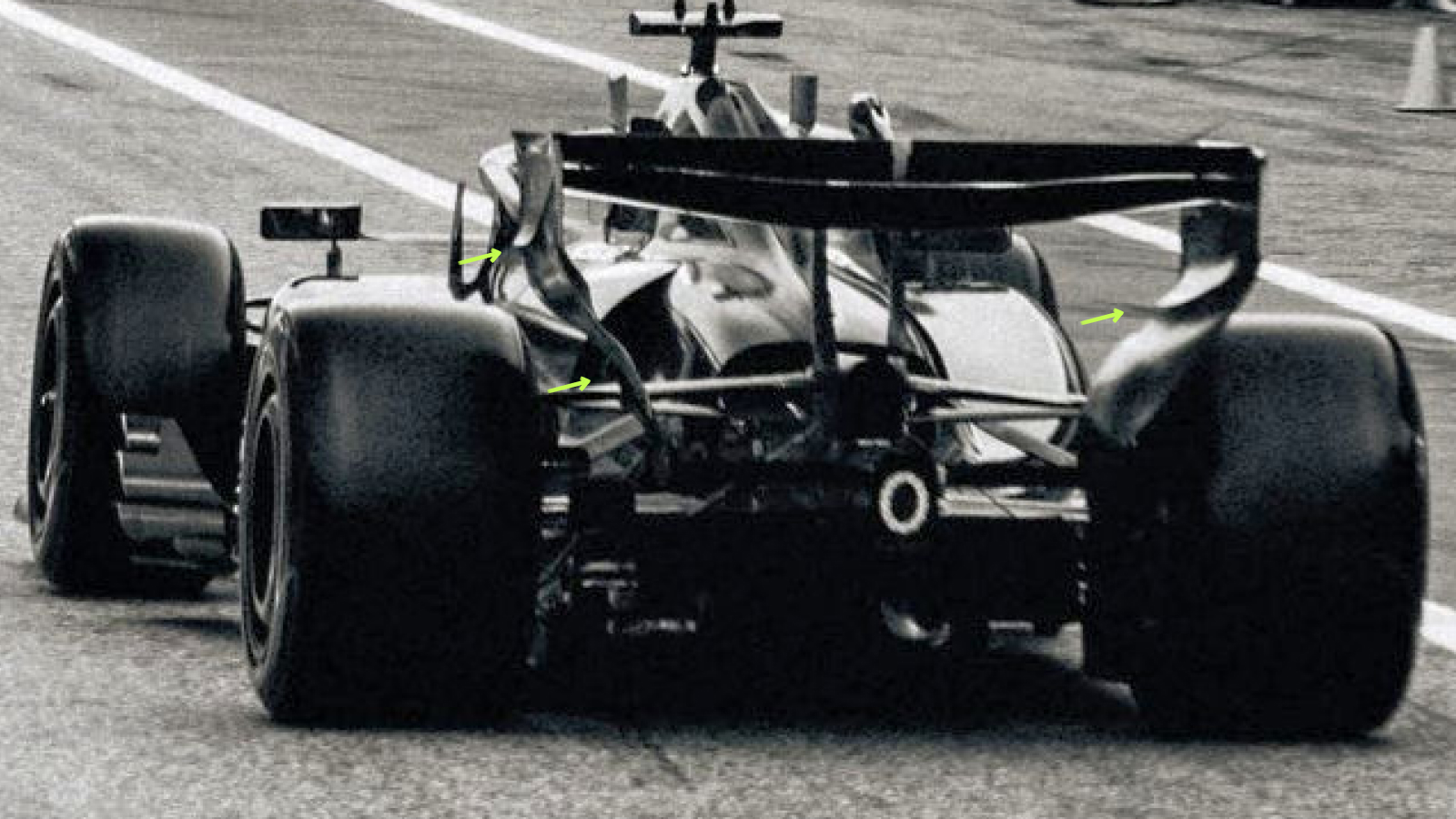
The rear wing is also interesting, albeit more of an extreme example of some of the design details that we saw with the previous generation of cars.
The additional aerodynamic detail here, beyond what was initially expected from these regulations, lies with the rear wing endplates. There are numerous swage lines on both the internal and external surfaces (green arrows), that will help to generate upwash and, by extension, improve how the rear wing and various other flow structures in that region interact.
Want to be the first to know exclusive information from the F1 paddock? Join our broadcast channel on WhatsApp to get the scoop on the latest developments from our team of accredited journalists.
You can also subscribe to the PlanetF1 YouTube channel for exclusive features, hear from our paddock journalists with stories from the heart of Formula 1 and much more!
Read next: McLaren MCL40 reveals next-level aero design in Barcelona


