

Why F1 doesn’t need a second Silverstone race


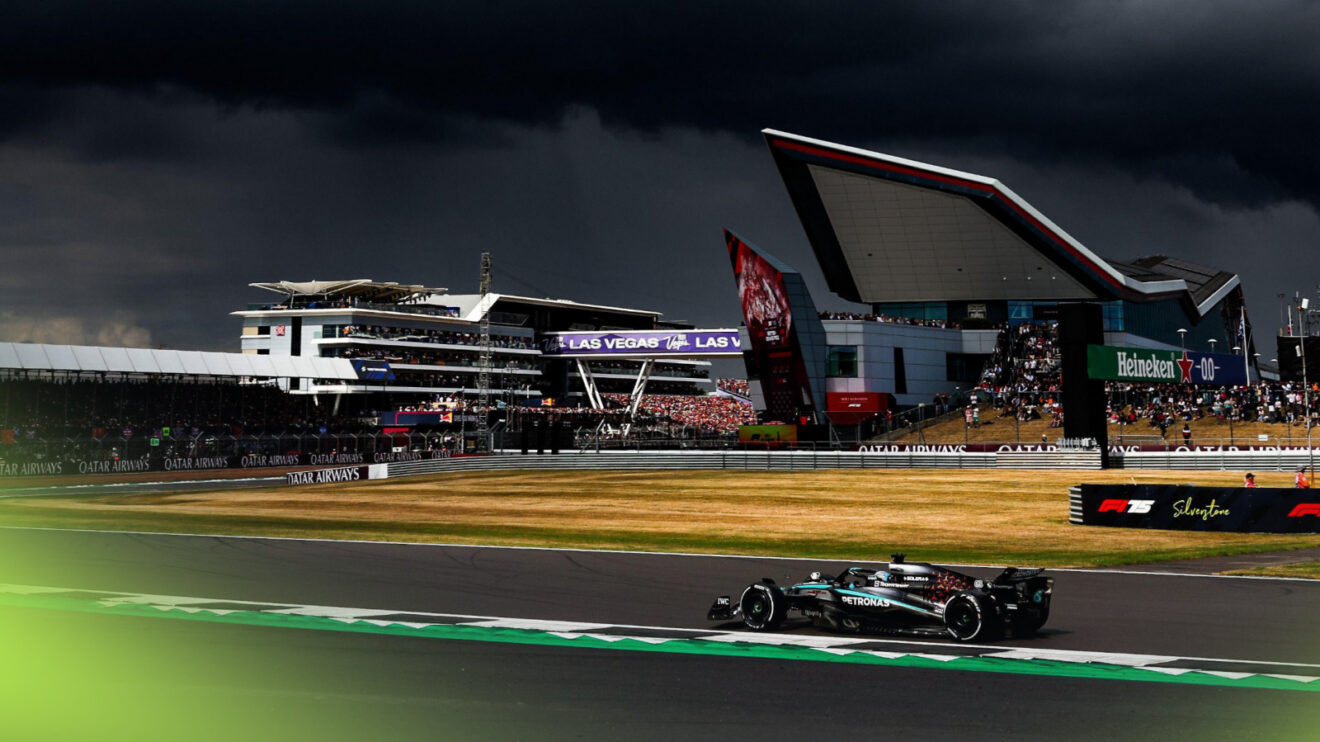
Silverstone has offered to host a second F1 race this season.
Toto Wolff said Mercedes has already accounted for the financial implications that have arisen following the cancellation of the Bahrain and Saudi Arabian Grands Prix as officials in Silverstone offer to host replacement event.
The loss of the two races will be a blow for Formula One Management’s bottom line, with the financial impact trickling down to teams through reduced prize money while driving up other costs.
Silverstone offers to host second F1 2026 event
Want more PlanetF1.com coverage? Add us as a preferred source on Google for news you can trust.
With F1 operating under a cost cap, teams face hard limits on what they’re able to spend each season.
That includes elements such as freight, which have seen costs increase in recent weeks. Race fuel costs have also risen.
However, both fall outside of the cost cap, meaning increases in those areas will not lead to a team being penalised for overspending as a result of those aspects.
“All of these factors we have in our forecasts; what are the worst-case scenarios for travel interactions and for freight costs going up,” Wolff told PlanetF1.com and other media.
“At the same time, [what are] the possible impacts of hosting fees and sponsorship?”
Teams derive a significant amount of income through the prize money paid out by Formula One Management.
The prize money pool is calculated based on FOM’s revenue, meaning reduced income for the sport’s commercial rights holder has a direct knock-on effect to the teams.
PlanetF1.com’s market estimates have the Bahrain and Saudi Arabia contributing over $110 million annually, the loss of which marks a significant dent in revenue.
According to its annual report, FOM generated $3.9 billion in revenue last year, with just over a quarter of that from race promotion fees.
Bahrain and Saudi Arabia combined account for only around 10 percent of the revenue FOM derives from hosting fees, and less than three percent of its total 2025 revenue.
The effect of two cancelled events in F1 2026 is not expected to unduly impact that, with an annual result north of $4 billion a realistic forecast.
In terms of the prize money, even with fewer hosting fees in F1 2026, the pot could grow by as much as $100 million with the reduced revenue absorbed by increases elsewhere.
That would see McLaren (as last year’s world championship winners) paid in the region of $137.6 million, versus $147.1 million last year.
The decrease relates to the arrival of Cadillac as the 11th team, diluting the prize money payments which were previously shared by 10 teams. Normalised, McLaren would pocket an increase of about $10 million.
There are advertising and hospitality considerations which could compound FOM’s reduced revenue and reduce that, though they are not expected to be especially significant.
It is also worth noting that any potential loss of income is also offset to an extent by reduced travel costs.
Financially, there is little motivation to shoehorn in replacement events, though FOM is understood to have had several approaches.
Silverstone is among those to have made such offer, with circuit boss Stuart Pringle suggesting that the British GP venue could host a second event.
More on F1 circuits
F1 2027 calendar: Australia set to lose season opener
F1 circuit contracts: What is the current contract status of every track?
“I have offered,” Pringle told Sky Sports.
“We stepped in during COVID and we were able to help Formula 1, and if that would help [again] then of course we will.
“There are numerous practicalities that need to be considered… The offer’s in, they know we’re here and we can move quickly.”
During the abridged 2020 season, the British circuit did host two events as FOM looked to meet broadcast agreement minimums.
However, there are no such pressures now as, even at 22 events, the schedule will easily surpass the minimum events requirement.
Factoring in the lead time for potential events, the cramped calendar, and little in the way of finances to tip the scales, hosting an event would turn what should be an income-generating opportunity into a cost – for FOM, the FIA and the teams.
Want to be the first to know exclusive information from the F1 paddock? Join our broadcast channel on WhatsApp to get the scoop on the latest developments from our team of accredited journalists.
You can also subscribe to the PlanetF1 YouTube channel for exclusive features, hear from our paddock journalists with stories from the heart of Formula 1 and much more!
Read Next: FIA insists F1 ‘cannot be hostage’ to manufacturers in next-gen engine debate