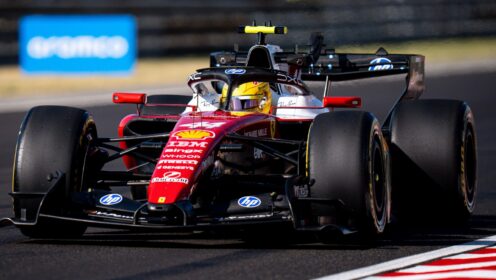

How Ferrari lost Hungary podium as strategy and mistakes mask promising pace


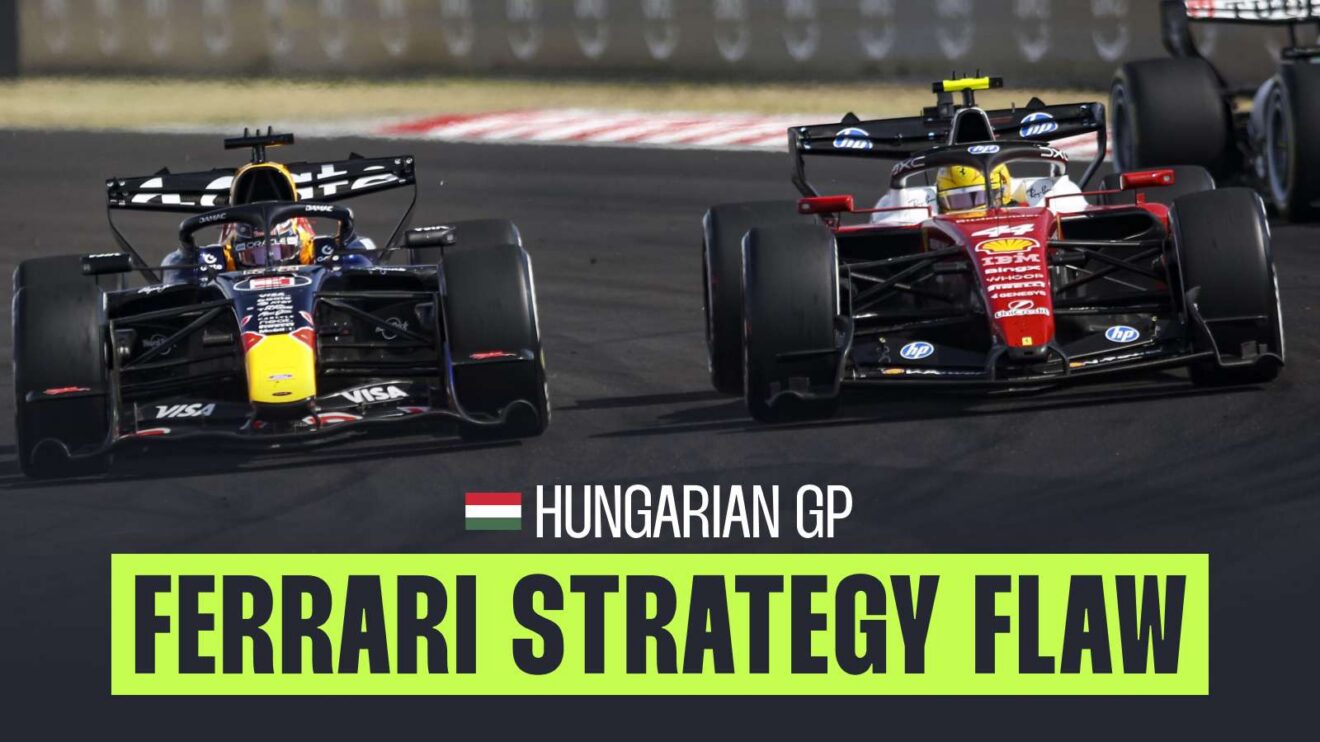
How did Ferrari dominate in practice but fall away on race day? Data provides the answer.
Ferrari didn’t have the race pace to fight with McLaren, but through its own decisions and driver errors, the Maranello squad finished off the podium in a race where it was among the favourites.
Exactly how it managed to snatch defeat from the jaws of victory, is revealed in the telemetry data.
Did Ferrari have its worst race of the season in Hungary?
Want more PlanetF1.com coverage? Add us as a preferred source on Google to your favourites list for news you can trust.
Following high expectations from the fans ahead of the Hungarian Grand Prix weekend (and completely reasonable expectations at that), plus an excellent start to the weekend on Friday, Ferrari began its capitulation as early as Saturday.
First and foremost came a major error by the team, failing to inform Lewis Hamilton about Oscar Piastri approaching behind him, which earned the Briton a three-place grid penalty. On a track like the Hungaroring, where track position is everything, this was a massive handicap.
Instead of starting second, Lewis launched from fifth position – but also from the cleaner side of the grid, which makes a significant difference for first-lap overtaking here.
The data itself confirms this: in the last two dry starts, drivers starting on the clean side (odd grid positions) gained an average of 0.5 positions, whereas drivers starting on the dirty side lost an average of 0.5 positions.
This, combined with the vital importance of track position, Ferrari opted to start the race on soft tyres; Hamilton was on brand-new softs, while Charles Leclerc was on three-lap old used softs.
What did the drivers manage to exploit from this? Absolutely nothing.
Starting on the dirty side, Leclerc lost three positions, while Hamilton overtook only Leclerc where he found himself stuck behind Verstappen, forcing the team to pull a strategic trigger.
Although Hamilton eventually gained position over Verstappen via a successful undercut, Ferrari executed it far from cleanly. Ferrari could have waited one more lap, significantly reducing the risk of Hamilton rejoining behind Hadjar (who predictably defended aggressively).
However, all of that went out of the window just one lap later when Verstappen overtook Hamilton with an incredible move at Turn 1. The seven-time world champion seemingly didn’t expect the attack at all, leaving this mistake on his shoulders.
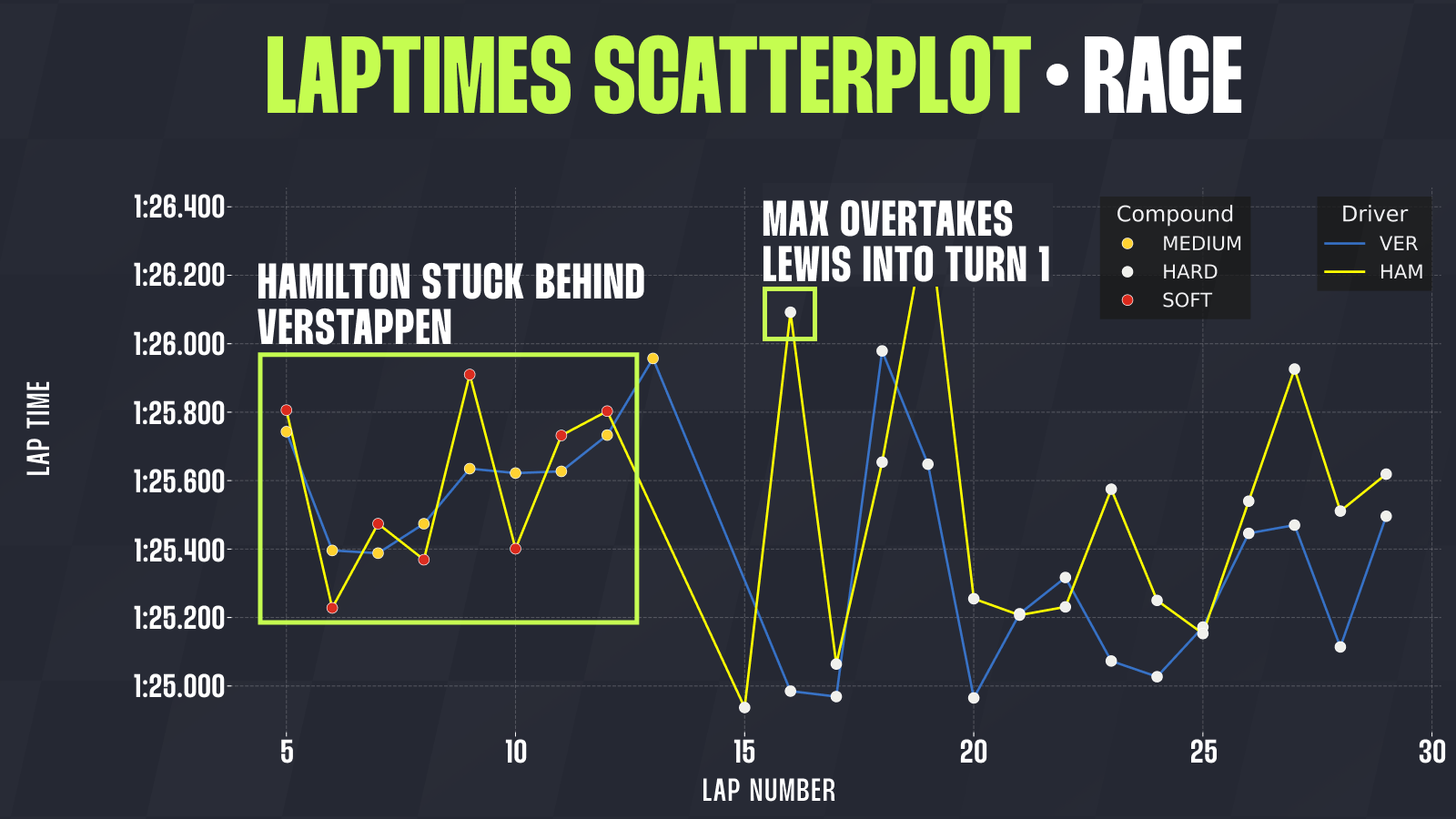
The consequence of this move was far greater than it appeared on the surface. Had Hamilton managed to hold position ahead of Verstappen, besides likely finishing the race ahead of him, it is not impossible that Lewis could have also made up ground on Norris, who was initially stuck behind Piastri.
The odds weren’t massive, but they were certainly there: before pitting, Hamilton was trailing Norris by exactly five seconds, whereas on fresh rubber in clean air, he would have been making up around 0.8 seconds per lap. Coupled with the slower pit stop Norris suffered, it was by no means impossible.
Hamilton was not helped by a car that was far from brilliant on the hard tyres. The rear end was very unstable, severely impacting his lap times.
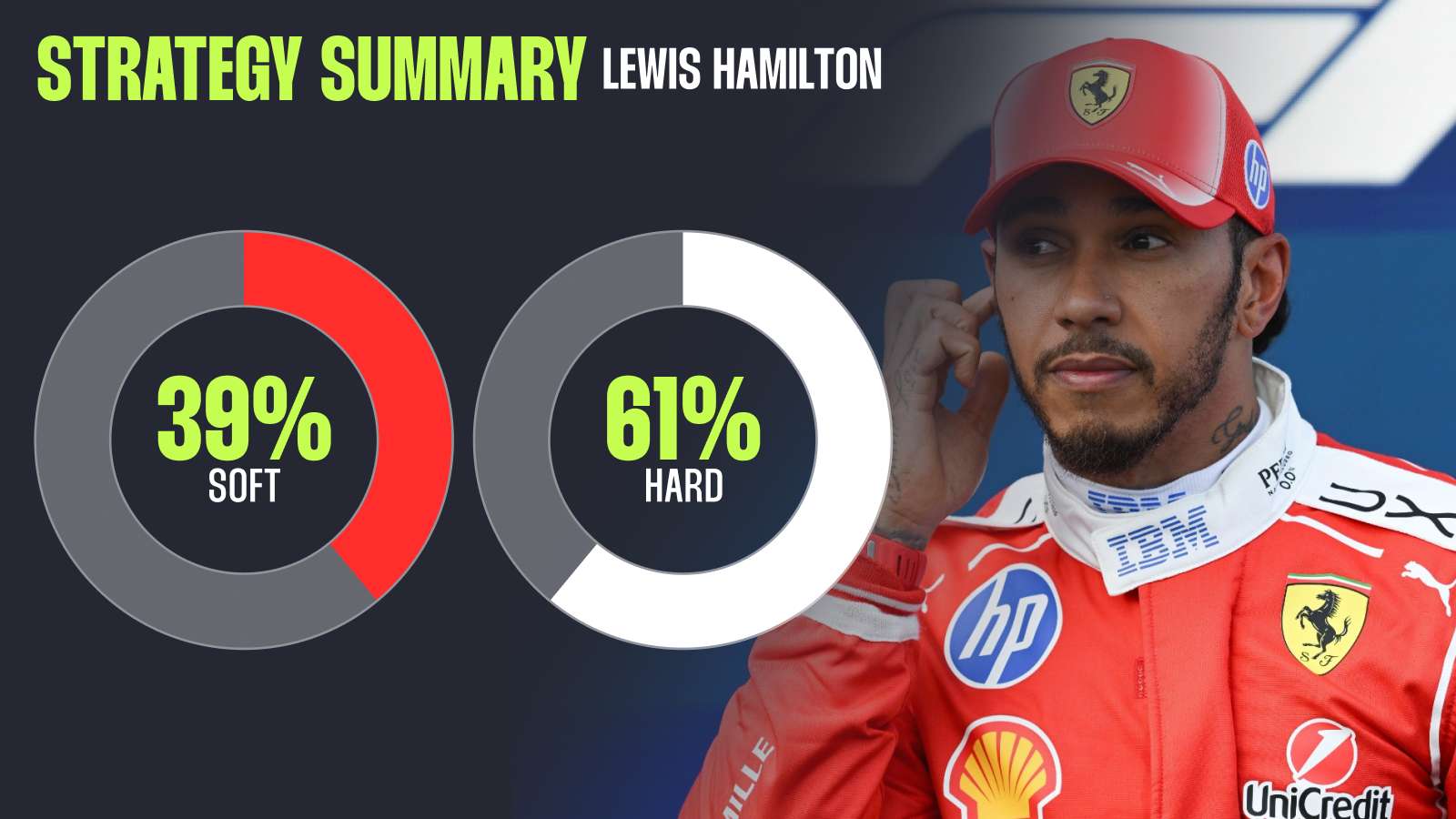
Given that strategy was the only way for Hamilton to pass Verstappen, the Maranello team pulled another trigger and called him in for a second pit stop after just 17 laps on the hard tyres.
Incredibly, he once again emerged right behind Hadjar, losing yet another lap battling past him.
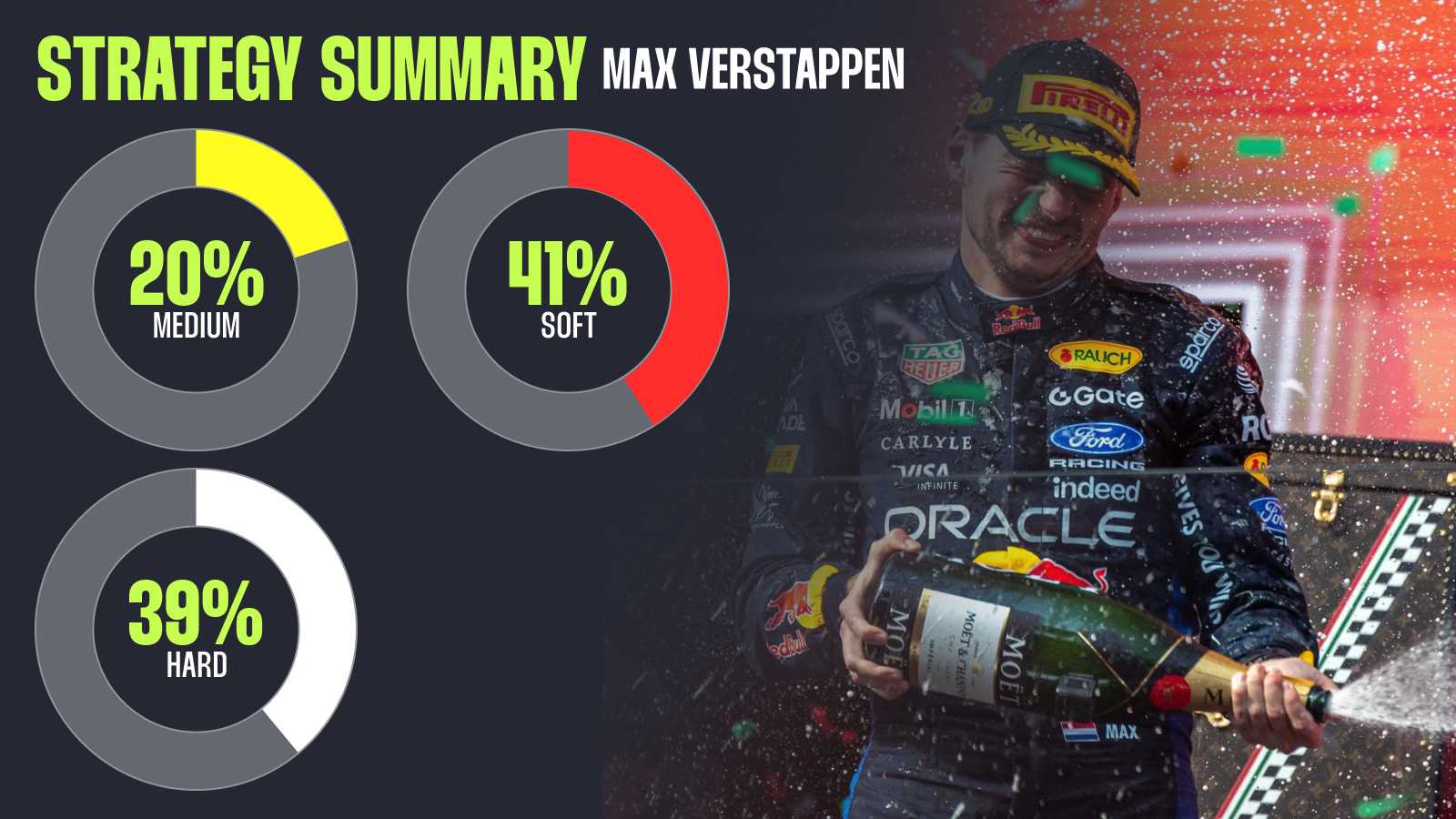
Red Bull chose not to react this time, leaving Max out on track. A plausible explanation is that Red Bull recognised the hard tyres were offering no advantage and opted to wait long enough to switch Max directly onto softs.
Why Ferrari didn’t opt for a similar strategy remains a mystery, though Fred Vasseur admitted after the race that it became clear afterwards the softs were lasting twice as long as expected.
More analysis from the Hungarian Grand Prix
McLaren’s papaya rules under spotlight as Norris and Piastri telemetry emerges
Oscar Piastri blasts Carlos Sainz after ‘unacceptable’ Hungarian GP collision
Despite everything, Hamilton held track position over Verstappen, and it seemed all set for him to keep it until lap 56, when Piastri’s retirement triggered a Virtual Safety Car.
Ferrari opted for a double stack, causing Hamilton to lose track position one final time. While making the right call when the driver you’re fighting is behind you on track is always trickier. It remains baffling why the Italian squad chose this move.
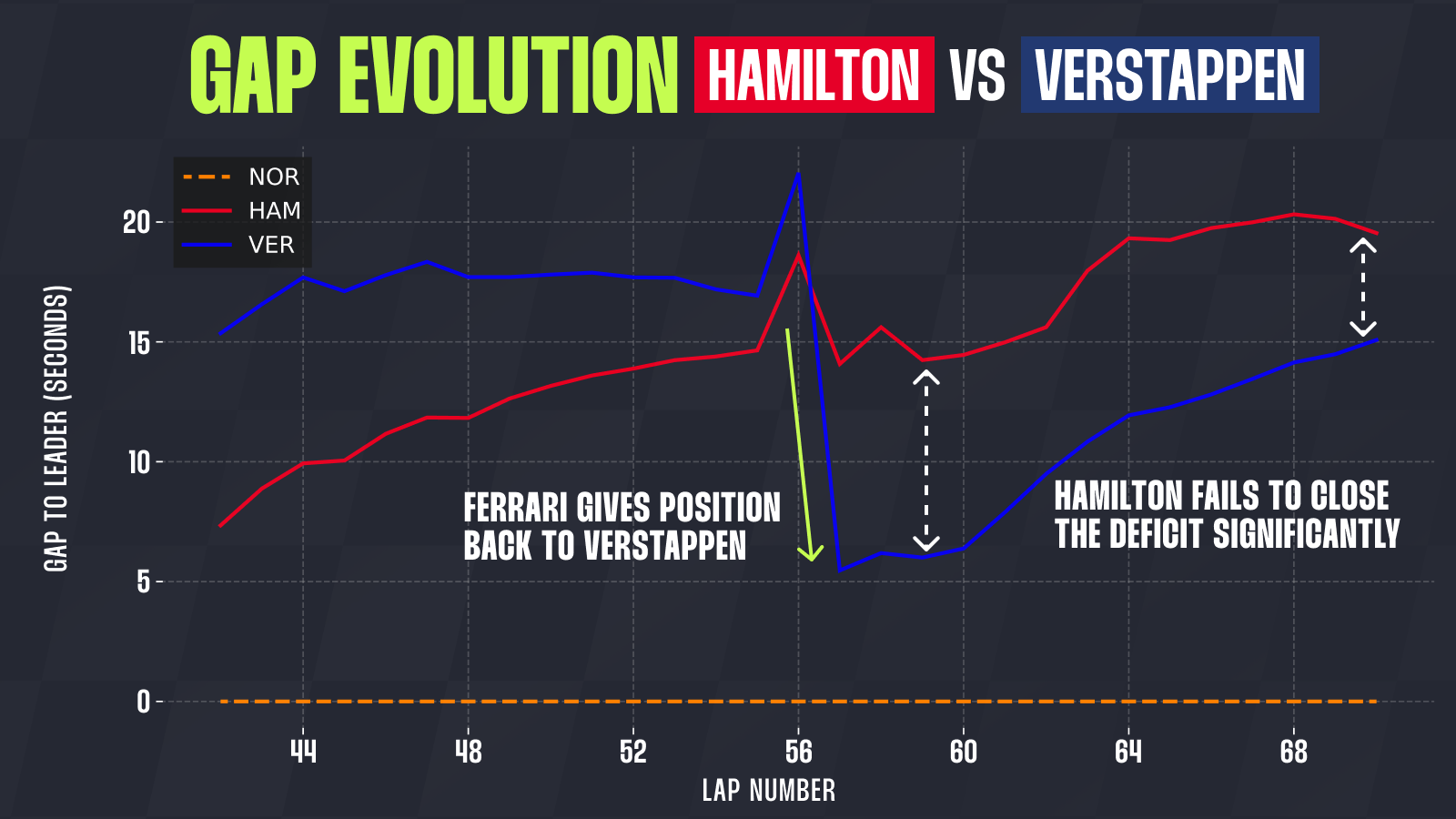
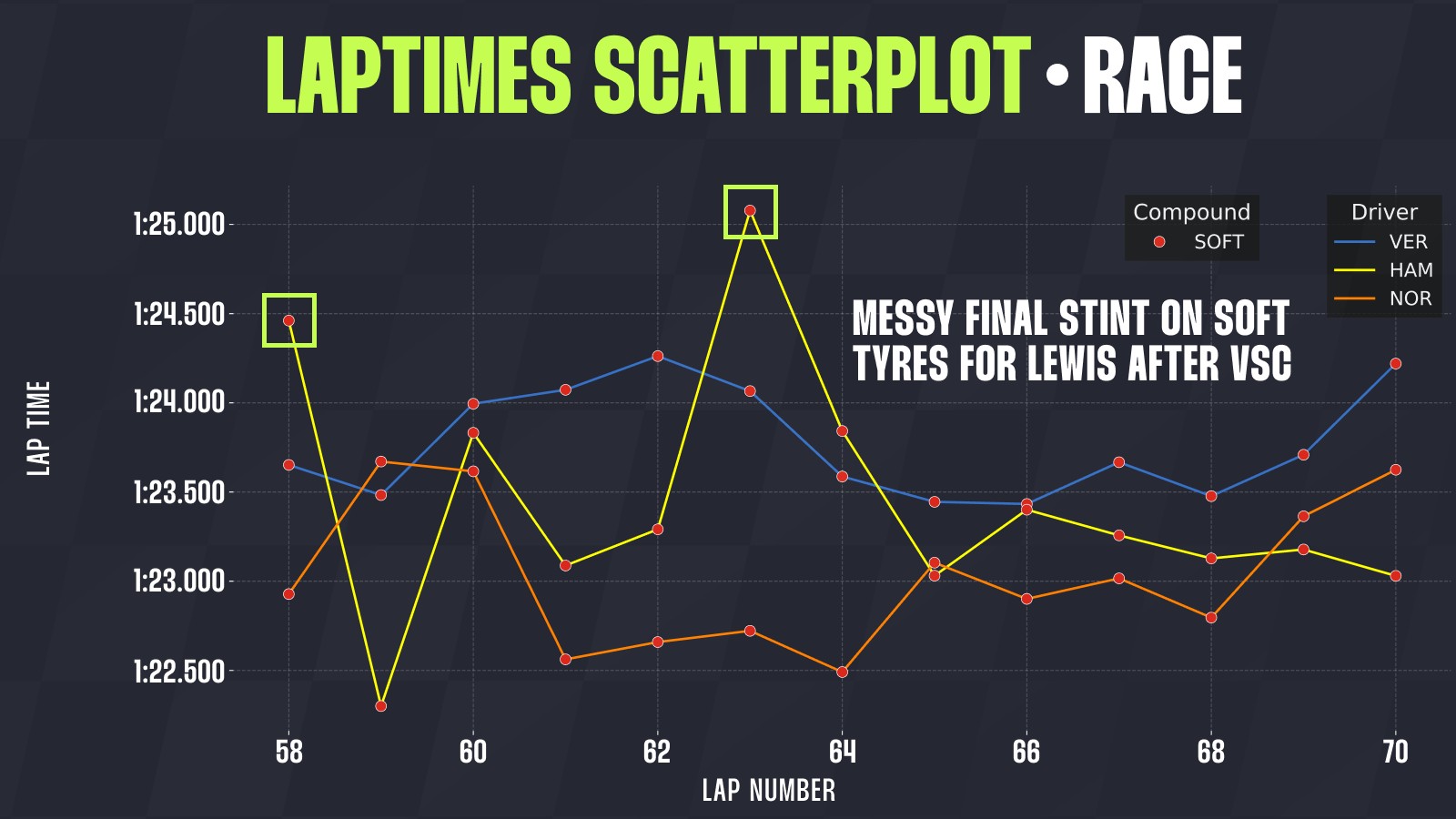
Hamilton was on hard tyres and could easily have gone to the end of the race on them, whereas Verstappen was running on softs.
Telemetry data indicates that, had Hamilton stayed out, Verstappen would have caught him around Lap 66. The chance of Verstappen successfully completing a pass on 26-lap-old softs was extremely slim.
To add insult to injury, a five-second time penalty for pit lane speeding came as final confirmation that this was simply not Ferrari’s weekend.
Fourth and fifth are definitely not positions the red team can be satisfied with, nor what it hoped for prior to the weekend. Despite victories in Spain and Silverstone, a massive amount of work lies ahead if the Scuderia wants to consistently challenge for podiums in the second half of the season.
Want to be the first to know exclusive information from the F1 paddock? Join our broadcast channel on WhatsApp to get the scoop on the latest developments from our team of accredited journalists.
You can also subscribe to the PlanetF1 YouTube channel for exclusive features, hear from our paddock journalists with stories from the heart of Formula 1 and much more!
Read next: Lando Norris wins in Hungary after McLaren strategy twist, Hamilton penalised