
How Lewis Hamilton pulled off incredible Bahrain GP recovery


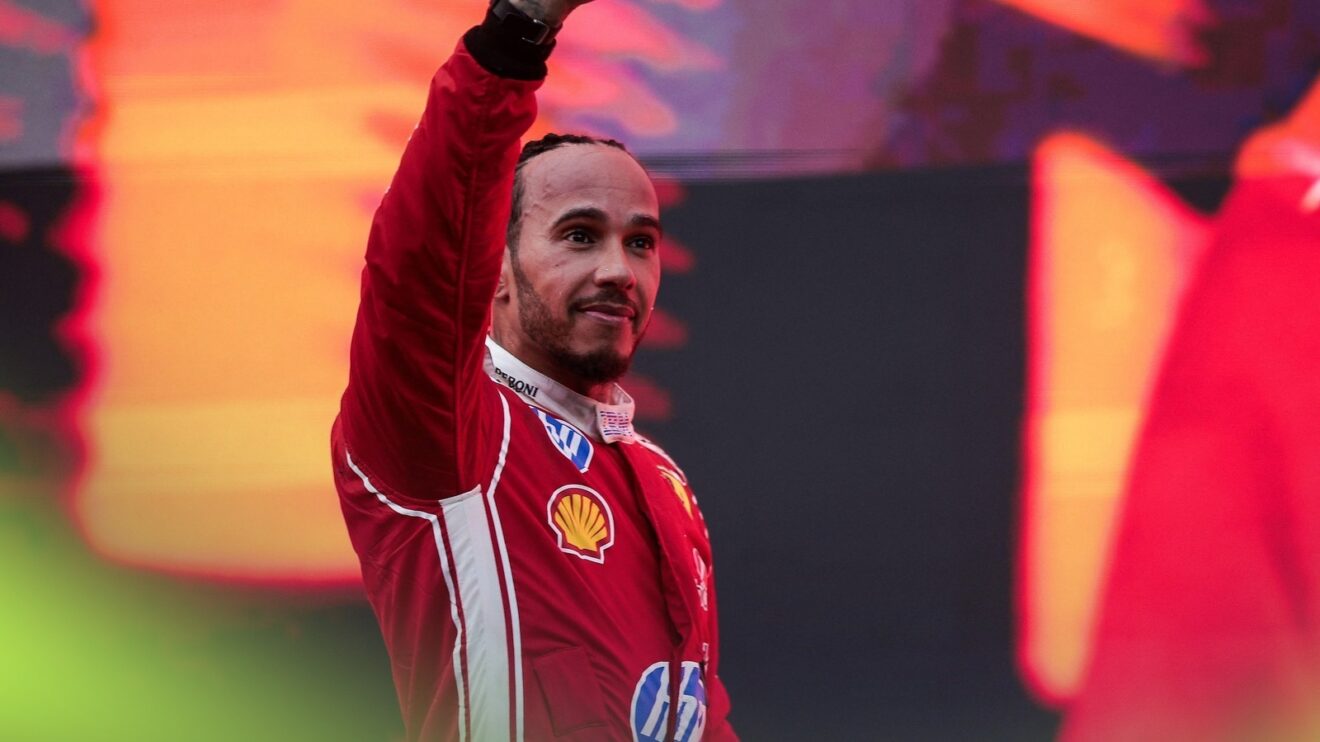
Lewis Hamilton recovered to third in the Bahrain GP in Malaysia.
After starting on slick tyres on a damp track, Lewis Hamilton found himself languishing in 17th place and a staggering 80 seconds off the lead at the start of the Bahrain Grand Prix in Malaysia.
What followed was an incredible fightback as the Ferrari driver secured a sensational podium in Sepang, with telemetry data revealing exactly how he managed it.
Was Lewis Hamilton’s Bahrain GP in Malaysia recovery drive luck or a masterclass?
A bizarre race start amid torrential monsoon conditions resulted in a split grid, with ten drivers opting for intermediate tyres and the remainder starting on slick rubber, including Lewis Hamilton.
Prior to the lights going out, the track surface was clearly wet enough to warrant intermediate tyres; however, high ambient temperatures left teams anticipated a rapidly drying line.
It was a gamble, however. While starting on slicks would negate the need for a pit stop once conditions improved, if they got it wrong…
As it transpired, the asphalt dried far slower than teams and drivers anticipated.
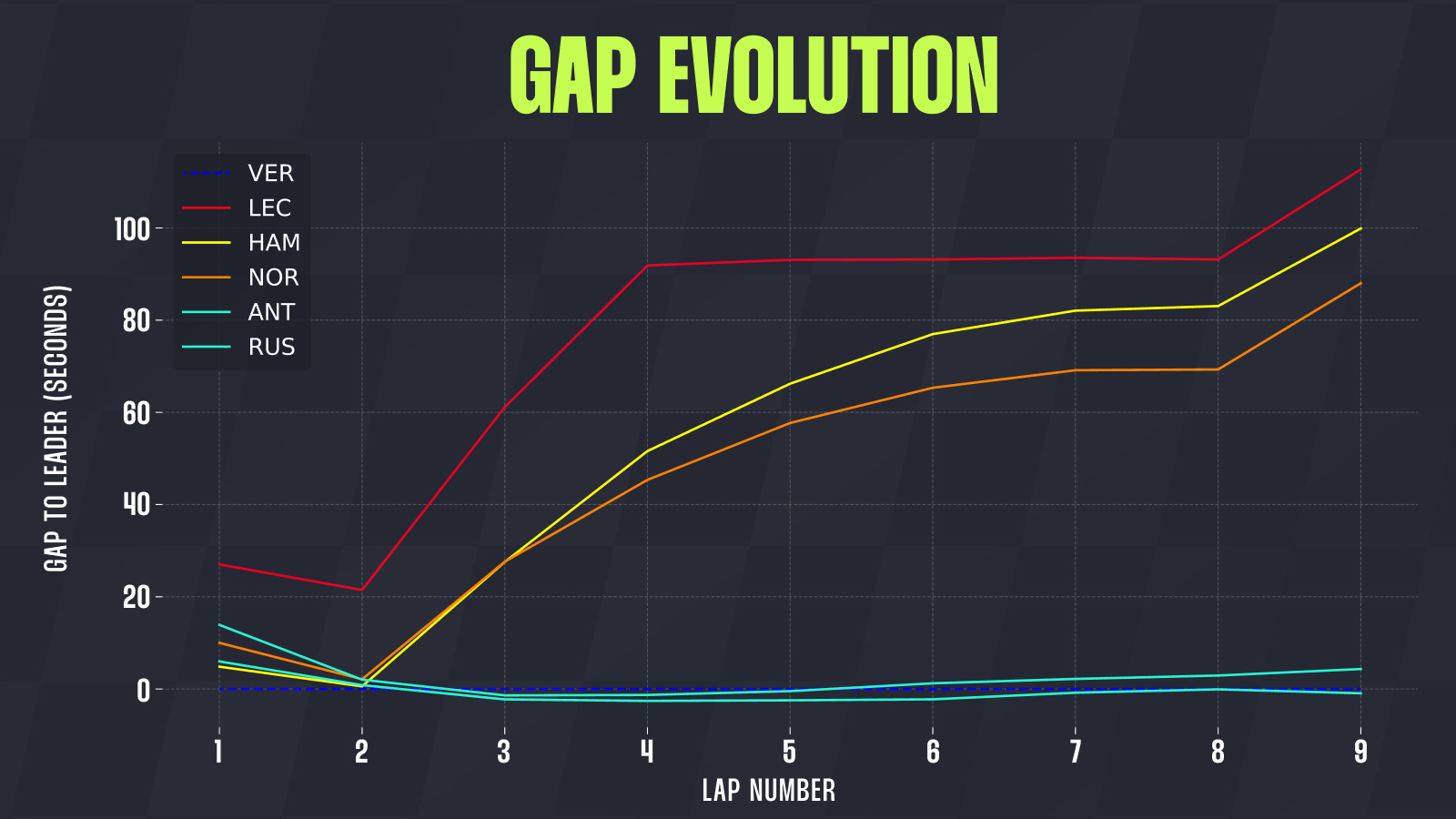
By the end of lap 2, the field was sharply divided: drivers on the green-marked intermediates held a commanding advantage, while those on slicks trailed far behind.
It became immediately clear who had made the strategic error.
While several drivers attempted to limit the damage by pitting immediately, such as Charles Leclerc, Hamilton opted to stay out, gambling that the track would dry soon enough.
During these opening laps, Hamilton was bleeding an average of around 15 seconds per lap.
The graph below illustrates just how much time he, and everyone else who stayed out, surrendered relative to the race leaders.
Fortune continued to favour his rivals when a Safety Car deployment on lap 9 allowed drivers on intermediates to pit for slick tyres under reduced time loss.
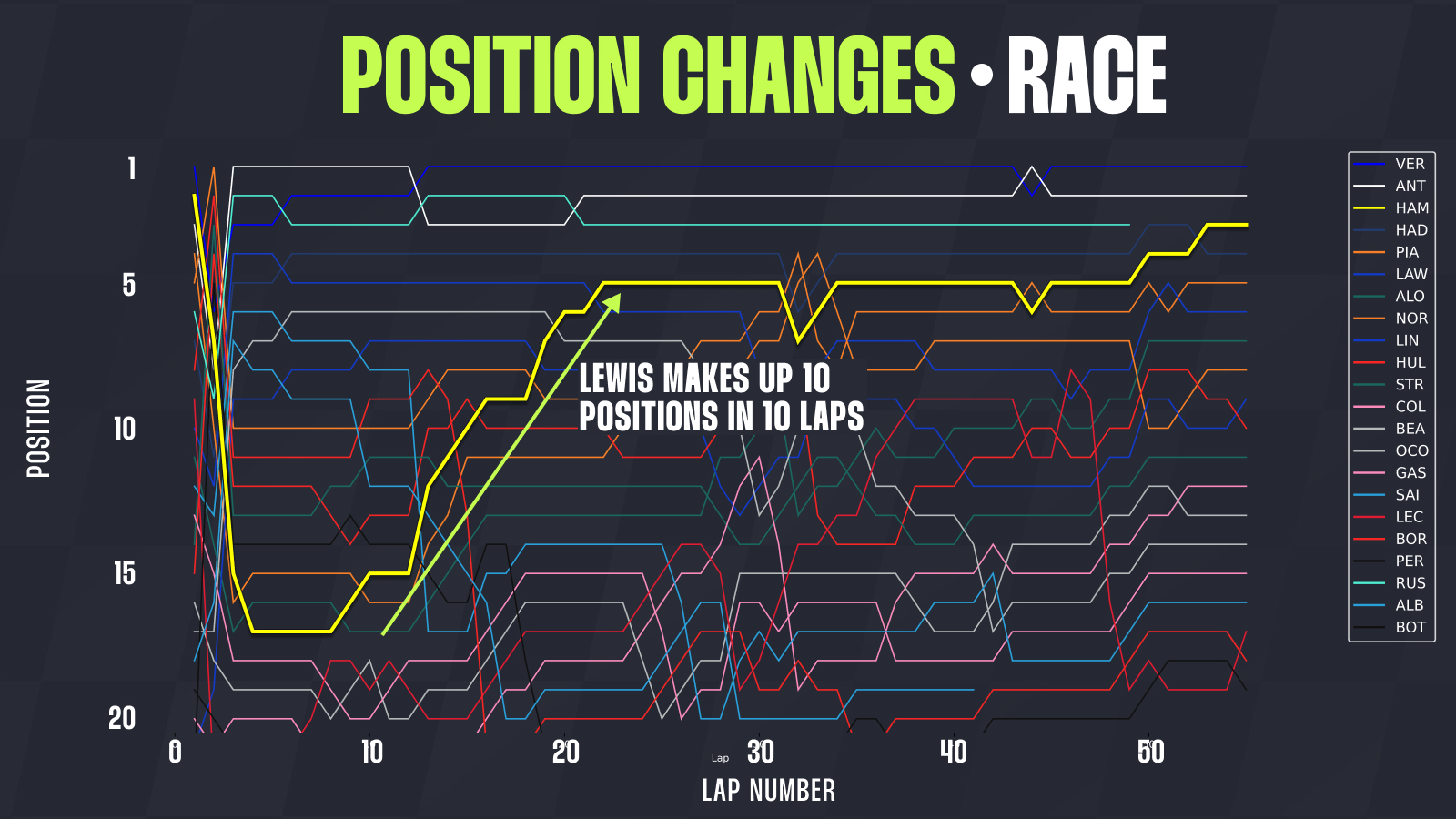
Having remained on track throughout, Hamilton restarted in P15, launching his recovery drive as the track finally dried out.
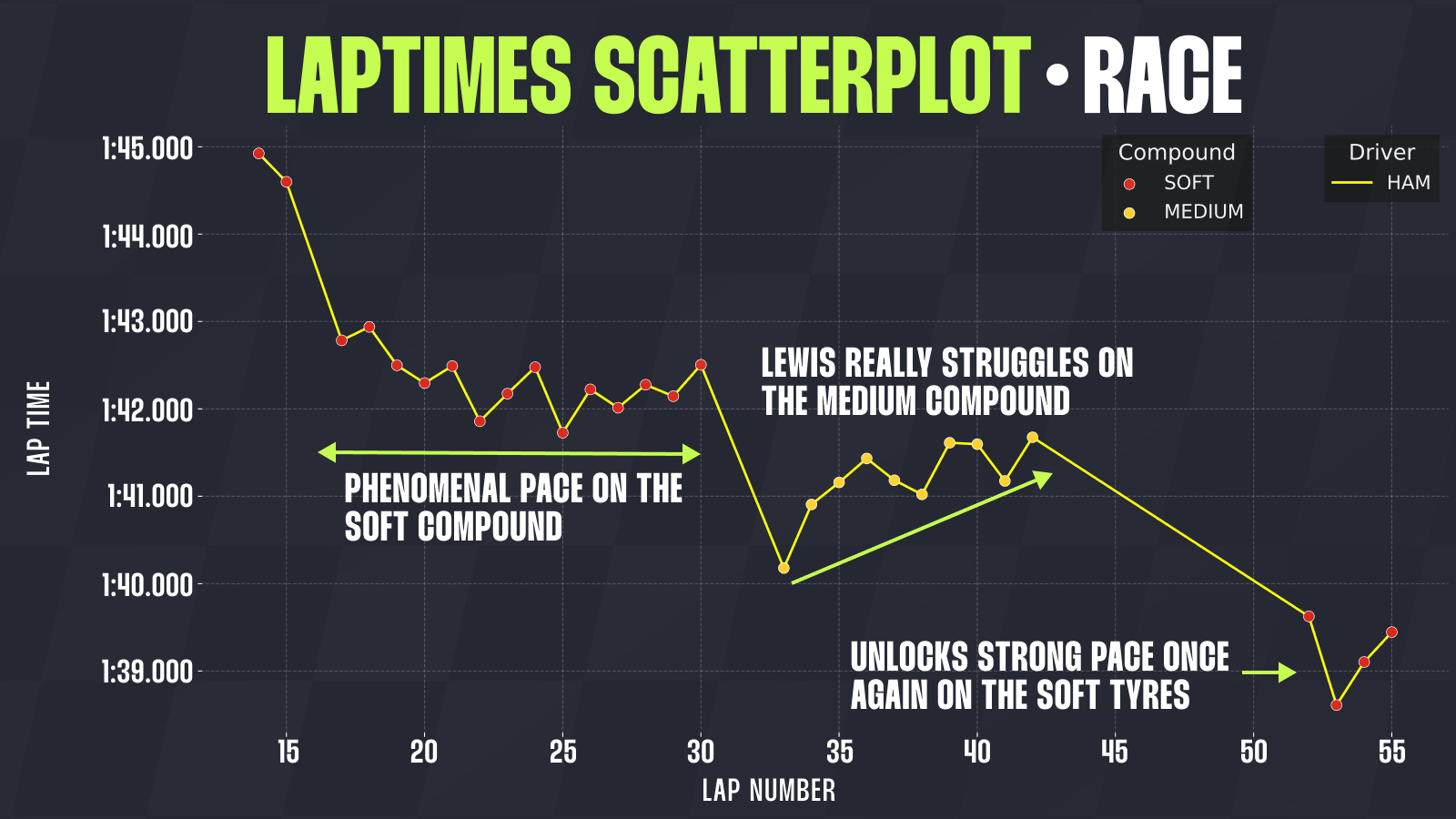
The Ferrari driver produced a masterclass during this stint, operating on rubber far older than those around him.
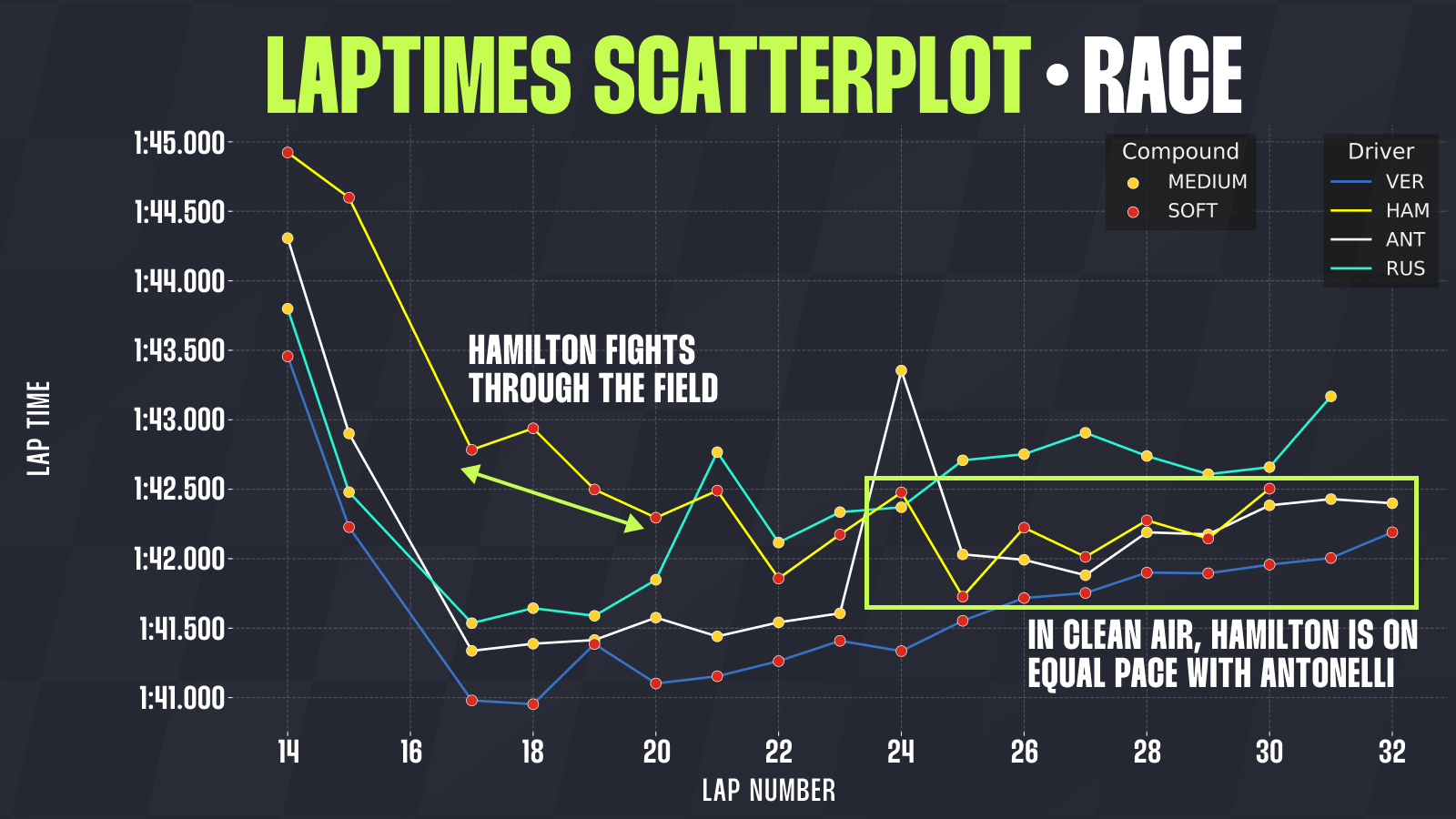
By lap 22, he had scythed his way forward ten positions to reach fifth behind Isack Hadjar, at which point he broke into clear air and picked up the pace even further.
Over the subsequent laps, Hamilton matched the pace of Antonelli, who was running on medium tyres nine laps fresher, and trailed Verstappen’s pace by only a fraction, as illustrated in the graph below.
Hamilton was firmly back in contention.
The primary reason the soft compound proved so durable and quick stems from a dramatic drop in track temperature, which hovered around 34°C during the race compared to nearly double that during qualifying.
Consequently, the long-run simulations conducted by teams in free practice were essentially rendered redundant by the vastly altered track conditions.
As we also saw on several occasions during the race, teams actively prioritised used soft tyres over fresh medium or hard compounds for precisely this reason.
Having not pitted previously, Hamilton was obligated to switch compounds, and on lap 32, he ducked into the pits, rejoining on fresh medium tyres.
On the very same lap, Hadjar opted for a fresh set of softs.
After their stops, the gap between the pair sat below one second.
Hamilton was in overtake mode, but his pace on the medium compound proved noticeably sluggish.
Stuck behind Hadjar, his stint dynamics shifted, as shown in the graph below; rather than lap times improving as fuel burned off, his pace steadily degraded.
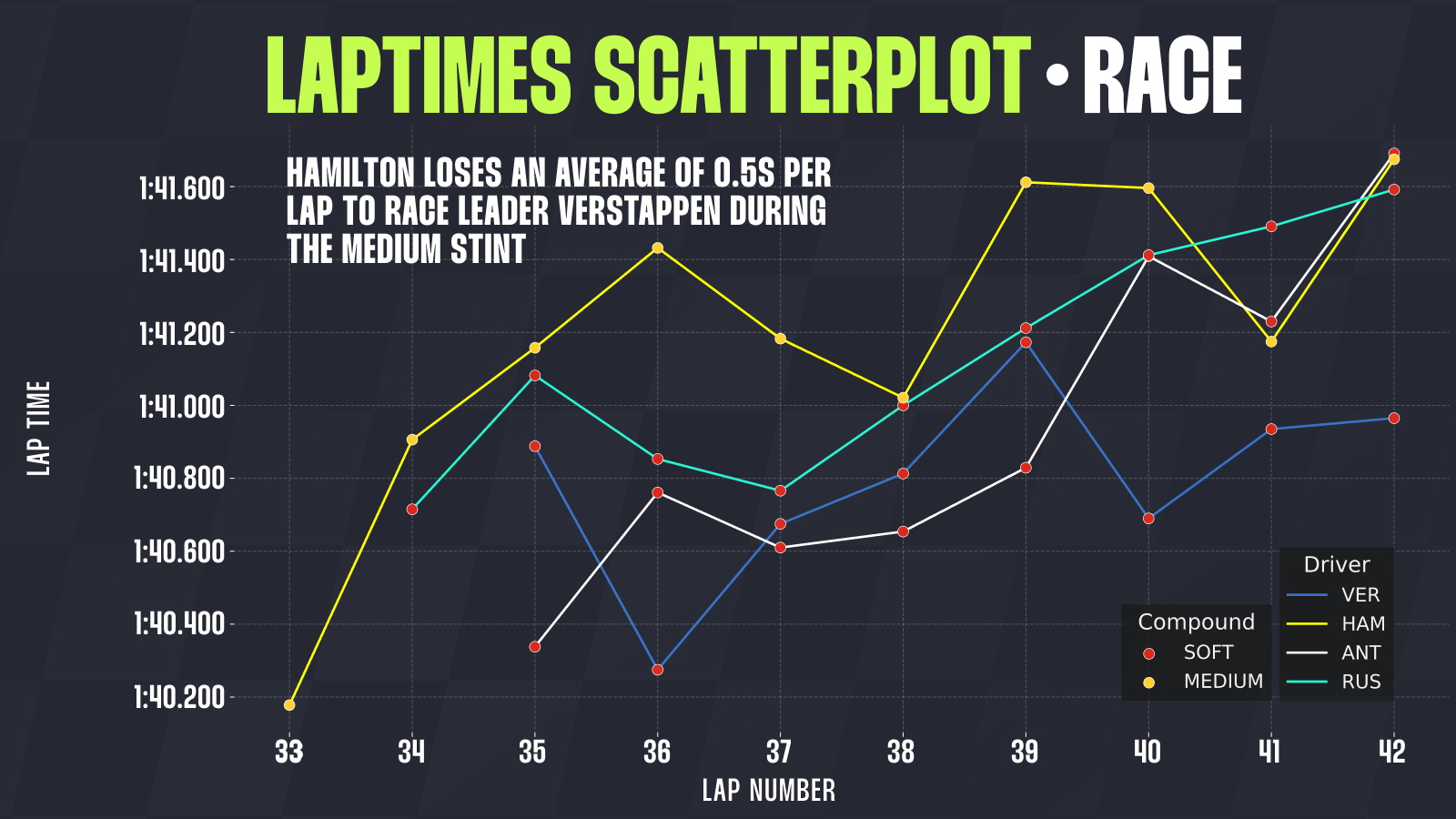
Throughout his stint on mediums, Hamilton trailed race leader Verstappen by roughly half a second per lap on average.
Had he maintained his early-race pace and dispatched Hadjar sooner, Hamilton would have been well-positioned to challenge Russell on track, who was also struggling to match the pace of Verstappen and Antonelli.
Following a second Safety Car deployment, which offered the field another low-cost pit stop opportunity, the seven-time World Champion switched back to the red-marked soft compound rubber, and his pace immediately surged.
He dispatched Hadjar with relative ease, while an eventual DNF for Russell deprived spectators of a potential on-track duel between the two for the final podium spot.
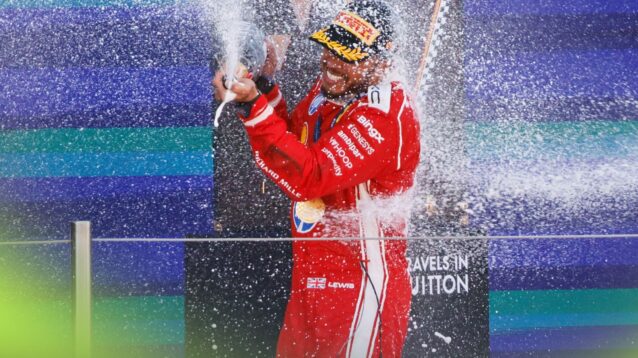
Consequently, Hamilton without needing to fight, sealed another podium finish for Scuderia Ferrari.
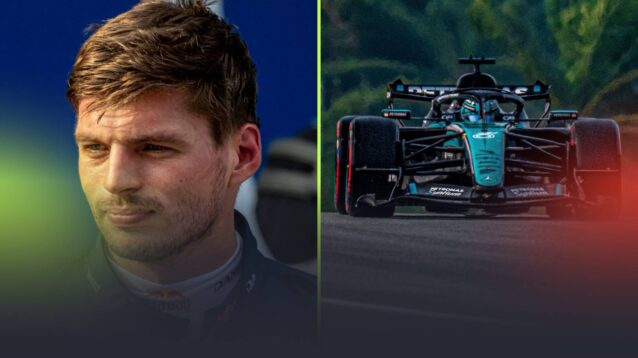
It is no coincidence that chaotic conditions like these allow drivers of the calibre of Hamilton, Verstappen, and Fernando Alonso (who finished eighth) to shine.
Rain and low track temperatures at a “real racing track” like Sepang strip away baseline grip and tyre management variables, elevating driver talent.
Want to be the first to know exclusive information from the F1 paddock? Join our broadcast channel on WhatsApp to get the scoop on the latest developments from our team of accredited journalists.
You can also subscribe to the PlanetF1 YouTube channel for exclusive features, hear from our paddock journalists with stories from the heart of Formula 1 and much more!
Read Next: FIA launches review after Bahrain Grand Prix power unit chaos