

Bernie Collins questions FIA compression ratio test as engine temperature gap emerges


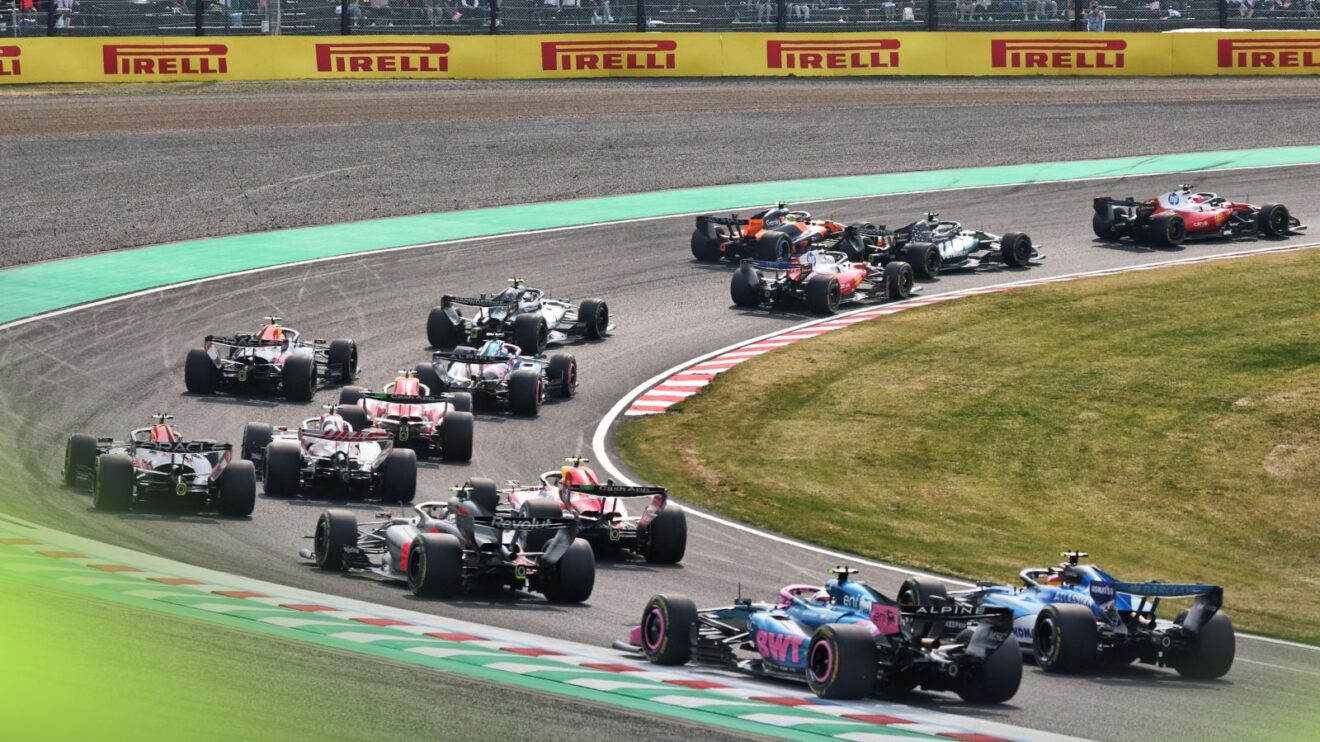
The 2026 Japanese Grand Prix gets underway
Bernie Collins, the former McLaren and Aston Martin figure turned Sky F1 pundit, highlighted a discrepancy between the upcoming hot compression ratio test, and actual engine temperatures.
The new ‘hot’ engine compression ratio test comes into force from June 1, from which point a measurement will be taken at 130 degrees Celsius. Yet, Collins pointed out that F1 engines reach more like the 350-400 range, highlighting a potential disconnect between the test and actual engine conditions.
Bernie Collins highlights FIA compression test temperature gap
Want more PlanetF1.com coverage? Add us as a preferred source on Google to your favourites list for news you can trust.
Engine compression ratios became a major talking point ahead of F1 2026. Mercedes found itself as the team being pointed at.
The Silver Arrows, it was alleged, found a way to satisfy the existing 16:1 ambient test, but increase its compression ratio when the engine was running hot.
The mooted performance benefit ranged between negligible, to several tenths of a second per lap, depending on the source.
Mercedes has made a dominant start to F1 2026, locking out the front row at each round – Melbourne, Shanghai and Suzuka – as well as winning all races, even if Ferrari, and more recently McLaren, have applied pressure.
How the competitive order may be influenced by the FIA’s upcoming ‘hot’ compression ratio test, remains to be seen.
The test is due to take place at a temperature of 130°C, but Collins, the ex-McLaren senior performance engineer and former Aston Martin strategy chief, says an F1 engine will run at closer to 400°C.
Appearing on Sky’s ‘The F1 Show’ podcast, Collins said of the compression ratio saga: “The first thing to say is this isn’t new in F1, and this is one of the things I love about engineering and innovation in F1. Everyone reads the rule books, and they think, what do the rules say, and more importantly, what do they not say, and how can I pass the test.
“The scrutineering is done with certain tests. Same with the rear wing. We had it last year with rear wings, where we changed the test midway through the year, put an extra load in the rear wings to stop the flexing. Compression ratio is the same.
“So compression ratio with the engine, you take some air and fuel together, you compress it, that’s what gives you your bang out of the engine. The more you compress it, the bigger the bang. That’s pretty simple.
“The belief is that Mercedes are compressing it more.
“The original measure was to do it cold, and then when it gets hot, they find a method of compressing it slightly more. These engines run very, very hot.
“So we’re bringing in a test that tests how much they compress at 150 degrees [sic]. But I’d estimate the engines are something like 350, 400 degrees. So it’s a big, big difference.
More on F1 2026 from PlanetF1.com
FIA closes compression ratio loophole with F1 2026 rule change
PF1 verdict: What has been the biggest surprise of the F1 2026 season so far?
“We don’t know what difference the test is going to make. Mercedes have come out several times and said it’s not going to affect them.
“A bit like we had the rear wing changes, we don’t know how it’s going to affect any team.”
Mercedes leads the early F1 2026 Constructors’ standings, 45 points clear of Ferrari.
Kimi Antonelli leads the Drivers’ Championship by nine points from Mercedes teammate George Russell.
Want to be the first to know exclusive information from the F1 paddock? Join our broadcast channel on WhatsApp to get the scoop on the latest developments from our team of accredited journalists.
You can also subscribe to the PlanetF1 YouTube channel for exclusive features, hear from our paddock journalists with stories from the heart of Formula 1 and much more!
Read next: Martin Brundle confirms reduced Sky F1 schedule for F1 2026 season