
Suzuka 130R and Esses set for slower speeds under F1 2026 rules


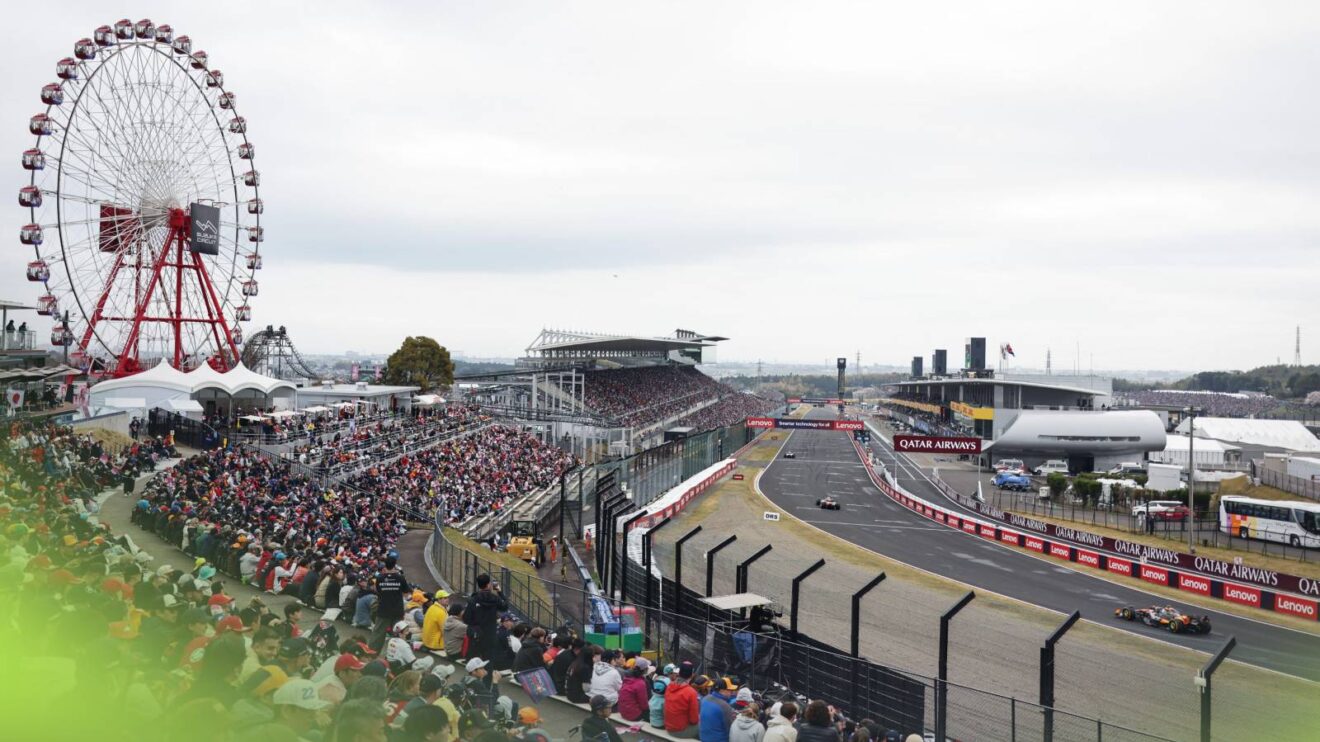
Several of Suzuka's high-speed corners are set for slower speeds in F1 2026.
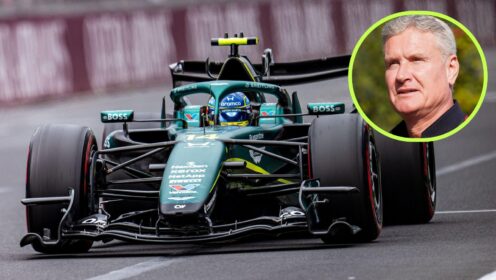
The first sector, as well as the fearsome 130R corner at Suzuka, will see lower cornering speeds this year as a consequence of the new regulations.
The high-speed Suzuka circuit will require drivers to pay more attention to energy harvesting, and is likely to see lower cornering speeds through one of F1’s most notorious corners.
Suzuka 130R and Esses slower under 2026 regulations
Want more PlanetF1.com coverage? Add us as a preferred source on Google to your favourites list for news you can trust.
With the all-new F1 regulations for 2026 demanding the drivers alter their approach to a lap in order to maximise energy harvesting for optimal deployment locations, the high-speed sweeps of Suzuka are likely to be taken at lower speeds this year.
With the new 50/50 split between the internal combustion engine and the electrical energy deployment of the new power units, drivers have to engage in unusual techniques such as downshifting at high speeds, copious amounts of lift-and-coast, and slower cornering speeds in order to ensure energy is available for the next straight.
As one of F1’s faster venues, the Japanese Grand Prix at Suzuka consists of fast and flowing corners, with hard braking only needed for the second Degner, the hairpin, and the Casio Triangle chicane.
After the full extent of just how faster circuits will require the drivers to prioritise harvesting over corner speeds became evident at the season opener in Australia, the Chinese Grand Prix in Shanghai proved less extreme as the circuit layout allowed for more natural harvesting.
But, according to Alpine’s Dave Greenwood, slower speeds await around most of the Suzuka lap when the drivers take to the track this weekend.
“With reduced downforce on the cars, we’ll definitely see lower apex speeds in the opening sequence of corners — the Esses from Turn 3 to 7 — and drivers will take them in a lower gear,” he said in Alpine’s pre-event notes.
“By the start of the second sector, from the first Degner to the hairpin, the cars should be in a much more similar performance window to last year.”
Through the medium to high-speed Spoon corner, Greenwood anticipates differing approaches from the drivers as they set up for the long uphill straight towards 130R.
“The effect of less downforce will be keenly felt around Spoon,” he said.
“Drivers will be grip-limited for longer there, which will make it more challenging. I think we’ll see more variation in the lines taken, and it’s critical because of the exit you need onto the next straight.”
130R is a high-speed left-hander that has traditionally seen drivers on the very limits of their machines, taken flat-out in the high-downforce cars of the modern era. For those lacking in downforce, the corner is one to consider a confidence lift for stability, which is possible again this year with the reduced downforce of the F1 2026 cars.
But, aside from the downforce consideration, the need to harvest means it’s unlikely to be taken flat this year.
“I think we’ll see some variation in speeds through 130R across the teams, as you won’t want to waste energy if you’re scrubbing speed laterally on the tyres,” he said.
“I think we’ll see cars harvesting before they reach the Turn 16 chicane. I think we’ll also be much quicker than in previous years out of the hairpin and on the exit of Spoon.”
Suzuka, he explained, is “not too bad” for energy recovery, although the long straights mean it’s quite likely the drivers will end up superclipping for the latter metres of each section.
Added to that are the different characteristics of the layout, which Greenwood believes won’t be conducive to the back-and-forth overtaking that happened in China.
“It’s difficult to say, but with the Overtake detection point going into the last corner, you’ll get the Overtake boost on the Start/Finish straight,” he said.
“Although it’s not as powerful as DRS, it’s still effective. If you make a pass before Turn 1, it’ll be difficult for someone to repass because you’re into the Esses and not on another straight.”
There will be two straight mode sections at Suzuka, the FIA has confirmed, with the first being after Spoon and ending just before 130R, with the second behind along the start/finish straight.
More on the new F1 2026 regulations
Explained: How F1’s new ‘overtaking mode’ will work in 2026
What is ADUO? The FIA lifeline that could rescue Honda
Greenwood’s comments back up what some drivers have highlighted as a consequence of the new regulations, where the bravery of the person behind the steering wheel is longer imperative for outright laptime.
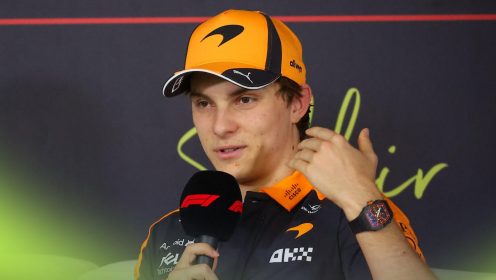
“There’s still a challenge in those kind of corners, but it’s just a very different kind of challenge,” McLaren’s Oscar Piastri said of corners such as 130R.
“It’s not quite as simple as just who’s the bravest and who’s willing to carry the most speed, because in qualifying last week, I got braver and braver through qualifying, and it made me slower and slower down the straights.”
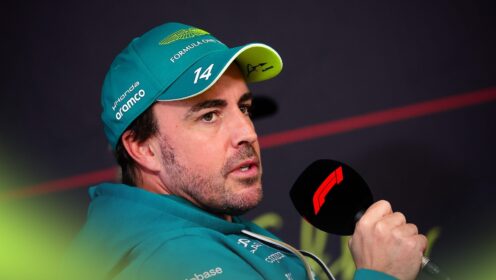
Fernando Alonso said the same, saying that the new regulations have taken away some of the challenge facing the drivers in Formula 1.
“Everyone will have their own opinion because it is a different challenge,” he said.
“We used to fight for our life in Turn 12 in Bahrain, Turn 9 and 10, Turn 11 in Melbourne, sorry, Sector 1 in Suzuka, 130R, Turn 7, Turn 8 here in China.
“There were always certain corners that in Formula 1 were challenging the limits of the physics going through those corners, and the driver had to use all the skills and be brave in some of the moments as well.
“When you put new tyres and you go through the corner at the speed that you’ve never been before in any of the free practices, that challenge is gone in a way.
“You use those corners to charge the battery, not anymore to make the lap time.
“So, it is a different challenge, what you face now behind the wheel.
“Still fun? Yes, we love racing. Is it the future? We don’t know. Then the next set of regulations or the next turn that the automotive industry will take, also if Formula 1 has to follow or not.
“But yeah, it is a different challenge and because I grew up on the other one and I was challenging myself in the corners, I probably prefer the other one. But I was super lucky to race in that era and I still feel lucky that I race now, so I like both.”
Want to be the first to know exclusive information from the F1 paddock? Join our broadcast channel on WhatsApp to get the scoop on the latest developments from our team of accredited journalists.
You can also subscribe to the PlanetF1 YouTube channel for exclusive features, hear from our paddock journalists with stories from the heart of Formula 1 and much more!
Read Next: Kimi Antonelli eyes Max Verstappen endurance link-up after Nurburgring praise