
FIA issue statement after medical incident at Austrian GP


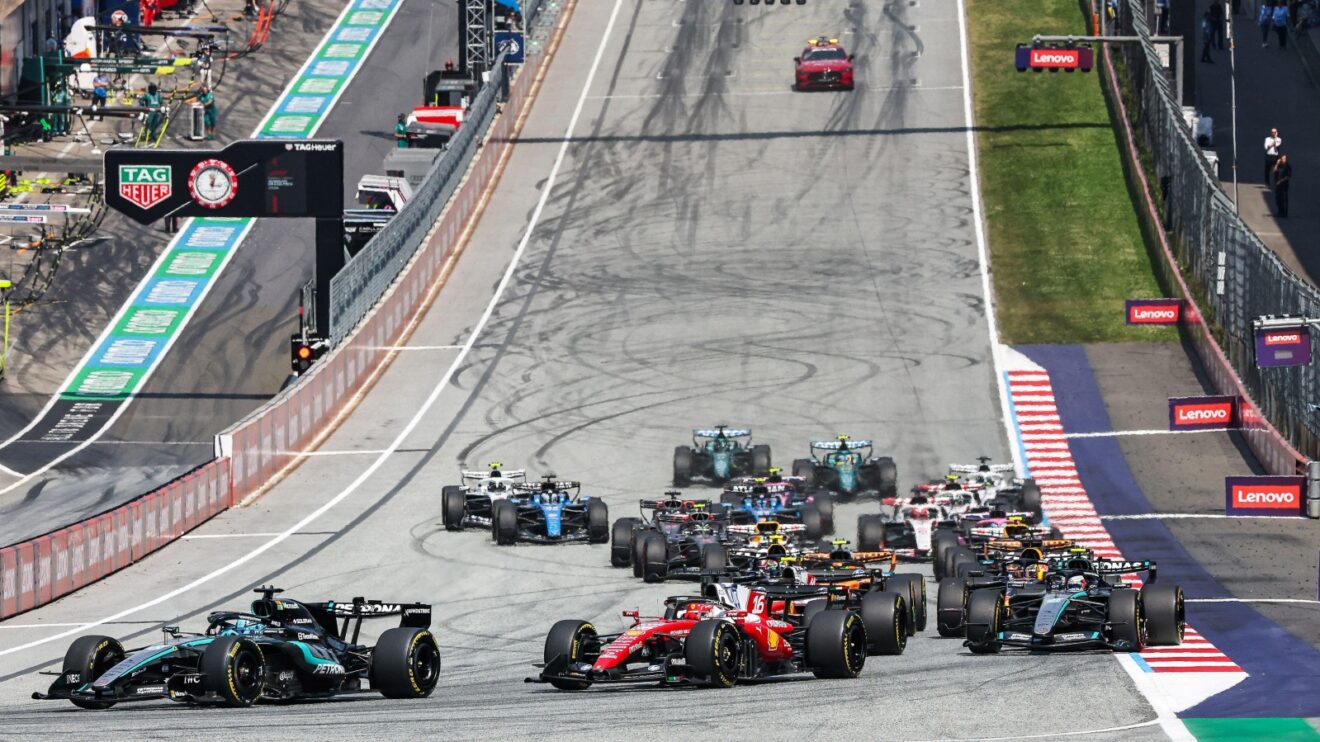
A heat hazard was declared with temperatures above 31C
A marshal suffered a heart emergency during the Austrian Grand Prix and had to be airlifted to hospital, the FIA has revealed.
Unusually warm weather throughout Europe caused the race in Spielberg to be determined a heat hazard as temperatures reached above 31C.
Austrian GP marshal taken to hospital with heart emergency
The FIA said on social media that a marshal, Harald, suffered the emergency before Sunday’s race and was airlifted to nearby hospital where he received medical treatment.
The sport’s governing body sent its best wishes to Harald, wishing him a full and speedy recovery, as well as thanking him for his dedication and commitment to the sport. Marshals are almost always unpaid volunteers at F1 races.
The FIA did not say what the cause of the incident was but fans, drivers and marshals were all subject to punishing heat with track temperatures exceeding 46C during the race weekend.
A heat hazard being declared means teams are required to fit a ‘driver cooling system’ which drivers wear a vest featuring tubes that flow with a cold fluid.
And while it is mandatory to install the parts needed for this system to work, it is up to the driver over whether they actually wear the vest.
Pre-race, Isack Hadjar said he was not a fan, suggesting it only kept you cool for 10 minutes.
“I really don’t like it because there’s just too many tubes, too many things happening in the cockpit and not very comfortable,” the Red Bull driver said. “It works really well though for like 10 minutes and then it’s warm again.
More from the Austrian GP weekend on PlanetF1.com
Austrian GP conclusions: Desperate Russell, Verstappen future, Newey’s Aston vision
Austrian GP 2026 driver ratings: Hamilton challenge fades as Verstappen ups the ante
“So, I’m okay. Honestly, I’ve never been to a point where I really needed that vest. If I need it, that means the car as well can’t handle it and we can’t drive. So, I think the car will give up before I do, in any case.”
Oscar Piastri was a bit more optimistic, suggesting his worked for longer than Hadjar’s.
“I used it a couple of times last year. I mean, there’s obviously the risk if it goes wrong and if it fails, then yeah, it’s worse than not wearing it. But I think if you get the system working well, then it can help a bit. It’s not a complete game changer but when I used it last year, it was okay.
“There are definitely some things that are not perfect with it, but at the end of the day it’s personal preference. We have to add the weight in the car anyway, so if you can get it to work and it cools you down a little bit, then sure.
Silverstone is expected to be back to more manageable temperatures with the heatwave not returning to the UK until the following week.
Read next: Lewis Hamilton request denied as Ferrari strategy stand-off emerges in Austria