
FIA’s Nikolas Tombazis responds to Max Verstappen criticism over 2026 cars
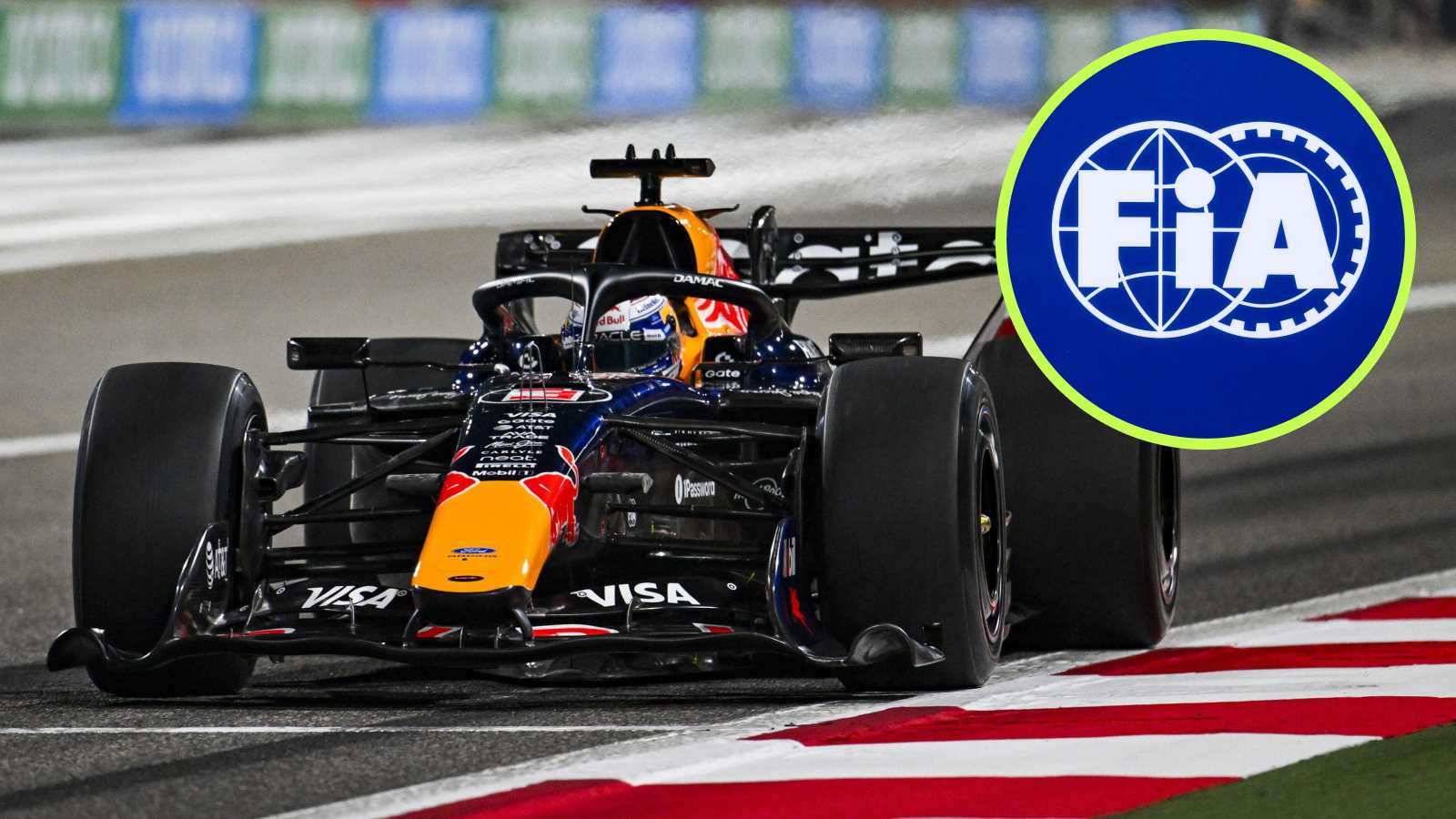
Max Verstappen has spoken critically about the new generation of F1 car, which has been addressed by Nikolas Tombazis.
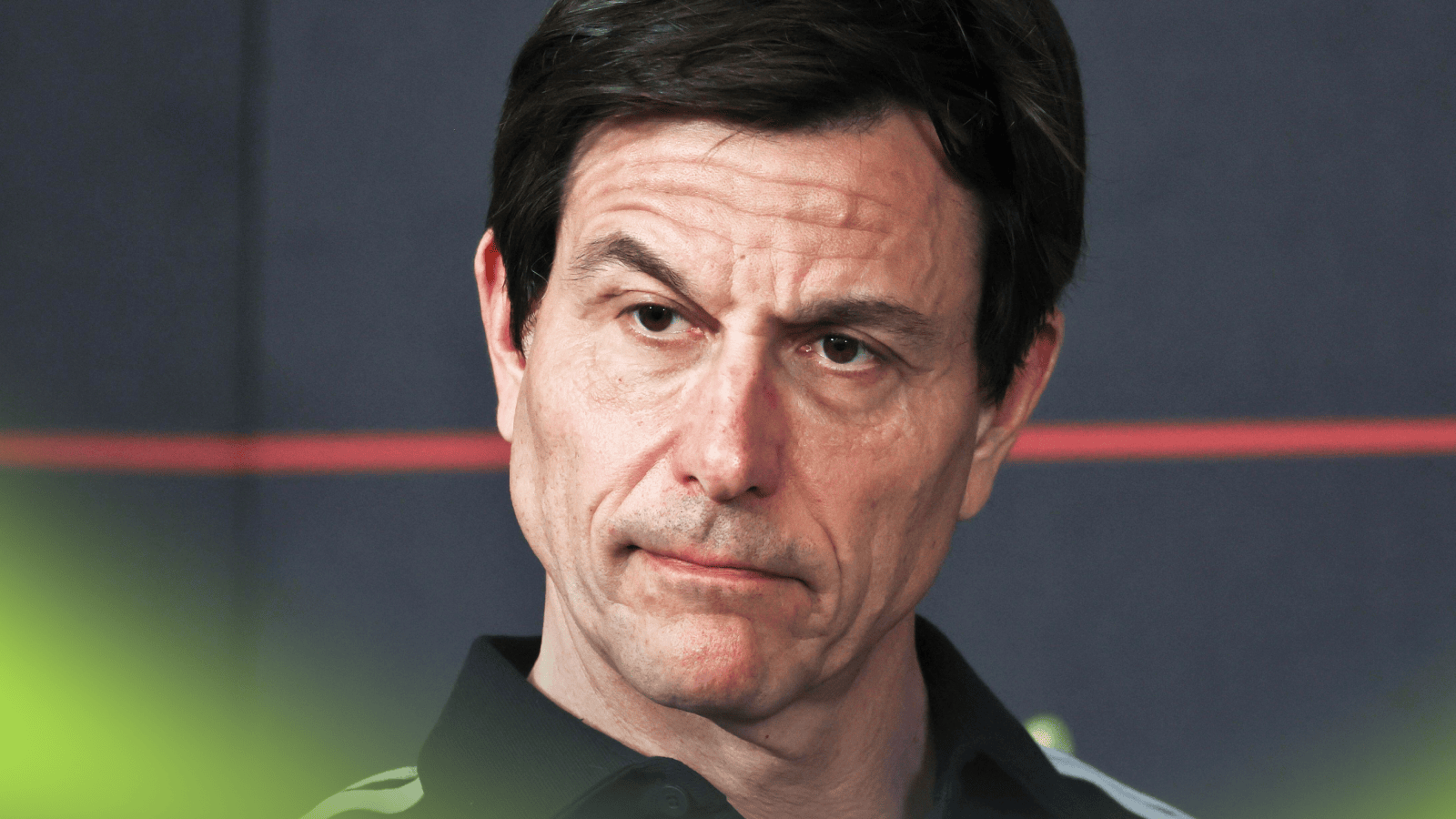
FIA single-seater director Nikolas Tombazis has responded to driver criticism surrounding the new Formula 1 era, and revealed the governing body may make small adjustments regarding energy deployment.
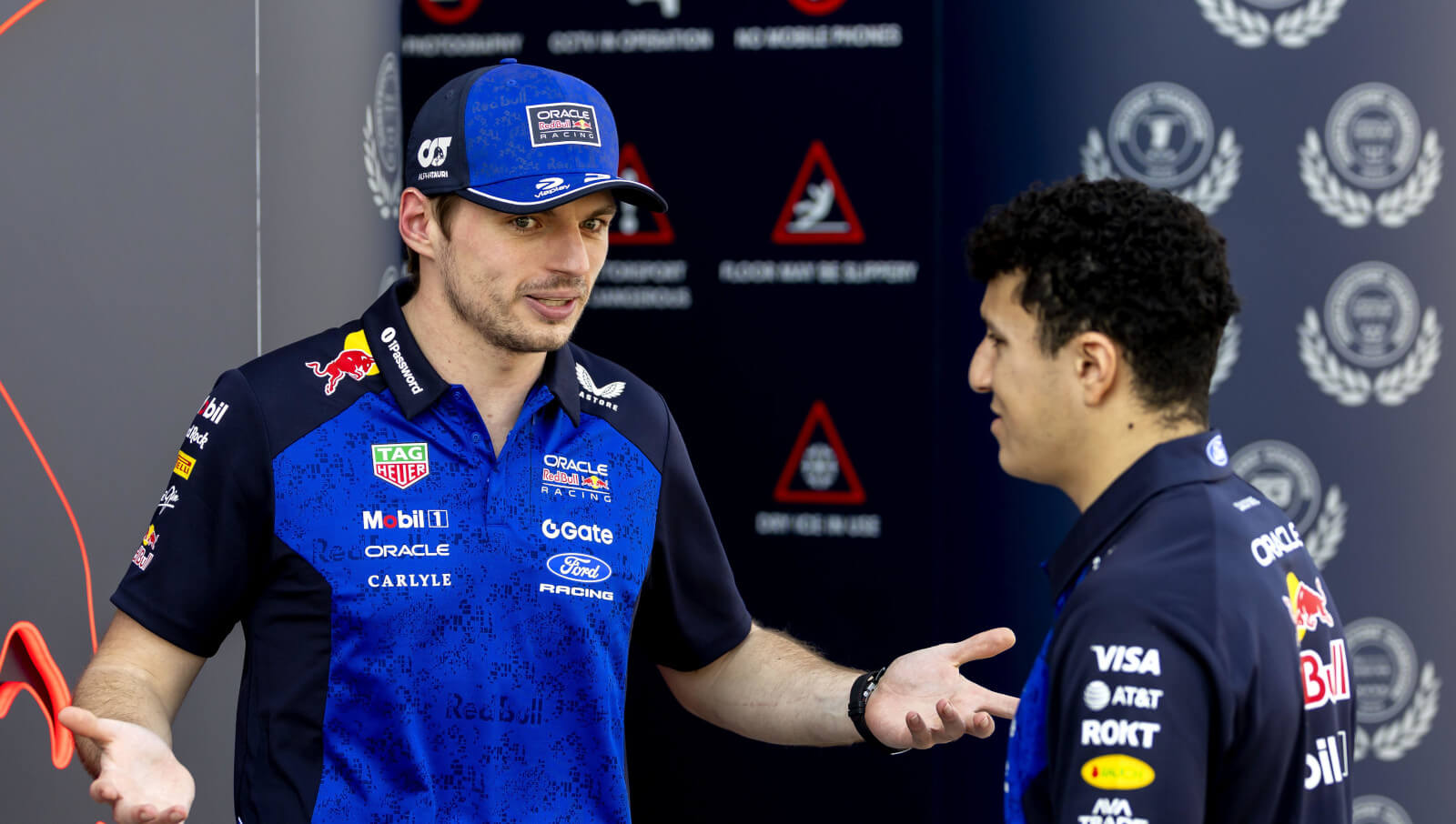
Max Verstappen in particular was vocal in what he does not like about the driving experience of the new machinery, likening it to “Formula E on steroids”, but Tombazis explained the sport’s governing body is open to making tweaks based on driver and team feedback.
Nikolas Tombazis addresses Max Verstappen concerns over 2026 regulations
Want more PlanetF1.com coverage? Add us as a preferred source on Google to your favourites list for news you can trust
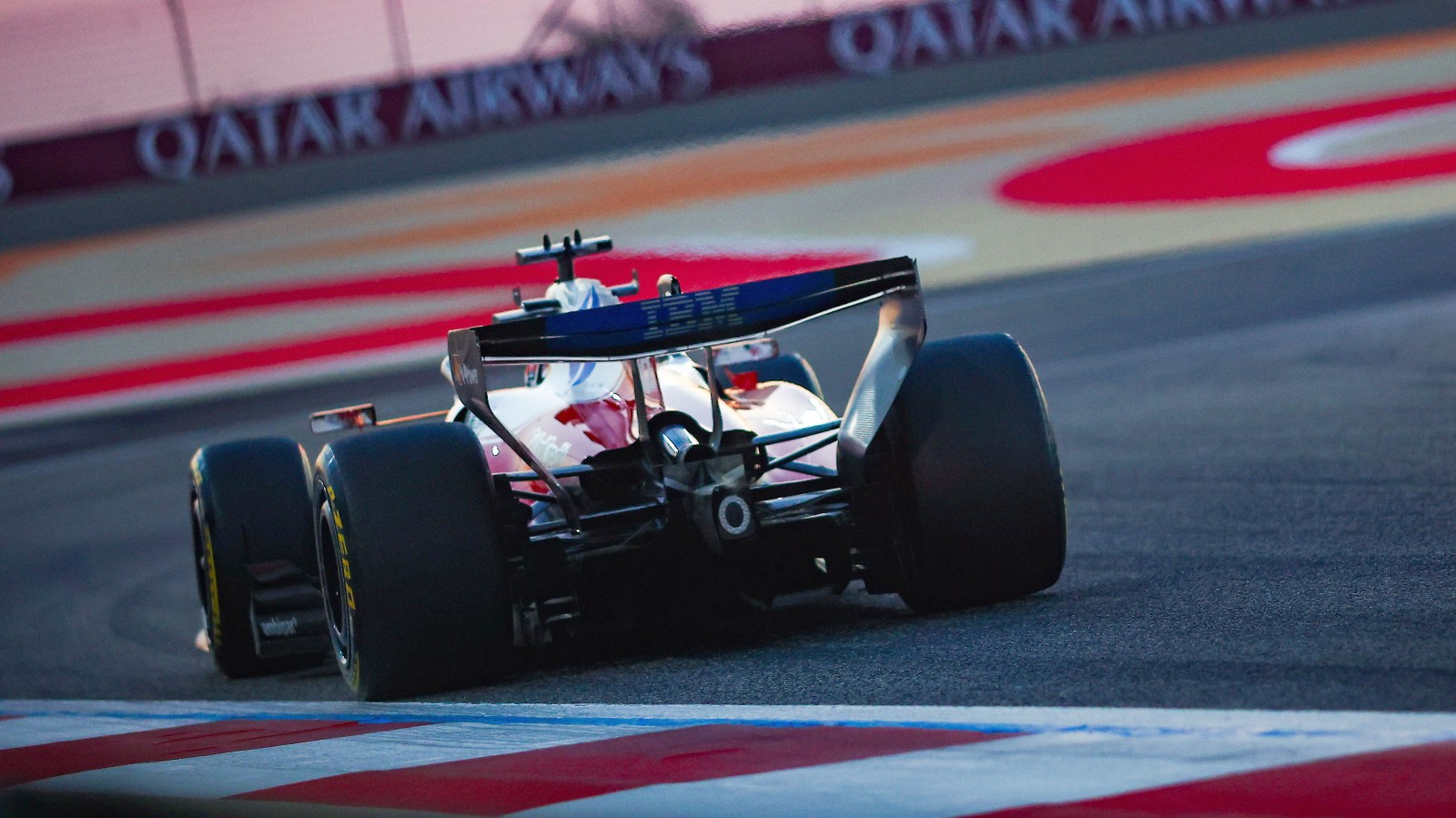
Formula 1 is moving to completely new chassis and power unit regulations this season, with a roughly 50/50 split between internal combustion and electrical power taking cars through race weekends as electrical energy generation has roughly trebled compared to last season.
That, in turn, has led to a widespread change in driving style, optimising battery usage to get the best lap time possible, while also recharging on the lap to deploy energy at the right moments.
Four-time world champion Verstappen was vocal in his critique of the cars, preferring to “get rid” of battery power altogether in favour of a “nice engine” of Formula 1 specification, allowing the all-electric series to compete in its own right without electrification in Formula 1.
The parameters of this regulation set were decided several years ago, which in turn lured the likes of Audi and General Motors to join the grid.
When presented with Verstappen’s comments around electrification, Tombazis reflected that the regulations are a part of a bigger picture surrounding Formula 1.
“Well, we need to, I think, always remember that the sport has a lot of stakeholders,” Tombazis explained to PlanetF1.com and other outlets in Bahrain. “The drivers, of course, are extremely important in that.
“They are the stars, but we have to also remember that this sport attracts big motor manufacturers like Mercedes, Audi, Ferrari and Cadillac.”
More about the F1 2026 regulations
Explained: F1’s complex power unit upgrade system from 2026 onwards
Explained: The 2026 engine regulations set to seriously shake up Formula 1
That said, however, the FIA is remaining open to tweaking how energy is deployed in the cars, with concerns having been raised for how racing will change at energy-hungry circuits such as Melbourne’s Albert Park, the Jeddah Corniche Circuit in Saudi Arabia and Monza – all high-speed layouts with limited opportunities to recharge the MGU-K on the go.
With these regulation changes arguably counting as the single biggest switch in Formula 1’s history, the FIA is continuing to respond to driver and team feedback in the wake of pre-season testing.
Having spoken with people up and down the paddock, Tombazis explained the feedback on the new machinery has improved considerably as the months have progressed, and while there may still be some final tweaks to come, the vast majority of the work to bring the regulations to a “reasonable place” has been achieved.
Should any adjustments be made, Tombazis confirmed the FIA would look to make tweaks surrounding how energy is deployed.
“The cars are new. In the period of last summer and last autumn, there were a lot of people driving simulators and expressing huge concerns,” Tombazis said.
“I think the comments in Barcelona and in Bahrain are certainly much better than people going in on the simulator, but there are some comments, like what Max said.
“I think they’re getting used to the new cars, but we are completely conscious that we may need to make adjustments, and that has been a discussion.
“We’ve been open with the teams and the PU manufacturers for a long, long time, and with the drivers, indeed.
“I think there are some ways that we can act as a sport to make adjustments in the rules. Clearly, they would also need approval through the governance process – and we can’t just say tomorrow ‘we’ll change this and change that’, there’s a process.
“We are taking the drivers’ comments into consideration. We are asking them a number of questions to give us feedback, and the teams and the PU manufacturers are being extremely constructive in this process.
“So, I don’t think we are exactly where we’re going to be in a few months from now, we may have to make some adjustments and, frankly, I don’t think the adjustments are huge, that we need to make.
“If you take the comments that were being made in November or last summer, I think we are way, way better, and we’ve addressed a lot of the concerns.
“Have we addressed every single concern? No, I think there are some topics that are still open. Clearly, drivers are used to extracting the maximum performance and driving a certain way, and they have to adapt, and until we solve these issues, it is correct that they give this feedback.
“Sometimes that may sound as complaining…it’s not. It’s part of the game. Of course, it is very easy to say, ‘yes, if the internal combustion was much bigger, the ERS was much smaller, there would be fewer of these problems.’ That is true.
“We’ve known that the 50/50 power solution has challenges right from 2022. It’s not new or a surprise.
“We’ve done a huge amount of work to work on how this energy is deployed, and I think we’ve done, in my view, 90% of the work to get to a reasonable place. There may be some adjustments now, as we’ve learned about the cars, and we are fully open to do that.”
Want to be the first to know exclusive information from the F1 paddock? Join our broadcast channel on WhatsApp to get the scoop on the latest developments from our team of accredited journalists.
You can also subscribe to the PlanetF1 YouTube channel for exclusive features, hear from our paddock journalists with stories from the heart of Formula 1 and much more!
Read next: Alex Albon says ‘a lot’ of lap time still untapped in 2026 cars