
Max Verstappen’s inspired solution to force F1 2026 rule changes


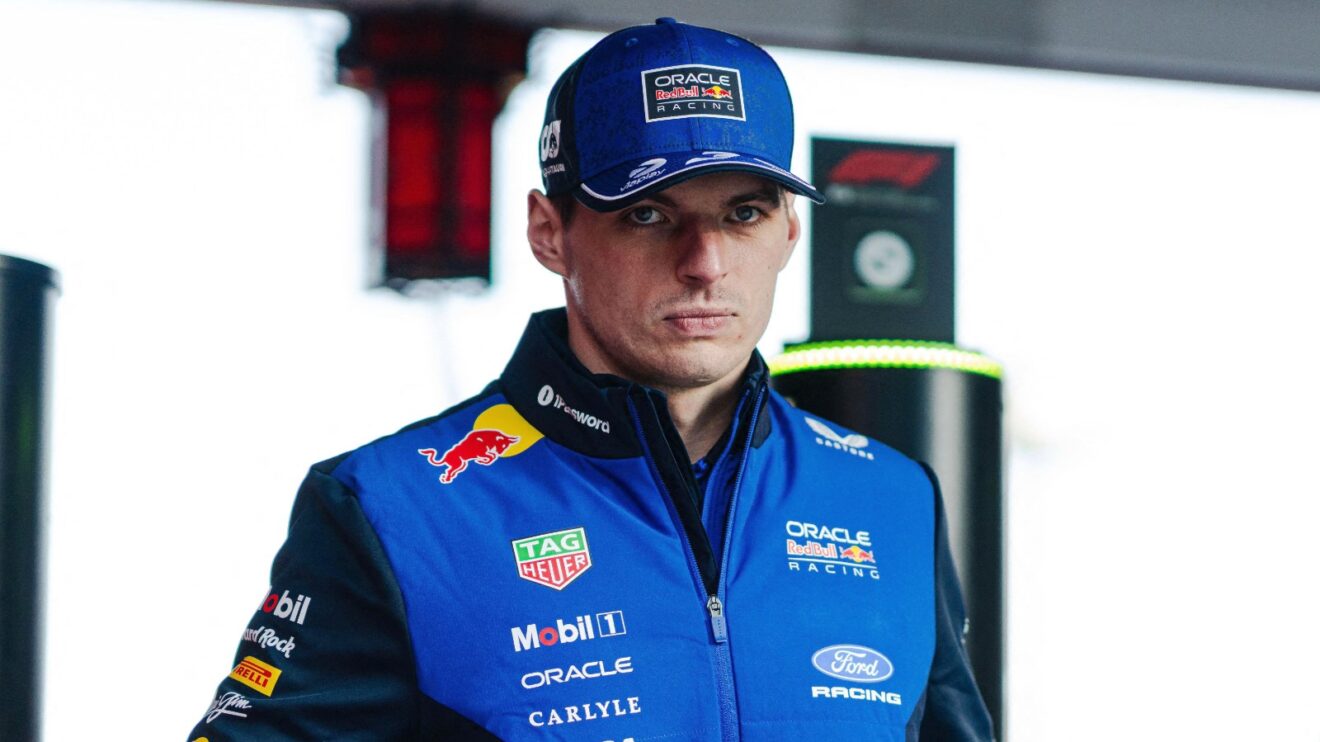
Max Verstappen was only the eighth fastest in Shanghai.
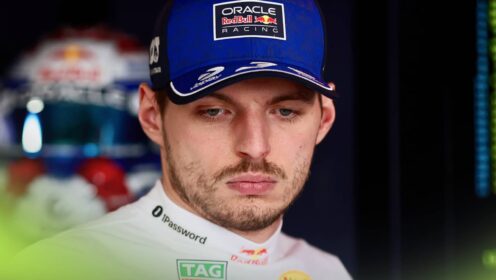
Max Verstappen has come up with an inspired way for the FIA to force through changes to the engine regulations; ‘use the word safety for it’.
Aside from not enjoying this year’s Formula 1 regulations with the battery harvesting and super clipping engines, the big crash that the drivers warned of materialised at the Japanese Grand Prix, round three.
Max Verstappen calls for safety-led FIA rule changes
Want more PlanetF1.com coverage? Add us as a preferred source on Google to your favourites list for news you can trust
Oliver Bearman narrowly avoided rear-ending Franco Colapinto at 308 kph midway through the Suzuka race when he was caught unaware by his closing speed to the Alpine into the Spoon Curve.
Going about 50kph faster than Colapinto near the end of the straight, Bearman dived to the left but lost control of his Haas on the grass. He shot across the bow of Colapinto’s Alpine, speeding across the track and went hard into the barrier with a 50G impact.
Although not accusing Colapinto of blocking him, Bearman felt he “wasn’t really given much space, given the huge excess speed that I was carrying.”
The FIA will meet Formula 1 on 9 April to discuss the incident and look at ways to improve the regulations to avoid an even worse crash in the future.
According to Verstappen, there’s one path motorsport’s governing body can take that will force the situation – safety.
Asked about the incident, the driver admitted that these days any move, never mind just those under braking, could have dire consequences given the extreme closing speeds.
More on Oliver Bearman’s Japanese GP crash
F1 ‘mushroom boost’ fears realised as Oliver Bearman suffers 50G Suzuka crash
F1 cannot ignore warning signs after Oliver Bearman crash exposes 2026 flaws
“It can be very dangerous. It looks like, whatever, moving under braking or moving, but it also happens when you have a quick acceleration. You can have a big crash,” he said.
Asked if that meant more than just qualifying needed to be tweaked, also the racing, he replied: “For me it’s all the same.
“In qualifying, you don’t want to have this kind of lifting style, and there are a lot of other rules.
“It’s not only about lifting – there are also many other rules where you can’t go flat, you have to lift or not, like being close to flat and then putting in a lift. It’s all so confusing, and that’s not how it should be.
“In qualifying, to go faster, you basically need to go slower. It’s just not how it should be.”
But even if the FIA agrees with the four-time world champion, that powers-that-be face a tough task forcing mid-season changes as they need the teams to agree. And in a world of self-interest and politics, that is easier said than done.
Verstappen has a solution for that.
“If it’s all about safety, it’s easy to fix things,” he said. “You can use safety for a lot of stuff. So maybe we should use the word safety for it.”
The FIA’s guidelines state that it can force Formula 1 in the name of safety as that is paramount.
Changes to circuit layouts, deciding the number of SLM [Straight Line Mode sections] and even saying when a car has to retire where it is deemed to be too damaged to continue.
Back in 1994, the FIA even cut holes in the airbox to reduce the power.
The drivers, though, aren’t holding their breaths for the 9 April meeting.
Lewis Hamilton said they “don’t any power – no power, we are not on the committee; we have no voting rights” while Carlos Sainz they are not being listened to.
“That’s the problem when you listen only to the teams, that they will think the racing is OK because maybe they’re having fun watching it on the TV,” he said.
“But from a driver standpoint, when you are racing each other, and you realise that there can be 50km/h speed delta, that’s actually not racing.
“There’s no category in the world where you have this kind of closing speeds because that’s when big accidents can happen because it catches you by surprise, you defend late, it catches you or the car [behind].
“Anyway, I really hope they listen to us, and they focus on the feedback we’ve given them, rather than only listening to the teams.
“[I hope] they come up with a plan for Miami that improves the situation, and a plan also for the medium-term future of these regulations to keep improving it.
“Even if you cannot improve everything for Miami, do another good step in Miami and then a big step for, I don’t know if it’s next year or later in the season.”
Want to be the first to know exclusive information from the F1 paddock? Join our broadcast channel on WhatsApp to get the scoop on the latest developments from our team of accredited journalists.
Read next: Kimi Antonelli leads winners and losers as Japanese Grand Prix shifts momentum