
Hulkenberg: If you don’t like it, you don’t have to watch


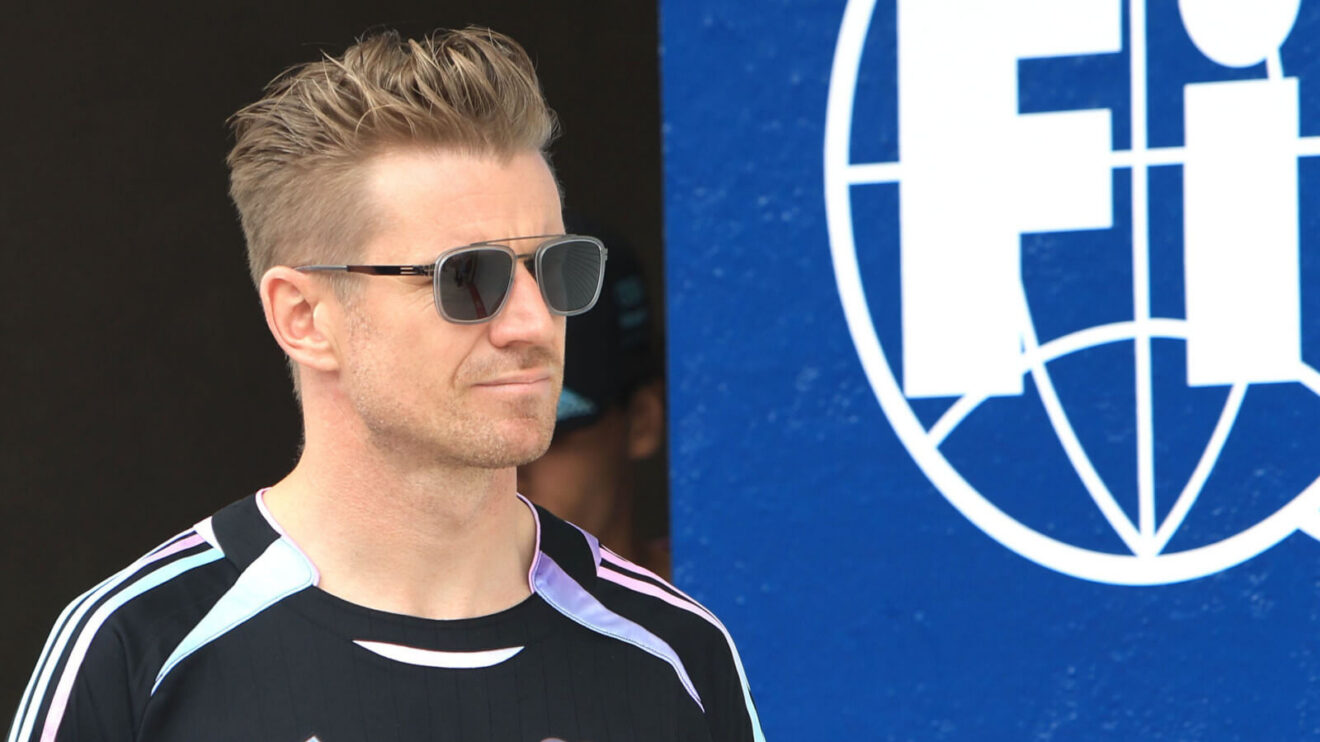
Nico Hulkenberg: If you don't like it, you don't have to watch
Nico Hulkenberg has hit back at criticism of Formula 1’s controversial 2026 engine rules, telling unhappy fans: “If you don’t like it, you don’t have to watch.”
Formula 1’s new regulatory set, which was introduced this season, has been heavily criticised by both the drivers and the fans.
Nico Hulkenberg defends controversial F1 engine rules
Want more PlanetF1.com coverage? Add us as a preferred source on Google to your favourites list for news you can trust
The new engine formula has moved towards more electrical power, with a near 50/50 split between the battery and the combustion engine.
It has meant the drivers can no longer push flat-out through a full lap, even in qualifying, which has removed a lot of the thrill for the drivers and those watching.
Battery harvesting and super clipping have become the norm as the drivers recharge at the end of the straights or through the corners.
Although the FIA did implement energy management tweaks ahead of the Miami Grand Prix, it didn’t have a huge effect given the circuit was already an energy-rich layout. Canada will be the first big test.
But while Formula 1 has also taken steps to alter some of the engine’s hardware for next season to adjust to a 55/45 split in the internal combustion engine’s favour, fans are still not happy with the amount of electrical power in play.
For Hulkenberg, though, the new engine formula is about Formula 1 leading the way forward in technology. He’s also enjoyed the racing that it has produced with numerous passes, even back-and-forth battles for the lead.
“To be honest, it’s always been like that in F1, hasn’t it?” he told The Drive.
“F1 is about leading in technology, and you have to go with the times. If you look at the automotive industry five years ago, 10 years ago, it’s different now; it has changed.
“I think when you look at the racing now, the first races we’ve had [in 2026], it’s been entertaining. It’s been good to watch with plenty of on-track action.
“And I mean, if you don’t like it, you don’t have to watch.”
The German contested his first season in Formula 1 back in 2010 with Williams, with the cars powered by 2.4-litre V8 engines.
Formula 1 switched to 1.6-litre V6s in 2014, and also introduced hybrid power units as the power unit manufacturers called for real-world relevance.
This year’s engine formula is another step in that direction, with the engines powered by a near 50/50 split between combustion and electrical power while also be run on fully sustainable E-fuel.
“F1 is evolving all the time,” Hulkenberg continued, “Obviously, you have these purists that love the old school and the sound of a naturally aspirated V10 and V12 — including myself – but the reality is that it doesn’t work like that.
“A few years ago, sustainability was a huge topic, now less so.
“But, you know, I kind of feel like F1 and its rule makers were pushed a little bit in that direction to stay with current times. If you want to stay up to date and be a legit business and entertainment model, you have to go down that road.”
However, V8 engines could yet make a comeback in 2030 or 2031, when the next engine era comes into effect.
More from PlanetF1.com on a potential return to V8 engines
V8 engines will return to Formula 1 by 2030 declares FIA president
Toto Wolff warns F1 must not abandon electrification amid V8 talks
FIA president Mohammed Ben Sulayem vowed to bring back the V8s, declaring: “It’s coming.”
He added that he’s “targeting 2030 – one year before the maturity [of the regulations]” and that the power units will have “very minimal [electric] power.”
But while Mercedes team principal Toto Wolff says his team is “open” to V8 engines returning, they have to include electrical power.
“How do we make it?” he told PlanetF1.com and other media outlets. “How do we give it enough energy from the battery side to not lose connection to the real world? Because if we swing 100 per cent combustion, we might be looking a bit ridiculous in 2030 or 2031. So we need to consider that, make it simpler, and make it a mega-engine.
“Maybe we can extract 800 horsepower off the ICE and put 400 on top of it, or more in terms of electric energy, we’re absolutely up for it.
“We don’t have it easy, but if it’s well planned and executed, we Mercedes, count us in to come back with a real, real racing engine.”
Want to be the first to know exclusive information from the F1 paddock? Join our broadcast channel on WhatsApp to get the scoop on the latest developments from our team of accredited journalists.
You can also subscribe to the PlanetF1 YouTube channel for exclusive features, hear from our paddock journalists with stories from the heart of Formula 1 and much more!
Read next: F1 Revisited: Niki Lauda’s 1976 Nürburgring crash and dance with death