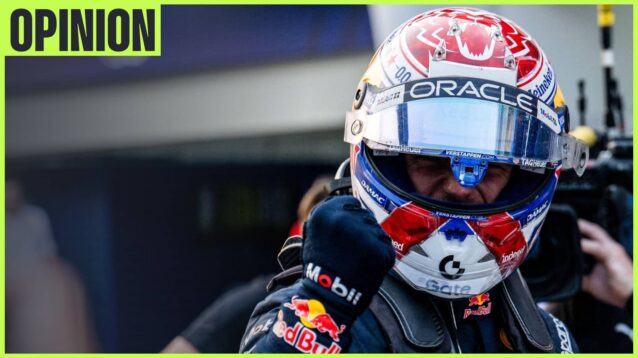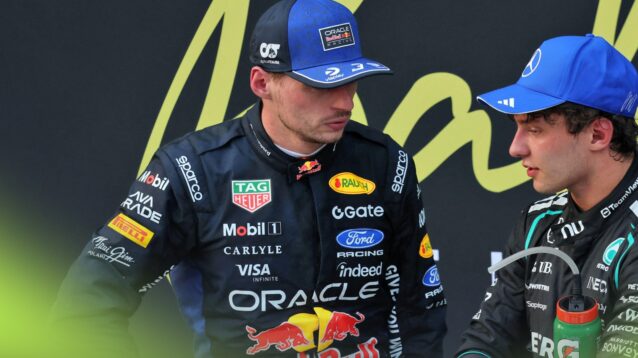

Kimi Antonelli avoided a major mistake against Max Verstappen at Malaysia GP


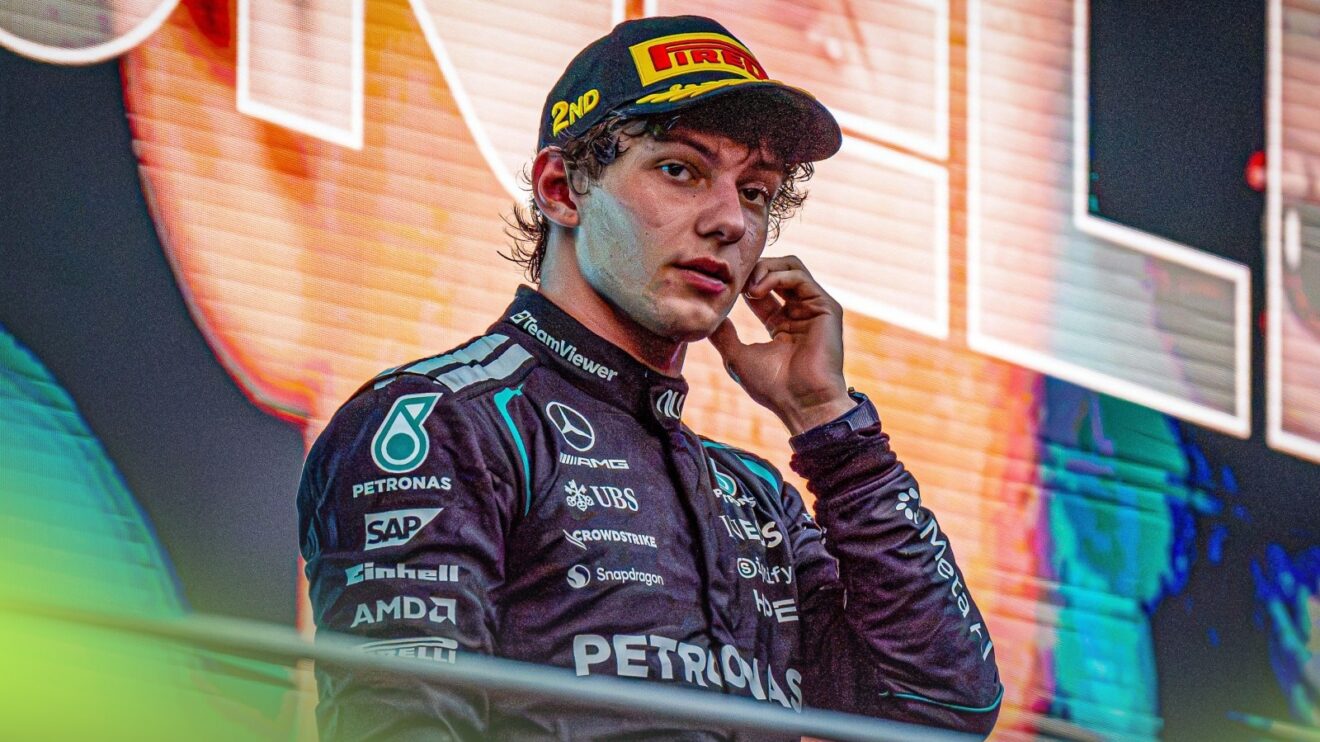
Antonelli finished second in Malaysia, but could it have been more?
Max Verstappen was the driver of the weekend, yet the question remains: could Kimi have done anything differently, particularly during the second safety car phase, to snatch an advantage?
The telemetry provides a clear answer to this question.
Should Kimi Have Stayed Out During the Second Safety Car in Malaysia?
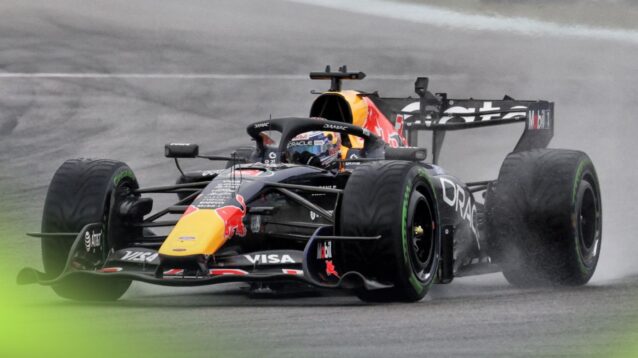
Fluctuating weather conditions and a chaotic race start immediately filtered out potential candidates for the race win in Malaysia, extinguishing the hopes of anyone who started on dry tyres. Among them was Lewis Hamilton, who had lined up second to Verstappen on the grid.
In the melee, Antonelli and George Russell leapt to the front, with the pair providing the main challenge to Red Bull’s four-time champion.
The Safety Car deployment on lap nine deprived spectators of a strategic chess match that would have tested which team and driver accurately judged the crossover point to slick tyres. This intervention allowed every driver the chance to switch to slick tyres without dropping positions, but it also allowed those who had gambled on slicks at the start the chance to close back onto the lead group.
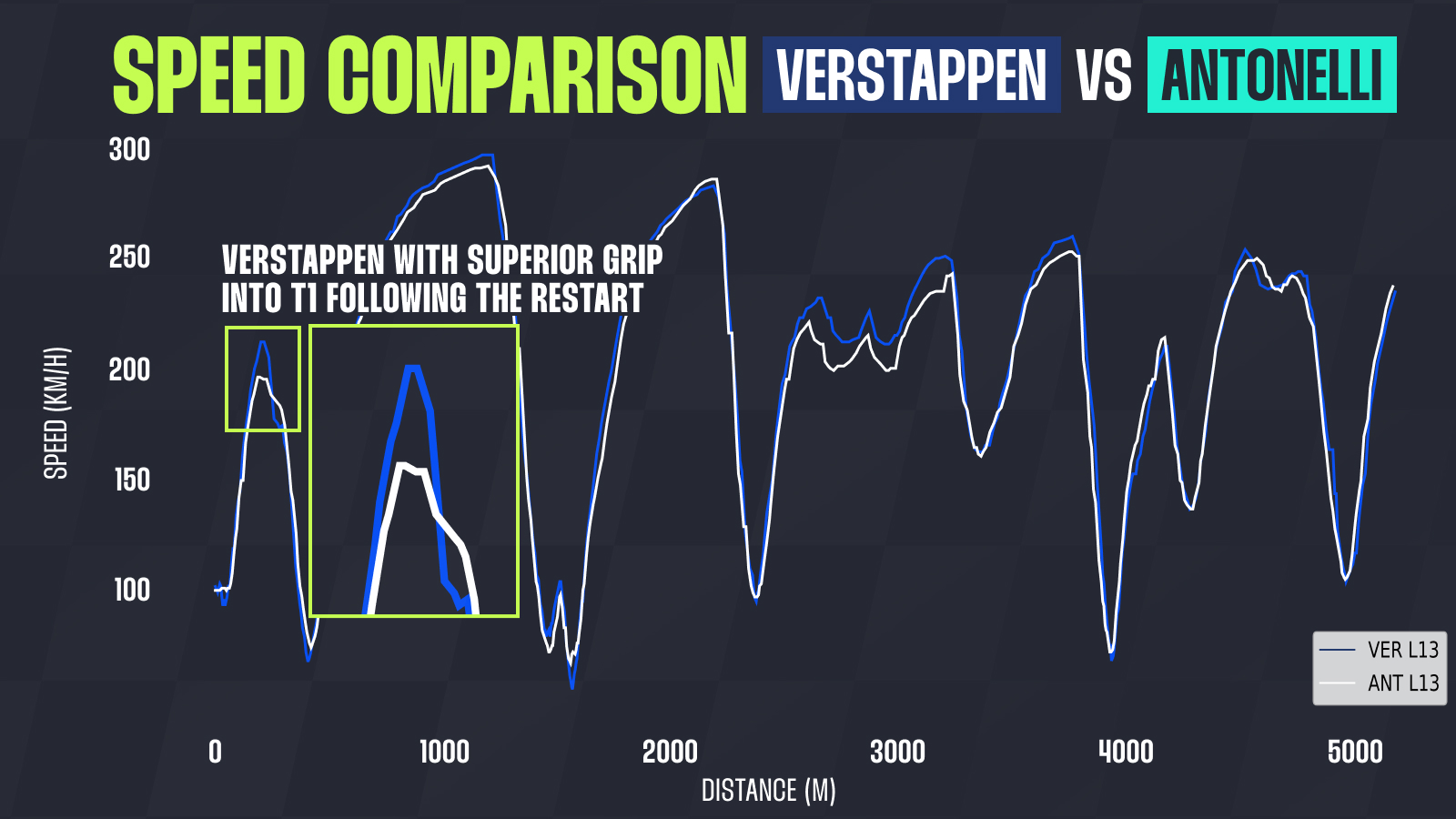
On the very first corner after the restart, Verstappen found more grip, went wide into Turn 1, and overtook Antonelli for the lead. The graph below shows how much more speed the Dutchman carried into Turn 1.
Another factor that helped him was the soft tyres, which proved to be much better than the mediums that Antonelli was using at the time, due to significantly lower track temperatures.
In the next stint, the difference in pace between the two drivers was obvious – the Dutchman was on average 0.466 seconds per lap faster than the Italian, who also spent several laps behind the slower Russell, losing even more time. This allowed Verstappen to build a comfortable 10-second gap by lap 34, when both drivers came in for their second pit stop.
More from the Bahrain Grand Prix on PlanetF1.com
Bahrain Grand Prix in Malaysia 2026 – F1 race results (Sepang)
Christian Horner ‘disadvantage’ claim as Arrivabene addresses ‘Ferrari dream’
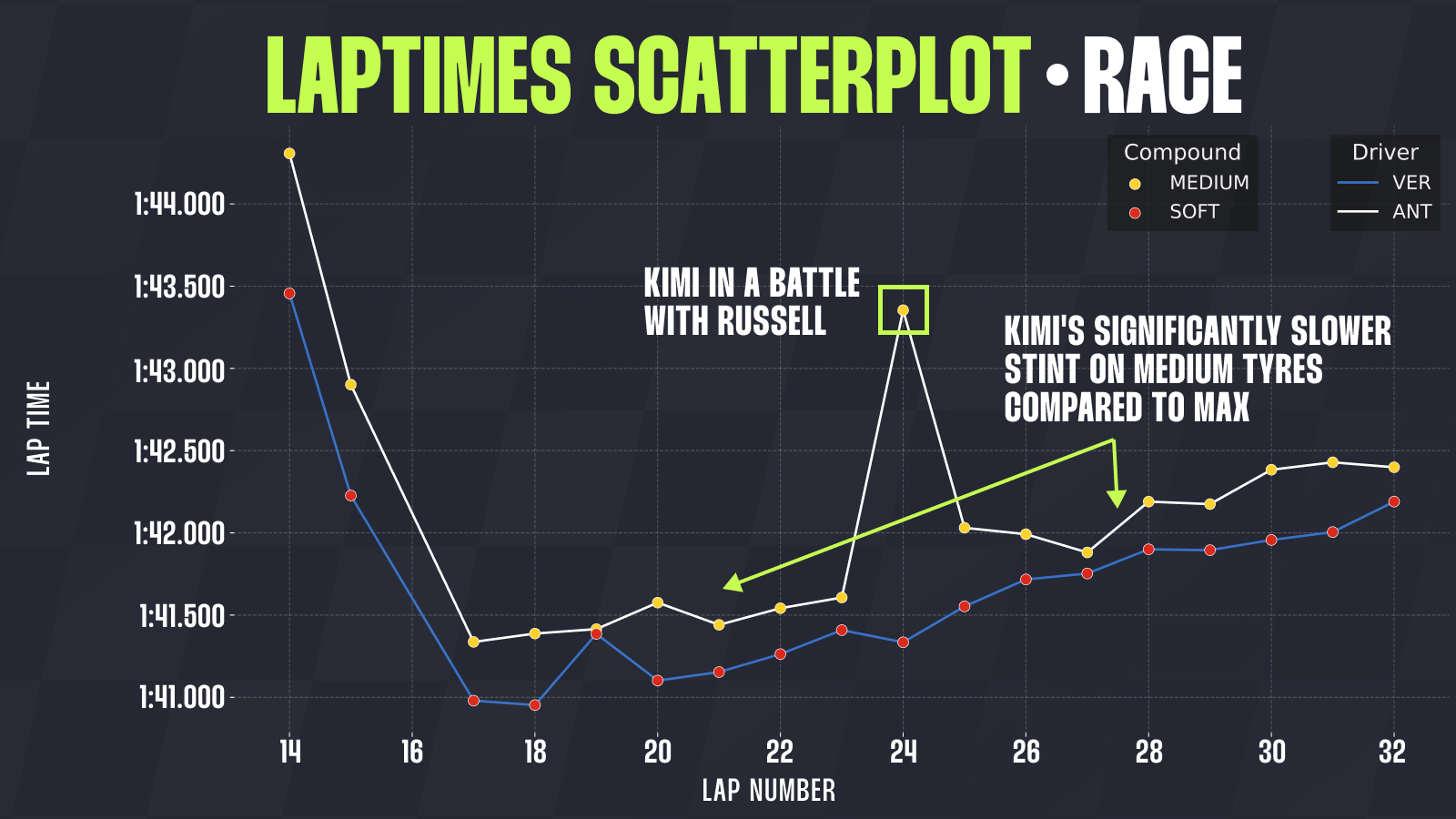
At that point, Antonelli finally got the chance to switch to the faster soft tyres, so the pace gap from the previous stint disappeared. Both drivers drove very well, and Antonelli actually started to reduce the gap slightly. That was until lap 43, when a Virtual Safety Car quickly turned into a full Safety Car.
Now the question is: what would Antonelli have gained if he had stayed on track?
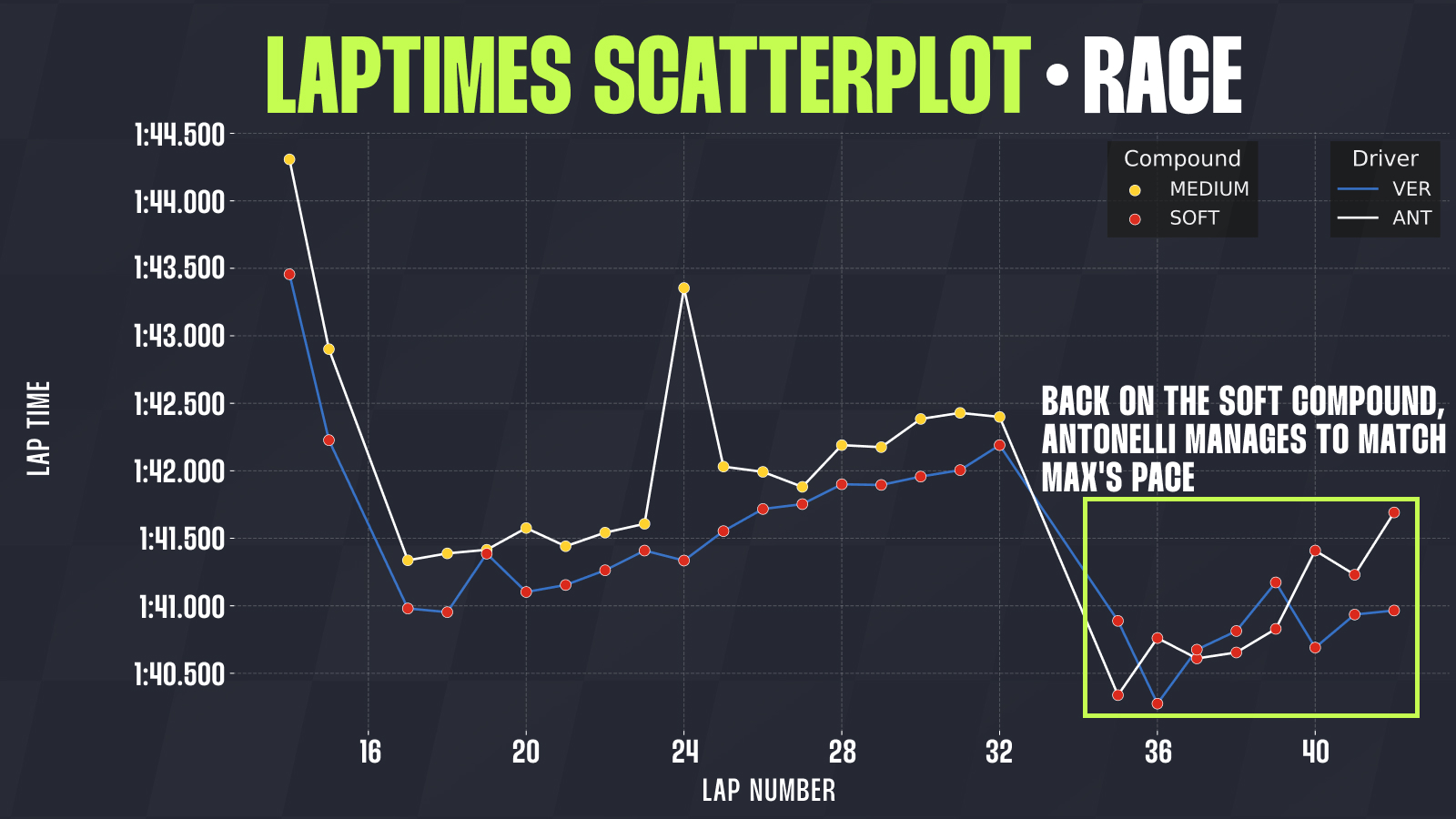
What is certain is that he would have gained track position, which he would then have had to defend against Verstappen on much fresher tyres. However, telemetry confirms that the probability of him successfully holding off the Red Bull was practically zero.
Just look at how much Verstappen’s (and Antonelli’s) pace increased compared to the laps before the Safety Car – a full 2 seconds per lap faster.
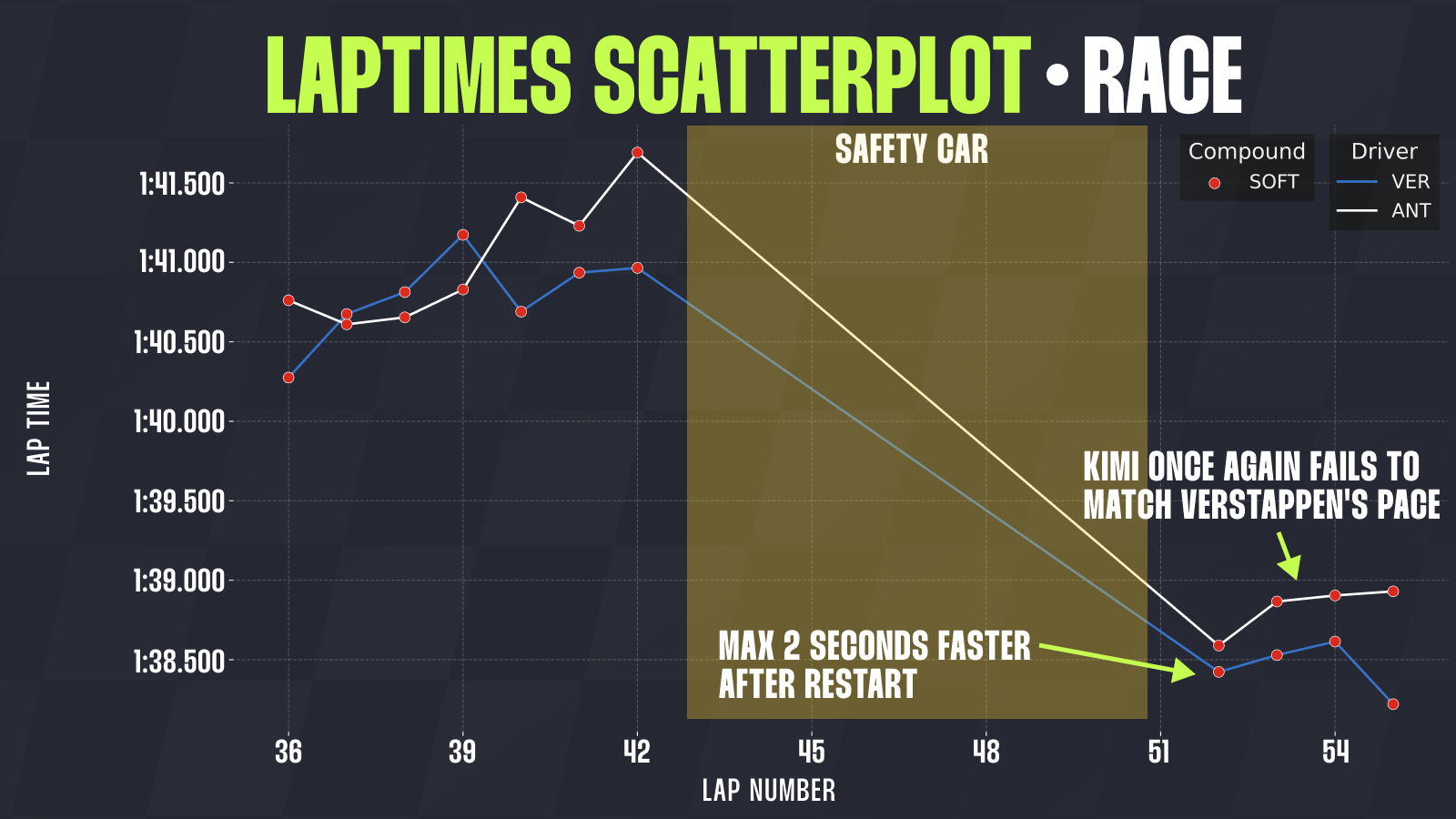
Even in the four-lap sprint to the end of the race, Antonelli couldn’t get anywhere near the four-time world champion. On average, Verstappen was 0.376 seconds faster in these laps, without Antonelli managing to outpace him in a single middle or final sector.
In other words, Mercedes would have made a huge mistake if they had tried to keep Antonelli on track.
In an attempt to play the hero, he would have only lost the points he already had in the bag. Verstappen fully deserved his victory with total dominance across the entire weekend, reminding us once again why he is a four-time world champion.
Want to be the first to know exclusive information from the F1 paddock? Join our broadcast channel on WhatsApp to get the scoop on the latest developments from our team of accredited journalists.
You can also subscribe to the PlanetF1 YouTube channel for exclusive features, hear from our paddock journalists with stories from the heart of Formula 1 and much more!
Read next: Bahrain GP in Malaysia: Verstappen wins; Russell DNF; rain triggers utter chaos