
FIA cuts Canada qualifying energy limit to new season-low in Montreal


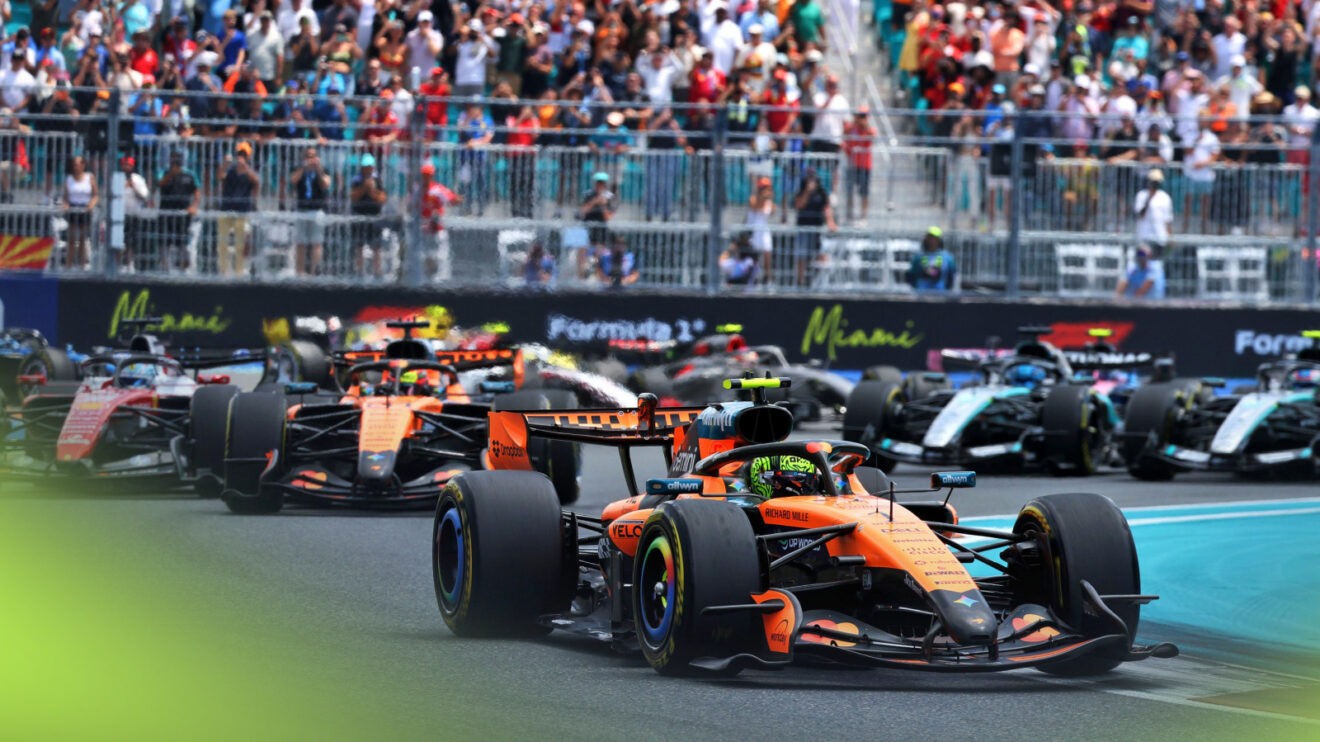
Full results from the F1 2026 Miami Grand Prix Sprint.
The FIA has reduced the maximum harvestable energy to a season-low of 6.0 MJ in Canada, as efforts continue to fine-tune the current power unit regulations.
This weekend’s race in Montreal will see a new low in harvestable energy during the qualifying sessions, with the change made on the basis of trying to ensure flat-out qualifying laps.
FIA lowers qualifying energy harvest limit for Canadian Grand Prix
The FIA has published its power unit information for the Canadian Grand Prix, with the information disseminated across the power unit manufacturers and teams.
With the energy limits tweaked for each venue, calculated based on the ease of harvesting for the drivers through braking, the Canadian venue will see a maximum harvestable limit of just 6.0 MJ during a lap in qualifying and Sprint Qualifying.
Following the 7.0 MJ limit in Australia, the 6.0 MJ limit becomes the lowest of the season so far, with Miami having run an 8.0 MJ limit through the qualifying sessions.
During the month-long break between Japan and Miami, the FIA introduced regulation changes to allow officials to lower the permitted maximum energy to 7.0 MJ at some events.
The logic behind reduced harvestable energy during a qualifying lap is that it places the emphasis back on the internal combustion engine, at the sacrifice of a small amount of lap time.
With most of the 6.0 MJ figure achievable through normal braking and driving, it dramatically reduces the need for excessive lift-and-coast techniques, or any of the unnatural driving that is needed in order to prioritise energy harvesting with a higher maximum limit.
With qualifying being the most critical to a ‘flat-out’ lap, the energy limits are kept higher for the racing: a limit of 8.0 MJ is in place for the Sprint and Grand Prix itself, and 8.5 MJ for when Overtake Mode is being used.
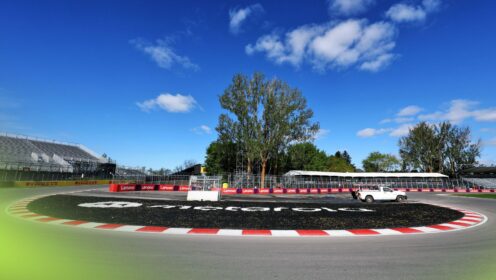
6.0 MJ is particularly low, but the Circuit Gilles Villeneuve features an unusual layout: from the hairpin at the bottom of the circuit, there is just one braking zone separating it from the first corner and the first sector, which features some heavy braking that allows for efficient energy recovery.
As for how the reduced limit may work out this weekend, some of the drivers spoke about the topic during their media sessions on Thursday.
“It’s hard to know, honestly,” Liam Lawson said.
“The thing is, as well, through the weekend, it changes, so we start tomorrow in P1, and that’s different from where we run in qualifying on Saturday, as the grip comes up and the track changes.
“Honestly, it’s something I think it’s definitely not going to be solved this weekend from a driver’s side of things.
“I think we’re gonna still be potentially a little bit frustrated while driving the cars in quali, but it’s something that we’re obviously changing every weekend and trying to improve, and, until we drive it on track, I think then we’ll know for sure.”
More on the Canadian Grand Prix
Fernando Alonso says F1 lost ‘pure racing’ with hybrid engines
Esteban Ocon slams ‘sh**ty media’ as Haas rumours spiral across social media
Ollie Bearman said he’s not expecting it to make much of a difference in terms of how he approaches a lap during qualifying.
“Yeah, it’s going to be complicated. At the end, you’re just driving, and the software takes care of it for you,” he said.
“There’s nothing really you need to do, but the same rules apply, that you need to drive the car in a certain way and attack the traction zones in a certain way, and that’s just kind of the norm now for this era.
“The thing is, in qualifying, you have less energy than you do in the race, but you also discharge the battery fully, so you finish the lap with 0 per cent of battery, so it’s much less, but you deploy actually more across a quali lap than you would in a race lap.
“So, for example, in Suzuka, which was the first time that we really felt a big difference in deployment, it wasn’t hugely different for us, just a bit more time spent at zero kilowatts, which feels a bit slow, but that’s how it is.”
With the quest of the FIA being to re-capture the natural feeling behind the wheel for the drivers again, Mercedes’ George Russell said the simulations suggest the new 6.0 MJ reduction should work well this weekend.
“I don’t think it will affect a lot, to be honest,” he said.
“I think it’s the right decision. Seeing the simulations, it doesn’t look like we’re losing speed at the end of the straights.
“There shouldn’t be any quirks in terms of lifting, coasting during the lap. So definitely the right direction, and I think it should be more straightforward here.”
Want to be the first to know exclusive information from the F1 paddock? Join our broadcast channel on WhatsApp to get the scoop on the latest developments from our team of accredited journalists.
You can also subscribe to the PlanetF1 YouTube channel for exclusive features, hear from our paddock journalists with stories from the heart of Formula 1 and much more!
Read Next: Fernando Alonso says F1 lost ‘pure racing’ with hybrid engines