
New Mercedes boost as FIA homologation emerges on eve of Australian GP – report
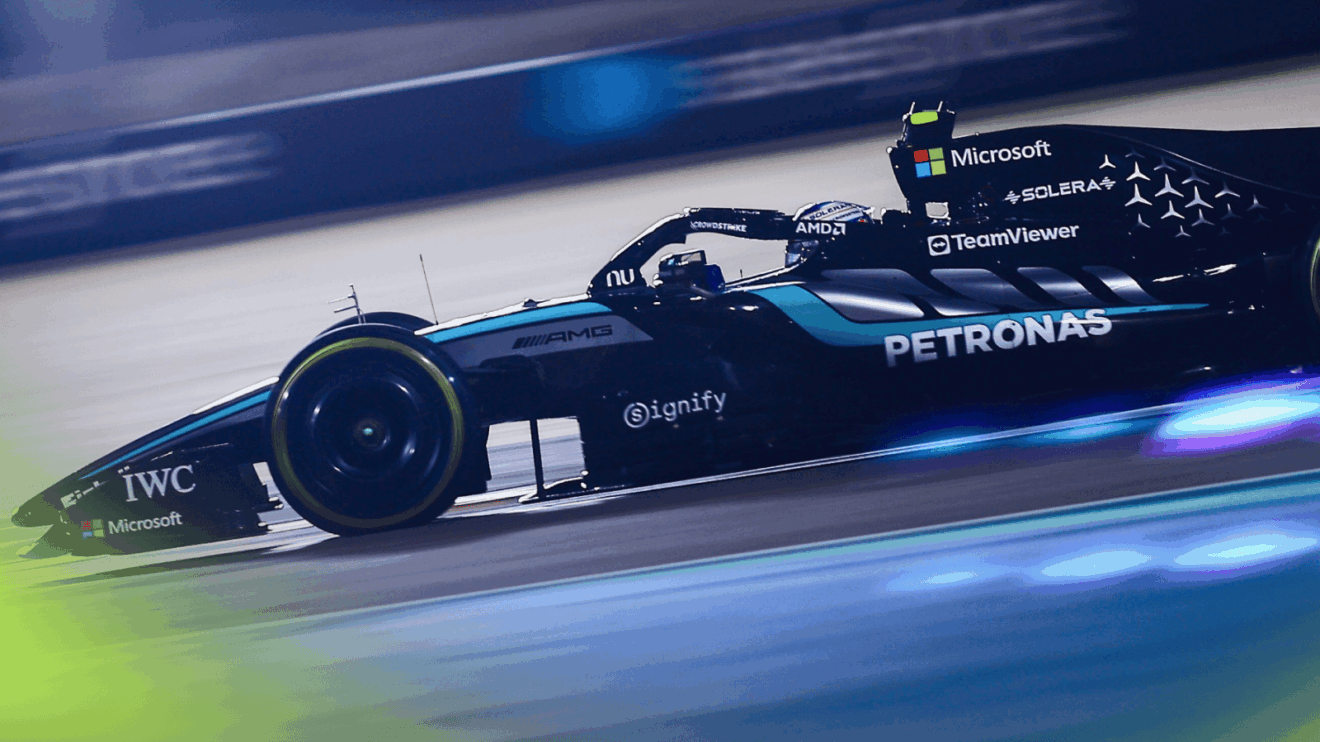
The Petronas fuel used by Mercedes has been homologated by the FIA on the eve of the Australian Grand Prix, it has been claimed.
It comes after BP, the fuel supplier of newcomer Audi, alluded to “murmurs” that some rival manufacturers were “struggling” to get over the line ahead of the F1 2026 opener.
Report: Mercedes’ Petronas fuel approved ahead of Australian Grand Prix
Want more PlanetF1.com coverage? Add us as a preferred source on Google to your favourites list for news you can trust
The F1 2026 season will begin this weekend with the Australian Grand Prix, marking the start of the sport’s new era.
Formula 1’s technical regulations have been overhauled ahead of the new campaign, with the chassis and engine rules changing simultaneously as the sport embraces fully sustainable fuels, 50 per cent electrification and active aerodynamics.
The move to fully sustainable fuels has resulted in a more complex process towards homologation, with the FIA calling on the assistance of a third-party called Zemo.
Go deeper: Mercedes among five engine suppliers in F1 2026 season
F1 2026: Confirmed teams and power unit suppliers for F1’s huge regulation changes
F1 2026 vs 2025: Bahrain lap-time data delivers rule change verdict
Under its remit, Zemo is responsible for verifying the entire production process as well as the final product, resulting in a lengthy homologation procedure.
It emerged during pre-season testing that some fuel suppliers had not achieved full homologation before the cars hit the track with rumours suggesting Petronas, which has supplied fuel to Mercedes since the manufacturer returned to F1 in 2010 as well as acting as the team’s title sponsor, was among those facing a race against time.
A report by The Race on Wednesday has claimed that the Petronas fuel has now been approved for F1 2026.
The news of Petronas’s homologation comes just hours after Luc Jolly, the motorsport fluids technology lead at BP, explained the challenges facing fuel suppliers under the new rules.
BP is working with Audi this season via its Castrol brand having announced a multi-year partnership with the German manufacturer in 2024.
Jolly confirmed that BP “achieved a really important milestone” by securing homologation last month, declaring the supplier is in “good shape” ahead of its first race weekend with Audi.
And he alluded to the suggestions that other F1 2026 fuel suppliers “are very quiet still” regarding their own progress, admitting he was unsurprised by the claims that “maybe others are struggling.”
He told PlanetF1.com and other media outlets in Australia: “With the 2026 fuels, there’s two main elements.
“You’ve got the element where there’s a defined fuel spec, which is like it would have been last year: physical chemical parameters and you have to sit within them.
“You send the sample off to an FIA-approved lab and you check that you’re ticking all the boxes in that respect, so that’s same as it was before.
“The new thing is obviously the advanced sustainable requirements and, for that, there is a whole new angle to the homologation process.
“The FIA have appointed a third party called Zemo, an independent body who end to end, from the feedstock sourcing right through to the production and the life cycle greenhouse gas emissions of the final fuel, everything has to be within this new range that the FIA defined.
“That part is way more complicated than it was before.
“I think it’s exactly why we started on this journey already more than three years ago with the guys in Neuburg because everyone saw this coming, how much of a challenge it was going to be.
“We have achieved a really important milestone of getting approved in time for this race weekend in the last couple of weeks.
“And I think across the board, there’s been murmurs – perhaps more than murmurs – that it’s been a challenge.
“So I’m not surprised to hear that maybe others are struggling with that, but I think we took calculated decisions and, for that reason, we’re in good shape this weekend and excited to see how we go.
“Some of the others are very quiet still, so we don’t know.”
Explaining the new homologation process for F1 2026, he said: “Everything which goes into that fuel has to sit within a few defined categories of what is sustainable, but it’s really broad. Still really broad. A lot of options in terms of feedstock.
“But absolutely, if we decided to use X feedstock that’s never been used before, someone appointed by the FIA – it’s not actually an FIA employee – from this independent body has to travel to be there in person and audit whatever the source of this raw material is that it is what it says it is.
“And then it is traced every step of the supply chain up to the point of the final blend, and then even through to delivery here in Melbourne, to check that everything’s been done in the right way.
“So it’s super rigorous and I think that’s why the timing has been tight for some, because so much goes into that.
“It’s pretty full on.”
Additional reporting by Mat Coch
Want to be the first to know exclusive information from the F1 paddock? Join our broadcast channel on WhatsApp to get the scoop on the latest developments from our team of accredited journalists.
You can also subscribe to the PlanetF1 YouTube channel for exclusive features, hear from our paddock journalists with stories from the heart of Formula 1 and much more!
Read next: Australian Grand Prix predictions: Double Aston Martin DNF, Russell wins, Hadjar reality check