

Stefano Domenicali rejects Formula E comparison as F1 boosts hybrid power
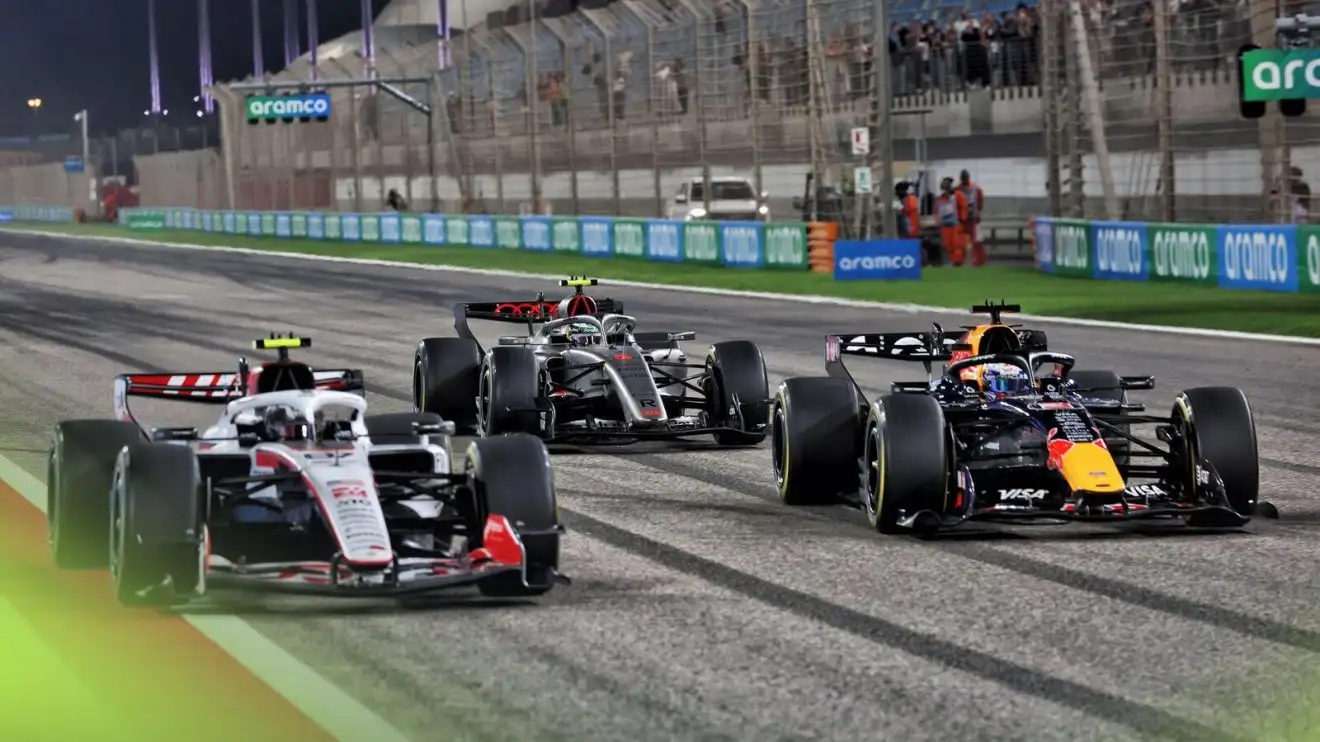
Formula 1 maintains its own unique identity despite its increased use of hybrid energy.
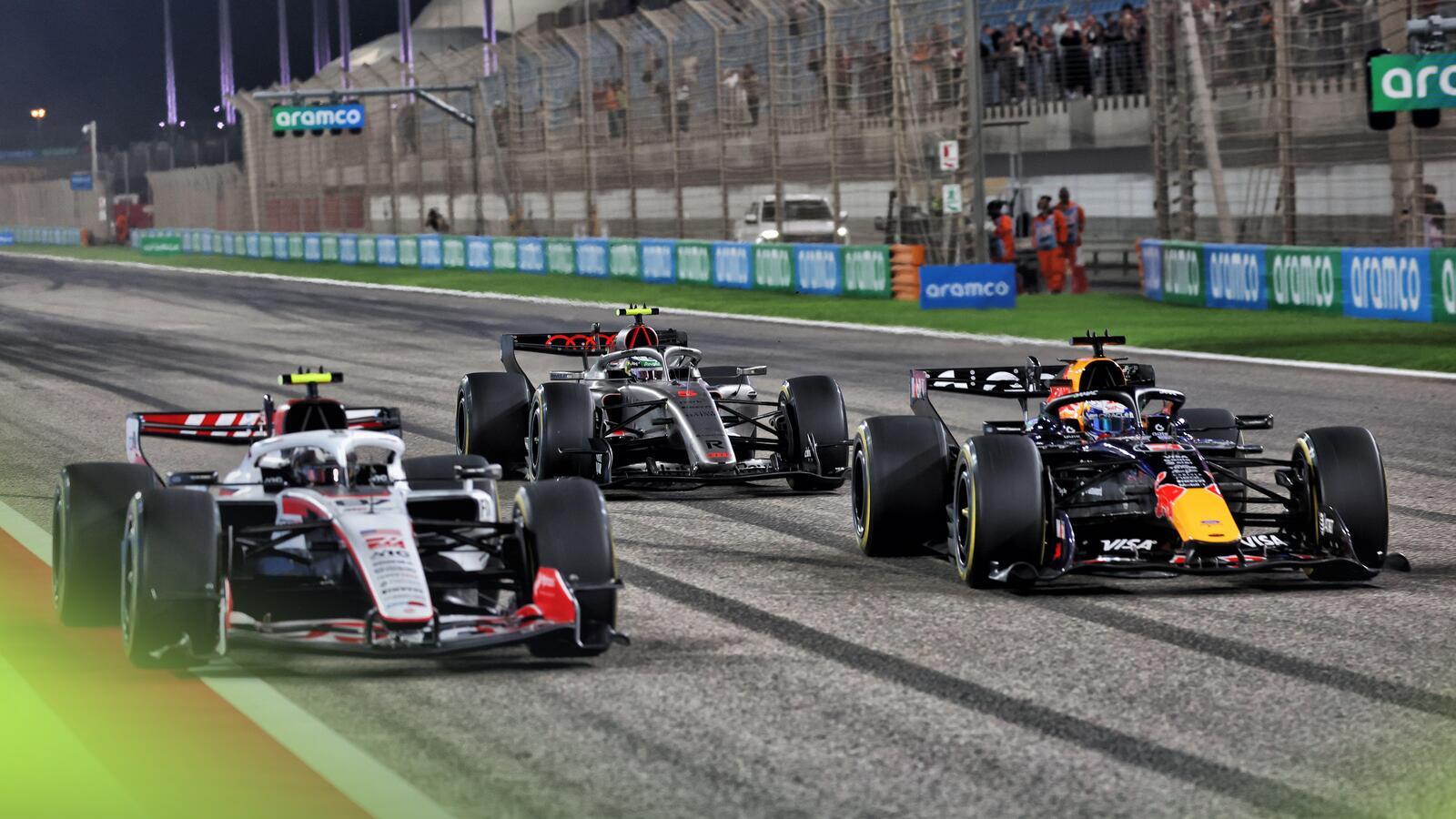
Formula 1 cannot be fairly compared with Formula E despite its increasing use of hybrid energy.
That’s the assessment of Stefano Domenicali, the commercial boss of Formula 1, as F1 embarks on an all-new regulatory era.
Stefano Domenicali says F1 remains distinct despite hybrid increase
Want more PlanetF1.com coverage? Add us as a preferred source on Google for news you can trust.
In 2026, F1 embraces a 50/50 split between hybrid power and that generated from the traditional, internal combustion engine.
Hybrid power was first introduced in F1 in 2014, and until last year contributed about 20 per cent of the power available to drivers.
The sharp increase in electrical output, up to 350kW from 120kW, this year has brought with it greater emphasis on harvesting and deployment, which are more invasive for the drivers than they were before.
That has created unease among the drivers as they come to terms with what is in many respects a foreign, and counterintuitive, way of generating lap time; placing greater emphasis on energy harvesting and deployment, often at the sacrifice of peak cornering speeds.
It’s led to suggestions that F1 is moving towards Formula E, with Max Verstappen even branding the new regulations ‘Formula E on steroids’.
Formula 1’s increase in electrical energy comes after new regulations did away with the heavy, expensive, and complicated heat recovery systems employed previously.
The simplification was done as a means to both reduce costs and complexity, lowering the barrier to entry and in turn attracting new manufacturers.
Despite the simplification, cars now generate almost three times the electrical energy as last year, a point which necessitates greater harvesting to charge the 9MJ battery.
Harvesting can be achieved through either braking, or clipping – effectively siphoning off power from the internal combustion engine when the car is at full throttle.
That creates a situation where, at the end of the straight, the car shifts some of the ICE power into charging the battery rather than driving the rear wheels, resulting in less power available to drivers and a gradual dip in top speed.
Aerodynamic rules have been introduced to help counter that, with cars flattening out their wings on straights to reduce drag, but it can only do so much.
It’s a process that encourages an unnatural style of driving; lifting and coasting into corners rather than attacking entry; compromising cornering speed for power down the following straight.
There’s an air of artificiality about it, even if in many regards it simply adds a new element to racing, like tyre wear.
And while many of those elements move some of the techniques required to be fast at the wheel of an F1 car towards those used in Formula E, Domenicali insists the two competitors retain their own unique identities.
“We are already hybrid,” he told PlanetF1.com during a selected media session.
“Hybridisation has been part of for one since 2014 in a different way.
“With all respect of our friends of Formula E, we are talking about two dimensions that are so different they are not even comparable.
“They’re totally different things in terms of energy deployment, in terms of engine, thermal engine, in terms of sound, in terms of dimension, in terms of speed.”
Domenicali points to a key difference; despite F1’s move towards increased hybrid energy, it retains a strong combustion element within the power unit.
There are fundamentals about the style of racing that are different too, with Formula E employing pacing techniques along with championship-specific initiatives like Attack Mode.
In Formula 1, drivers have the ability to charge and discharge their batteries strategically, potentially creating a more significant state-of-charge delta to their rivals in the heat of battle.
The broader philosophical question, however, is what defines F1 as the pinnacle of world motorsport?
That’s often described as drivers being able to push to the limit on every lap, though that’s a simplistic viewpoint that ignores much of F1 history when management of elements (brakes, clutch, fuel, tyres, etc) was a fundamental requirement.
There’s a strong argument to be made that electrical energy is just another element in the balancing act.
And it remains clear that F1 is seen as the pinnacle.
The current regulations have attracted several global automakers either back into the sport, or into its top tier for the first time.
The rules were framed with their input, with a view to creating a degree of road relevance to help them absorb the hefty costs associated with F1 (even under a cost cap era).
Further, there are optics around sustainability, and environmental responsibility as the automotive world reaches a crossroads; electric vehicles are more prevalent now than ever, even if they do remain a tough sell in many markets.
That also means the current rules are a compromise of what the fans want to see, and what car companies want to be involved with. Commercial considerations were clearly a factor.
But F1 has been here before. In 2014 the introduction of hybrid engines was initially met with resistance before ultimately being accepted. Hybrid power has been at the heart of F1 through the accelerated growth it has enjoyed in recent years.
During that period, fuel flow was managed as the sport subtly became more self-aware. The introduction of DRS was also lambasted as a gimmick, cheapening the sport and a band-aid to a more deeply rooted problem.
F1 2026 explained
Explained: F1’s complex power unit upgrade system
Explained: How F1’s new ‘overtaking mode’ will work in 2026
The simple fact is that change is inevitably met with resistance.
While Formula 1 has increased hybrid power and, on the surface, taken a step towards Formula E, it remains distinct and different. It retains its own personality.
The question really is not whether F1 is becoming Formula E, but whether lifting in corners to ultimately going faster is still considered ‘flat out’.
Stefano Domenicali rejects Formula E comparison as F1 boosts hybrid power
Formula 1 cannot be fairly compared with Formula E despite its increasing use of hybrid energy.
That’s the assessment of Stefano Domenicali, the commercial boss of Formula 1, as F1 embarks on an all-new regulatory era.
In 2026, F1 embraces a 50/50 split between hybrid power and that generated from the traditional, internal combustion engine.
Hybrid power was first introduced in F1 in 2014, and until last year contributed about 20 per cent of the power available to drivers.
The sharp increase in electrical output, up to 350kW from 120kW, this year has brought with it greater emphasis on harvesting and deployment, which are more invasive for the drivers than they were before.
That has created unease among the drivers as they come to terms with what is in many respects a foreign, and counterintuitive, way of generating lap time; placing greater emphasis on energy harvesting and deployment, often at the sacrifice of peak cornering speeds.
It’s led to suggestions that F1 is moving towards Formula E, with Max Verstappen even branding the new regulations ‘Formula E on steroids’.
Formula 1’s increase in electrical energy comes after new regulations did away with the heavy, expensive, and complicated heat recovery systems employed previously.
The simplification was done as a means to both reduce costs and complexity, lowering the barrier to entry and in turn attracting new manufacturers.
Despite the simplification, cars now generate almost three times the electrical energy as last year, a point which necessitates greater harvesting to charge the 9MJ battery.
Harvesting can be achieved through either braking, or clipping – effectively siphoning off power from the internal combustion engine when the car is at full throttle.
That creates a situation where, at the end of the straight, the car shifts some of the ICE power into charging the battery rather than driving the rear wheels, resulting in less power available to drivers and a gradual dip in top speed.
Aerodynamic rules have been introduced to help counter that, with cars flattening out their wings on straights to reduce drag, but it can only do so much.
It’s a process that encourages an unnatural style of driving; lifting and coasting into corners rather than attacking entry; compromising cornering speed for power down the following straight.
There’s an air of artificiality about it, even if in many regards it simply adds a new element to racing, like tyre wear.
And while many of those elements move some of the techniques required to be fast at the wheel of an F1 car towards those used in Formula E, Domenicali insists the two competitors retain their own unique identities.
“We are already hybrid,” he told PlanetF1.com during a selected media session.
“Hybridisation has been part of for one since 2014 in a different way.
“With all respect of our friends of Formula E, we are talking about two dimensions that are so different they are not even comparable.
“They’re totally different things in terms of energy deployment, in terms of engine, thermal engine, in terms of sound, in terms of dimension, in terms of speed.”
Domenicali points to a key difference; despite F1’s move towards increased hybrid energy, it retains a strong combustion element within the power unit.
There are fundamentals about the style of racing that are different too, with Formula E employing pacing techniques along with championship-specific initiatives like Attack Mode.
In Formula 1, drivers have the ability to charge and discharge their batteries strategically, potentially creating a more significant state-of-charge delta to their rivals in the heat of battle.
The broader philosophical question, however, is what defines F1 as the pinnacle of world motorsport?
That’s often described as drivers being able to push to the limit on every lap, though that’s a simplistic viewpoint that ignores much of F1 history when management of elements (brakes, clutch, fuel, tyres, etc) was a fundamental requirement.
There’s a strong argument to be made that electrical energy is just another element in the balancing act.
And it remains clear that F1 is seen as the pinnacle.
The current regulations have attracted several global automakers either back into the sport, or into its top tier for the first time.
The rules were framed with their input, with a view to creating a degree of road relevance to help them absorb the hefty costs associated with F1 (even under a cost cap era).
Further, there are optics around sustainability, and environmental responsibility as the automotive world reaches a crossroads; electric vehicles are more prevalent now than ever, even if they do remain a tough sell in many markets.
That also means the current rules are a compromise of what the fans want to see, and what car companies want to be involved with. Commercial considerations were clearly a factor.
But F1 has been here before. In 2014 the introduction of hybrid engines was initially met with resistance before ultimately being accepted. Hybrid power has been at the heart of F1 through the accelerated growth it has enjoyed in recent years.
During that period, fuel flow was managed as the sport subtly became more self-aware. The introduction of DRS was also lambasted as a gimmick, cheapening the sport and a band-aid to a more deeply rooted problem.
The simple fact is that change is inevitably met with resistance.
While Formula 1 has increased hybrid power and, on the surface, taken a step towards Formula E, it remains distinct and different. It retains its own personality.
The question really is not whether F1 is becoming Formula E, but whether lifting in corners to ultimately going faster is still considered ‘flat out’.
Want to be the first to know exclusive information from the F1 paddock? Join our broadcast channel on WhatsApp to get the scoop on the latest developments from our team of accredited journalists.
You can also subscribe to the PlanetF1 YouTube channel for exclusive features, hear from our paddock journalists with stories from the heart of Formula 1 and much more!
Read Next: F1 testing conclusions: Bring back V10s, fresh Aston Martin hope, secret Ferrari weapon


