
F1 2026 rule tweaks billed as ‘sensible’ ahead of Miami debut


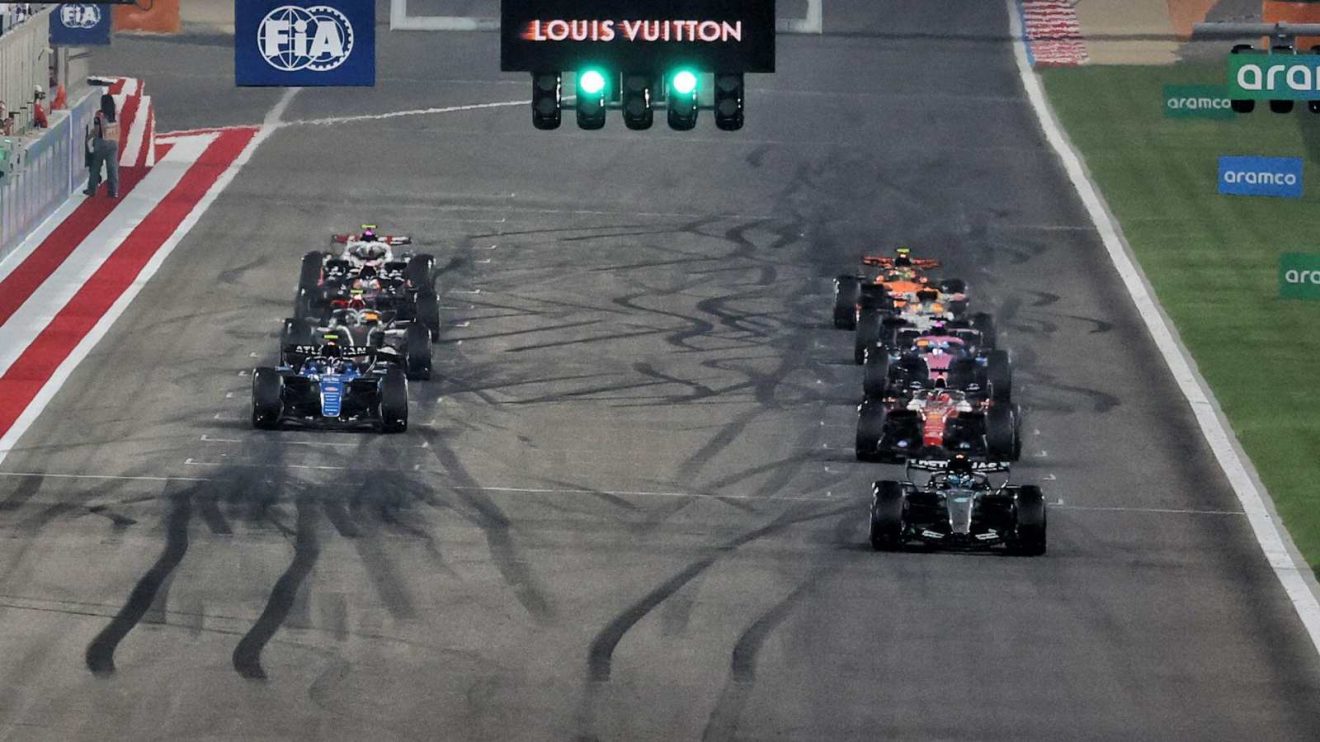
Alex Albon believes that the "chaos" seen in practice starts may not be the case come Melbourne.
Williams team principal James Vowles has applauded Formula 1’s “sensible changes” following Monday’s crunch talks regarding the new F1 2026 regulations.
The FIA confirmed on Monday that several changes are set to be made to the rules ahead of the resumption of the season in Miami next month.
James Vowles supports F1 2026 rule changes
Want more PlanetF1.com coverage? Add us as a preferred source on Google to your favourites list for news you can trust
Formula 1 introduced new regulations this season, not only changing the chassis but also the power units. Powered by a 50/50 split between electrical and combustion power, energy management, whether through battery harvesting or super clipping, has become the norm, along with lift-and-coast.
Power boosts, dubbed Mario Kart’s “mushroom boost” by the drivers, have led to artificial overtakes, while Oliver Bearman’s huge crash at the Japanese Grand Prix raised safety concerns about the new regulations.
Following a “constructive” meeting with the Formula 1 drivers as revealed by PlanetF1.com in which they offered “invaluable input”, Formula 1’s stakeholders met on Monday to discuss this year’s new regulations.
The FIA met with Formula One Management, the Formula 1 team bosses, and the power unit manufacturers and agreed a “number of refinements” to the regulations.
For qualifying, there is a reduction in the maximum permitted recharge from 8MJ to 7MJ, while peak super clip power increased to 350 kW.
More on F1 2026 regulations
Toto Wolff warns against ‘baseball bat’ treatment over F1 2026 rule changes
‘Something has to change’ – Max Verstappen warns F1 2026 rules remain ‘fundamentally wrong’
During the grands prix, the maximum power available through the Boost will be capped at +150 kW. The MGU-K deployment will be set to 350 kW in key acceleration zones (from corner exit to the braking point, including overtaking zones), but limited to 250 kW elsewhere on the lap.
There are also changes for the race starts with some drivers struggling to get off the line. A new ‘low power start detection’ system has been developed that will trigger an automatic MGU-K deployment to mitigate start-related risks.
Williams team principal Vowles was the first TP to publicly respond to the changes.
And he believes everything that was decided was for the good of the sport.
“These are sensible changes and the teams, FIA and Formula 1 have done good work over the past few weeks to agree them,” Vowles declared on social media.
“F1 has seen some great racing so far this year, but it is right that we always look at ways to keep improving.
“We look forward to seeing them in action from Miami onwards.”
Want to be the first to know exclusive information from the F1 paddock? Join our broadcast channel on WhatsApp to get the scoop on the latest developments from our team of accredited journalists.
You can also subscribe to the PlanetF1 YouTube channel for exclusive features, hear from our paddock journalists with stories from the heart of Formula 1 and much more!
Read next: Your F1 questions answered: Mat Coch tackles engines, rules and race cancellations