
Toto Wolff raises fresh safety fears over F1 engine ahead of PUAC meeting


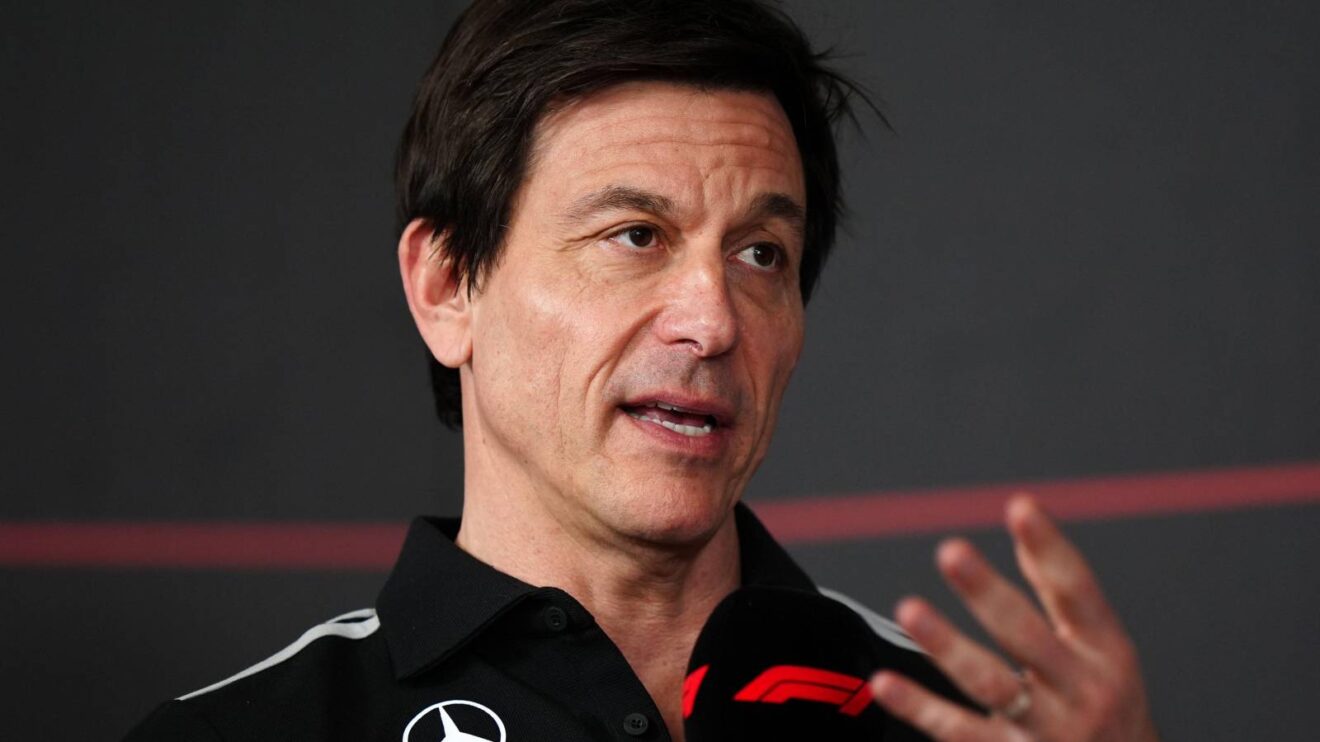
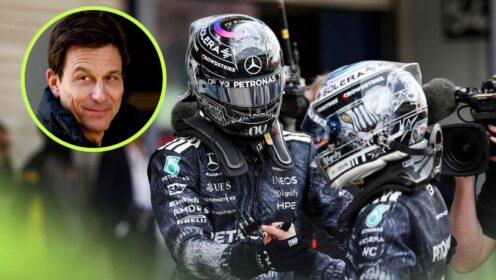
Mercedes team principal Toto Wolff
As Formula 1’s power unit manufacturers weigh in on the new engine formula ahead of Thursday’s PUAC meeting, Toto Wolff says the circumstances that led to Oliver Bearman’s crash aren’t the only cause for concern.
The drivers are also finding that the “tiniest of lifts” can cause an unpredictable reaction from the engine.
Toto Wolff highlights F1 engine safety concerns after Oliver Bearman crash
Want more PlanetF1.com coverage? Add us as a preferred source on Google to your favourites list for news you can trust
This season, Formula 1 introduced a new engine formula, running power units that are run on a 50/50 electrical and combustion split.
While it has heavily divided the paddock between those who are enjoying the back-and-forth battery-dependent battles and those who feel it is more ‘Mario Kart’ than F1, almost everyone has raised concerns about safety.
The new engines require the drivers to harvest battery power, a task often done at the end of a straight. And if the driver behind isn’t needing to super clip or recharge his battery, the closing speeds are immense – and dangerous.
Oliver Bearman discovered this at the Japanese Grand Prix when he closed it on Franco Colapinto into Spoon Curve, travelling 50kph faster than the Alpine driver.
Caught unaware, Bearman had to take avoiding action, and went onto the grass, crossed the track and ploughed into the barrier with the impact recorded at 50G.
He limped away from his crashed Haas, but thankfully had suffered nothing more than a contusion to his right knee.
F1 2026: The drivers and calendar
The F1 2026 Drivers’ and Constructors’ Championship standings
F1 schedule: When is the next F1 race and where is it being held?
“That’s something which we need to look at clearly, what’s happened,” Wolff told the media in Japan.
“Regulations are in a very immature way. And I’m sure the FIA and our teams, we’re gonna analyse the accident very carefully to see how we can avoid these things.
“I’m sure there’s more competent people than me already in Mercedes scratching their heads how to avoid that.”
That, though, isn’t the only issue.
The drivers also complained in Suzuka about how unpredictable their cars were when they had to lift slightly.
The Mercedes team principal says that is also something the FIA and teams will need to take a look at.
“This is something we should be working at, to make it a little bit less sensitive,” he said. “That the tiniest of lifts causes an unpredictable situation.
“Now it was for me, maybe one or the other statements were over exaggerated. Some people got it right, some people got it wrong.
“And if you deploy tons of energy in the first sector, you shouldn’t be surprised that in the last you’re running out of it.
“But clearly, another aspect that we need to look at, how to make this, how to optimise the systems to reduce the unpredictability.”
Want to be the first to know exclusive information from the F1 paddock? Join our broadcast channel on WhatsApp to get the scoop on the latest developments from our team of accredited journalists.
You can also subscribe to the PlanetF1 YouTube channel for exclusive features, hear from our paddock journalists with stories from the heart of Formula 1 and much more!
Read next: Audi’s early promise masked by power unit limits and costly race setbacks