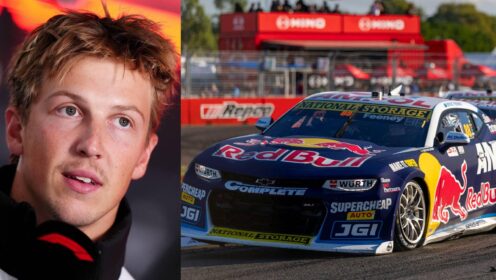

Liam Lawson reveals why car setup is no longer F1’s priority


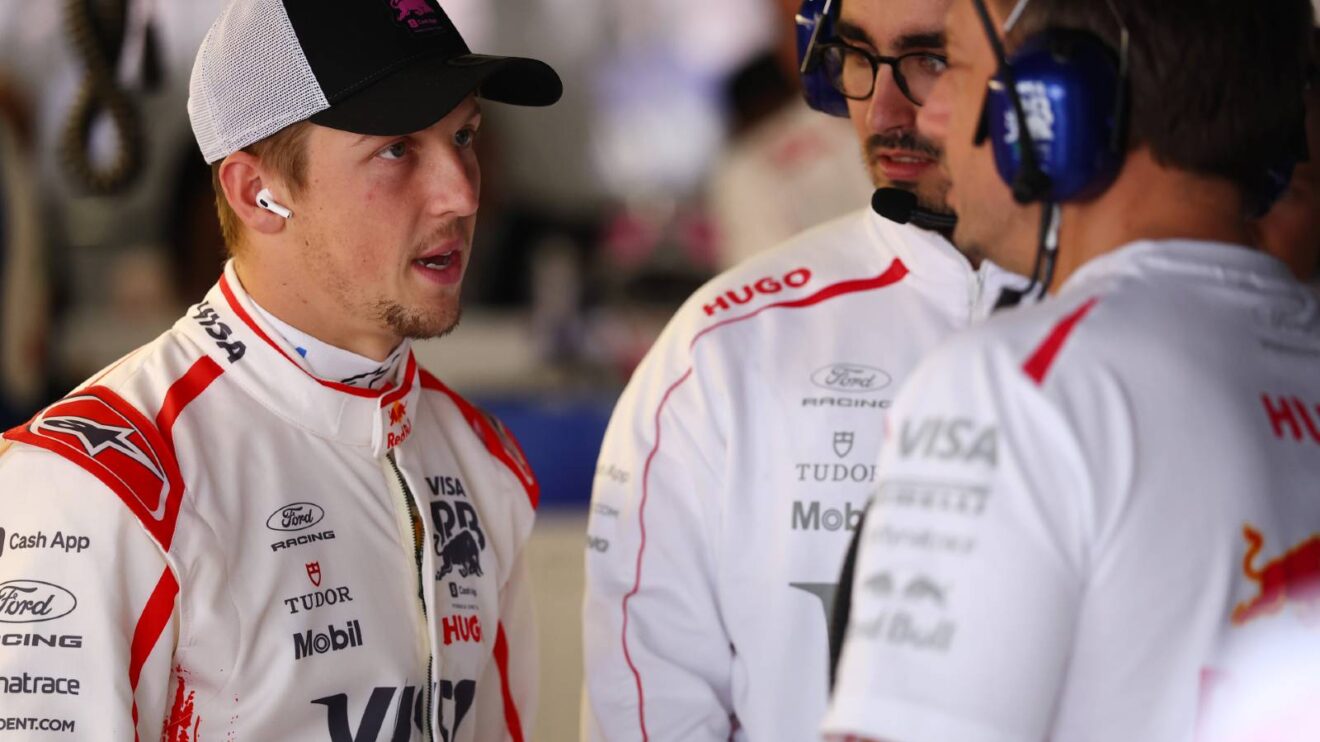
Liam Lawson has explained how energy management is now more important than car setup when approaching a Grand Prix weekend.
Liam Lawson says energy management – not car setup – is now the defining factor of an F1 weekend under the 2026 rules.
The new F1 2026 regulations have seen energy management become a key factor in extracting lap time, and Lawson said that this area now supersedes even traditional setup preparations.
Liam Lawson says energy management now leads F1 preparation
Want more PlanetF1.com coverage? Add us as a preferred source on Google to your favourites list for news you can trust.
The new F1 regulations have introduced new power units that have seen electrification increase to a near 50/50 split with the internal combustion engine.
What this means is that optimising the electrical output contributes significantly to overall lap time, with the drivers required to engage in harvesting techniques around a lap to ensure the battery is kept topped up.
The egregious nature of this has been a primary area of criticism amongst the drivers across the first three race weekends of the season, particularly as more lap time is now available when a car is driven in a more conservative fashion; attacking corners is of little overall benefit to a driver, given the effect it has on reducing available energy for the next straight.
It’s a big shift away from the norms of Formula 1, and Racing Bulls‘ Lawson has said the rules have changed how drivers approach racing so much that the topic of car setup is actually now a secondary concern compared to maximising energy usage.
“They’re very different for us to drive at the moment. They’re very different to get used to each track,” Lawson said of the new cars at the Japanese Grand Prix.
“I think the big difference is that we used to go into a weekend spending pretty much all of our time thinking about setting up the car and optimising the car balance. Right now, it’s really energy management.
“We spend so much time talking about trying to manage the energy and get the most out of that because there’s so much lap time in it.
“The racing is quite different as well. We have to basically use a lot of different tools and drive a lot differently to try and overtake and defend, and it’s something that we’re still learning.
“So far, because it’s new, it’s obviously quite different and difficult, to be honest. So, it’s something that we’re also getting used to.”
More on F1’s new rules
Explained: How F1’s new ‘overtaking mode’ will work in 2026
What is ADUO? The FIA lifeline that could rescue Honda
With the impact on energy usage now being the top priority for the drivers’ focus, rather than a grip-limited approach to every corner, Lawson explained that it has become all too easy to drive too fast; a driver carrying too much speed through a corner will likely lose out in terms of overall lap time due to the energy having been used at a moment where it wasn’t optimised.
“I would say it’s quite easy to overdrive,” he said.
“I think, in last year’s car, you go into qualifying and you try to make quite a big step.
“Obviously, with how much downforce the cars have, you gain grip, and you start attacking the car in qualifying.
“Obviously, you can still do it and get it wrong and overdrive, but it was definitely an exciting factor going into qualifying when your car is like… you’re trying to attack it.
“But I think, this year, the harder thing is that it’s very easy to overstep that and use too much and basically make a mistake.
“I think this year, pretty much all quali, like Melbourne quali for me, it took me all the way to Q3 on a used tyre to actually just put a lap together, because all the laps before that I just kept trying to attack and basically making a mistake, and actually just bringing it back. So, it’s definitely a different thing that we’re having to get used to.”
The changes in how the power units operate mean that the drivers are having to be more strategic in general, given that power output also dictates how to defend and overtake; a driver running out of energy before an opponent leaves them significantly down on power and, in a tight battle, this can mean the end of that particular fight.
“I think there are just more consequences when you get it wrong,” Lawson said.
“If you use too much energy or something like this, it can be quite punishing. So we definitely have to… you’re doing a lot more thinking, I would say, when you’re driving.”
Want to be the first to know exclusive information from the F1 paddock? Join our broadcast channel on WhatsApp to get the scoop on the latest developments from our team of accredited journalists.
You can also subscribe to the PlanetF1 YouTube channel for exclusive features, hear from our paddock journalists with stories from the heart of Formula 1 and much more!
Read Next: Carlos Sainz battling ‘animal instinct’ in F1 2026 qualifying demands