

Williams hides FW48 suspension secrets with unique 2026 split setup
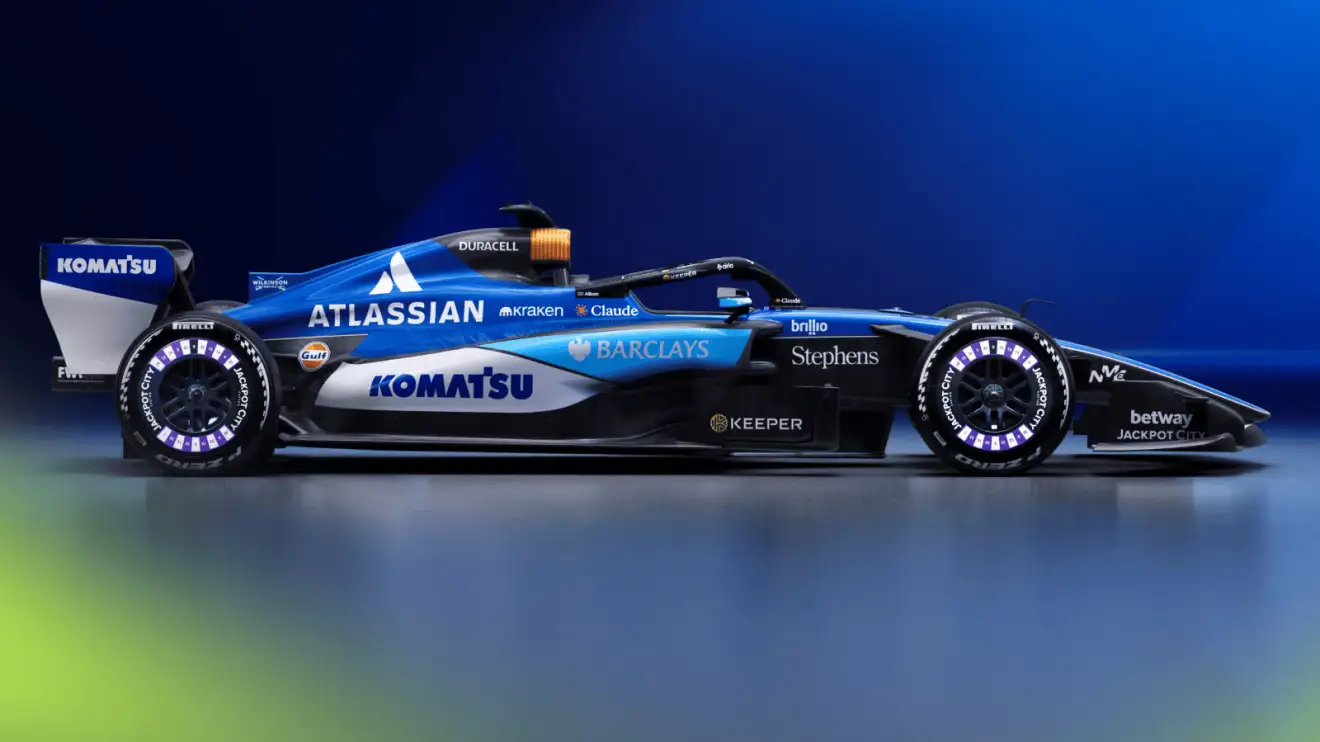
Carlos Sainz and Alex Albon will race the Williams FW48 in 2026
Williams has opted for an unique split between pushrod and pullrod suspension with its new car for the F1 2026 season, it has been confirmed.
It comes after the team hid some of its suspension arms in the launch of the new FW48 on Tuesday.
Williams hid real F1 2026 suspension at FW48 launch
Want more PlanetF1.com coverage? Add us as a preferred source on Google to your favourites list for news you can trust
Williams enjoyed its strongest season since 2017 last year with Carlos Sainz claiming two podium finishes as the team secured fifth place in the constructors’ standings.
The Grove-based outfit, which has competed with Mercedes customer engines since 2014, has long targeted the new regulations for 2026 as an opportunity to make a significant step forward.
Williams was the only team to miss last week’s first pre-season test in Barcelona following what the team described as “delays in the FW48 programme.”
Matt Somerfield tech analysis: The difference between pushrod and pullrod explained
Push-rod vs Pull-rod: How F1 teams are shaping 2026 suspension strategies
The leading theory behind Williams’ Barcelona test absence and where it could hurt most
The team took the covers off its new-look livery on Tuesday in a season-launch event ahead of next week’s second test in Bahrain.
In an unusual move, Williams opted to leave some elements of its suspension out of the showcar and renders produced for the car’s livery launch in an apparent bid to retain secrecy (below).
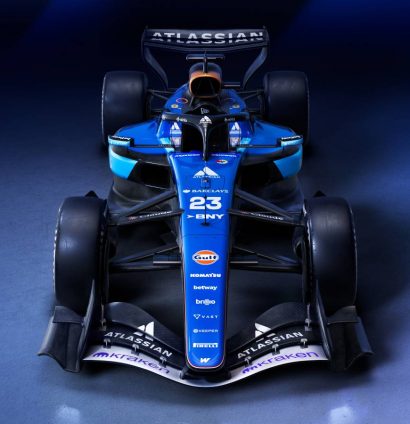
In a technical specification document released to coincide with the reveal, Williams confirmed that it has elected for a pullrod front suspension and pushrod at the rear.
Williams is the only team to opt for a split with its 2026 suspension, with most teams electing for pushrod at both the front and rear.
Only Alpine and Cadillac have opted for a double-pullrod suspension layout.
James Vowles, the Williams team principal, teased that the FW48 has a “slightly different” solution to most teams with the front suspension.
However, he conceded that Williams’ suspension is not as “extreme” as that produced by Adrian Newey with the Aston Martin AMR26.
Asked about Aston Martin’s 2026 car, he told PlanetF1.com and other media outlets: “It’s really impressive.
“Adrian is just a creative designer and it’s really impressive what he’s done with wishbones in places that I don’t think they should be, but he’s done them.”
He added: “In terms of Adrian, I’ve sort of intonated it a bit, but you’ll see it on our front wishbone. It’s slightly different.
“But where Adrian’s gone is… Adrian: very impressive, very creative, very extreme.
“I wouldn’t want to be the designer for that one, let’s put it that way.”
As reported by PlanetF1.com on Wednesday, Williams moved to ease fears that the FW48 is set to start the season significantly overweight.
The team’s absence from the Barcelona test led to speculation that the car is up to 30 kilograms overweight at this stage of its development.
However, Williams confirmed that its 2026 car weighs 772.4kg – 4.4kg over the minimum weight limit of 768kg for 2026.
For comparison, the Mercedes W17 – widely believed to be the car to beat this season – weighed in at 772kg at launch.
Additional reporting by Thomas Maher
Want to be the first to know exclusive information from the F1 paddock? Join our broadcast channel on WhatsApp to get the scoop on the latest developments from our team of accredited journalists.
You can also subscribe to the PlanetF1 YouTube channel for exclusive features, hear from our paddock journalists with stories from the heart of Formula 1 and much more!
Read next: Williams parts ways with long-term Carlos Sainz sponsor ahead of F1 2026 season


