
Lando Norris data settles Spanish GP VSC debate


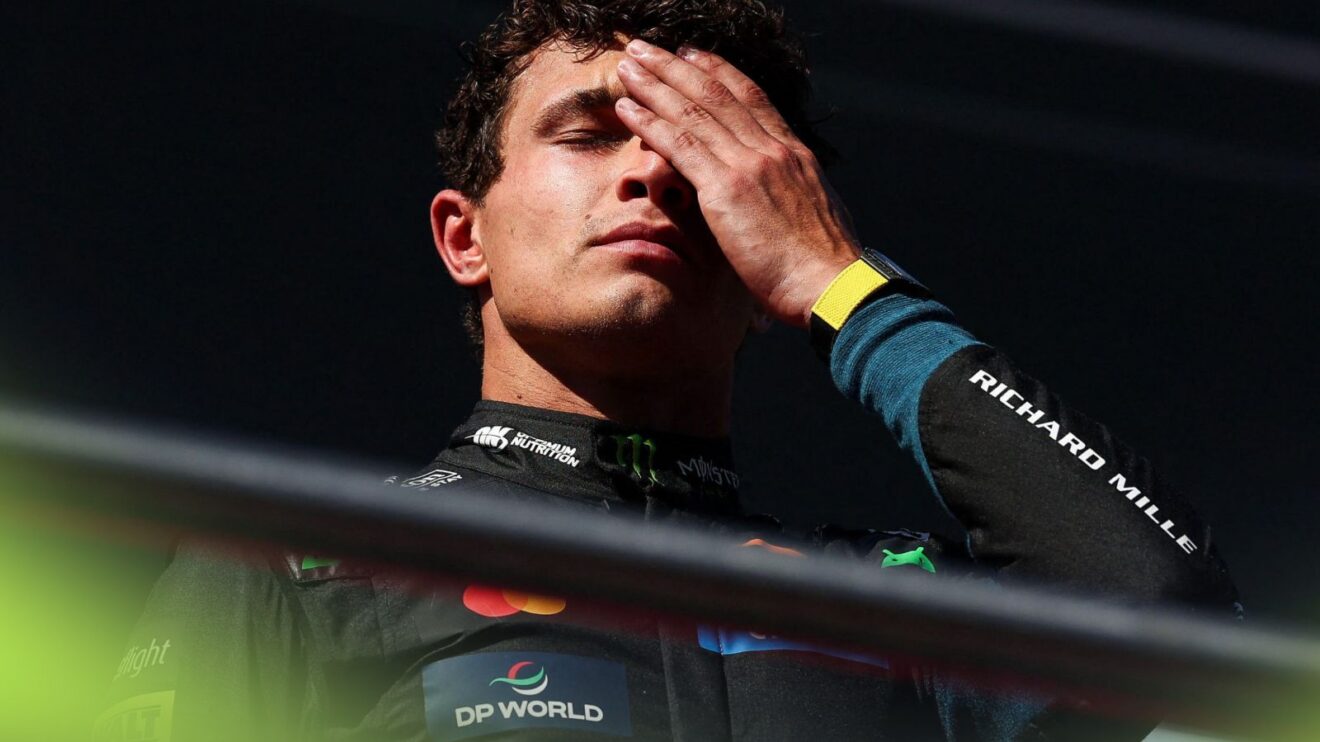
Lando Norris saw victory slip away at the Madring
A fact clear as day is that Lando Norris lost Sunday’s race simply because he was unlucky with the timing of the Virtual Safety Car.
However, the debate that emerged in the aftermath of the race is why McLaren pitted Norris at all, once they realised they had missed the VSC window. Whether this was the right call or not, telemetry data reveals.
McLaren decision under spotlight after Lando Norris Spanish GP heartbreak
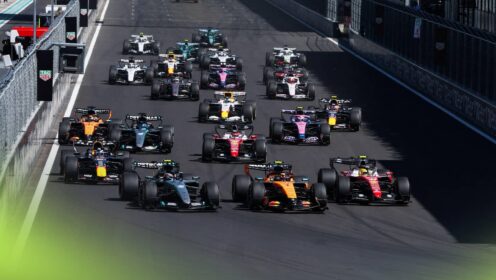
The definitive turning point of the race was the Virtual Safety Car deployed on Lap 15 following an Aston Martin breakdown. Teams had that single window to pull off the right tactical move to seal the final outcome. As we went on to see, the race turned fairly processionary thereafter, with no major reshuffling at the top of the order.
The timing of the Virtual Safety Car itself could hardly have been worse from the reigning world champion’s perspective. Telemetry data shows that at the precise moment the VSC was deployed, Lando was exiting the final corner of the lap, putting an end to any debate over whether McLaren were simply too slow to react.
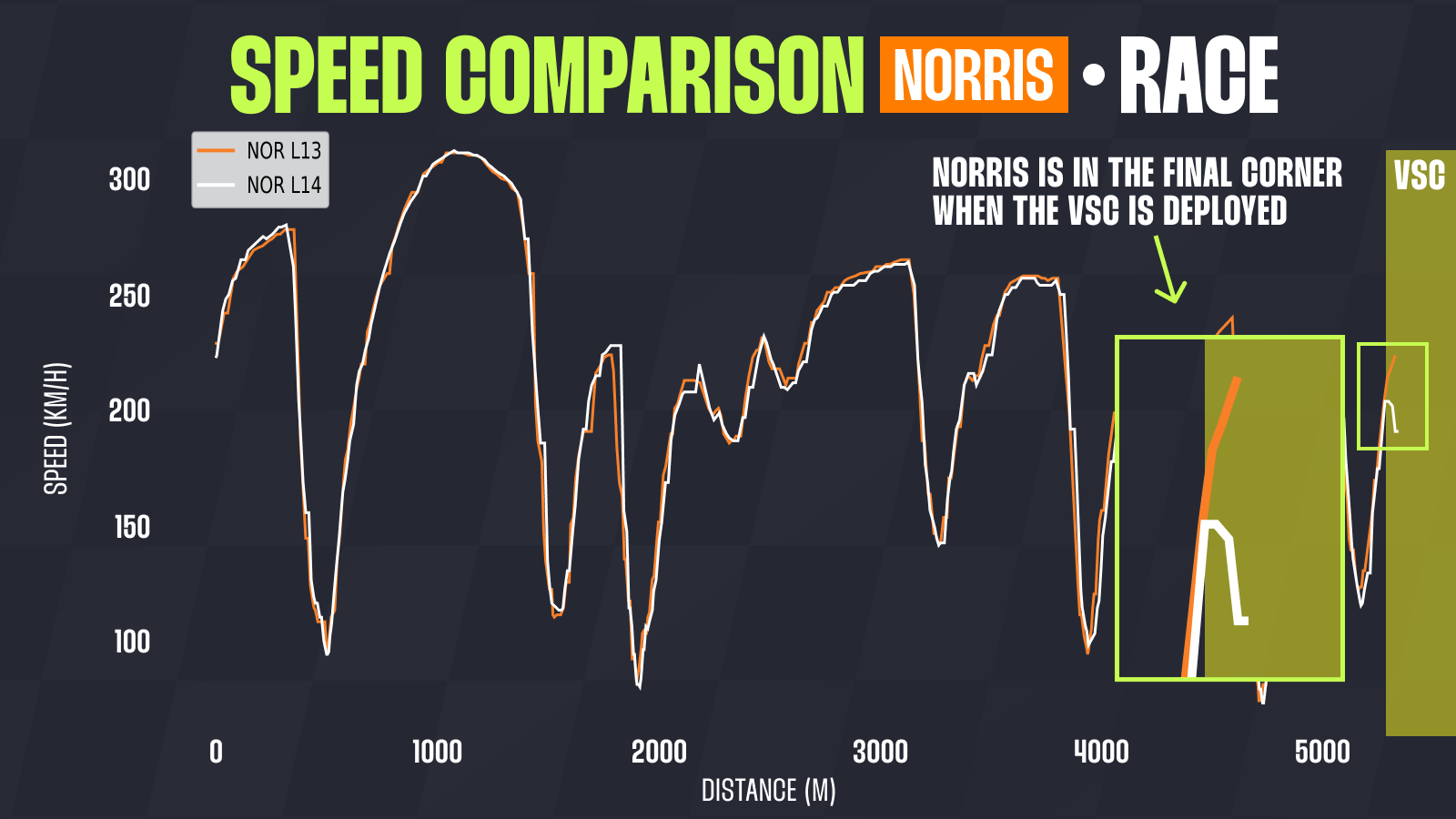
However, this afforded Norris’s side of the garage roughly two minutes to decide whether to go ahead with a pit stop after missing the VSC window. So, what options lay on the table?
Had they elected to leave Norris out on track, his 6-second lead over Kimi Antonelli would have ballooned to a 14-second cushion over Charles Leclerc and roughly 16 seconds over the Italian.
Up until that point, Lando possessed around 0.3 seconds per lap better pace than Leclerc on the hard tyres; therefore, we can deduce he would have continued expanding his lead over the pursuers, given that Antonelli certainly wasn’t going to breeze past Leclerc easily.
In other words, you have absolutely nothing to lose – in the worst-case scenario, you rejoin in the exact position you were destined to finish in anyway.
What you gain instead is tactical flexibility. The probability of another VSC or full Safety Car deployment might be slim, but it remains a possibility that you can capitalise on by staying out. Furthermore, extending the stint guarantees better tyre performance following your eventual stop, providing fresher rubber compared to your rivals.
However, McLaren decided to bring Norris into the pits regardless, and telemetry data indicates the likely reasoning behind that call.
Specifically, up until Lap 10 of the race, Lando was steadily improving his lap times, after which they began to climb, as clearly demonstrated by the graph below.
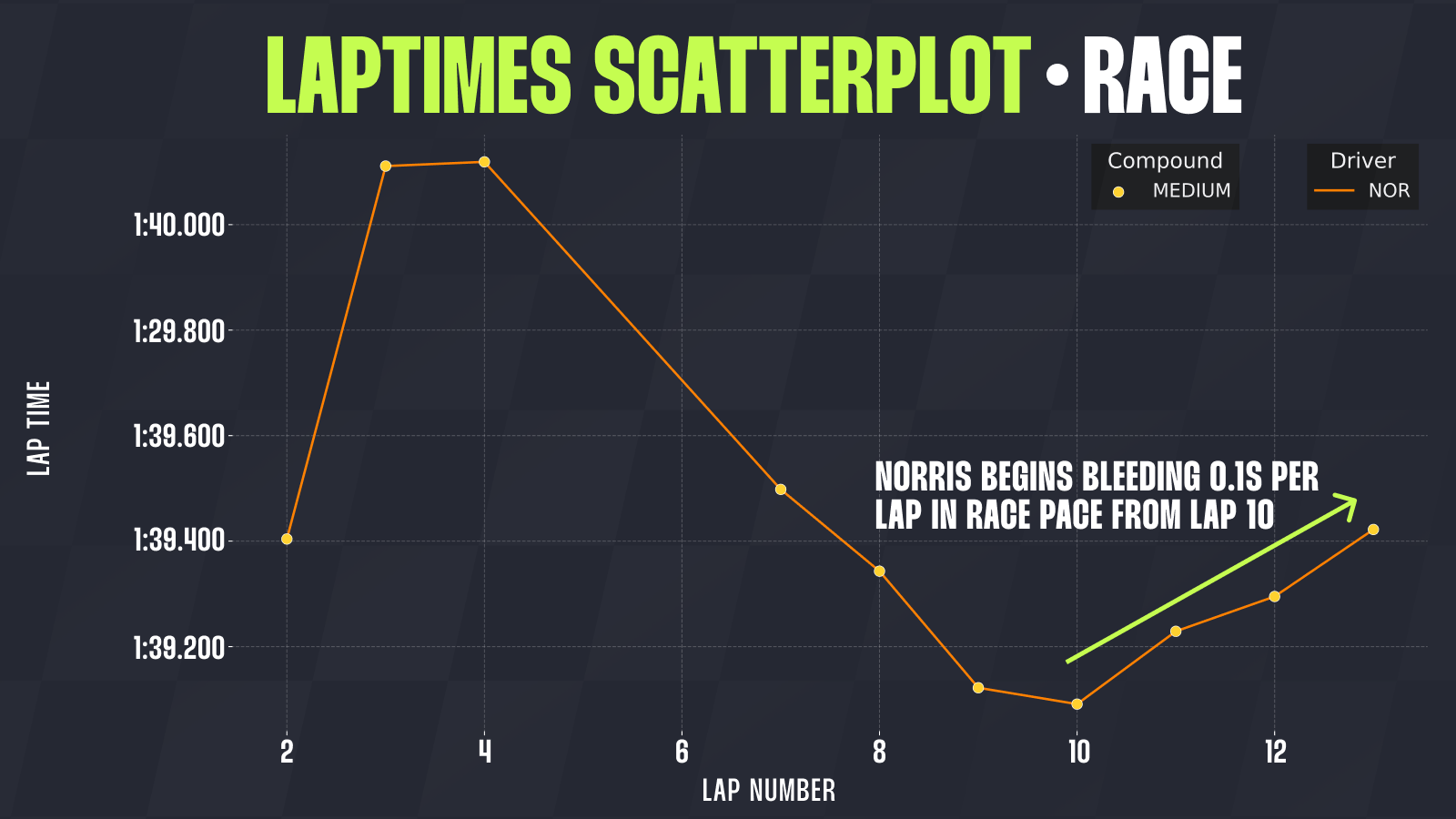
On Lap 11, his pace dropped by a tenth of a second, and then by another tenth on Lap 12. Fearing that the medium tyres were reaching the end of their usable life, the decision to pit was taken.
Naturally, it is difficult to forecast exactly what pace Lando would have produced after the restart, but even if those mediums were indeed on their last legs, pitting a lap or two later would have resolved the issue without bleeding significant time in the interim.
That McLaren made a strategic error is further evidenced by the telemetry recorded following the race restart.
Even though they were running on fresher rubber, neither Antonelli nor Verstappen made any effort to shrink the gap to Leclerc, aware that there was no need to do so since he was bound to make a pit stop.
By that stage, teams possessed sufficient data to know the hard compound could go the distance, leaving tyre management for the final stint as their sole focus.
Both Kimi and Max Verstappen stayed safely behind the car ahead to avoid dirty air, waiting for the Briton to close in. Once Lando got within striking distance, telemetry shows both drivers suddenly ramping up their pace dramatically.
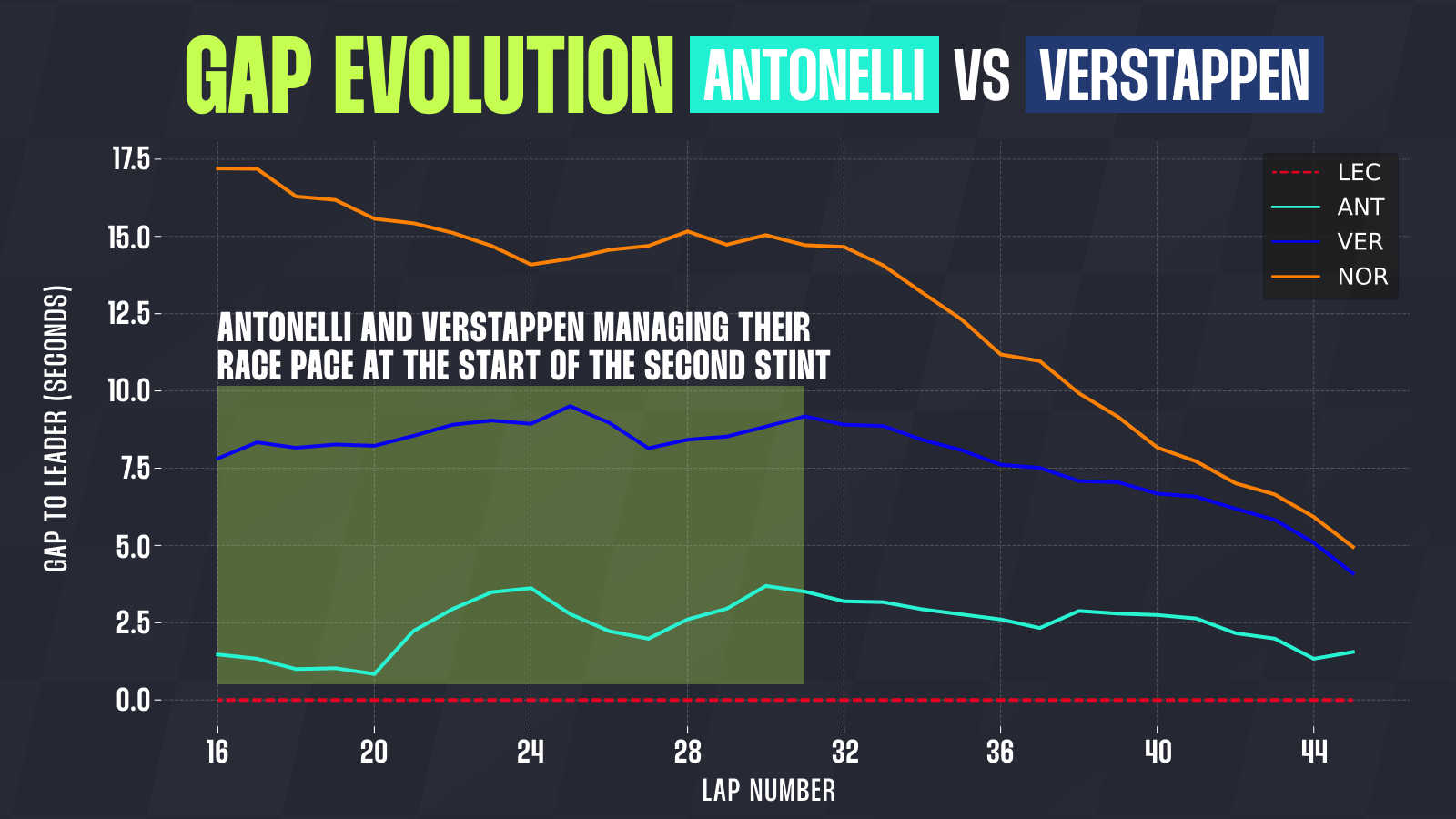
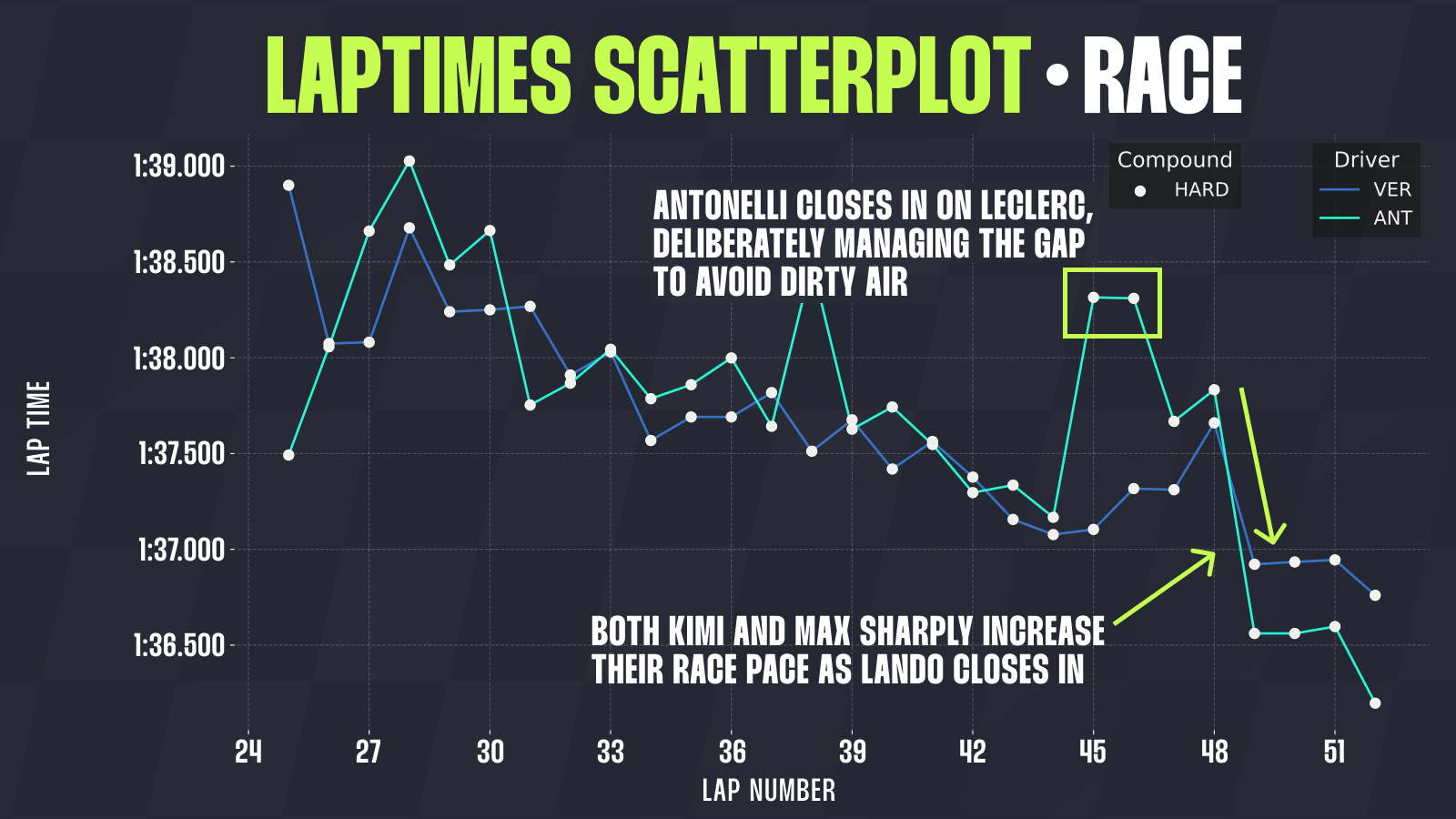
That was precisely how they managed to defend against him, as Lando was beyond doubt the fastest driver on track. Therefore, it is very possible that the tyre offset mentioned earlier would have provided Lando with the extra grip needed to launch a move on Verstappen towards the end of the race.
Ultimately, Norris’s biggest enemy in the race was simply plain bad luck. McLaren should have left him out, though even that would not have delivered a victory, yielding at best a second-place finish in the most optimistic scenario.
More Spanish GP talking points via PlanetF1.com
Norris reveals VSC driver scrutiny after Spanish GP heartbreak
Lewis Hamilton challenges Verstappen comment after Spanish GP clash
As the Briton himself noted, he did everything within his power and was truly the standout driver across both Saturday and Sunday, but it seems this is destined to be Kimi’s year.
Read next: Antonelli wins Spanish GP after McLaren VSC disaster costs Norris