
F1 2026 rule changes pushed teams beyond ‘comfort zone’


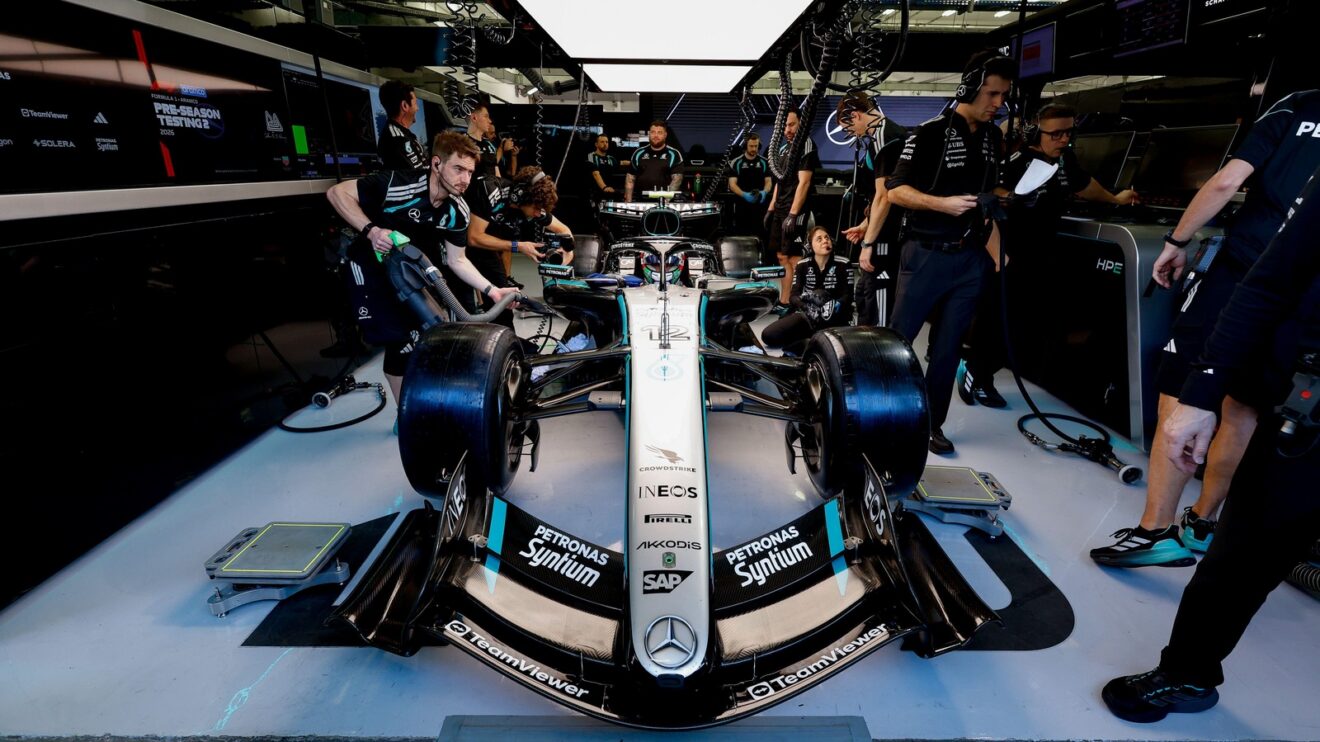
FIA boss Nikolas Tombazis has suggested F1 2026 rule changes forced some out of their 'comfort zone'.
FIA single-seater chief Nikolas Tombazis has admitted the latest F1 2026 rule changes pushed some stakeholders beyond their ‘comfort zone’.
Voted through by a supermajority by the Power Unit Advisory Committee, Tombazis admitted that some had to step out of their ‘comfort zone’ as part of the discussions.
Nikolas Tombazis on F1 2026 rule changes
Want more PlanetF1.com coverage? Add us as a preferred source on Google for news you can trust.
Last week, a number of rule tweaks were voted through ahead of this weekend’s Miami Grand Prix.
They’re designed to reintroduce flat-out qualifying laps and address some safety concerns by changing the rate and amount of electrical energy which can be harvested and deployed.
The change was made after three races as F1 adapts to all-new power unit and chassis regulations.
Feedback on the regulations has been mixed, with Formula One Management pointing to a rise in television viewership while leading figures such as Max Verstappen and Fernando Alonso have panned the rules.
Following the Japanese Grand Prix, the sport took advantage of the unexpected gap in the schedule following the cancellation of the Bahrain and Saudi Arabian Grands Prix to assess the situation.
That has led to the changes announced last week following a series of meetings.
“It was quite clear we need to take certain steps,” Tombazis told PlanetF1.com and invited media.
“It was quite clear that people also need to come off the comfort zone for some of these discussions.
“Some things were going to happen for safety, so people knew that. But by and large, I would say people were quite constructive and I think what was reached was a genuine level of consensus.”
Voted through by the Power Unit Advisory Committee, the rule changes needed a supermajority to pass. That followed input from the F1 Commission along with other bodies such as the Technical Advisory Committee and Sporting Advisory Committee.
Through it all, the FIA held the ability to push the refinements through on safety grounds in the wake of Oliver Bearman’s 50G impact in Suzuka.
That proved unnecessary, however, as those involved were able to put their own best interests aside for the broader sport.
“Obviously, any meetings with teams or PU manufacturers is always quite a complicated affair because people naturally mix their views on what’s best for the sport as well as their view about what’s best for their team’s performance,” Tombazis noted.
“We expect that to happen, so that makes any level of consensus always a bit more difficult.”
Go deeper: FIA confirms changes to F1 2026 rules
Formula Net Zero: F1’s soul is being destroyed by the 2026 rules
Bring back V10s? The F1 2026 rules are a step too far
Consensus was achieved following a series of meetings throughout April that outlined the objectives the rules were aiming to address.
That saw four areas identified, namely qualifying, the danger of slow starts, closing speeds, and power levels in wet weather, the latter raised by drivers.
From there, things began to narrow into specifics that could be applied to the regulations.
“We had a meeting with the team bosses before Australia, then after China,” Tombazis said.
“Then we had a few technical meetings with the technical directors and representatives from the teams and the PU manufacturers.
“After Japan, we also had some good discussions with the drivers, who also gave us from feedback.
“On the base of that, we came up with a package which we realised about 10 days ago, let’s say, that we were going to get a reasonable level of consensus.
“So one week ago, we had a meeting with, again, with the team and PU manufacturer bosses where we put this package across.
“Some of it was because of safety and therefore did not need a level of approval. Other things were not safety and therefore did need approval by PU manufacturers supermajority.
“And we got these things approved and currently they’re going through the World Council, but we are quite confident they’re likely to be approved and introduced for Miami.”
The FIA World Motor Sport Council is the final step in the governance process when it comes to formalising the regulation changes.
Once approved, they will immediately form part of the regulations, as opposed to technical directives which are interpretations of the existing regulations.
That process is expected to complete ahead of the Miami Grand Prix, a Sprint weekend where on-track action is scheduled to begin with a Free Practice 1 extended by 30 minutes to help teams adjust to the changes.
Want to be the first to know exclusive information from the F1 paddock? Join our broadcast channel on WhatsApp to get the scoop on the latest developments from our team of accredited journalists.
You can also subscribe to the PlanetF1 YouTube channel for exclusive features, hear from our paddock journalists with stories from the heart of Formula 1 and much more!
Read Next: Why F1’s 2026 rule vote chose evolution over revolution