
Fernando Alonso declares ‘the world has changed’ as next PU regs debated


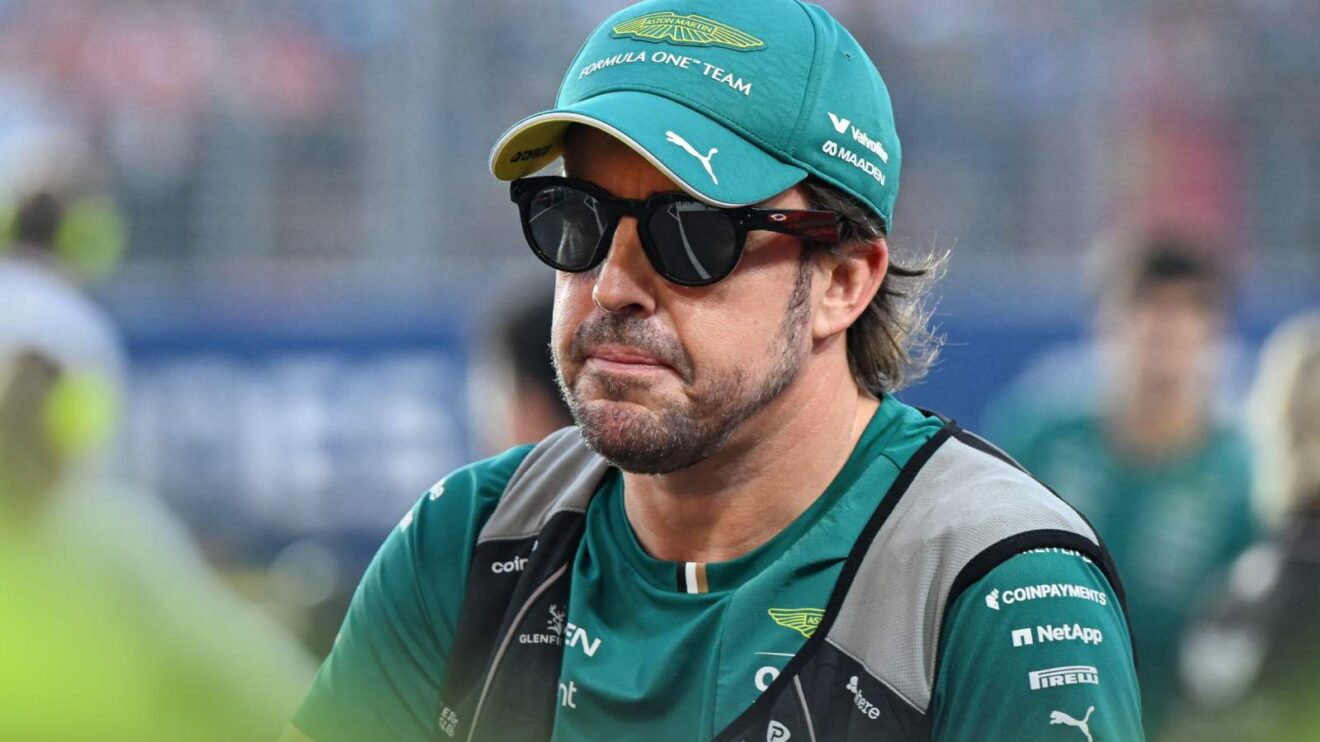
Fernando Alonso has spoken about the future of Formula 1's engines.
Fernando Alonso has said “the world has changed” when discussing a potential return to high-revving naturally aspirated engines in the future, acknowledging that hybrid power may be the way forward.
Alonso is the only driver on the current grid to have driven during F1’s V10, as well as the entire spell with V8 power, and the FIA is looking to bring back a V8 engine from the 2030 season.
Fernando Alonso declares preference for next F1 engines with ‘find the ratio’ hope
While turbo hybrid power has been in use since the 2014 season, a move to near-50-50 power distribution between internal combustion and electric power has been criticised among drivers for how it has affected racing.
Many have expressed a desire to change power units in future, and a V8 with a smaller electrical element has been previously hinted at by FIA President Mohammed Ben Sulayem.
Alonso pointed to just how many engines drivers would get through over the course of the season as a reason against full naturally aspirated power, and how finding the right balance will be important to achieve both flat-out racing and reliability.
“I think the world has changed,” Alonso said to PlanetF1.com and other media about his time in V10-powered cars.
“Obviously, they were fun cars to drive. Very light, very loud, but maybe it doesn’t fit with today’s world, that kind of technology.
“We were changing engines. When I started, we had an engine for Saturday, 12 laps in quali, and then an engine for Sunday. So, is that possible in today’s world? Probably not.
“I think we need to be happy and adapt to the world, and maybe the hybrid systems is the way to go. We just need to find the ratio, on the combustion and electric part, how much we need to help on the electric side.”
More about the current F1 power unit formula
Explained: F1’s complex power unit upgrade system
F1 team valuations 2026: Mercedes closes in on Ferrari as sport’s most valuable team
FIA President Ben Sulayem is looking to garner support from teams and manufacturers to agree on the next engine formula within the coming months, as he looks towards a 2030 re-introduction of V8 power in Formula 1.
He pointed to reduced costs in engine production behind this, as well as enhancing the sensory experience for those at the track.
“What are the objectives of doing this engine? As a driver, the first thing we need is lightweight cars, so it is going to be approximately 80 kilograms lighter,” he told PlanetF1.com and others at the launch of the African Grand Prix.
“Then the second is sustaining the business. So, it’s going to be at least 50 percent less in R&D [research and development] and in the engine.
“And third, it’s about the fans; it’s about the sound, not the noise.”
Additional reporting by Thomas Maher
Want to be the first to know exclusive information from the F1 paddock? Join our broadcast channel on WhatsApp to get the scoop on the latest developments from our team of accredited journalists.
You can also subscribe to the PlanetF1 YouTube channel for exclusive features, hear from our paddock journalists with stories from the heart of Formula 1 and much more!
Read next: FIA makes key decision for United States Grand Prix