

Why F1 2026 regulations are ‘a bit sad’ for drivers in new era
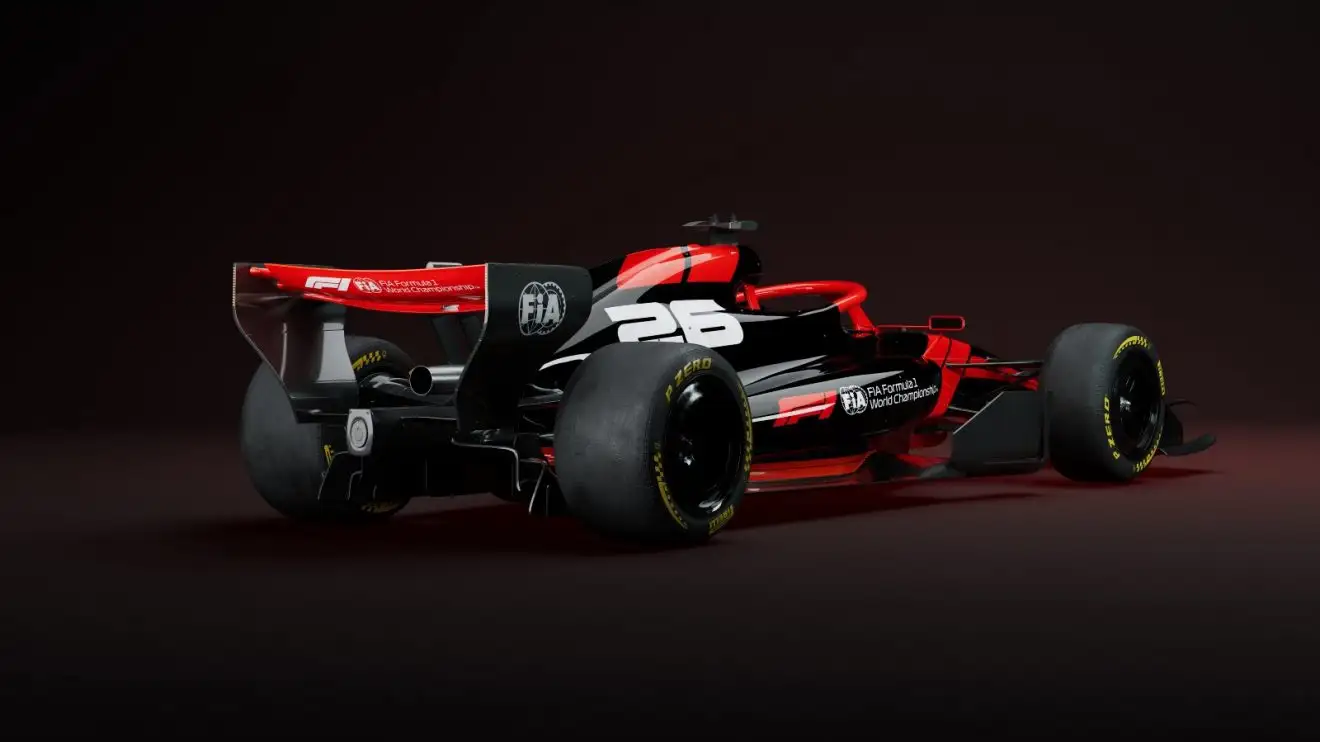
The 2026 cars will be shorter and narrow, in the hope of being more 'nimble' for the drivers.
Aston Martin driver Lance Stroll feels the upcoming regulation changes are “a bit sad” in terms of driving experience in Formula 1.
With brand new power unit and chassis regulations coming into play in 2026, it will be all change – with drivers having previously explained the big differences in driving style they are expecting.
Lance Stroll: ‘Managing energy not as exciting as flat-out pushing, but it’s all relative’
Formula 1 is moving away from the ground effect aerodynamics which have characterised the last four seasons, with all-new power units set to treble previous electrical output, alongside a 1.6-litre V6 internal combustion engine.
With a focus on active aerodynamics, too, meaning both a movable front and rear wing, top speeds are expected to be higher than their 2025 counterparts, though overall downforce is expected to be around 30% lower than before.
This will result in reduced cornering speeds, and Haas’ Esteban Ocon compared the differences between the cars to going from a Formula 1 car to a rally car, such is the change in driving experience.
Stroll has helped work on Aston Martin’s AMR26, but the Canadian believes that the drivers as a whole agree that a switch to greater focus on managing battery deployment, and not on pushing a car to its outright capabilities, is not as thrilling as what came before.
That said, he qualified it by admitting that, if the new Aston Martin is the class of the field, those complaints will soon fall away.
“I think that just the idea of the regs, I think everyone agrees on that,” Stroll explained to PlanetF1.com and other media.
“It’s a bit sad that we’re going in the direction of 400 kilometres an hour down the straight, and half the speed in the corners.
“It’s not, I think, as racing drivers, what you want – and managing energy and battery power is not as exciting as, I think, flat out pushing with lots of downforce. But I think that’s for all the drivers, we agree on that.
“If we’re sitting here in Melbourne, and we’re super quick, and everyone else is still behind us in the mirrors… I mean, it’s going to be a nice car to drive. So it’s all relative.”
Stroll’s teammate, Fernando Alonso, responded to the changes as drivers are expected to have more control over the deployment of the electrical power generated in their cars.
This is likely to mean drivers will need to think around every lap to make the most of the battery power available to them, but the two-time World Champion admitted that, while “unexpected results” could be possible, he would rather not have to use his brain alongside his racing
Put to him that he may be one of the drivers who could benefit from a more cerebral approach to racing in 2026, Alonso replied: “I don’t know. I mean, it depends.
“Obviously, you always can play a little bit with the tools you have in your hands.
“Lately, it has been because the cars are more difficult to follow now. So if you qualify well, you can keep cars behind, even if you don’t have pace – as you saw in Qatar. It’s not that I want to have 15 cars behind, I will love to be five seconds margin [ahead], I stop and I don’t have any cars behind, but I cannot pull away from cars, so you use your experience in different ways, in different corners, to make sure that you are not overtaken.
“So next year, it could be the same thing with the energy deployment, that you can use it here and there and have unexpected results. But you cannot be proud to finish seventh or sixth by using your brain 200% – you know, I prefer not using my brain and to win all the races with 20 seconds.”
Read next: Ground effects rules dubbed unsustainable for drivers as F1 enters new era


