

Major F1 2026 design change prompts rally car comparison
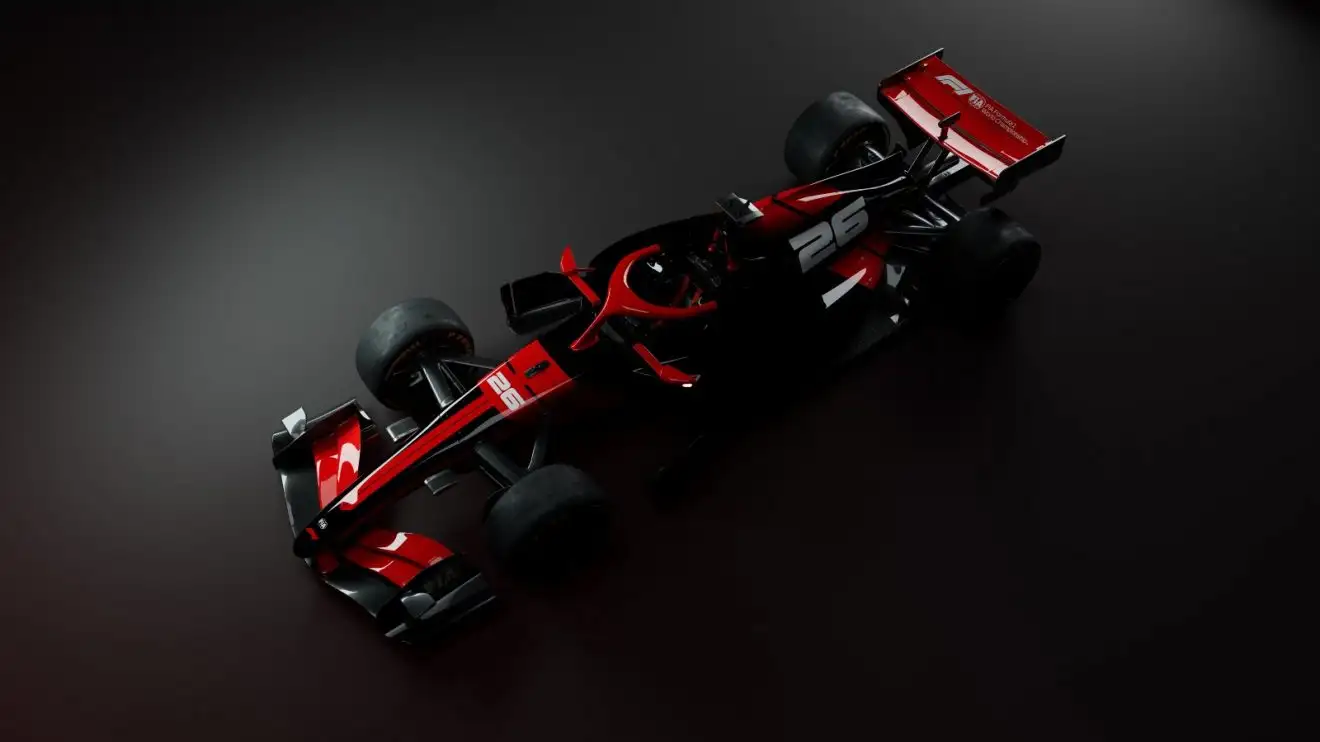
F1 2026 cars will be on track for the first time in a private test in Barcelona in January.
Esteban Ocon likened the difference between the ground effect generation of cars and those set to be introduced for F1 2026 to like jumping into a rally car.
F1 is set to undergo a radical rule change for the coming season with dramatic new chassis and power unit regulations.
New rules set to offer all-new driving challenge
For 2026, F1 will introduce moveable aerodynamics alongside increasing the use of electrical energy from the power unit.
It promises to see a rise in straight-line speed, though with an expected drop in cornering speed.
That will be complemented by a different style of racing, with energy management predicted to play a far more significant role.
Such a significant change in the shape of the on-track action has generated strong opinions from the drivers.
“It’s like if you jump from an F1 car to a rally car next year, pretty much, it’s that different,” he told PlanetF1.com and other accredited media.
The concept for F1 2026 is to move away from ground effects, a style of car that generated much of its downforce via the floor and created a harsh ride for drivers.
Want more PlanetF1.com coverage? Add us as a preferred source on Google to your favourites list for news you can trust.
Exactly what the on-track action looks like this season remains an unknown; teams are at different stages with their own simulations, which is done in isolation from their rivals.
It affords only a single perspective, and not necessarily a truly representative image of what the final product will be.
What is likely is that the disparity between teams will increase.
Where the pack had condensed under the previous generation of rules, an all-new ruleset across both chassis and power unit affords the opportunity for teams to find strong early advantages.
However, it’s also likely any such discoveries will quickly be made by their rivals, while the pack will take time understanding the nuances of their new machines.
“There are going to be much bigger issues than that, I think, to tackle initially,” said Ocon, referencing a braking issue he struggled with in the latter stages of F1 2025.
It was a hindrance that was punished because of how close the pack is, the sort of marginal gain that is likely to be less impactful, at least initially, in F1 2026.
“We’re going to have a lot of testing, but a lot of new things to learn,” he added.
For Ocon and his Haas teammate, Oliver Bearman, the instruction was also to focus initially on 2025 – worry about the coming campaign once the season was over.
While Haas is working with Toyota to build its own simulator, for the moment it uses Ferrari’s in Maranello.
However, the introduction from team boss Ayao Komatsu was not to get too hung up on F1 2026.
“That’s why me and Ollie, we have, at the moment, very limited data,” Ocon explained.
“When they have a technical direction that they want, we have a meeting for it, but it has been very limited and they want to really has to focus on what we have to do [in 20205].”
Haas secured eighth in the Constructors’ Championship, nine points clear of Sauber, 10 shy of Aston Martin, and only 13 away from Racing Bulls in sixth.
In the midst of such a battle, one worth tens of millions in prize money, it was a prudent move.
Post-season, time was spent on the simulator assessing the F1 2026 car more seriously.
More on the all-new regulations for F1 2026
F1 2026 tech analysed: The future of overtaking and biggest car advantage identified
F1 2025 vs F1 2026: Nine key questions ahead of massive regulation changes
“That’s been the team’s decision,” Ocon said. “That’s been Ayao’s decision for us to do.
“When the team needs us to have a technical direction, they ask us, but I trust what they want to do.
“I think it’s the right decision.”
F1 testing begins later this month, with five days of running in Circuit de Barcelona-Catalunya – during which teams are able to run on any three.
The circus will then travel to Bahrain, for six further days of testing before the opening round of the year, the Australian Grand Prix, on March 6-8.
You can also subscribe to the PlanetF1 YouTube channel for exclusive features, hear from our paddock journalists with stories from the heart of Formula 1 and much more!
Want to be the first to know exclusive information from the F1 paddock? Join our broadcast channel on WhatsApp to get the scoop on the latest developments from our team of accredited journalists.
Read Next: Four ridiculously early bold predictions for the F1 2026 season


